Explore our top industrial-grade environmental chambers, mechanical testing systems, and dynamic simulation platforms engineered to conform to strict international directives.
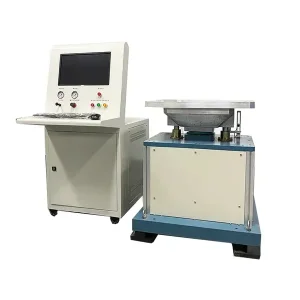
In modern industrial engineering, ensuring structural durability and operational reliability under physical dynamic stresses is vital. The Electrodynamic Vibration Test Bench acts as the central mechanism for simulated structural verification. As products operate across complex environments, standard static evaluations are no longer sufficient. Industry requirements dictate full dynamic assessments to identify structural resonances, fatigue limits, and mechanical weaknesses before field deployment.
Globalized value chains face critical quality challenges. A minor component failure in a sub-assembly can lead to extensive system failures, product recalls, and liability exposure. Consequently, heavy industries—ranging from aerospace and automotive to marine transport and energy generation—increasingly depend on electrodynamic shakers. These systems replicate high-stress real-world profiles (including sine, random, classical shock, and synthesized time-history exposures) to validate safety margins and ensure compliance with demanding quality frameworks.
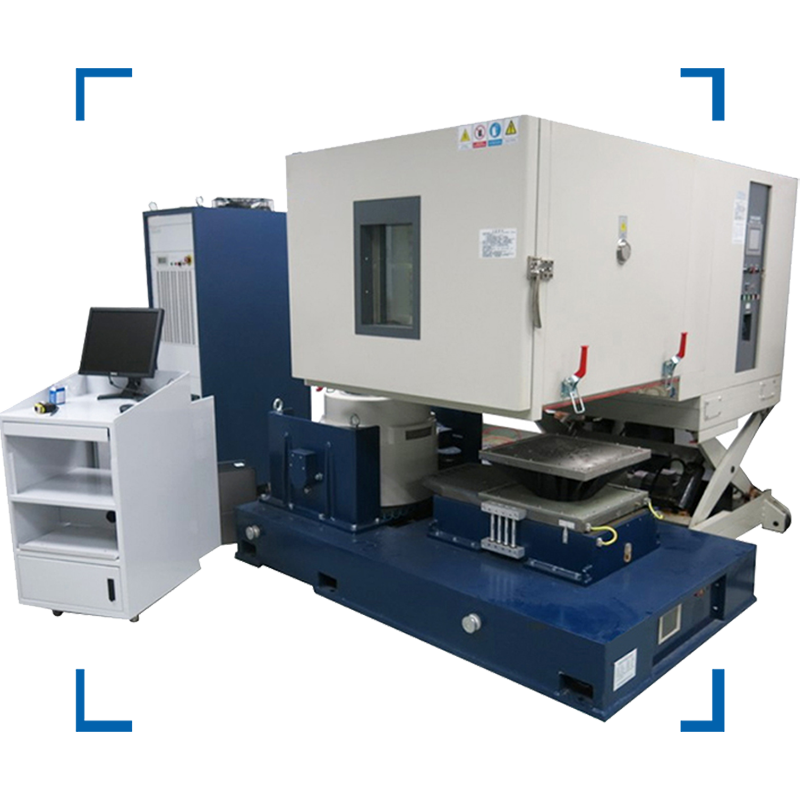
The industrial testing ecosystem has shifted from post-manufacturing evaluations to active, front-loaded physical simulations during early design. Through environmental stress screening (ESS), engineers use electrodynamic systems to expose structural vulnerabilities, such as solder joint fracturing, wire harness abrasion, and mounting plate resonances. Integrating electrodynamic shakers directly with climatic chambers (AGREE configurations) provides simultaneous mechanical and thermal testing, helping businesses align with stringent global test criteria.
Precisely identifies design vulnerabilities by locking onto specific structural natural frequencies, isolating weaknesses with constant monitoring.
Simulates stochastic real-world environments like rocket launches or off-road transport, offering a highly accurate operational profile.
Replicates severe transient mechanical shocks up to hundreds of Gs, ensuring components survive drop and crash profiles.
The electrodynamic testing field is undergoing rapid technological evolution, driven by the demands of complex modern products. The following developments outline how testing systems are adapting to support advanced engineering needs:
Industrial sourcing leads evaluate vibration test benches on specific technical parameters to ensure alignment with product requirements, operating costs, and long-term ROI.
Systems must accommodate the maximum payload (fixture plus unit under test) at peak acceleration. Sourcing teams typically demand a 30% safety reserve to prevent premature armature wear and amplifier overload.
High-frequency components like sensors require operation up to 3,000 Hz, while heavy industrial components require large displacement strokes (up to 76mm continuous) for low-frequency simulation.
Modern facilities prefer open, standardized controller designs that integrate with existing data systems, support remote monitoring, and run standard test profiles (e.g., MIL-STD-810G, ISO 16750).
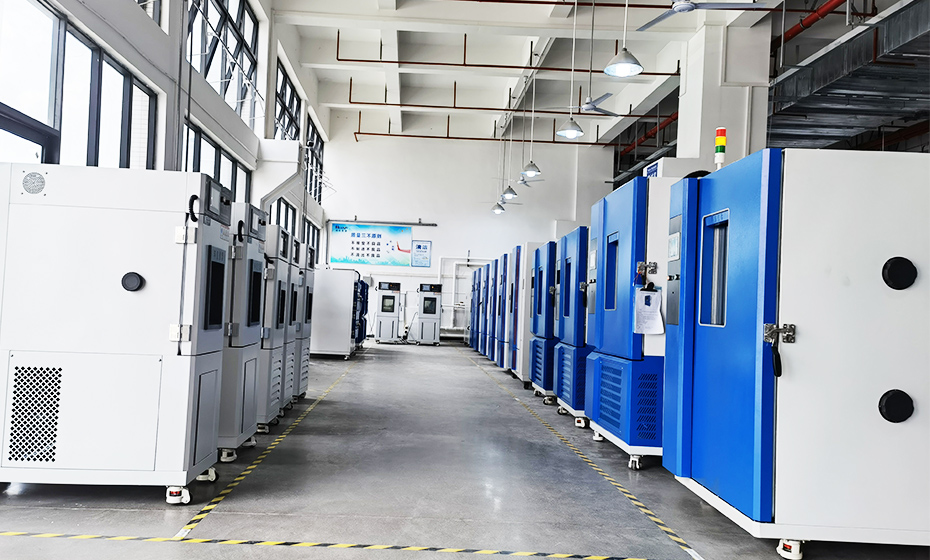
Shakers are often paired with environmental chambers for combined test environments, requiring custom head plates, thermal barriers, and specialized sealing setups.
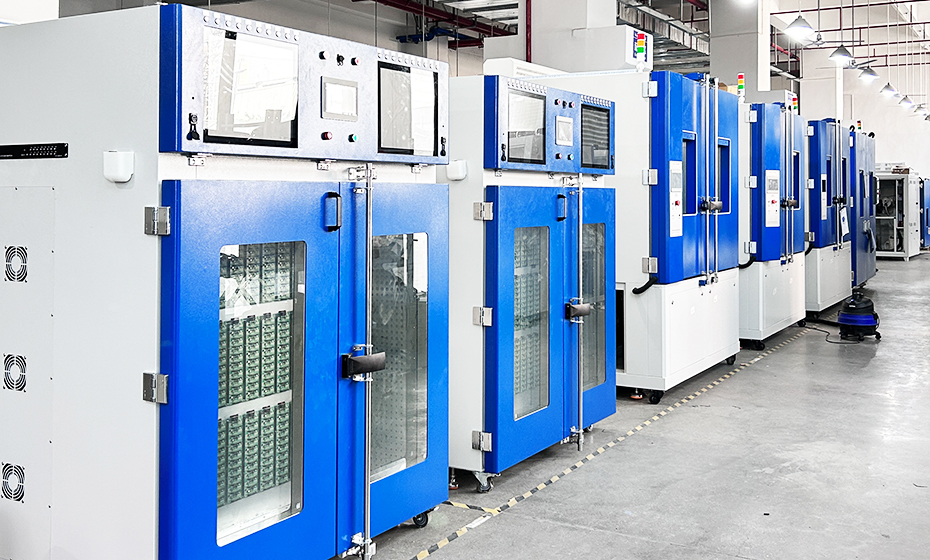
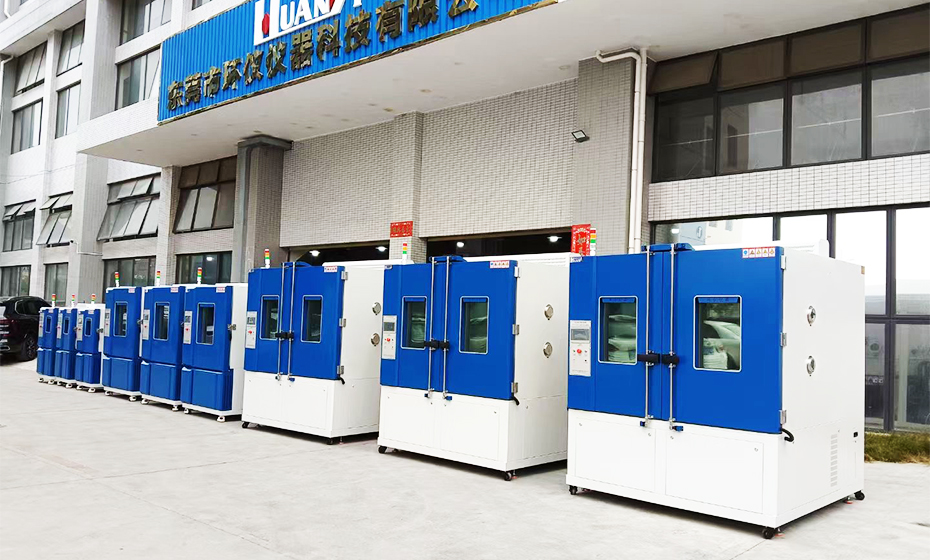
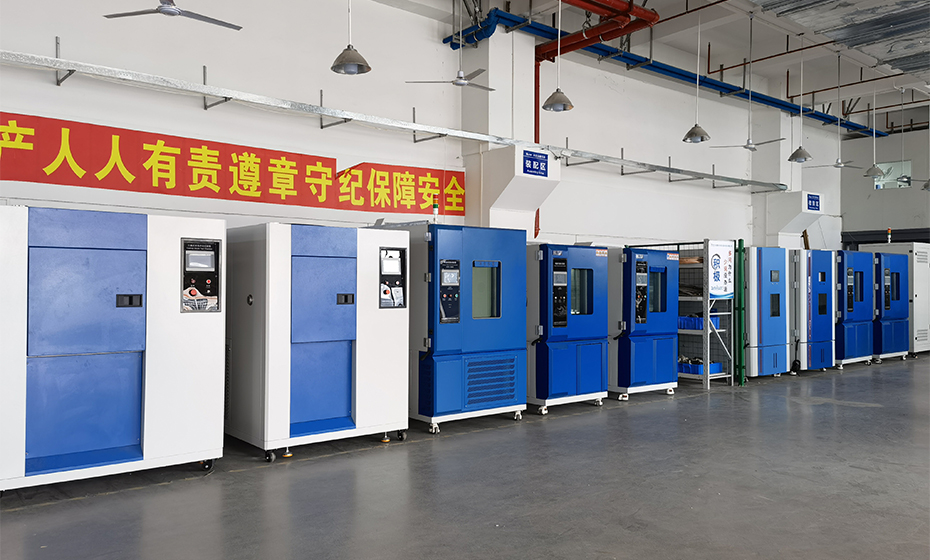
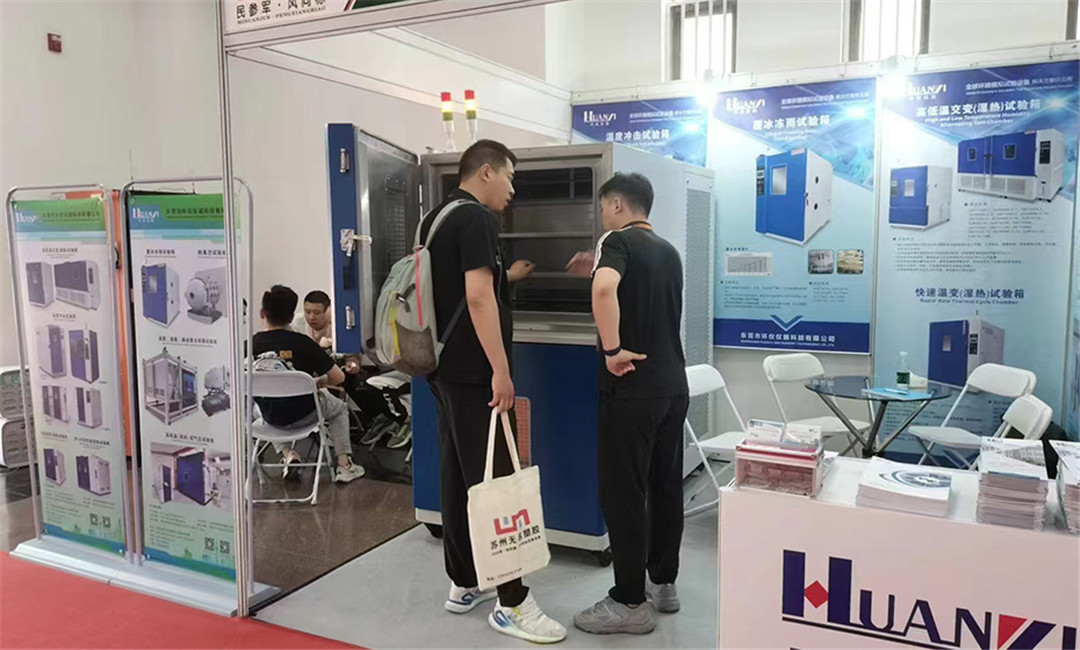
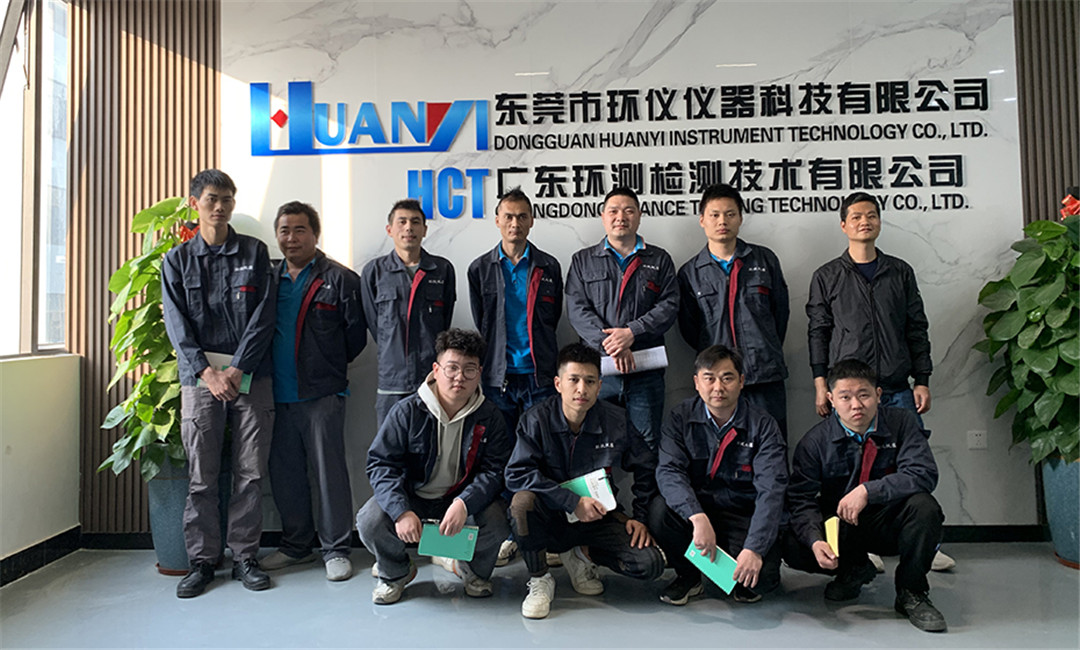
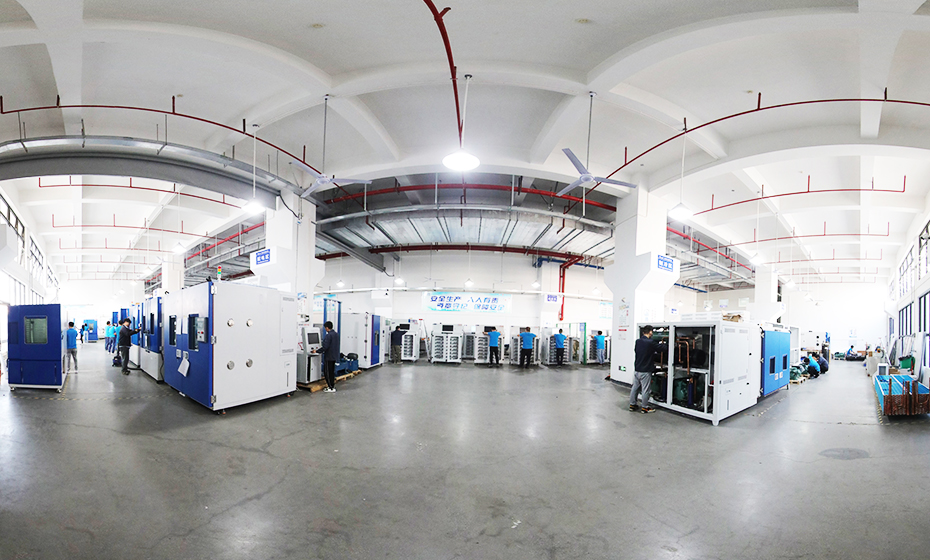
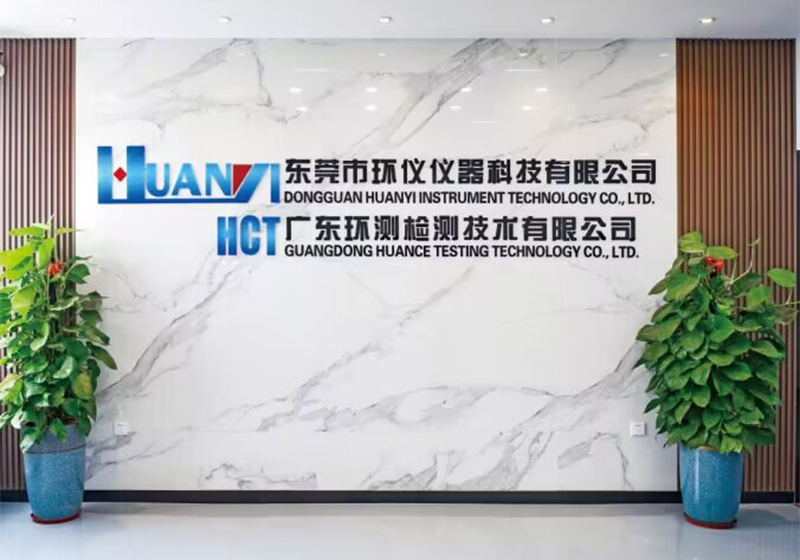
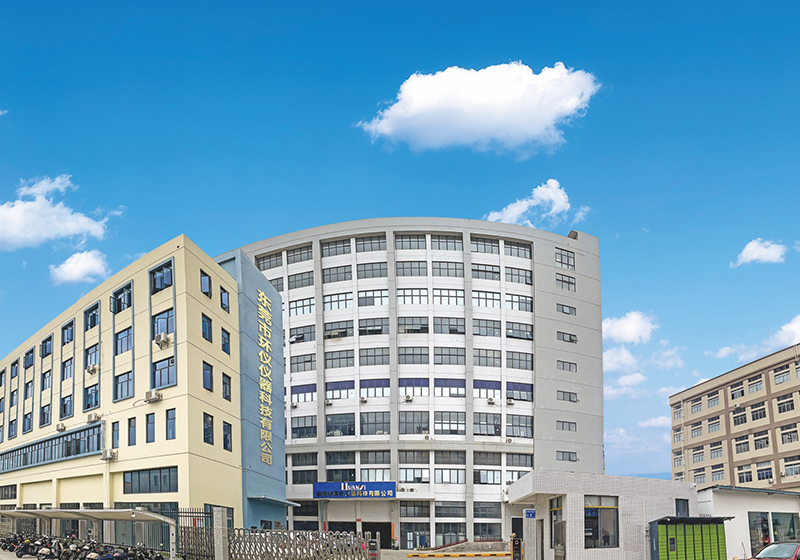
Dongguan Huanyi Instruments Technology Co., Ltd., established on March 20, 2007, operates a modern 6,022 square meter production facility. As a certified high-tech enterprise, Huanyi focuses on the research, development, and manufacturing of environmental simulation and mechanical test systems. The company actively contributes to the drafting of Chinese national and industry standards for environmental simulation test equipment, demonstrating its technical depth and industry standing.
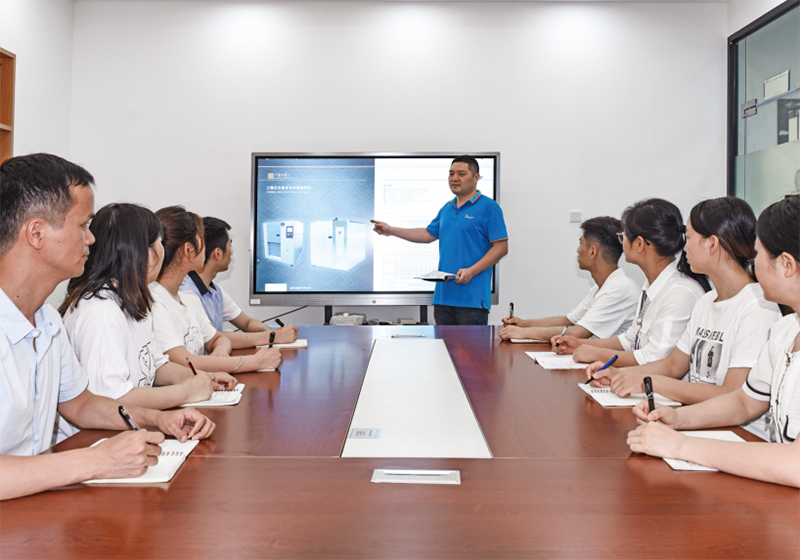
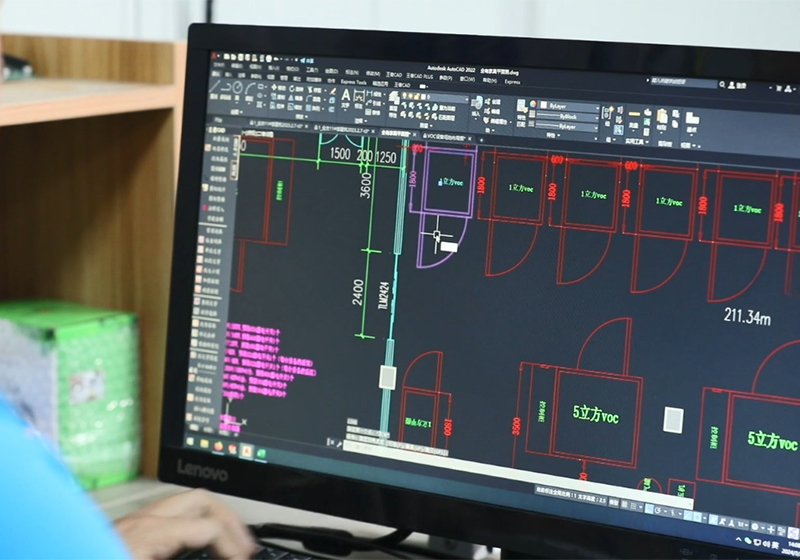
Guided by our philosophy of being "customer-centric, quality-guaranteed, honesty-based, and innovation-oriented," Huanyi has built an experienced, multidisciplinary R&D and engineering team. By integrating modern digital systems (including ERP-driven project tracking, precision CNC laser sheet-metal cutting, and automated machining), Huanyi combines manufacturing speed with reliable quality, offering durable, high-performance testing solutions to international buyers.
Dongguan Huanyi Instruments Technology Co., Ltd. founded, establishing our core production base in Guangdong.
Established the Jiangsu regional branch to support domestic automotive and electronics manufacturing hubs.
Opened support offices in Xi'an and Chongqing to provide localized service for western aerospace and industrial sectors.
Expanded coverage by opening Shanghai and Beijing offices, offering technical support for major academic and commercial research labs.
Commissioned our Digital Sheet Metal Center, bringing critical fabrication processes in-house for improved quality control.
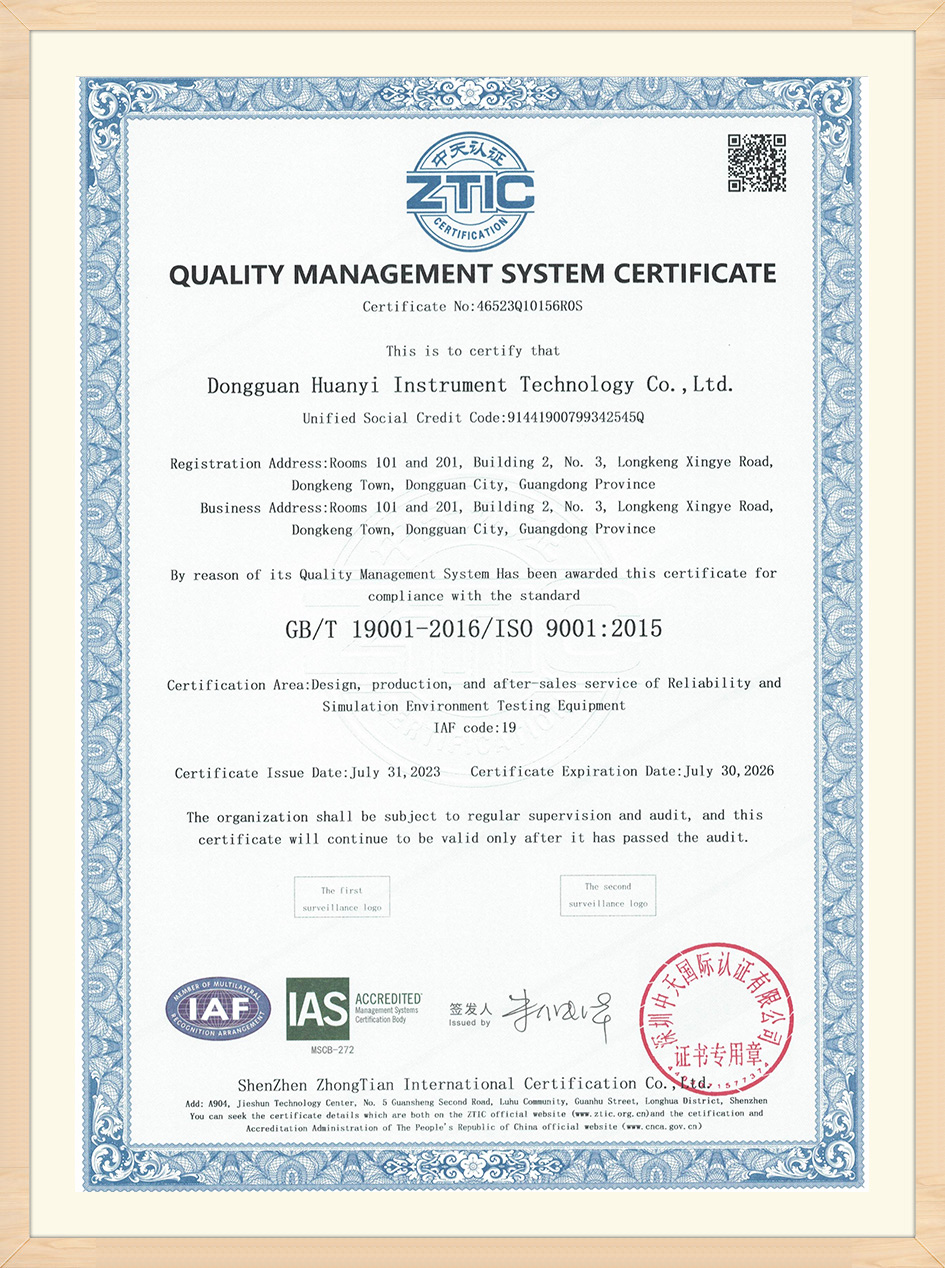
Achieved ISO 9001:2015 quality management system certification, aligning our production workflows with international standards.
Recognized as a high-tech enterprise for consecutive years. Contributed to national testing standard revisions (including GB5364 and GBT50325).
Established Guangdong Huance Testing Technology Co., Ltd. as our dedicated laboratory facility, expanding our calibration and third-party validation capabilities.
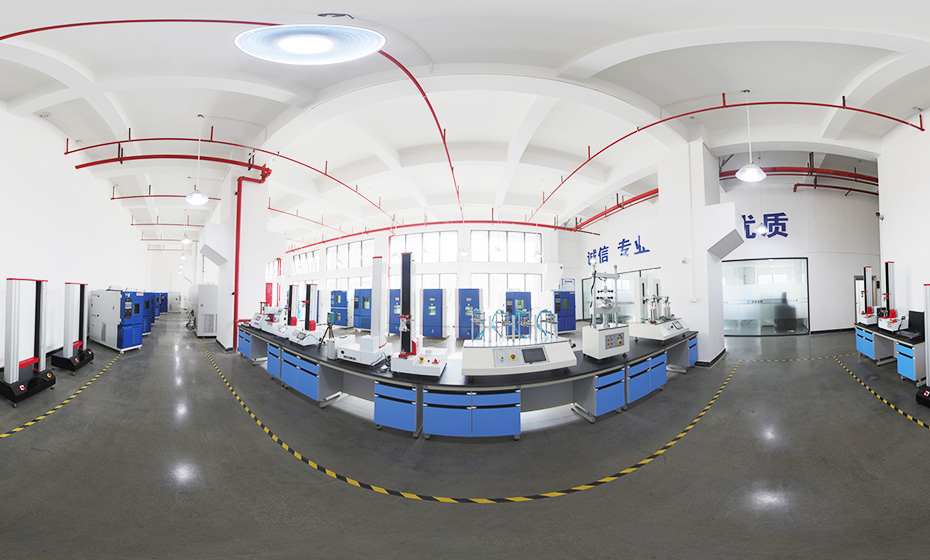
Our engineering capabilities rely on systematic quality control, professional R&D, and certified factory management.
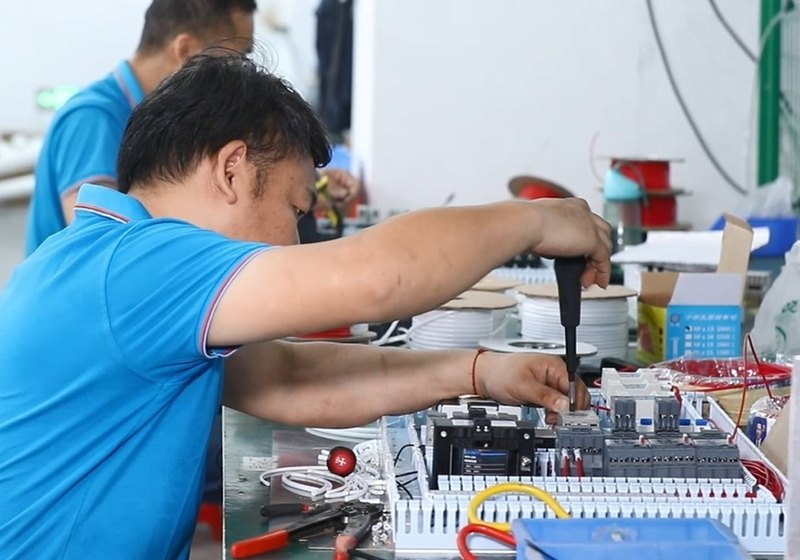
Comprehensive quality control protocols monitor raw materials, assembly steps, alignment, and final calibration before shipping.
With over 20 years of experience, our R&D and production teams use ERP tracking to manage complex custom orders on time.
Our sheet metal and fabrication facilities feature automated laser cutting, lowering production times and raw material waste.
ISO 9001:2015 production lines build systems using components from vetted global brands to ensure long-term stability.
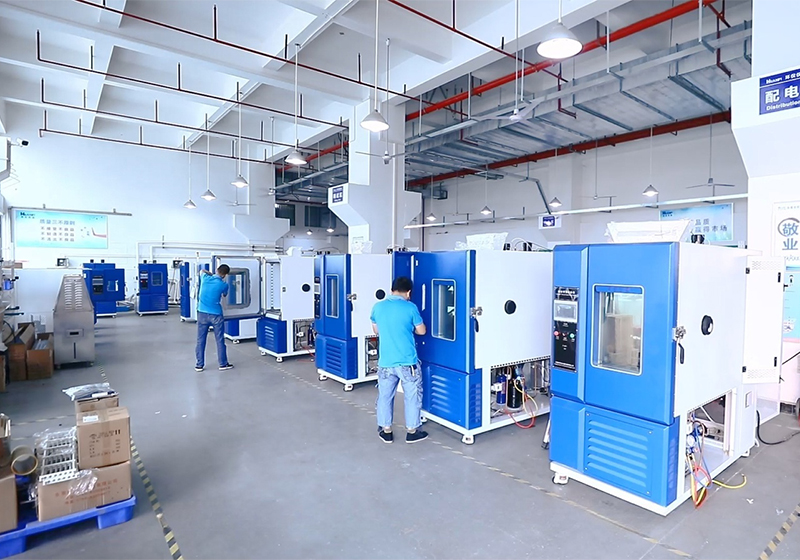
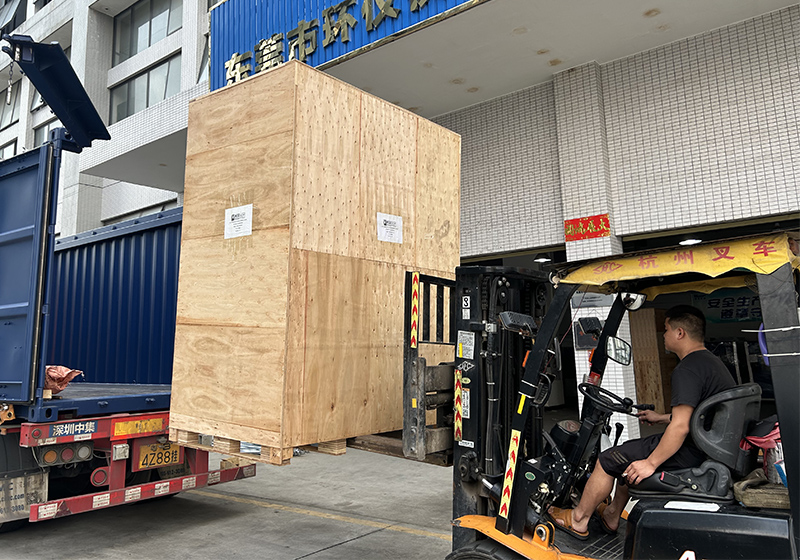
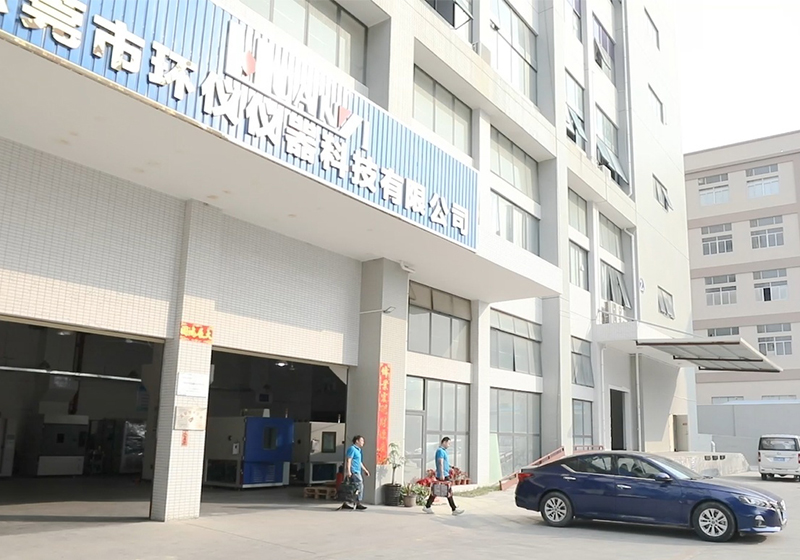
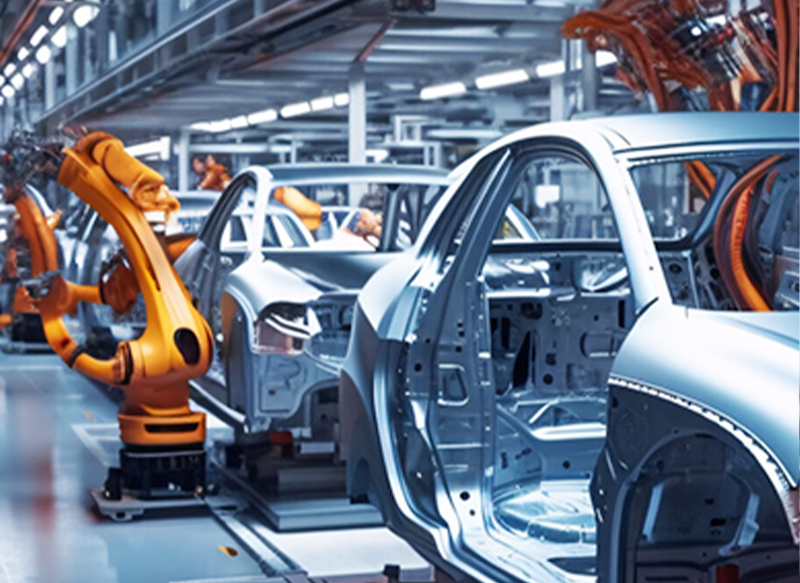
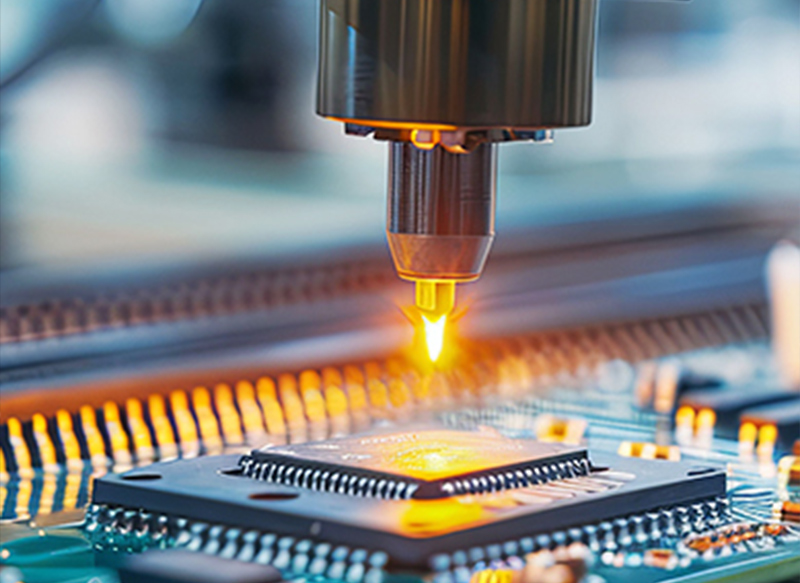
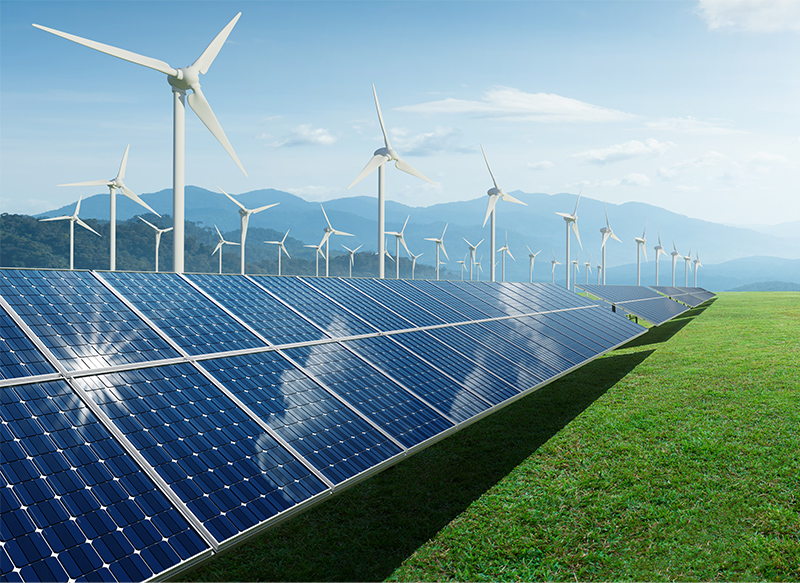
Our testing platforms are used across diverse industrial sectors to validate component reliability and structural integrity.
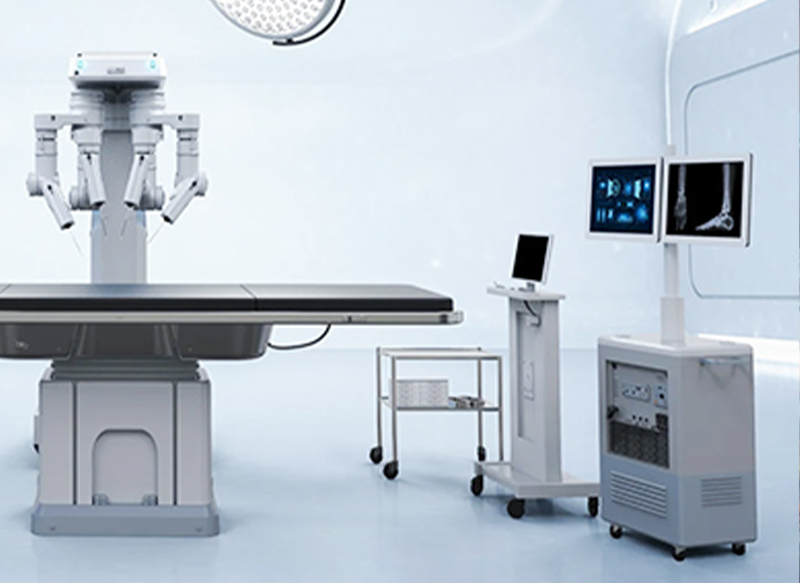




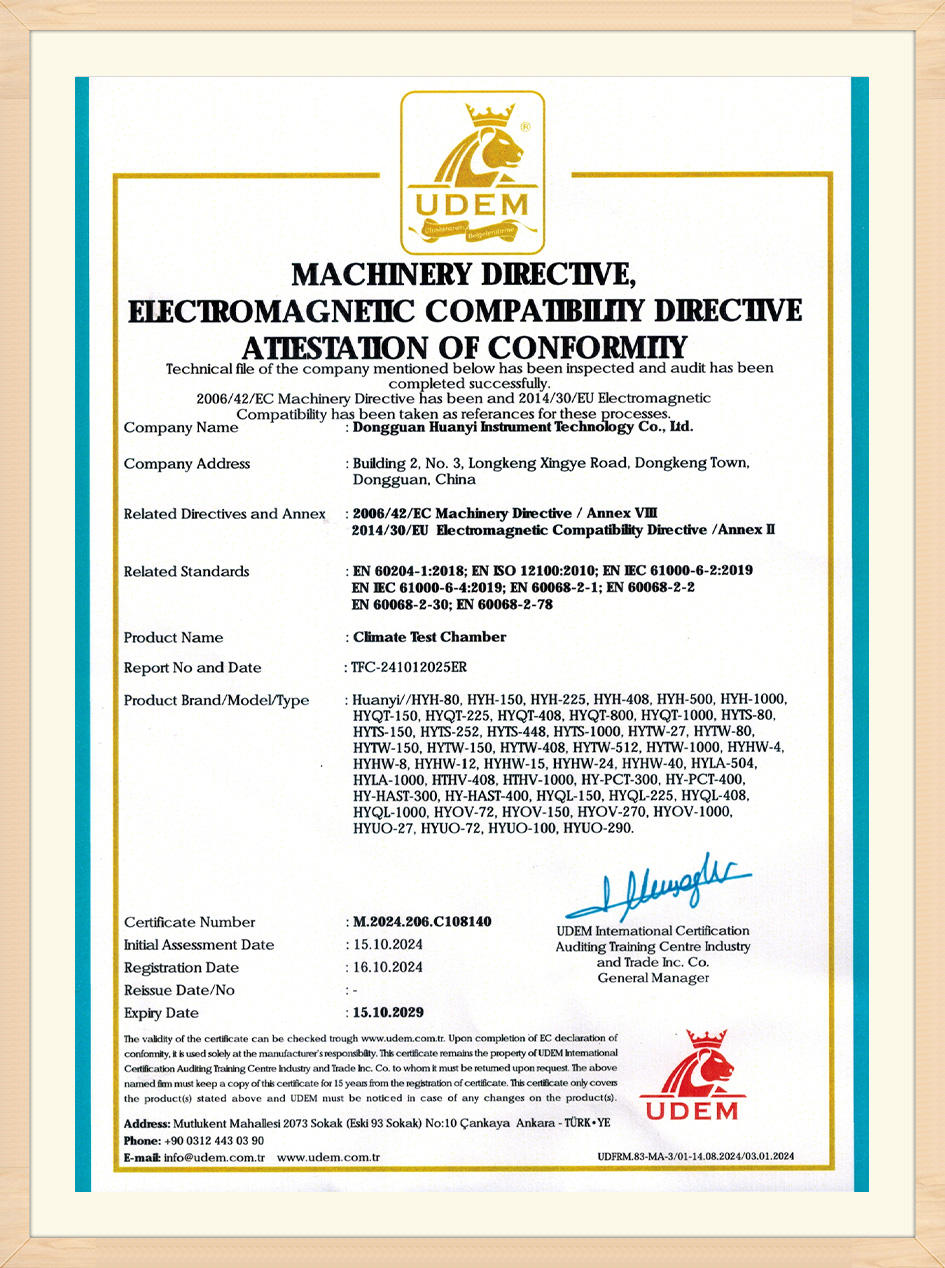
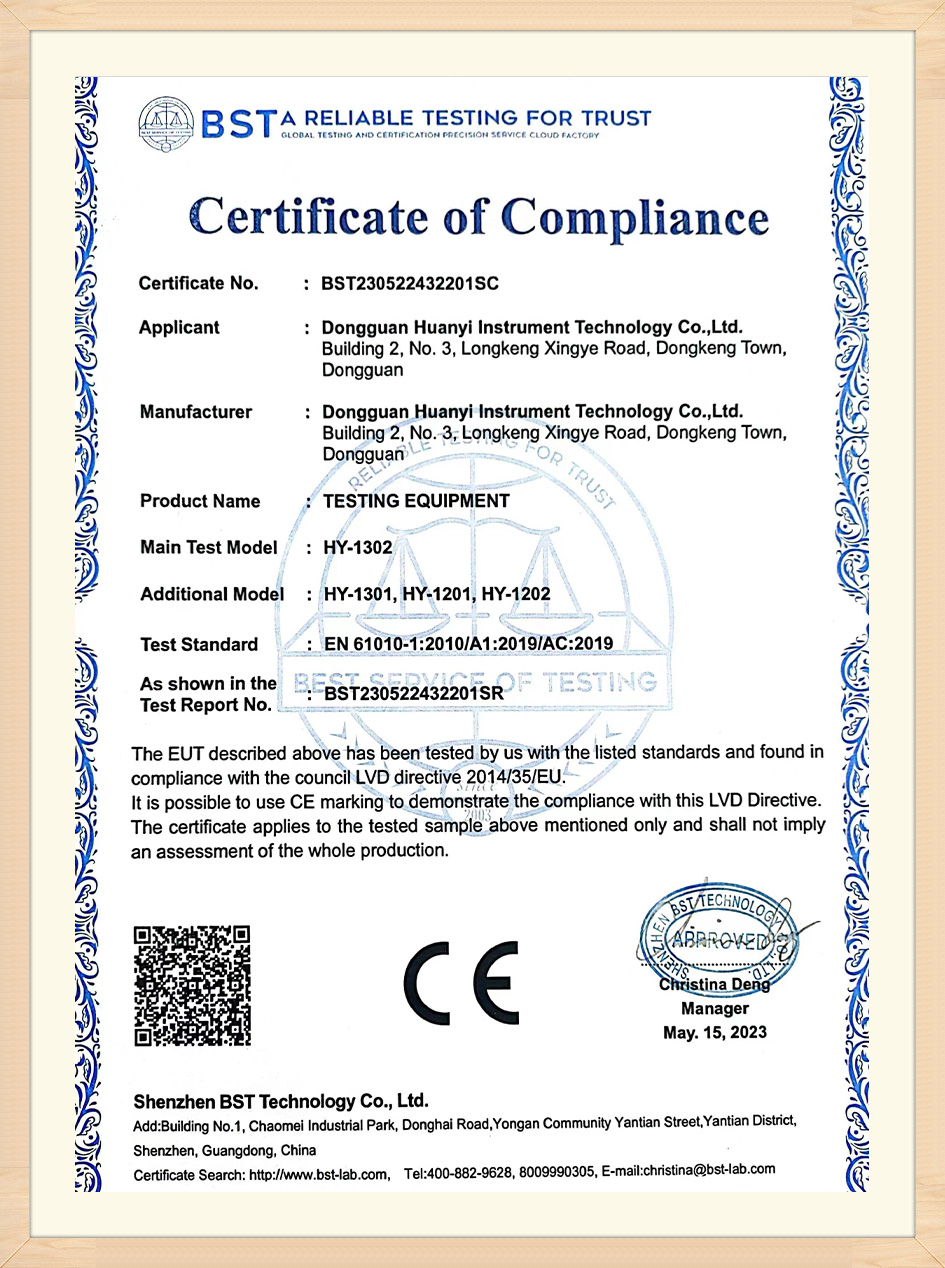
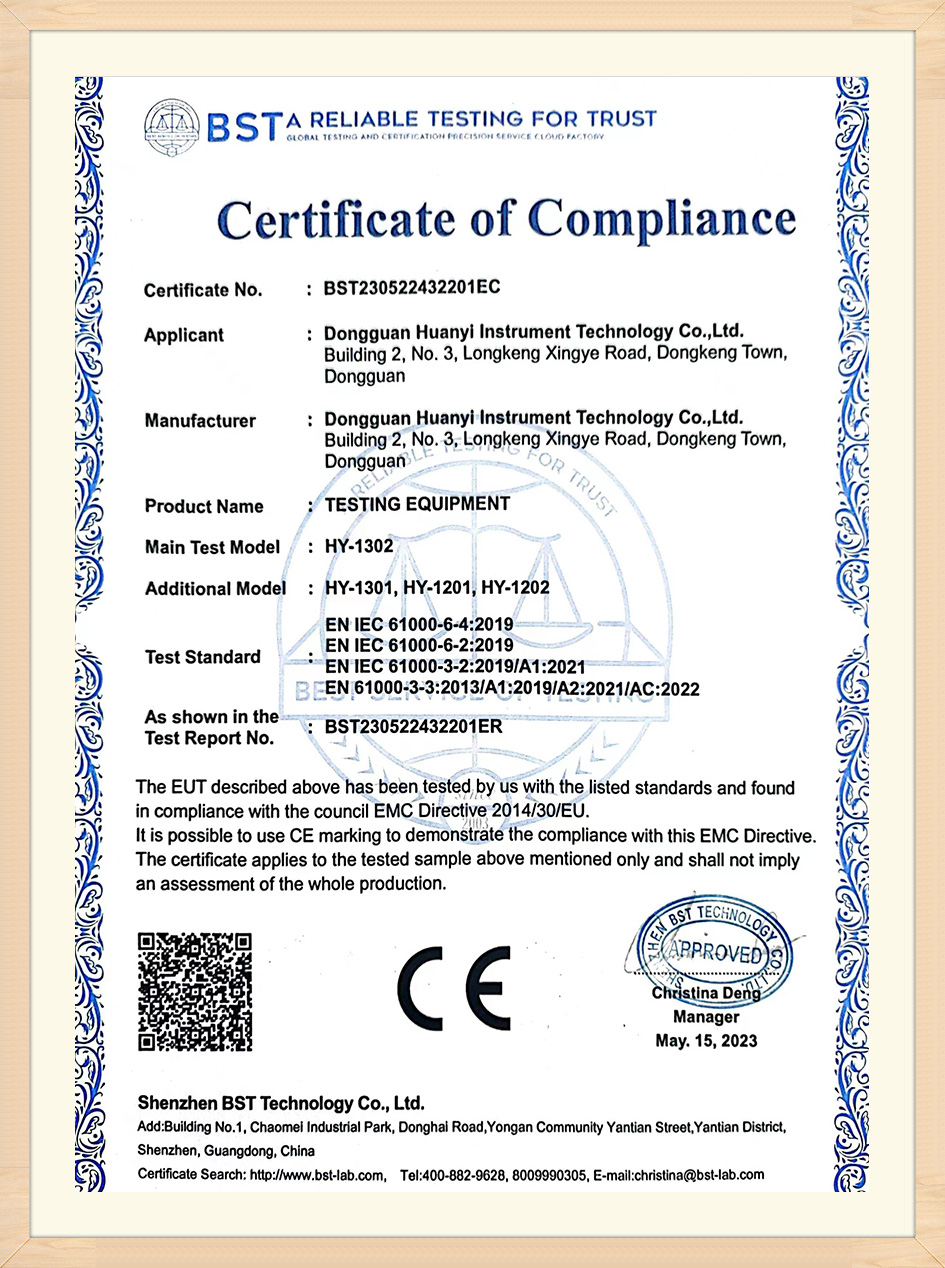
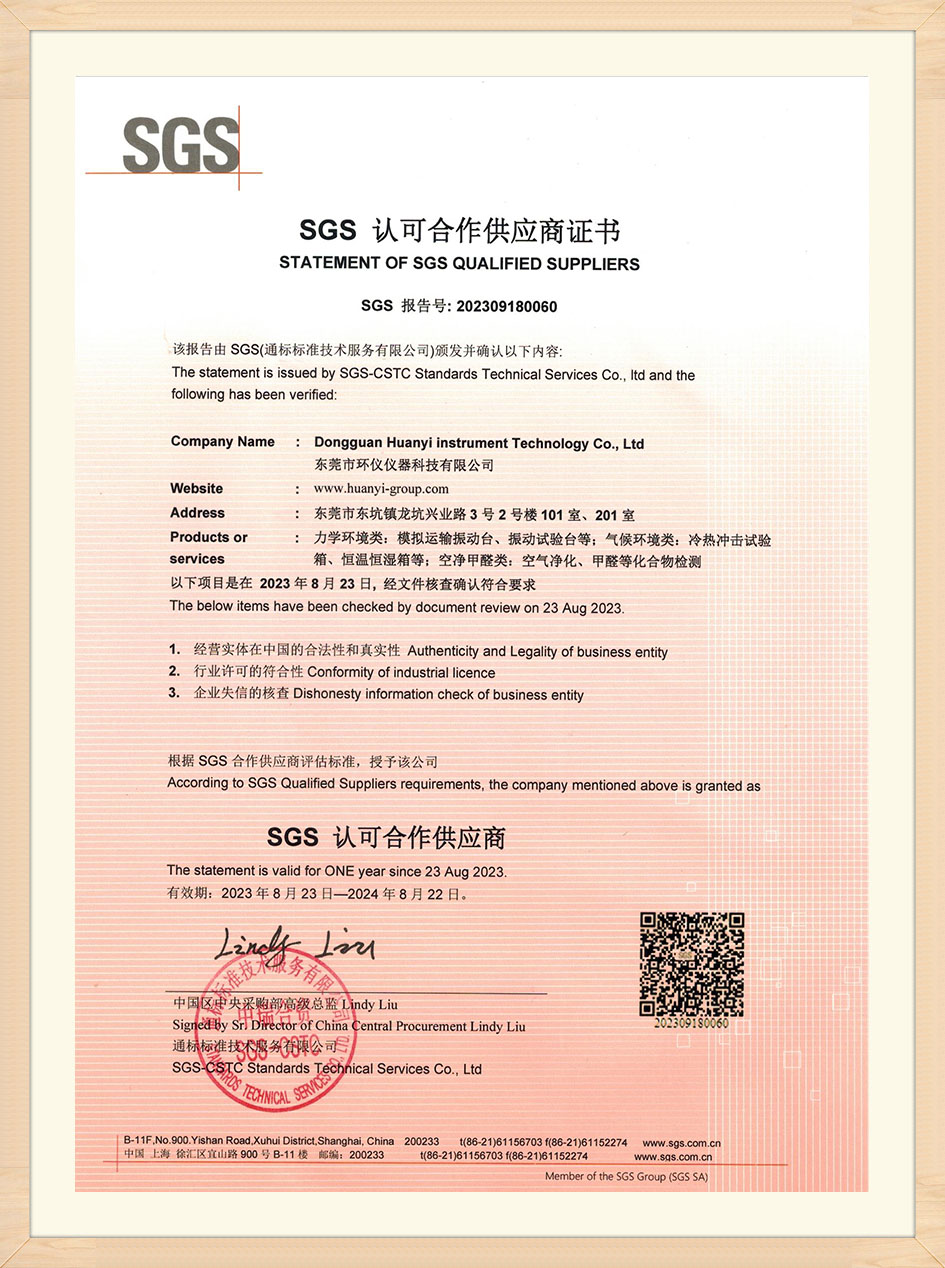
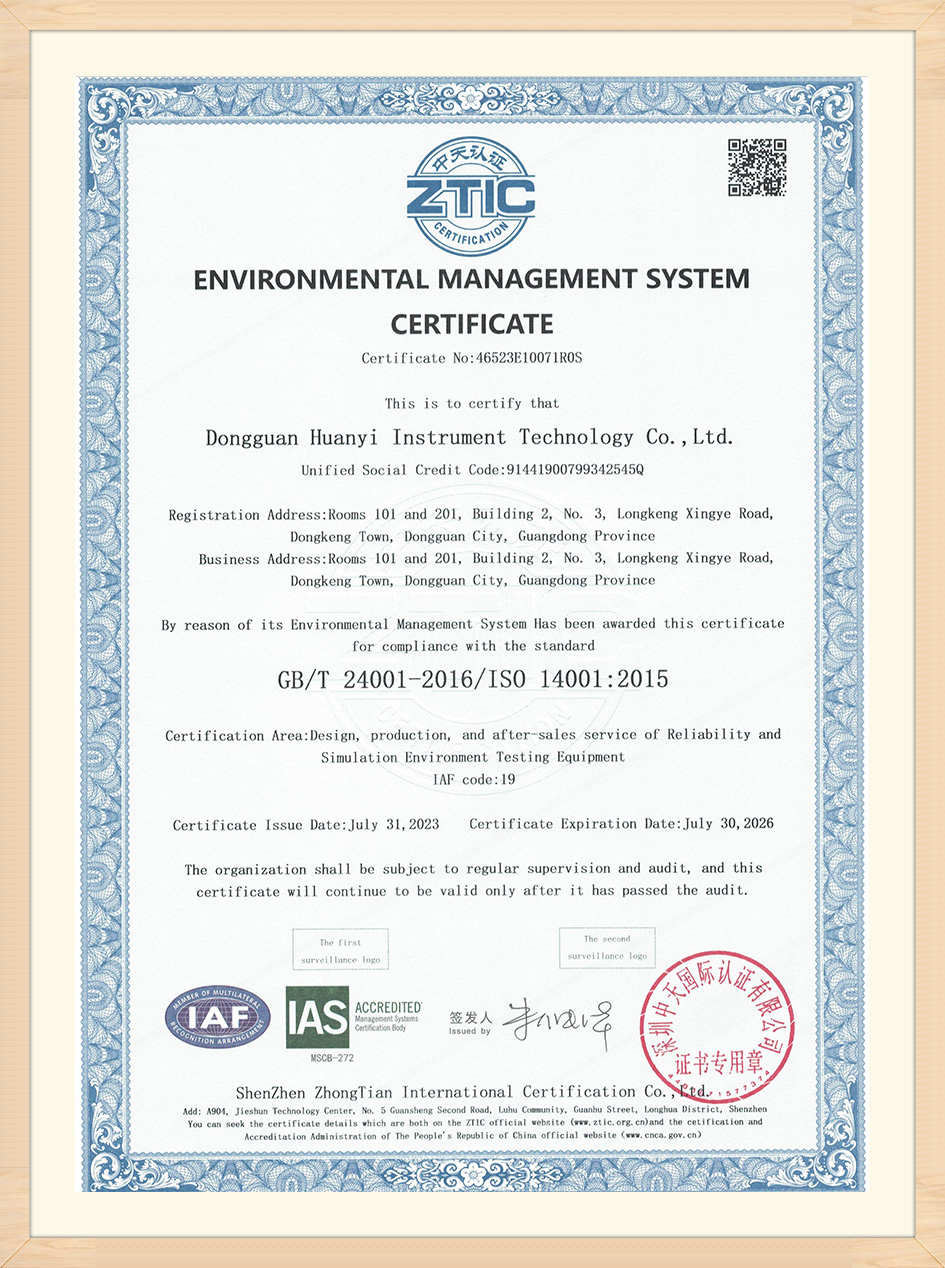
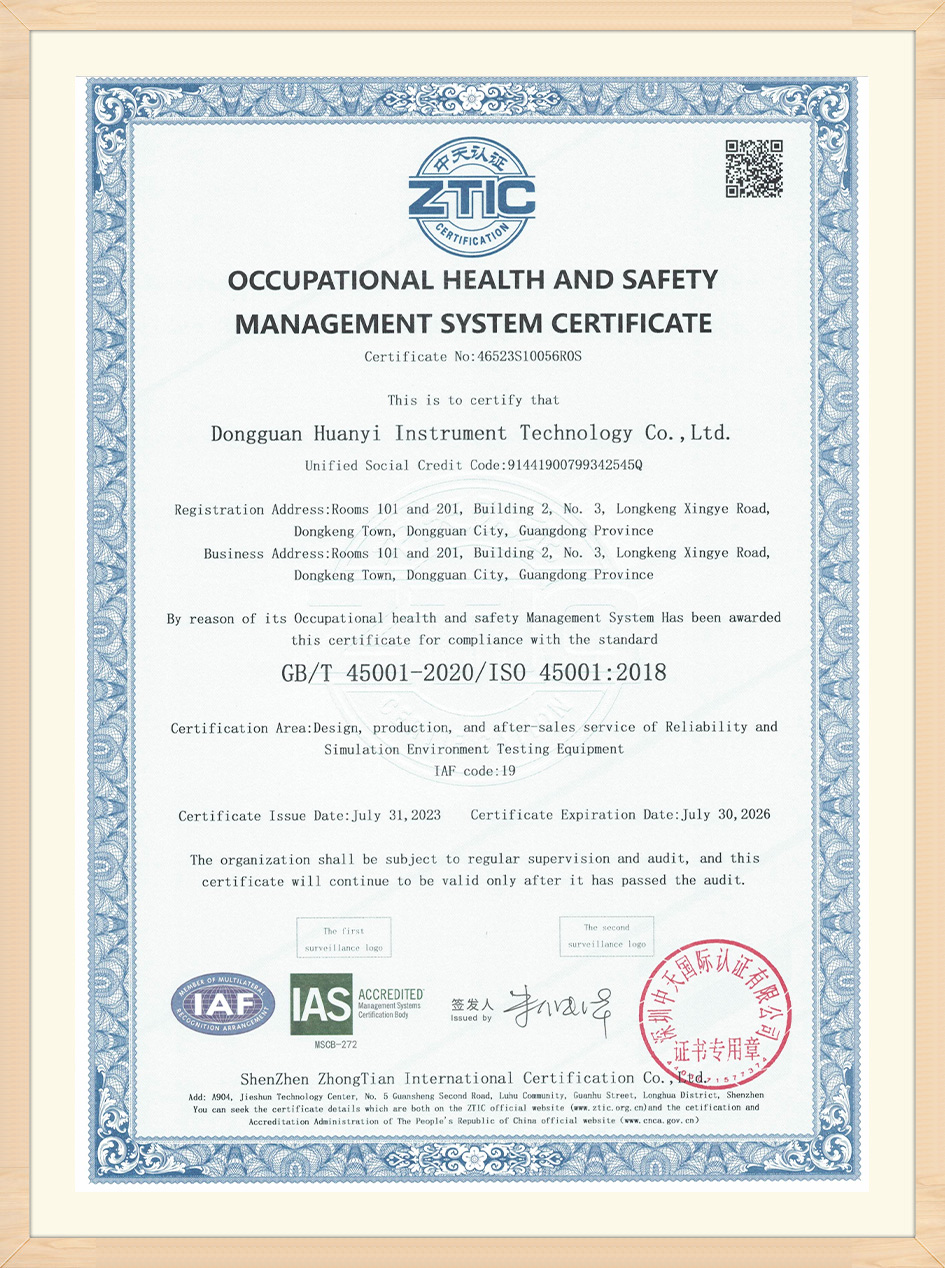
Our manufacturing capabilities and operations are verified by international certifications, reflecting our commitment to reliable performance.
Answers to common technical questions regarding system installation, operation, and selection.
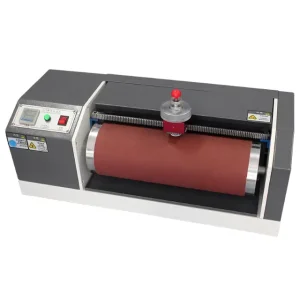
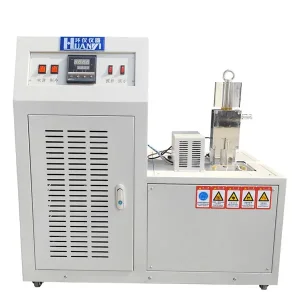
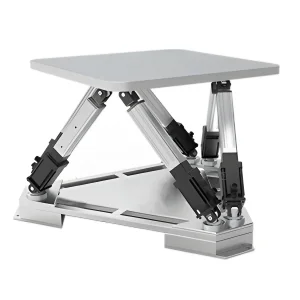
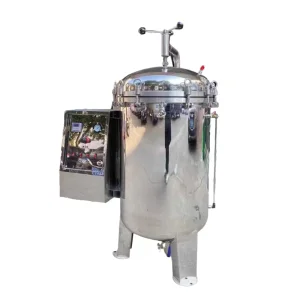
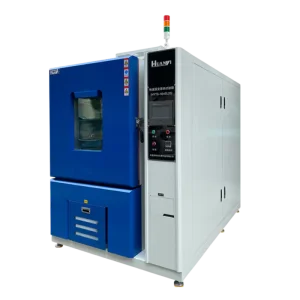
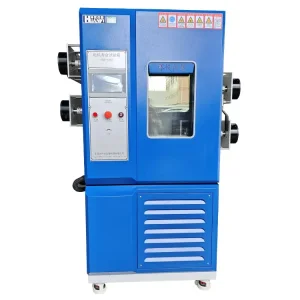
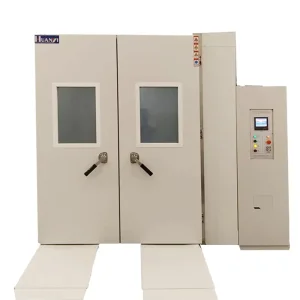
Our broader product selection includes environmental testing chambers, dynamic simulators, and mechanical durability testers.
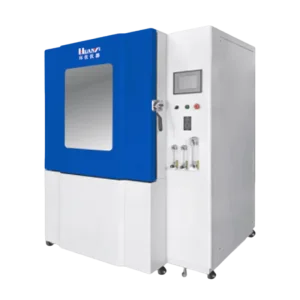
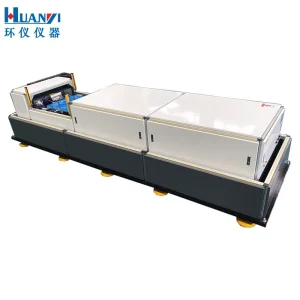
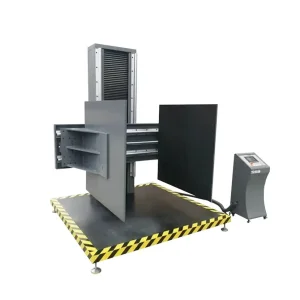
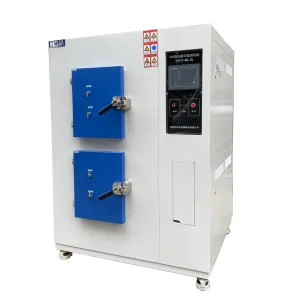
Have custom testing requirements? Contact our engineering team for technical layouts.
Contact Our Global Engineering Center Huanyi