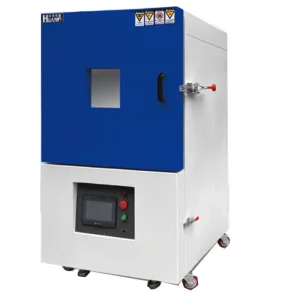
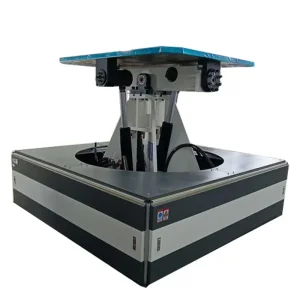
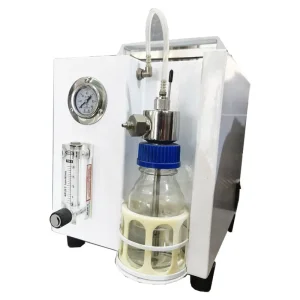
OEM Dust Test Chambers Manufacturers & Supplier

Precision Ingress Protection Testing & Environmental Simulation Systems Built for Global Industry Standards

Request a Technical Consultation
Industry Analysis

Understanding Global Ingress Protection (IP) & Dust Testing Requirements

Dust and particulate ingress represent primary failure vectors for electronics, automotive systems, defense equipment, and outdoor industrial installations. The demand for reliable dust testing is driven by micro-miniaturization of components and the expansion of electronics into harsh operating environments.

As standard environmental stresses compound over a product's lifecycle, simulating exposure to micro-particulates is essential to ensure physical reliability, signal integrity, and functional longevity. Industrial chambers must precisely control talcum powder concentration, airflow velocity, pressure differentials, and relative humidity to yield repeatable test data in accordance with global protocols.

"Without strict empirical verification of ingress barriers, physical components operating in arid or industrially polluted regions are susceptible to premature dielectric breakdown and mechanical jamming."

Standard Reference Metrics

IP5X and IP6X protocols demand different pressure controls and dust densities.

  • IEC 60529 Dust & Water Ingress
  • ISO 20653 Road Vehicles IP Specs
  • MIL-STD-810H Method 510.7 Sand/Dust
  • SAE J575 Lighting Devices Dust

System Specifications

Standard operating boundaries for high-precision OEM systems.

  • Talcum Concentration 2 kg/m³ to 4 kg/m³
  • Airflow Velocity ≤ 2.0 m/s (Adjustable)
  • Chamber Vacuum -2 kPa (Differential)
  • Vibration Cycle 0 - 99h 59m (Programmable)
2,500+
Global Customers Served
16+
Years Engineering Experience
6,022㎡
Factory Floor Space
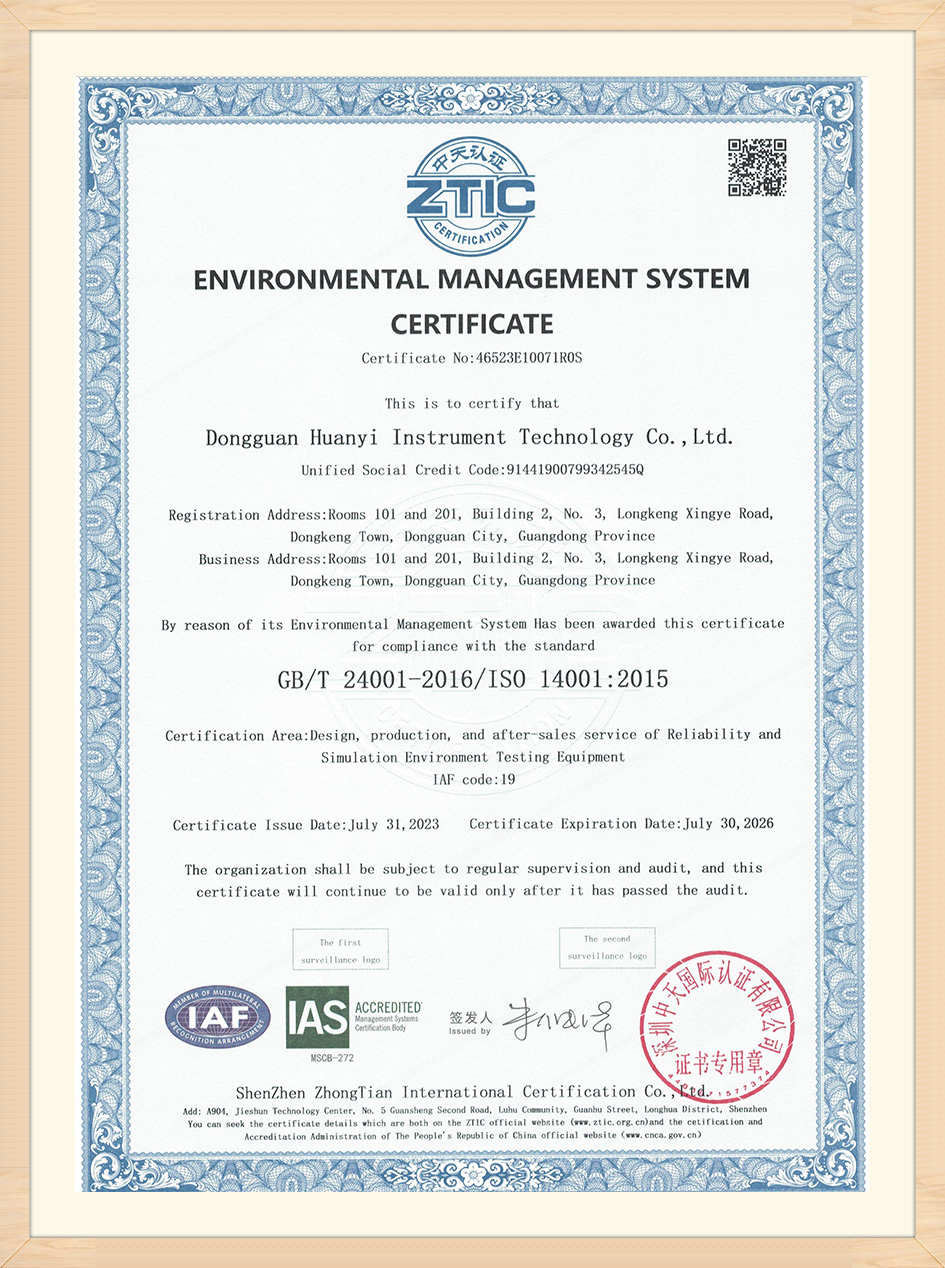
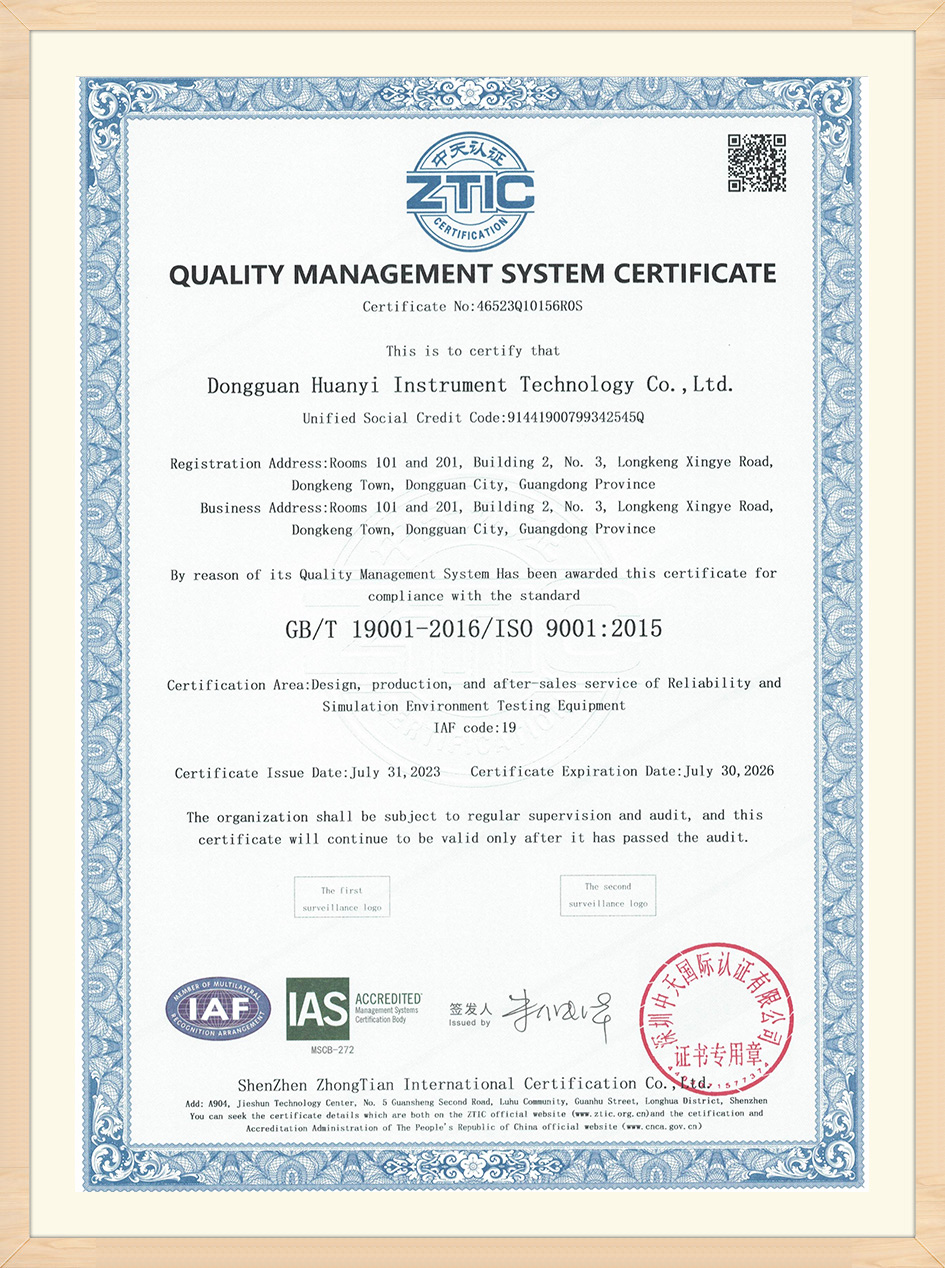
ISO9001
Certified Quality Operations
Whitepaper Excerpt

Technological Blueprint of Industrial Dust Ingress Testing

Environmental testing protocols require high reliability and precise reproduction of real-world environmental factors. Standard dust chambers utilize specific test media, typically dried talcum powder graded through a wire mesh screen with a nominal wire diameter of 50 μm and a mesh aperture size of 75 μm. During testing, the powder must remain dry and suspended uniformly throughout the chamber to prevent aggregation, which can skew performance metrics.

IP5X vs. IP6X: Distinct Physical Testing Standards

Ingress Protection (IP) ratings classified under IEC 60529 distinguish between "dust-protected" (IP5X) and "dust-tight" (IP6X) criteria:

  • IP5X (Dust-Protected): Ingress of dust is not totally prevented. However, dust must not enter in an amount sufficient to interfere with the satisfactory operation of the equipment or impair safety. An underpressure (vacuum) system is applied to the test enclosure using a differential pressure controller to simulate internal cooling loops drawing air from the outside.
  • IP6X (Dust-Tight): No ingress of dust is permissible. The enclosure is placed under continuous low pressure inside the chamber, and a vacuum pump extracts air through a port. If the extraction rate is 80 times the volume of the enclosure per hour, the test duration is set to 2 hours. If a drawing rate of 80 volumes per hour cannot be achieved, the test continues until 80 volumes have been drawn or until 8 hours have elapsed.

Critical Subsystems for Reliable Simulation

A high-performance dust test chamber relies on several key subsystems to maintain test standard compliance:

  1. Airflow Control: Standard tests require a non-turbulent, laminar horizontal or vertical airflow profile. An integrated blower system, governed by variable frequency drives (VFD), must regulate the velocity to stay under 2 m/s to prevent centrifugal separation of the dust particles.
  2. Heating and Dehumidification: Talcum powder is highly hygroscopic. If humidity rises within the chamber, the powder clumps, leading to nozzle blockage and inconsistent distribution. The chamber's inner walls and storage hopper must be equipped with heating jackets to maintain low relative humidity (<30% RH).
  3. Electromagnetic Vibration and Recovery: A vibrating hopper ensures that settled dust is continually funneled back into the main circulation path. Dynamic feedback controls prevent the extraction pumps from clogging during long test cycles.

Our Development History

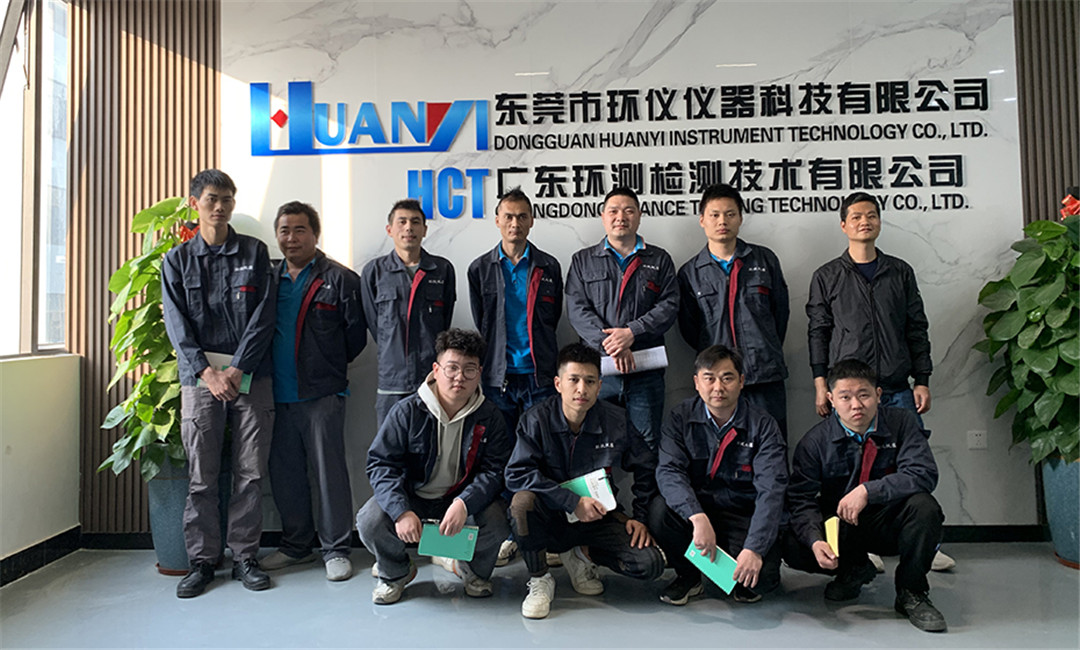
Established in 2007, Dongguan Huanyi Instruments Technology Co., Ltd. has grown from a specialized manufacturer into a high-tech enterprise participating in the drafting of national standards for environmental simulation equipment.

2007

Established Dongguan Huanyi Instrument Technology Co., Ltd., laying the foundation for advanced environmental chambers production.

2009

Established Jiangsu Office to support growing automotive and electronics clients in Eastern China.

2012 - 2015

Expanded domestic footprint with new service offices in Xi'an, Chongqing, Shanghai, and Beijing, offering direct technical support.

2016 - 2017

Inaugurated our Digital Sheet Metal Center with laser cutting machinery. Achieved ISO 9001:2015 certification for quality management.

2018

Recognized as a High-Tech Enterprise. Participated in drafting national standard protocols including GB5364 and GBT50325.

2022

Founded Guangdong Huance Testing Technology Co., Ltd. as our dedicated laboratory facility to offer accredited testing services.

Macro Industry Applications

Deploying tailored environmental test chambers across key industrial ecosystems to ensure product durability, compliance, and field performance.
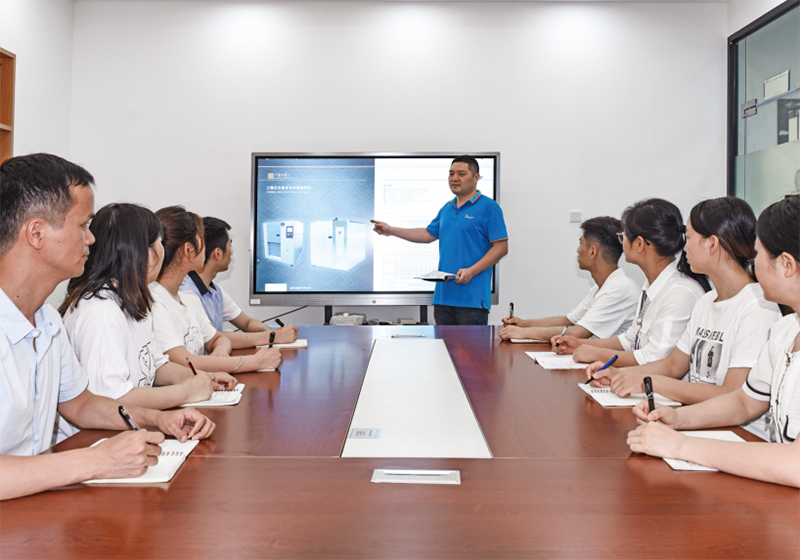
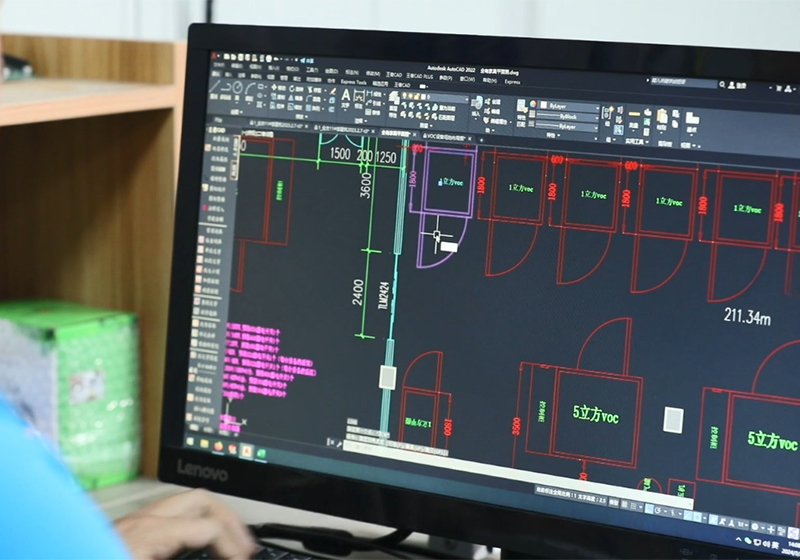
Telecom Equipment Testing

Telecom Infrastructure

Ensures 5G base stations, optical routing nodes, and outdoor enclosures maintain signal fidelity under severe sand and dust exposures.

Scientific Research Processes

Scientific & Research Laboratories

Supports material scientists and academic institutions with highly configurable environmental chambers for empirical validation.

Production Line Assembly Control

Quality Assurance & Assembly

Integrates end-of-line verification systems to safeguard components prior to packaging and global shipping.

Delivery Inspection Quality Control

Delivery Inspection Protocols

Validates outbound systems against specific target parameters, ensuring conformity with customer contracts.

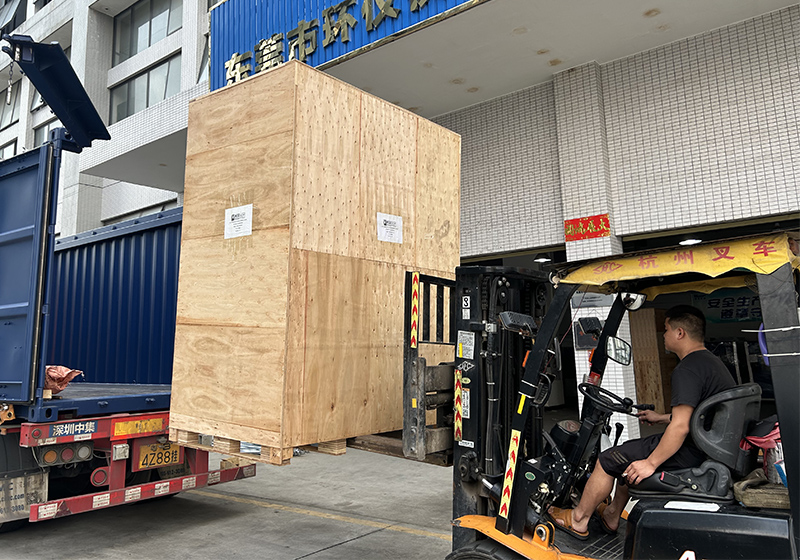
Packaging & Transportation Stress Testing

Packaging & Transport

Simulates mechanical vibration, pressure differentials, and dust exposure during intercontinental shipping configurations.

After-Sales Technical Field Service

After-Sales & Lifecycle Diagnostics

Provides root-cause analysis of field failures and offers global technical support to maintain equipment uptime.

Huanyi OEM Technical Advantages

Engineered for high performance, reliability, and international standard compliance. Why global engineering teams choose Huanyi Instruments.

01. Quality Control

We monitor quality across all stages, from raw materials and automated sheet metal cutting to final system calibration, ensuring reliable operational lifespans.

02. Professional Team

With over 20 years of experience, our R&D personnel design customized test platforms. We run an enterprise-wide ERP system to monitor production schedules and support timely delivery.

03. Factory Management

Our facility features CNC production systems, automated cutting tooling, and digital bending machinery to minimize material waste and ensure consistent tolerances.

04. Certified Sourcing

We source materials and components from verified suppliers, complying with ISO 9001 manufacturing and testing standards.
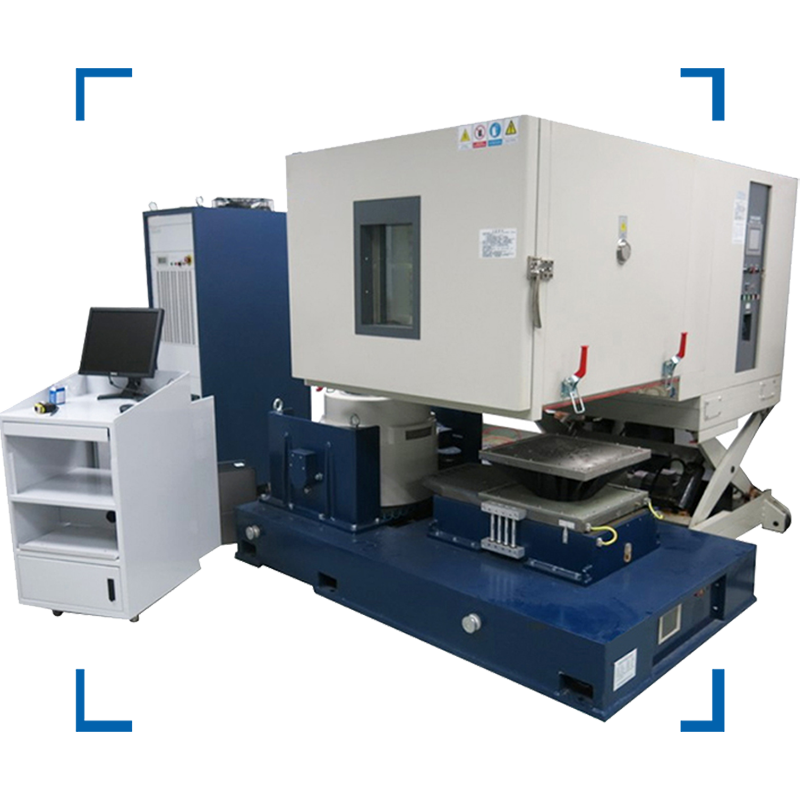
Huanyi Advantage Concept

Technical Integrity and Quality Sourcing

We build our chambers using quality critical components from recognized global manufacturers, ensuring operational reliability and service lifetime.

Our systems use SUS304 high-grade stainless steel interior plates to prevent corrosion, alongside reliable controllers, PID sensors, and safety valves. This focus on material quality supports accurate long-term testing for complex consumer products and critical defense systems.

SUS304 Stainless

Corrosion-resistant testing environment.

Smart PID Control

Maintains accurate dust temperature and airflow.

Certified Operations & Production Facilities

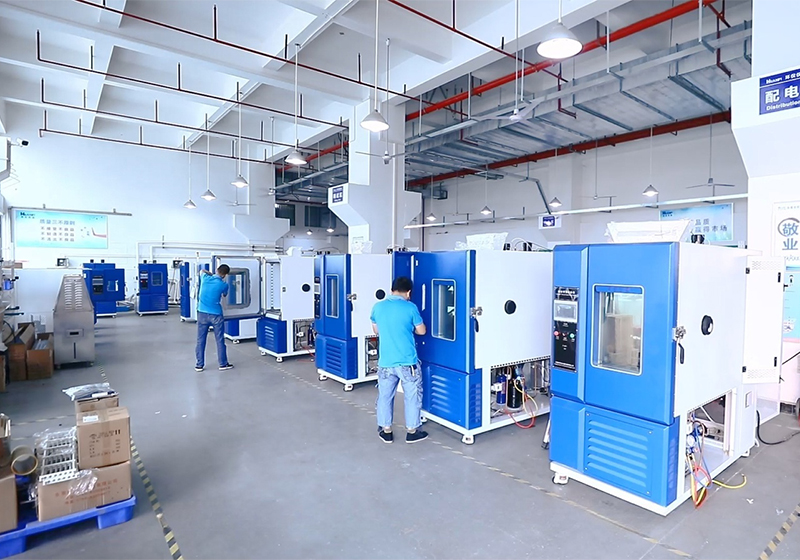
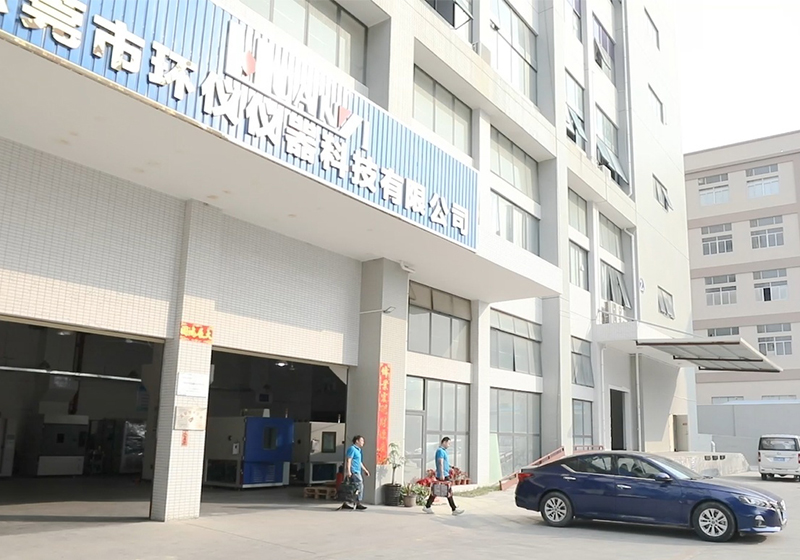
Our 6,022-square-meter facility houses advanced environmental simulation systems and digital metal processing lines, operating under clean, standardized production guidelines.
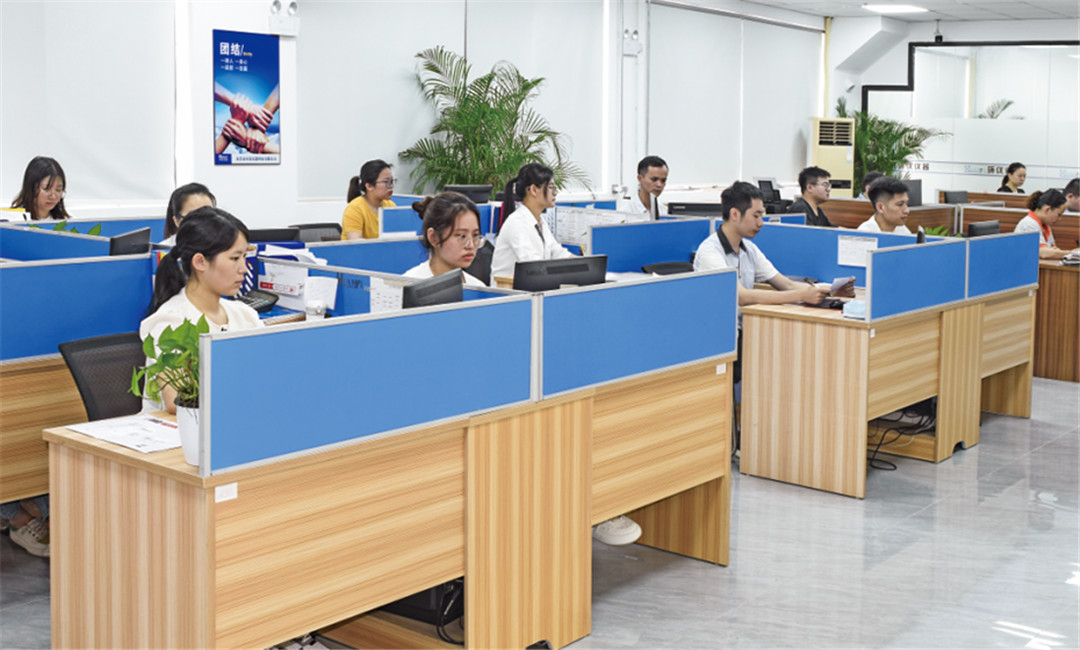
Office Sales Team
Office Sales Team
Finished Product Display Library
Finished Product Inventory
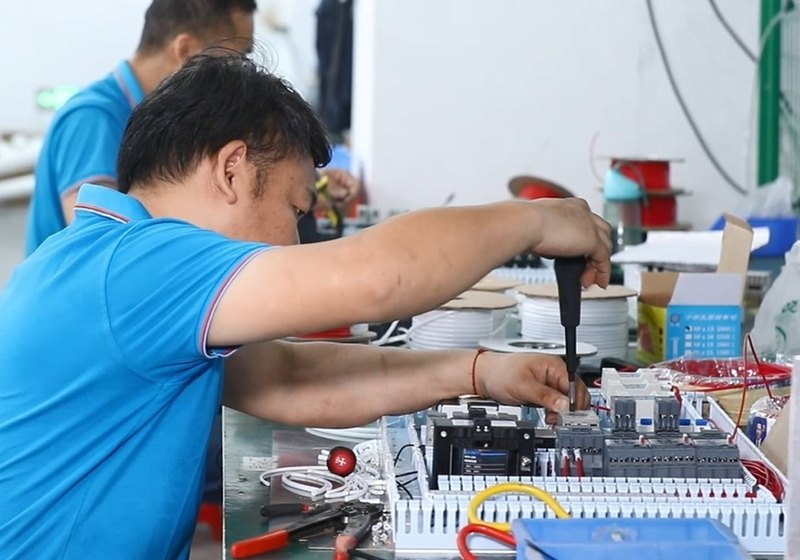
Finished Product Assembly
Finished Product Display Library
Finished Product Inspection
Quality Verification Library
Exhibition Hall
Global Trade Exhibition
Production Department and After-Sales Team
Production & After-Sales Support

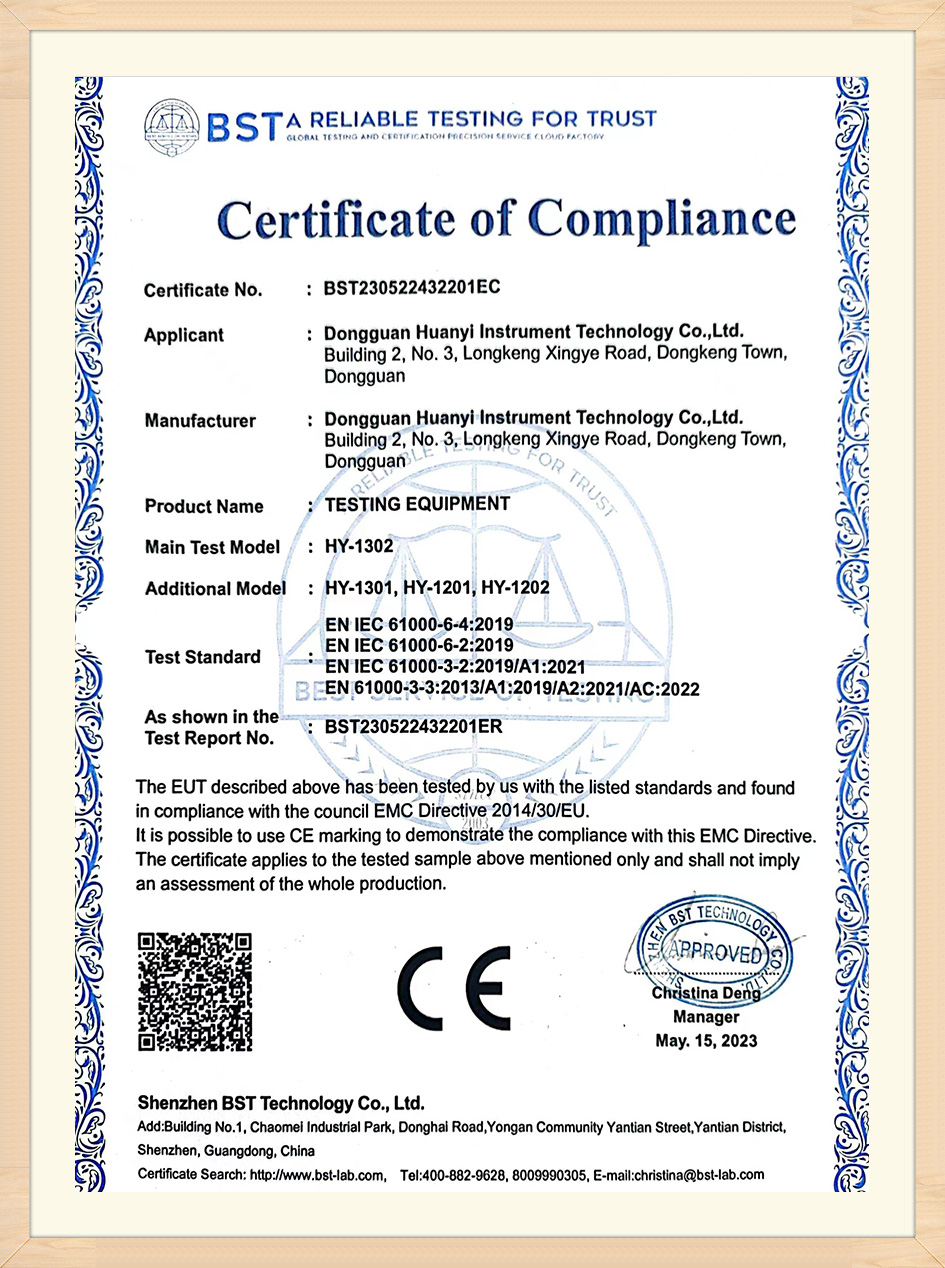
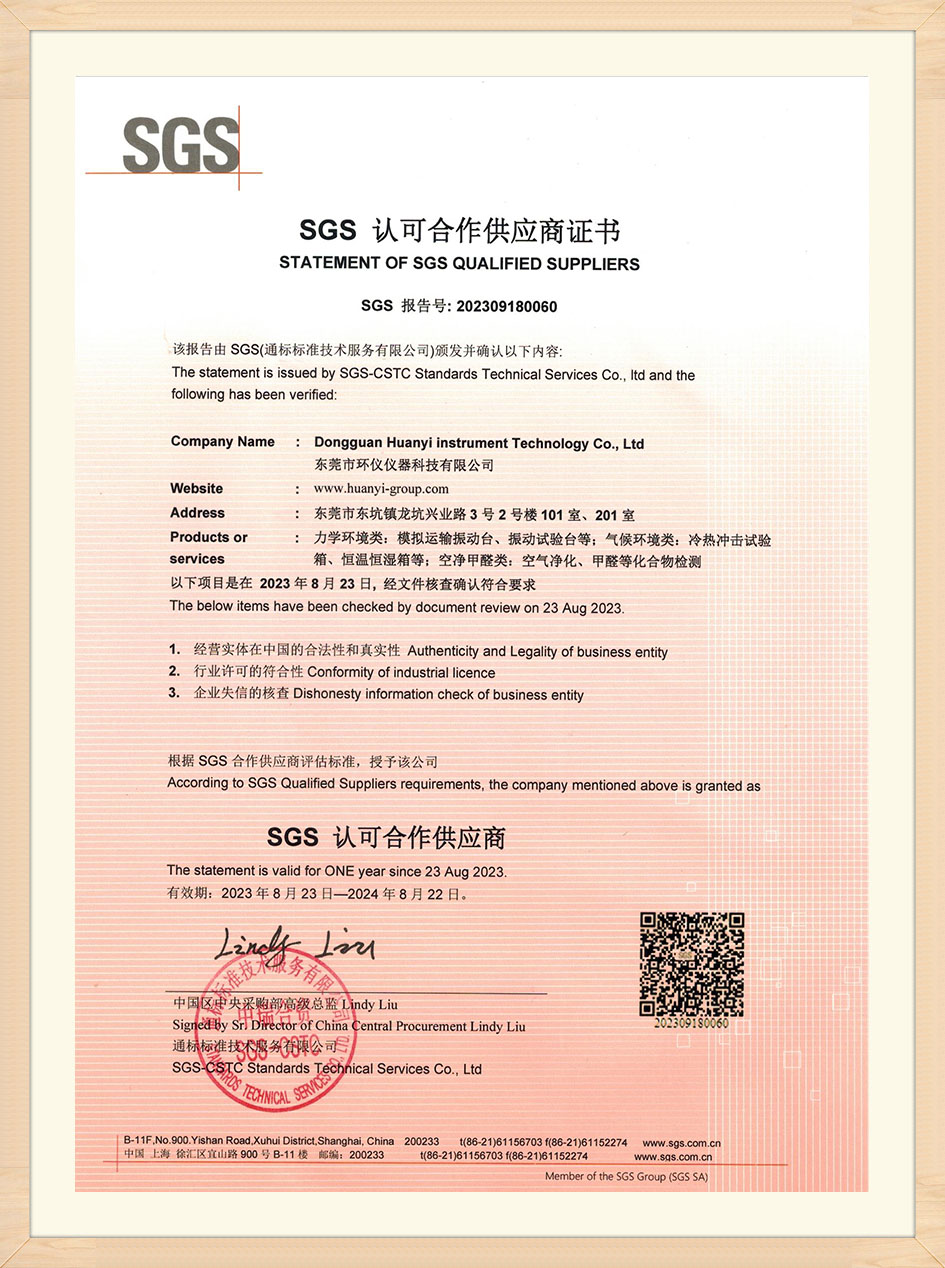
Quality Certifications

Certification 1
Certification 2
Certification 3
Certification 4
Certification 5
Technology Evolution

Environmental Testing Technology Roadmap

Industrial testing demands are shifting from passive stress testing toward predictive modeling and multi-environment simulation. The introduction of smart components, automotive lidar sensors, and high-capacity battery packs has created new ingress validation challenges.

Our R&D path focuses on integrating environmental testing controls with digital analytics platforms. Next-generation systems will feature continuous dust concentration measurement, real-world sandstorm simulation, and dynamic vacuum pressure controls that adjust based on device temperature profiles.

These advances will enable engineering teams to run accelerated aging profiles that combine dust ingress, ozone exposure, and temperature cycling in a single automated test run.

Key Development Phases

Phase 1: Real-time Particulate Measurement

Integrating laser diffraction sensors to measure suspended dust concentration in real time during the testing cycle.

Phase 2: Combined Stress Profiling

Combining dust, temperature, and dynamic vibration to simulate complex environmental stress profiles on single components.

Phase 3: Digital Twin Integration

Connecting physical chamber parameters to simulated reliability models, helping engineering teams identify failure points sooner.

Ingress Protection & Dust Testing FAQ

Expert insights regarding IP dust test chamber operations, standard compliance, calibration practices, and equipment selection.

What is the fundamental difference between IP5X and IP6X testing protocols?
The difference lies in the allowable ingress level and vacuum duration. IP5X represents "dust-protected" testing, where some particulate ingress is acceptable if it does not interfere with the safe operation of the component. IP6X represents "dust-tight" testing, which permits zero ingress. Under IP6X, the device is typically subjected to a continuous vacuum draw of up to 2 kPa for a duration of 2 to 8 hours to verify the physical seal under differential pressure.
Why is talcum powder specified as the standard test medium in IEC 60529?
Talcum powder is chosen for its consistent, small particle size distribution (typically passing through a 75 μm mesh filter). This fine size profile effectively simulates microscopic dust particles found in dry environments. Using standard talcum powder helps ensure consistent, repeatable testing results across different laboratories and testing systems.
How does the chamber maintain dry conditions for the talcum powder?
Talcum powder is highly sensitive to moisture, which can lead to clumping and uneven dispersion. To prevent this, our dust test chambers feature integrated heater jackets within the funnel walls. These heaters dry the test medium and maintain relative humidity levels below 30% throughout the testing cycle.
What are the typical maintenance requirements for a dust test chamber?
Regular maintenance is necessary for consistent testing performance. Tasks include replacing the talcum powder after approximately 20 runs to prevent particle degradation, cleaning the internal mesh screen, checking the pressure lines and vacuum filters, and calibrating the airflow sensors and differential pressure gauges once a year.
Can these chambers be customized for MIL-STD-810H sand and dust testing?
Yes. MIL-STD-810H Method 510.7 testing requires different parameters than IEC 60529, including larger sand particles, high wind speeds (up to 29 m/s), and high temperature profiles. We offer customized OEM configurations with reinforced walls and high-velocity blower systems designed to meet these military specifications.