Precision Engineering for Global Research Standards
Understanding Value, Technology, and Global Supply Chain Shifts
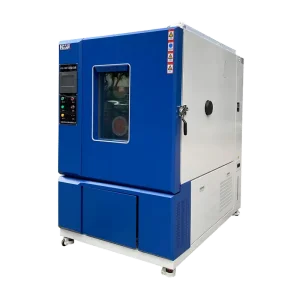
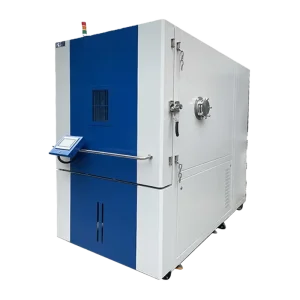
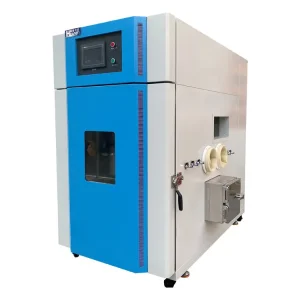
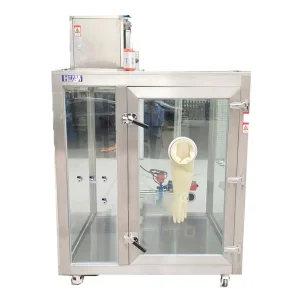
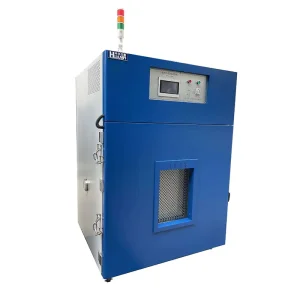
In the current global industrial landscape, the term "Custom Laboratory Hot Air Oven Price" has evolved from a simple procurement figure to a strategic investment metric. Modern laboratories in sectors like semiconductor manufacturing, aerospace, and pharmaceuticals no longer view drying and aging ovens as static boxes. Instead, they are high-precision instruments that directly impact R&D cycle times and product reliability.
Historically, pricing was determined by volume and temperature range. Today, the Information Gain in pricing involves looking at Total Cost of Ownership (TCO). This includes energy consumption efficiency, software integration capabilities for digital twins, and compliance with international standards like ASTM, ISO, and GB/T. Suppliers are now transitioning into "Solution Providers," where customization is the baseline rather than the exception.
Global procurement demands have shifted towards sustainability and connectivity. In the United States and Europe, labs are prioritizing ovens with low-emission profiles and advanced PID control systems that minimize energy spikes. Meanwhile, the Southeast Asian market is seeing a surge in demand for robust systems capable of operating in high-ambient humidity environments without compromising internal temperature uniformity.
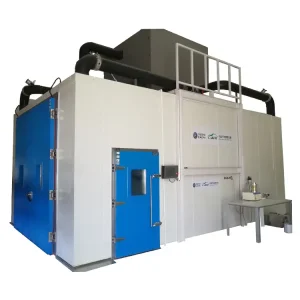
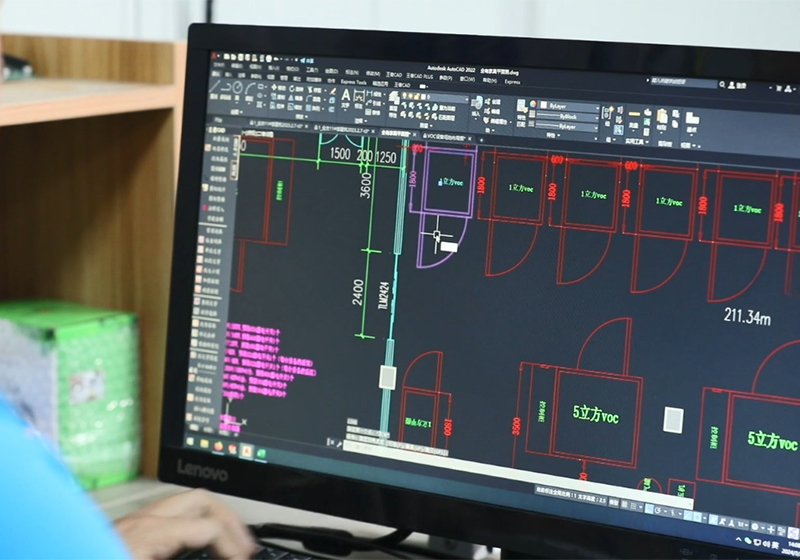
As a leading Laboratory Hot Air Oven Factory, Dongguan Huanyi Instruments Technology Co., Ltd. exemplifies the China 4.0 transition. By integrating ERP (Enterprise Resource Planning) systems with automated digital sheet metal centers and laser cutting technologies, we have bridged the gap between "Mass Production" and "Bespoke Customization."
Supply chain resilience is no longer just about having stock; it is about the agility to source internationally renowned brand components (like Schneider electronics or Bitzer compressors) while maintaining localized production efficiency. This hybrid model allows us to offer competitive Custom Hot Air Oven Prices without sacrificing the technical sophistication required for national standard drafting.
Advanced algorithmic PID controllers ensure temperature fluctuations are kept within ±0.5°C, critical for pharmaceutical stability testing.
Utilizing high-grade SUS304 stainless steel and laser-welding processes to prevent thermal bridge loss and ensure long-term durability.
Seamless data logging and RS485/Ethernet connectivity for remote monitoring and compliance reporting in regulated industries.
Integrating R&D, Production, and Global Service Since 2007
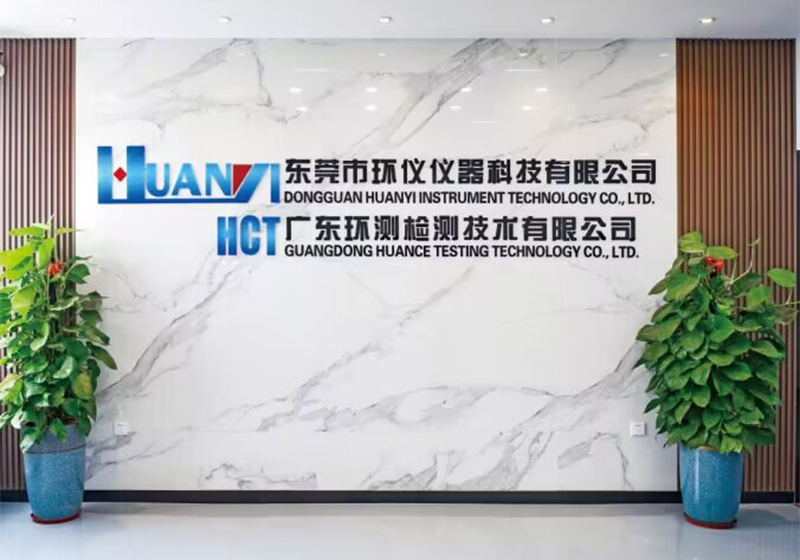
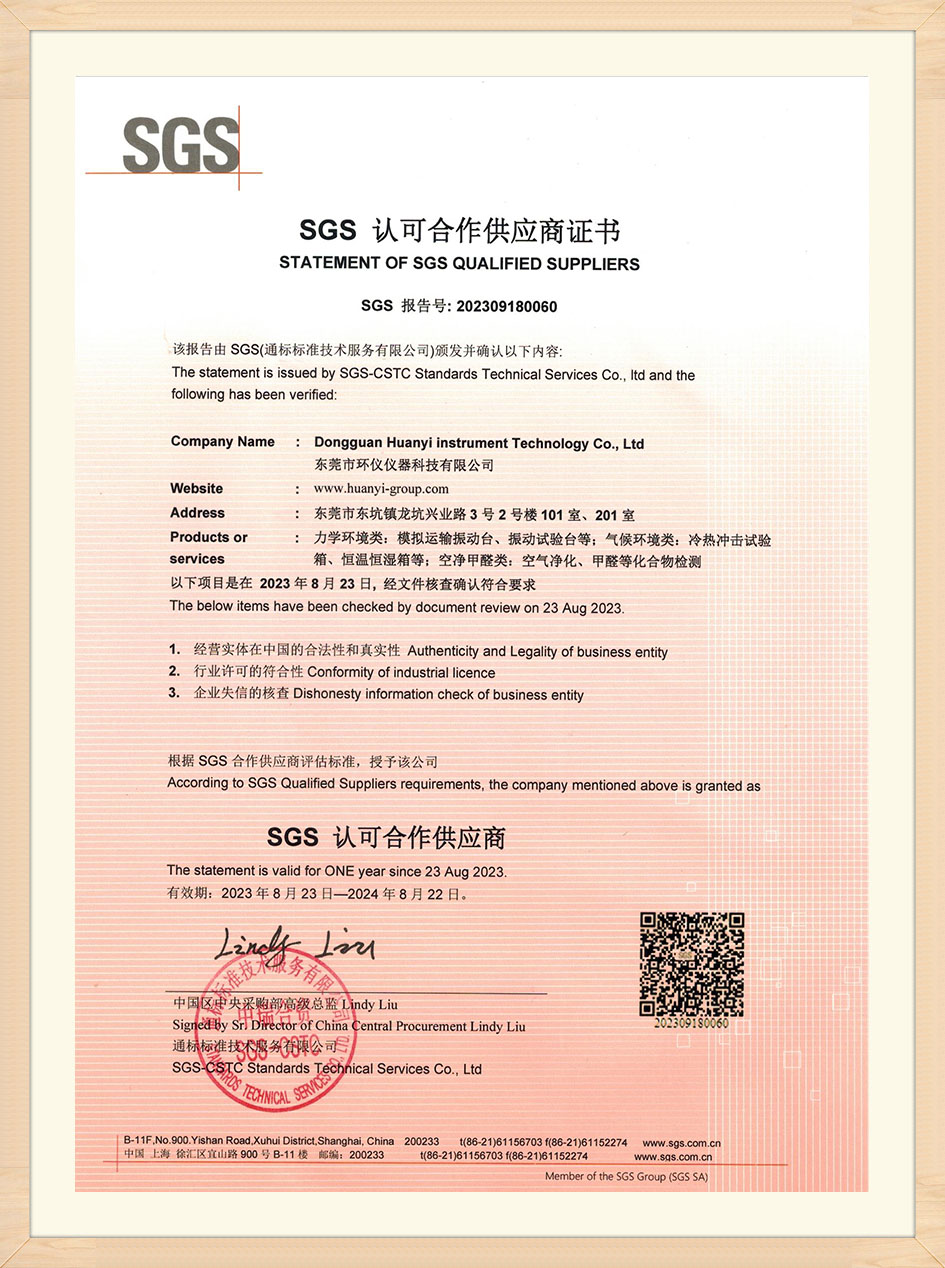
Dongguan Huanyi Instruments Technology Co., Ltd. was established on March 20, 2007, covering an area of 6,022 square meters. It is a high-tech enterprise integrating R&D, production, sales and after-sales service. It participated in the drafting of national standards and industry standards for environmental simulation test equipment.
Our philosophy is "customer-centric, quality-guaranteed, honesty-based, and innovation-oriented". Through unremitting efforts, Huanyi has cultivated a high-quality team with rich production, R&D and management experience.
High Quality Control from every aspect of raw material, production, installation, and commission.
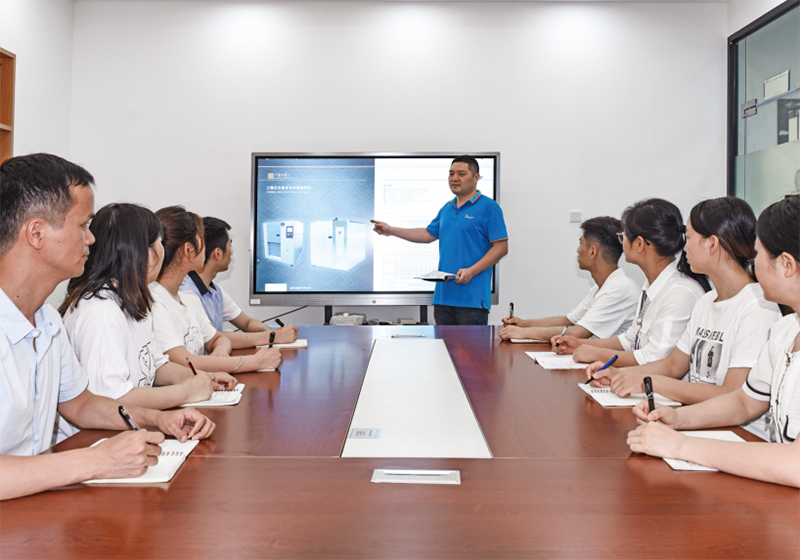
With more than 20 years of experience, we have professional production and R&D personnel. Huanyi uses an ERP system to ensure timely delivery.
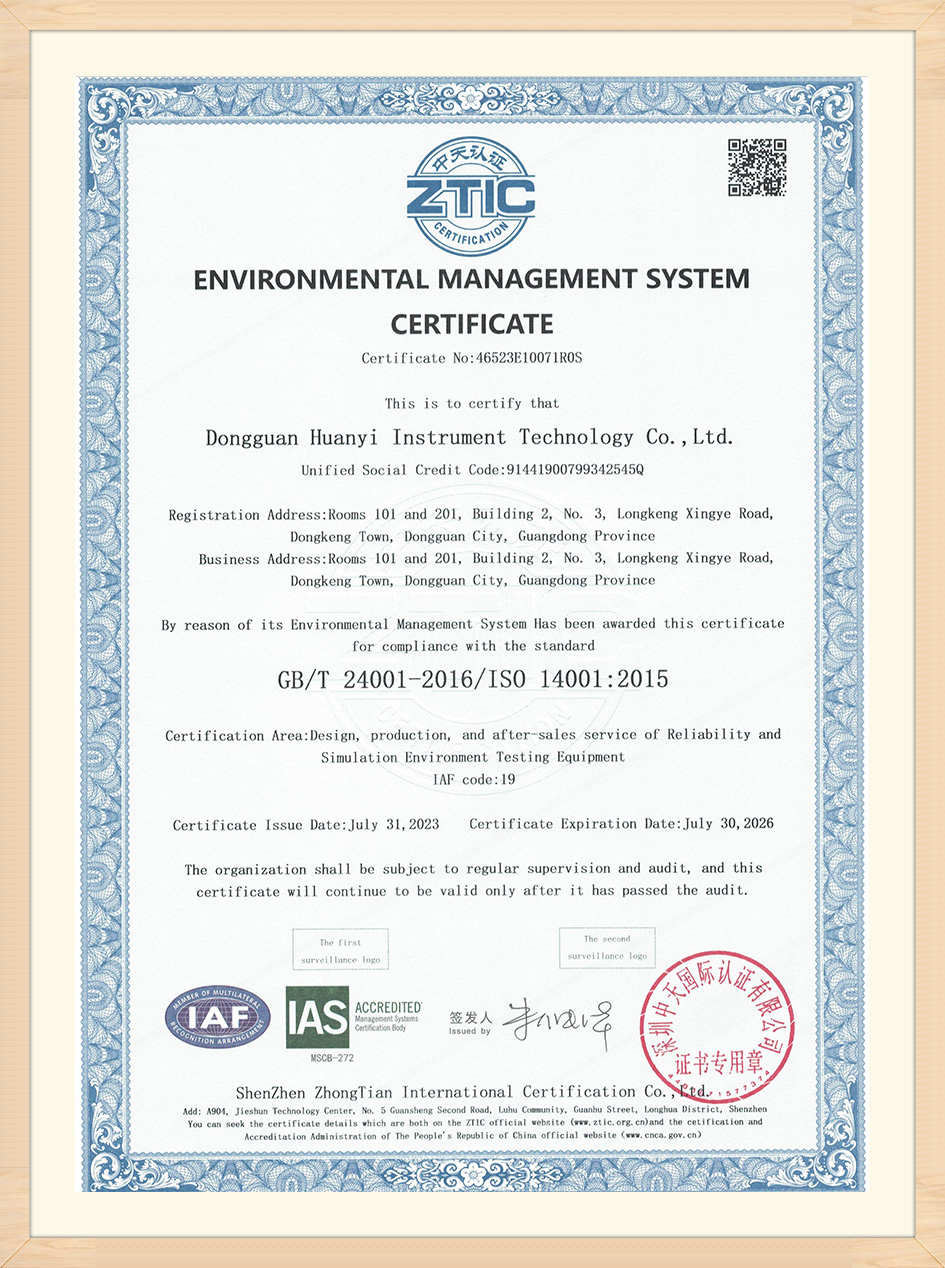
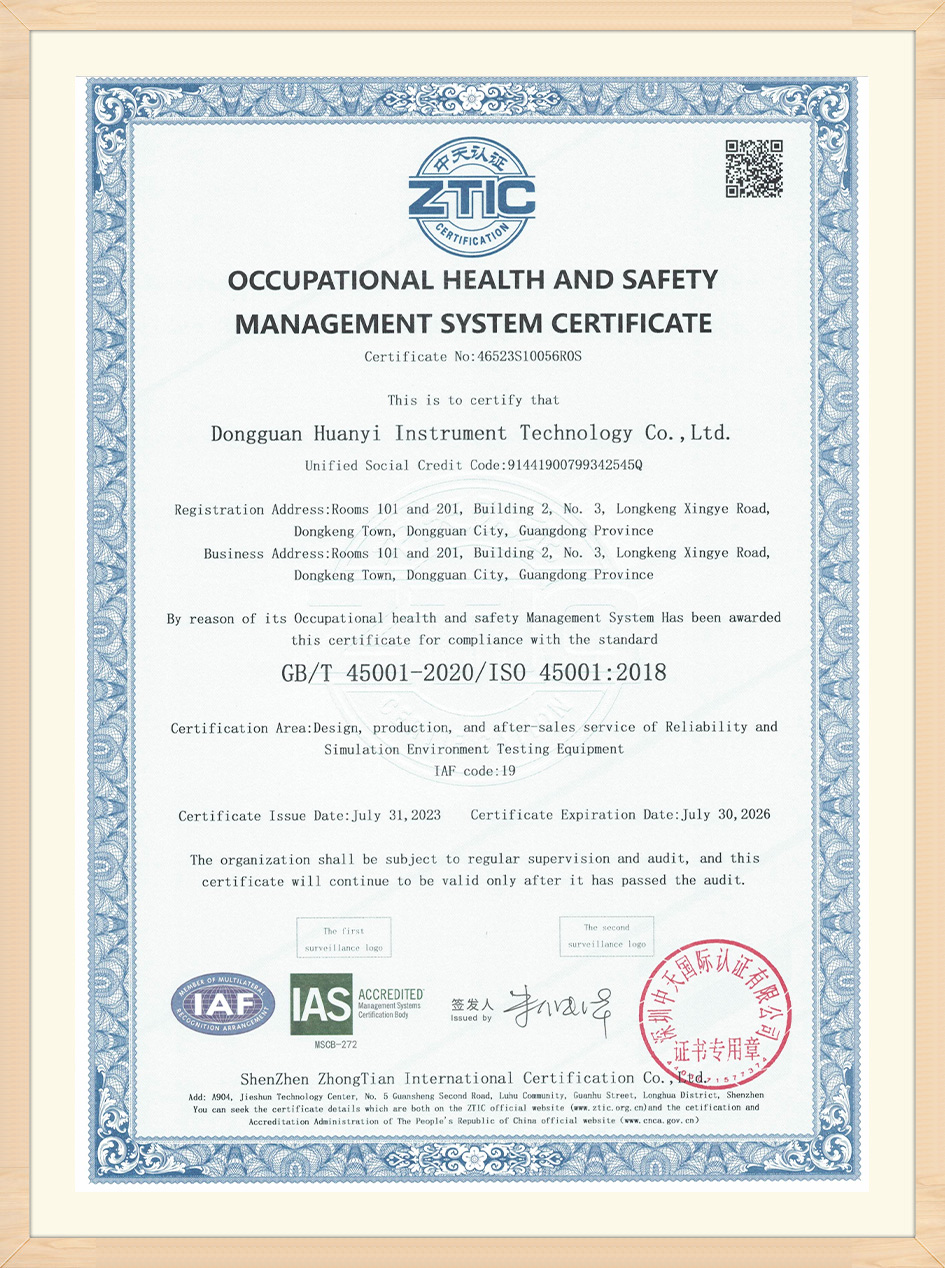
Modern equipment including laser cutting panels, automated systems, and ISO 9001 factory manufacturing standards.
Where Precision Meets Reality
Testing 5G base station components under extreme thermal stress to ensure signal stability and hardware longevity.
Precise drying and curing of composite materials in university labs and advanced chemical research facilities.
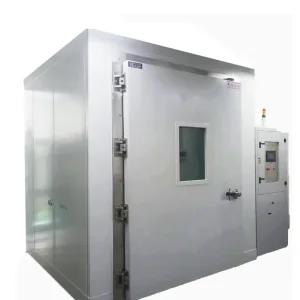
Integrating walk-in ovens into automotive assembly lines for large-scale component degassing and aging.
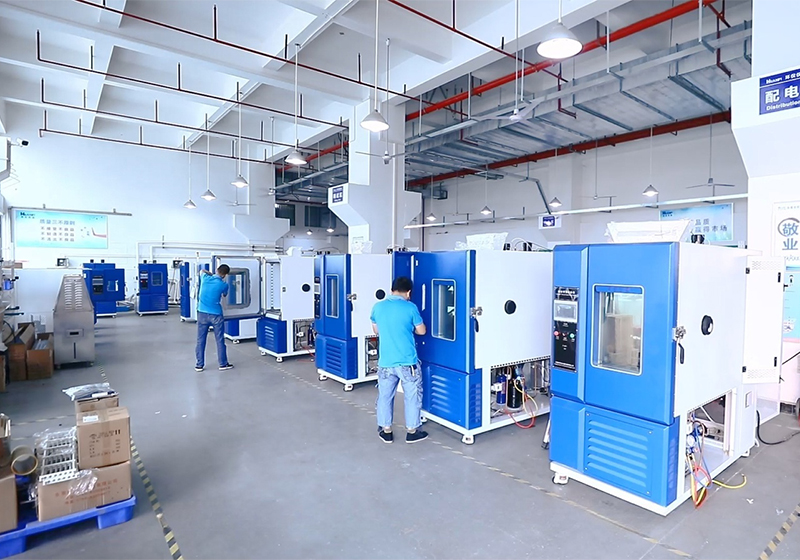
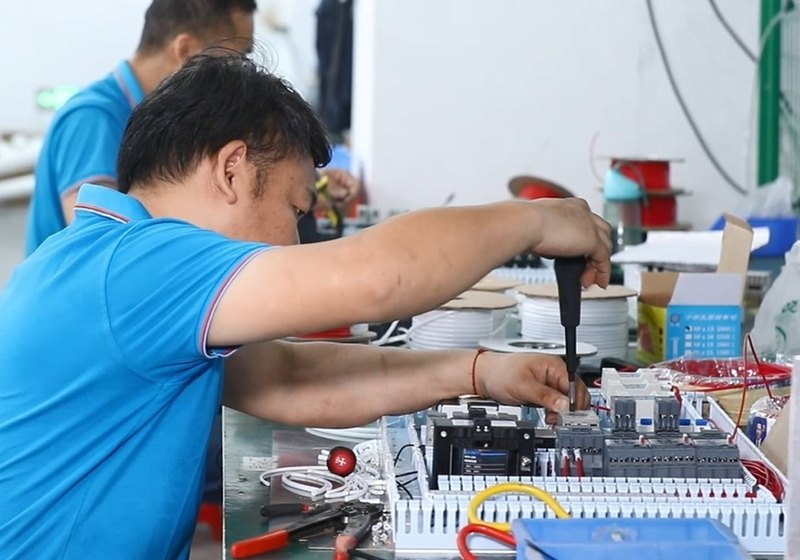
Final QC checks to ensure finished electronics meet the thermal resistance standards before global shipping.
A Legacy of Excellence in Environmental Testing
Expert Insights into Custom Laboratory Hot Air Ovens
A: The price is primarily driven by temperature range (high-temp vs ultra-high), internal volume, temperature uniformity requirements (±1°C vs ±3°C), and material grade (SUS304 vs SUS316). Additional costs arise from PLC integration, data logging, and specialized explosion-proof certifications.
A: Chinese factories like Huanyi offer superior supply chain resilience and cost-to-performance ratios. Through our Factory 4.0 infrastructure, we provide the same high-end components (Schneider, Mitsubishi) at a more competitive price point due to optimized manufacturing processes and scale.
A: Customization starts with defining the application (e.g., curing, aging, or drying). We then customize the dimensions, airflow pattern (horizontal vs vertical), shelving capacity, and control software to meet specific industrial standards like MIL-STD or ASTM.
A: Standard models are often in stock, while custom-engineered solutions typically range from 4 to 8 weeks, depending on the complexity and procurement of specialized sensors or safety features.
Specialized Equipment for Industry Leaders
 Huanyi