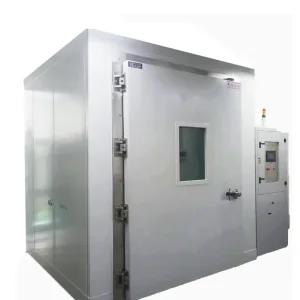
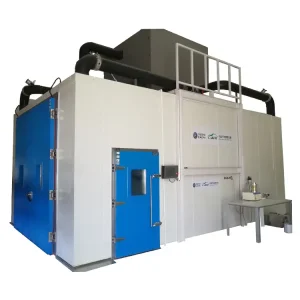
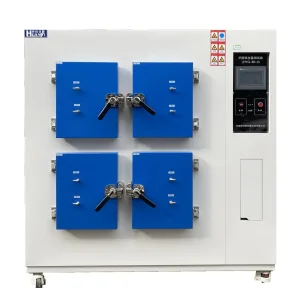
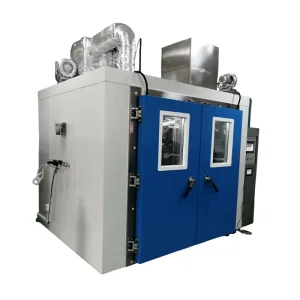
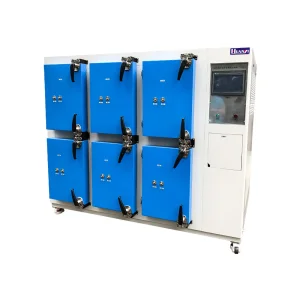
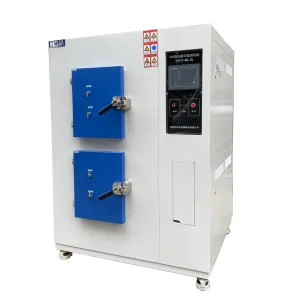
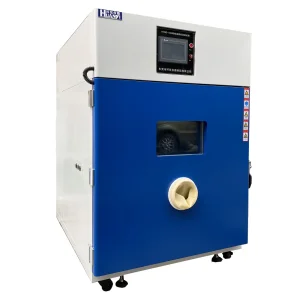
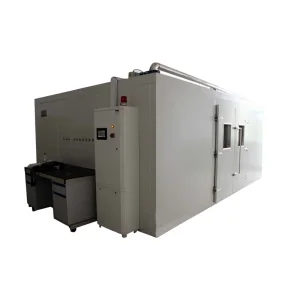
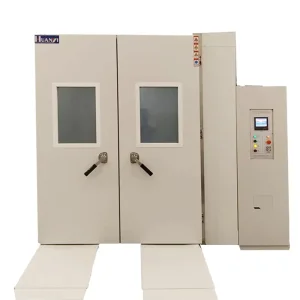
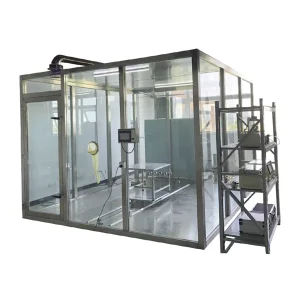
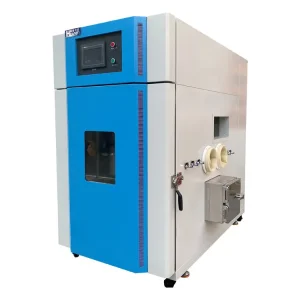
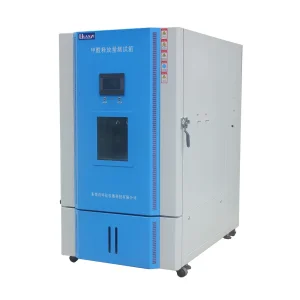
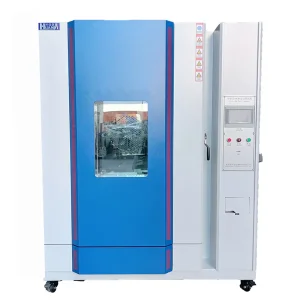
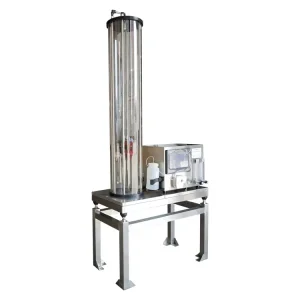
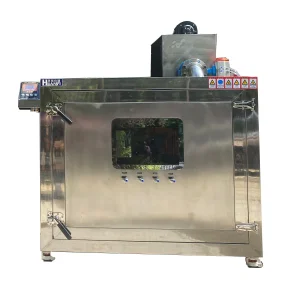
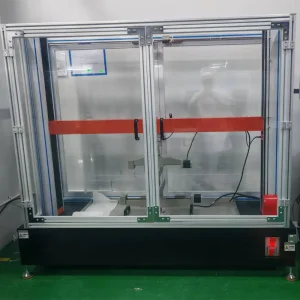
Seattle and the broader King County region represent a global nexus for Aerospace innovation, Cloud Computing, and Sustainable Building. As home to industry giants and a thriving "Green Building" movement, the mandate for rigorous VOC (Volatile Organic Compounds) and Formaldehyde testing has never been more critical.
Washington State's Department of Ecology and the Puget Sound Clean Air Agency have set high bars for indoor air quality. Whether it’s testing the interior components of a next-generation aircraft at a Renton facility or ensuring that the office furniture for a new South Lake Union tech campus meets LEED v4.1 and WELL Building Standards, our emission chambers provide the empirical data required for compliance.
We serve the Seattle market by providing high-precision instruments that simulate the unique humidity and temperature profiles of the Pacific Northwest, ensuring that "Total VOC" (TVOC) counts are accurate under real-world conditions.
Established on March 20, 2007, Dongguan Huanyi Instruments Technology Co., Ltd. has grown into a 6,022 square meter powerhouse of environmental simulation technology. As a high-tech enterprise, we don't just build chambers; we draft the national and industry standards that define the field.
Our philosophy—"customer-centric, quality-guaranteed, honesty-based, and innovation-oriented"—has allowed us to export to Southeast Asia, Europe, the United States, and the Middle East, receiving exceptional feedback from the Seattle industrial market and beyond.
Integrating machine learning to predict long-term VOC emission decay rates from initial 24-hour test data, reducing R&D cycles for manufacturers.
Developing 0.01m³ chambers for high-sensitivity testing of small electronic components (chips, sensors) used in Seattle's smart device industry.
Enabling Seattle labs to monitor and calibrate their chambers via cloud interface, ensuring ISO 17025 compliance without onsite technician visits.
Our current hardware roadmap is strictly aligned with ISO 16000-6 (VOC Determination), EN 16516, and CARB Phase 2. We are currently implementing ultra-low background noise tech to detect VOCs at the parts-per-trillion (ppt) level, a requirement for next-generation cleanroom materials.
High Quality Control from every aspect of raw material selection, laser cutting, installation, and commission using ERP monitoring.
With more than 20 years of experience, our team participates in drafting standard GB/T 50325 and other national environmental protocols.
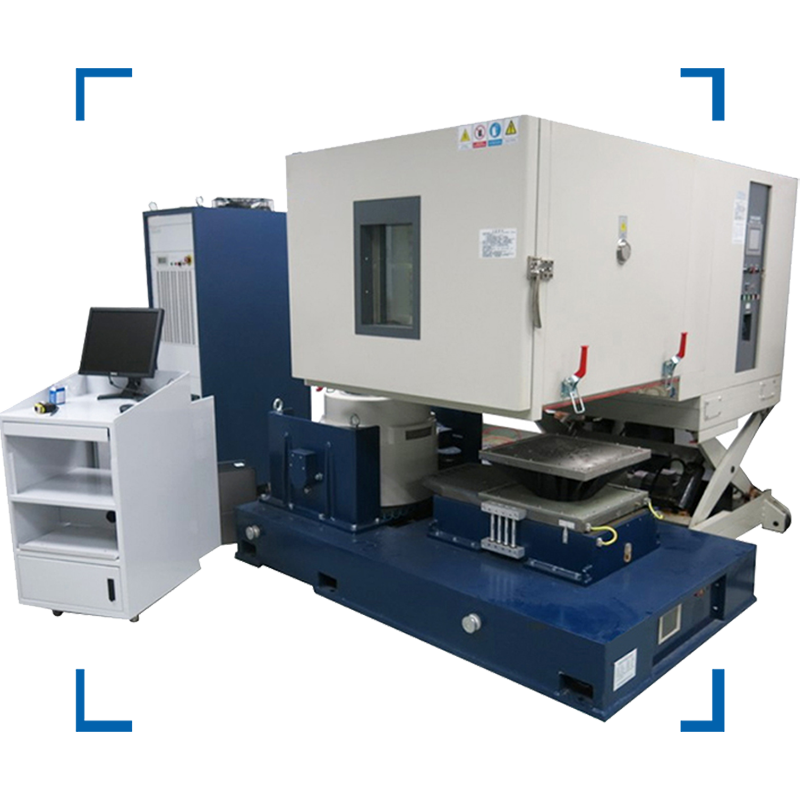
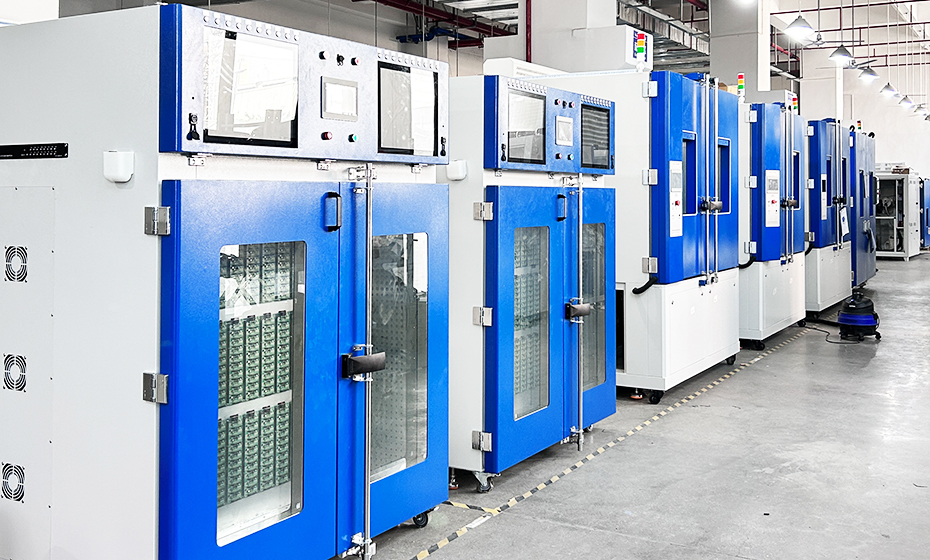
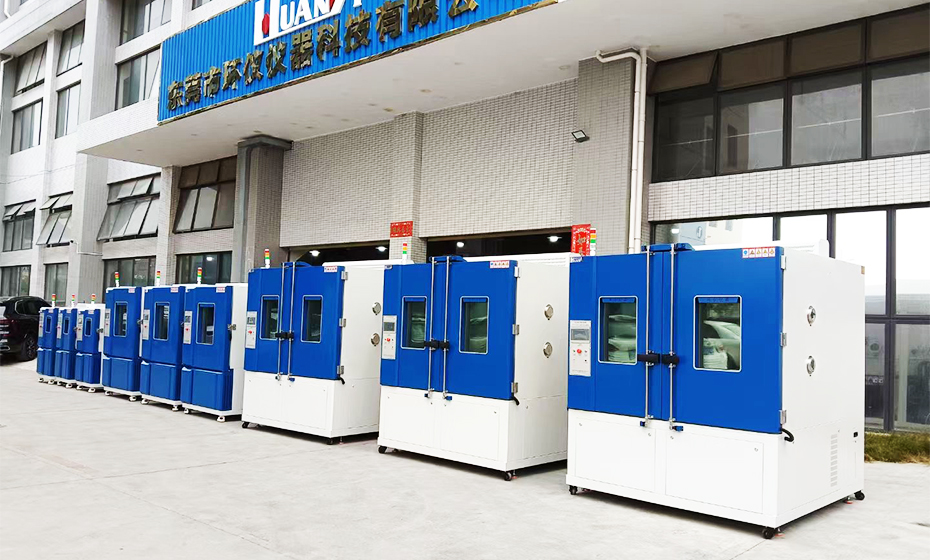
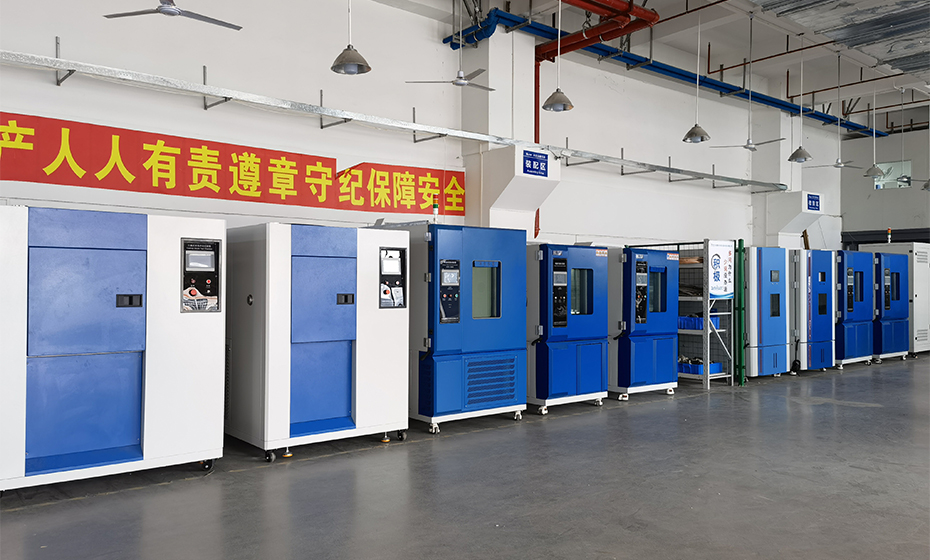
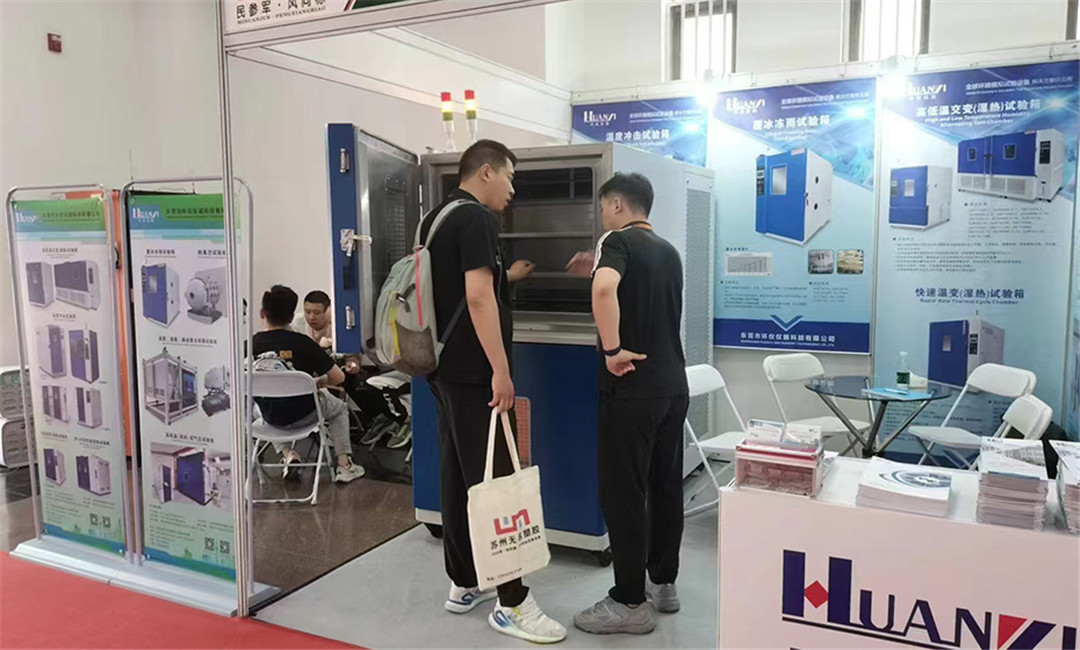
Providing end-to-end testing frameworks for diverse sectors in the Washington area.
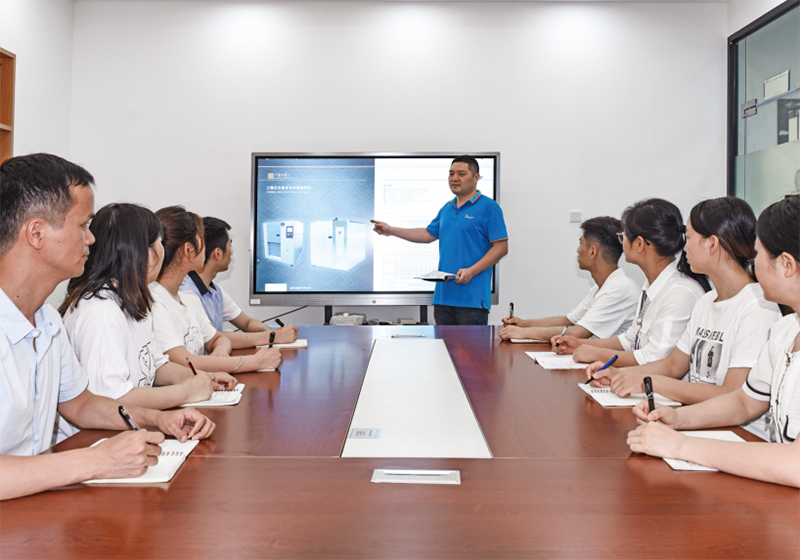
Testing server housing and hardware casings for heat-induced VOC release in data centers.
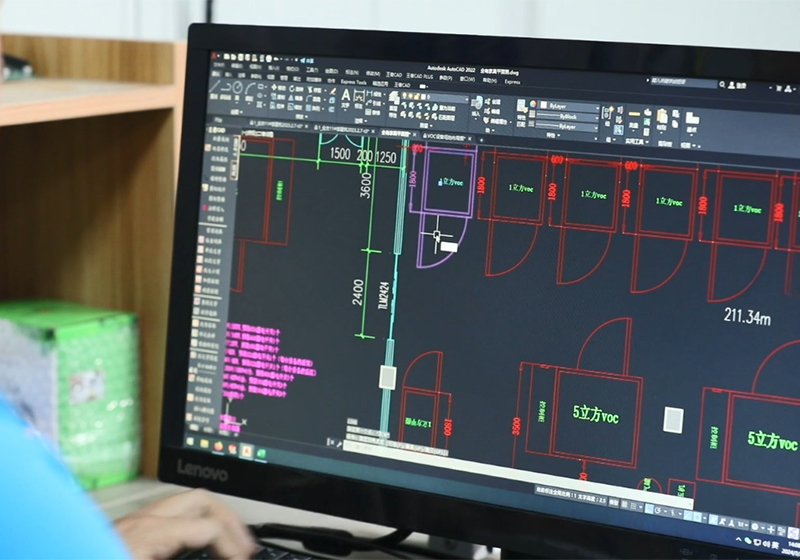
Standardized chambers for university-level toxicology and materials science studies.
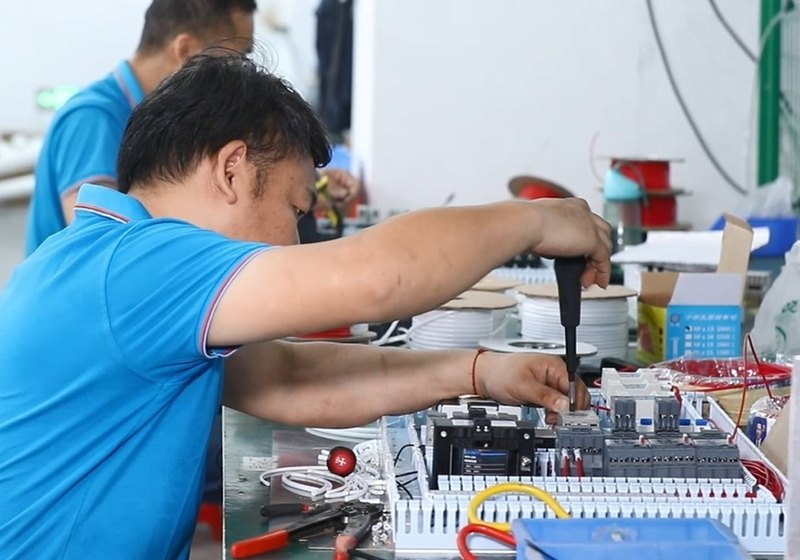
In-line testing solutions for furniture and automotive assembly lines to ensure batch consistency.
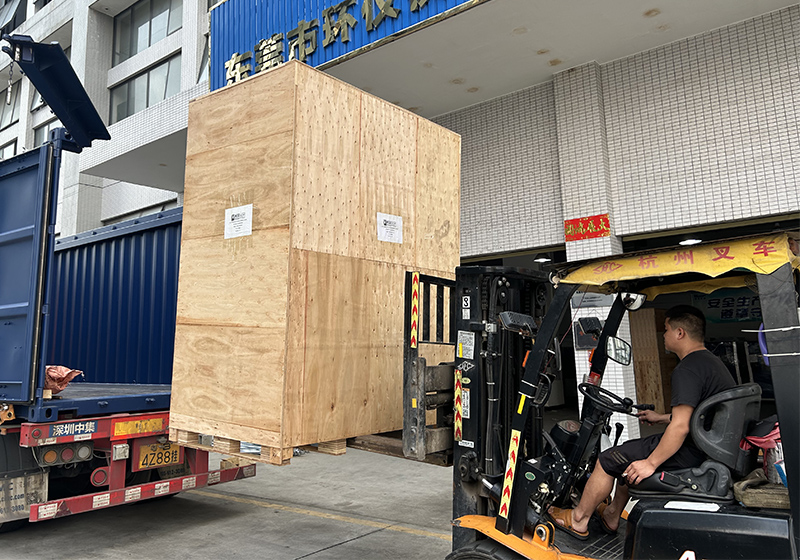
Testing packaging materials for VOC transfer during long-haul shipping and trans-Pacific transit.
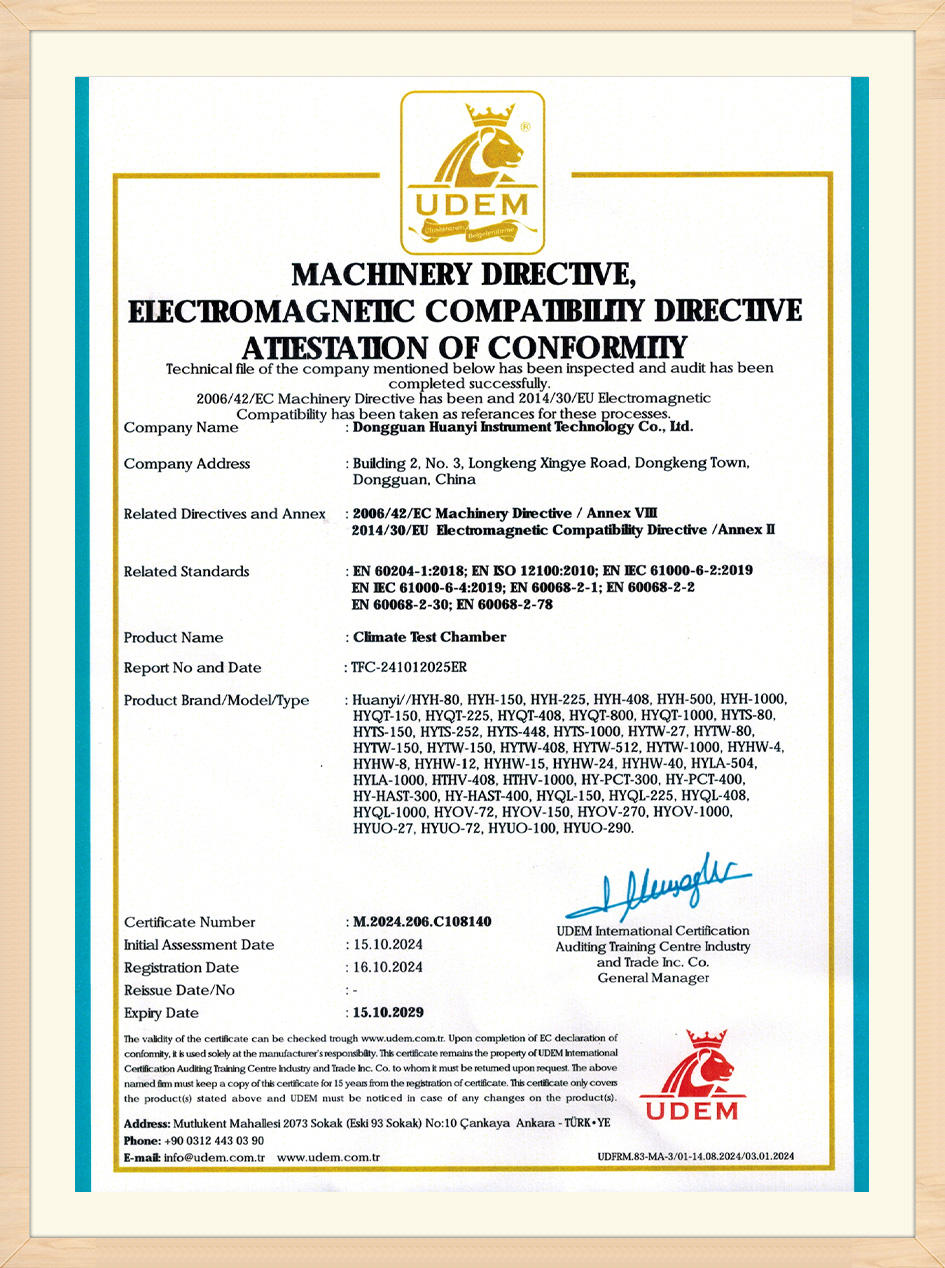
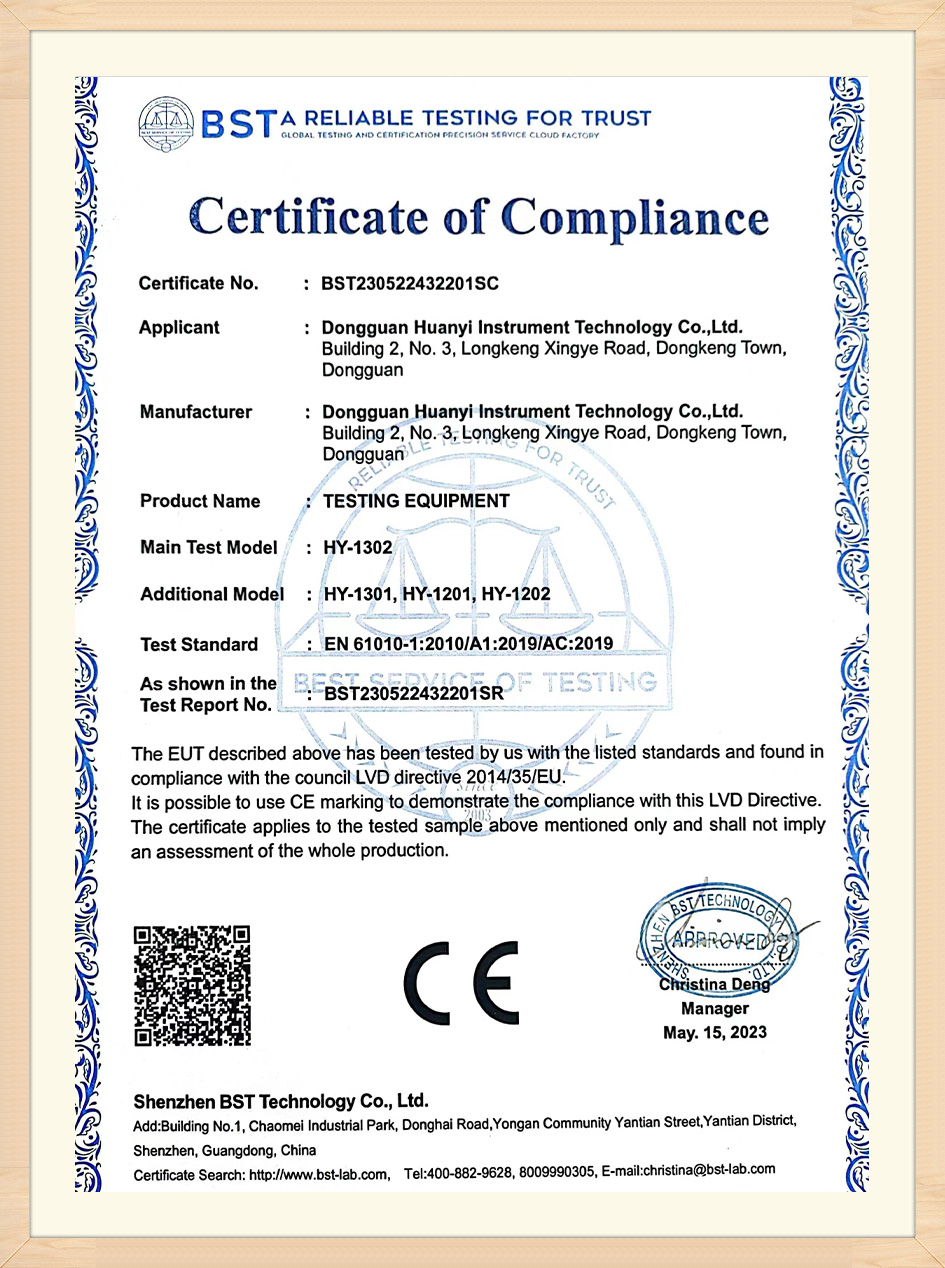
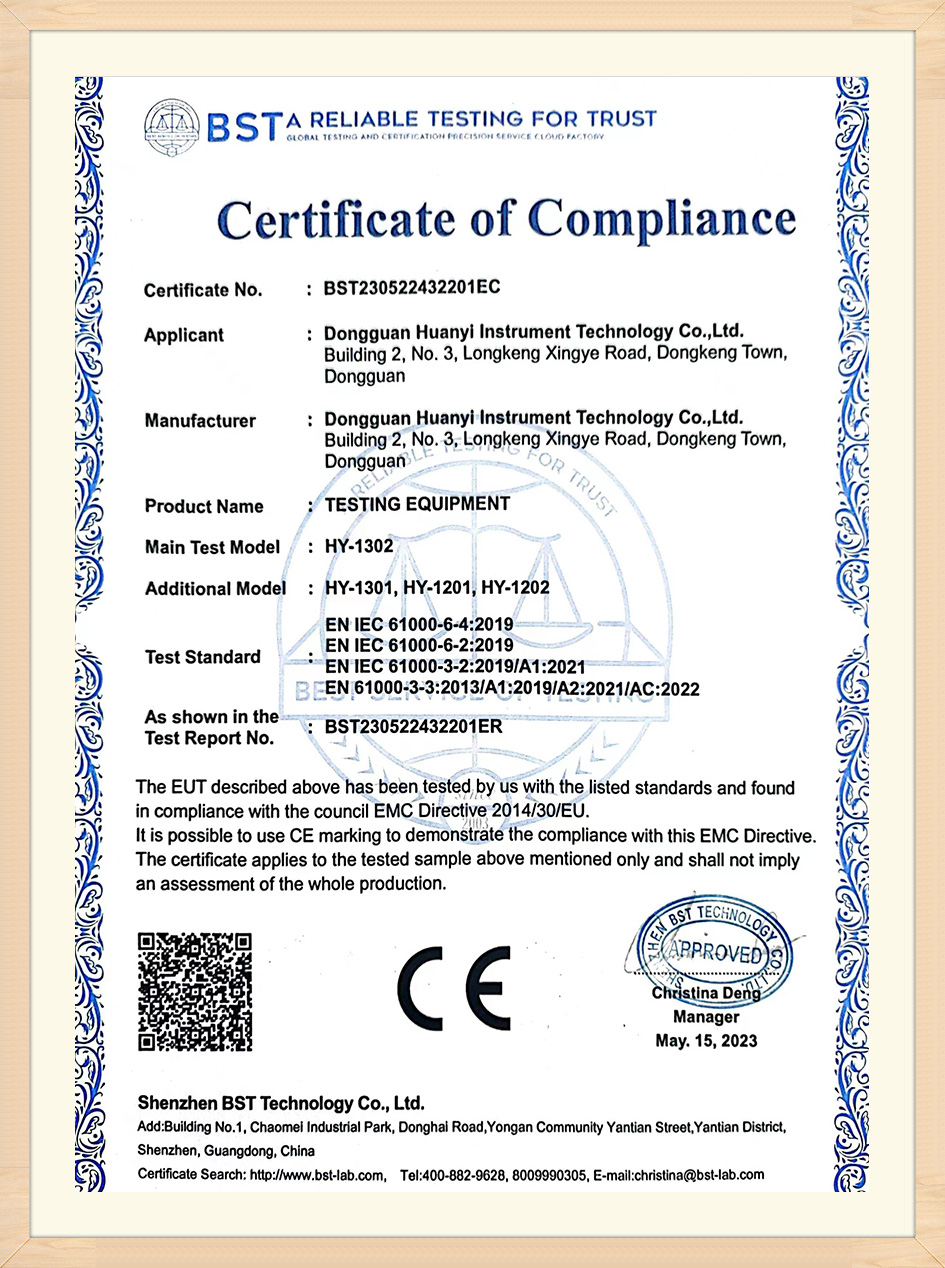
Expert insights on VOC and Formaldehyde testing for the Seattle market.
Our chambers are designed to meet the CDPH Standard Method v1.2, which is the primary requirement for LEED low-emitting materials credits. We provide the precise environmental controls (23°C, 50% RH) needed to validate material emissions.
Yes. Our advanced climate control systems can range from 10% to 90% RH, allowing manufacturers to see how moisture levels in Seattle might accelerate the release of formaldehyde from composite woods.
We offer comprehensive global support. For our Seattle-based clients, we provide detailed remote installation guidance or coordinate with local technical partners to ensure the system is commissioned to ISO standards.
Our chambers feature a high-temperature self-cleaning function. Usually, a 24-hour bake-out at 250°C after each major test series ensures background VOC levels remain below 0.02mg/m³.
Partner with Huanyi for industry-leading VOC and Formaldehyde simulation technology.
Send Inquiry Now Huanyi