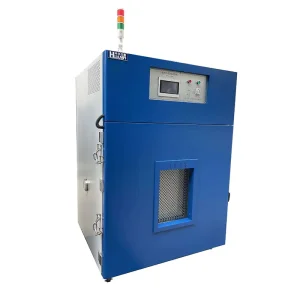
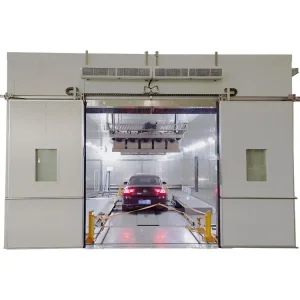
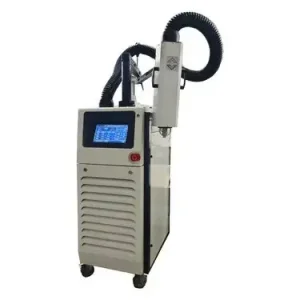
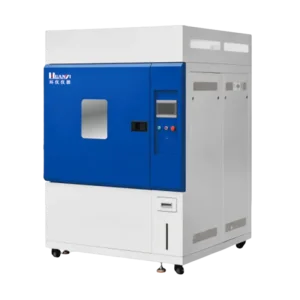
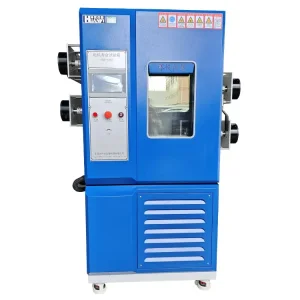
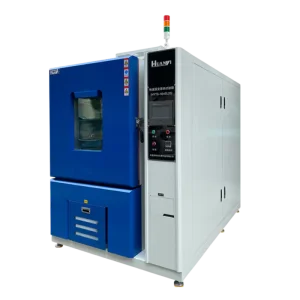
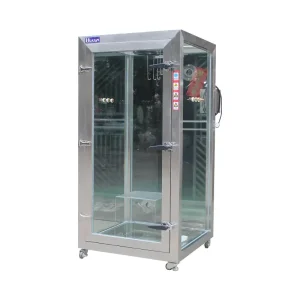
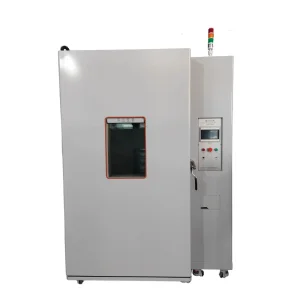
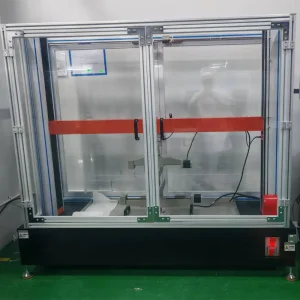
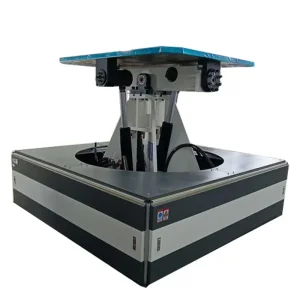
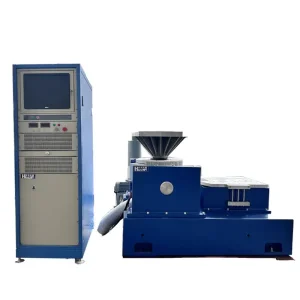
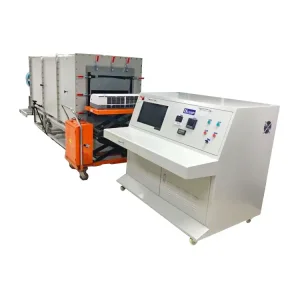
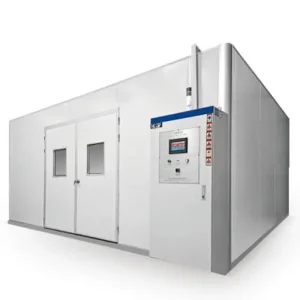
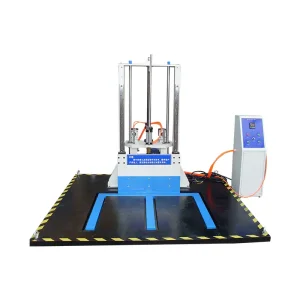
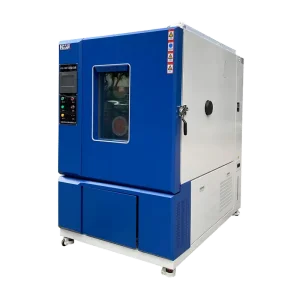
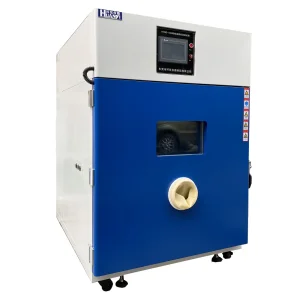
The global demand for altitude chambers has surged by 45% over the last five years, driven primarily by the rapid expansion of the electric vehicle (EV) battery sector and private aerospace ventures. An altitude chamber—also known as a hypobaric chamber—simulates high-altitude conditions by controlling atmospheric pressure, temperature, and humidity.
When searching for "OEM Altitude Chamber Price," it is vital to understand that the cost is not just a reflection of the steel box. High-tier pricing factors include:
Standardized benchtop units range from $15,000 to $45,000, while custom OEM walk-in altitude chambers for aerospace can exceed $250,000 depending on the technical ceiling.
Chinese factories like Dongguan Huanyi Instruments utilize local supply chain clusters (sheet metal, electronics, valves) to offer a 30% cost reduction compared to European equivalents without sacrificing quality.
Direct OEM sourcing allows for hardware-level customization—essential for specific MIL-STD or ISO compliance that off-the-shelf units cannot meet.
Testing avionics, structural integrity under rapid decompression (MIL-STD-810H), and high-altitude electronics performance. Ensuring safety at 50,000+ feet is non-negotiable.
Simulating air transport of Lithium-ion batteries. Low pressure can trigger "swelling" and thermal runaway; altitude chambers are critical for UN 38.3 certification.
Outdoor 5G base stations deployed in high-altitude regions (like the Andes or Himalayas) require validation of heat dissipation in thin air.
From smartphones to laptops, components must be tested for mechanical stability during long-haul cargo flights.
Modern chambers now focus on "Green Testing," utilizing low-GWP (Global Warming Potential) refrigerants and energy-recovery vacuum pumps to reduce the carbon footprint of the testing facility.
Established on March 20, 2007, Dongguan Huanyi Instruments covers an area of 6,022 square meters. We are a high-tech enterprise integrating R&D, production, sales, and after-sales service. We are proud participants in the drafting of national and industry standards for environmental simulation equipment in China.
Our philosophy is "customer-centric, quality-guaranteed, honesty-based, and innovation-oriented". Our products are sold globally, including Southeast Asia, Europe, the United States, and the Middle East.
High Quality Control from every aspect of raw material, production, installation, and commission. We use internationally renowned brand components.
With more than 20 years of experience, our professional production and R&D personnel use ERP systems to monitor every process, ensuring timely delivery.
Modern equipment including laser cutting panels, automated cutting, and ERP systems helps us reduce waste and maintain superb process production.
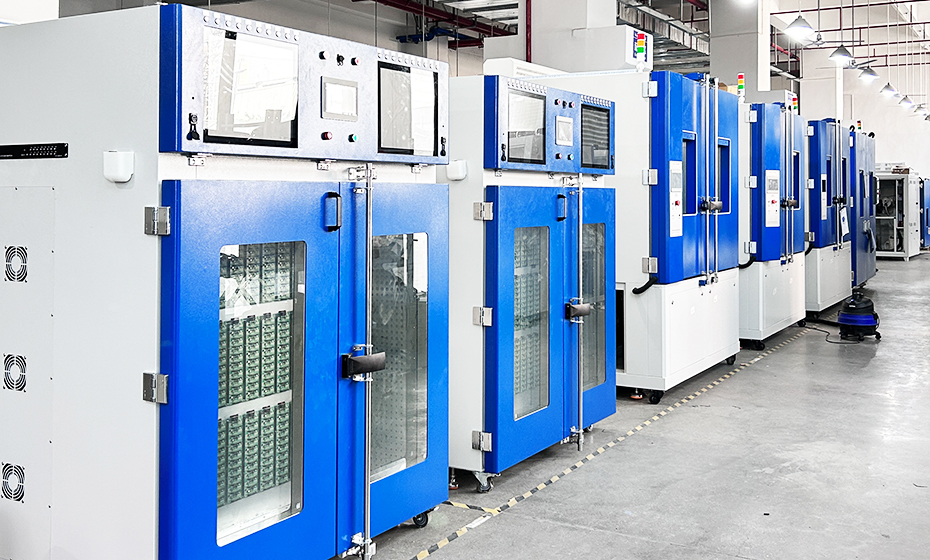
Finished Product Display Library
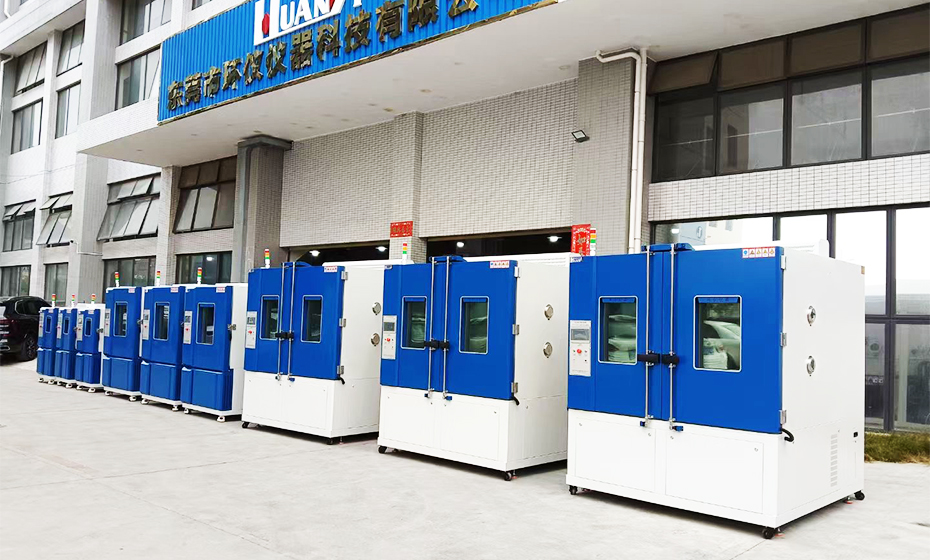
Product Reliability Lab
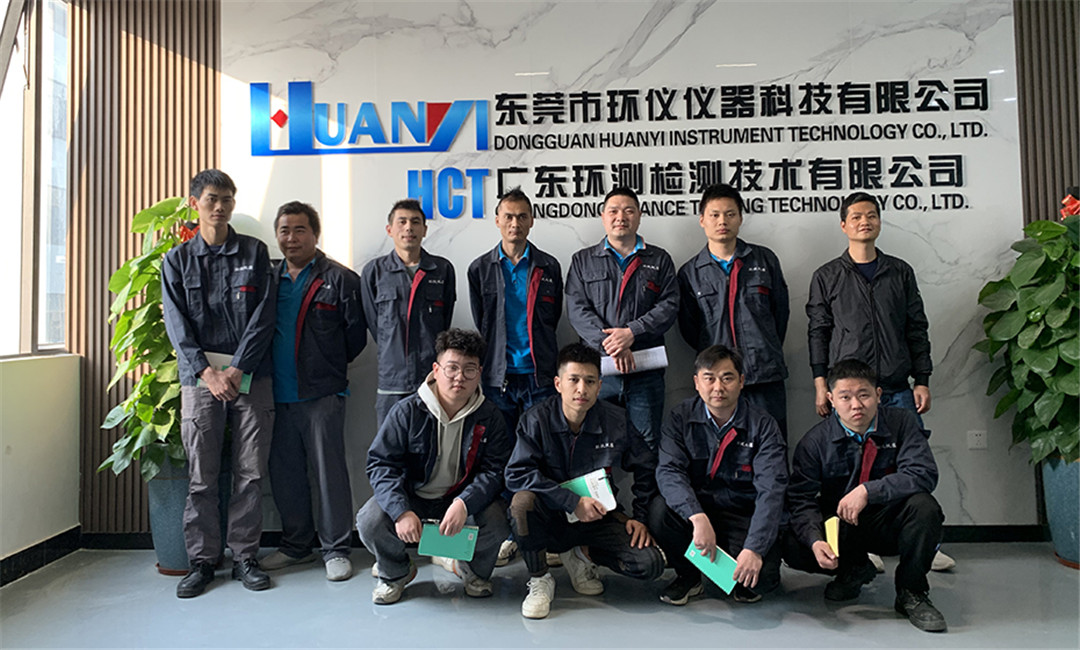
Production & After-Sales Team
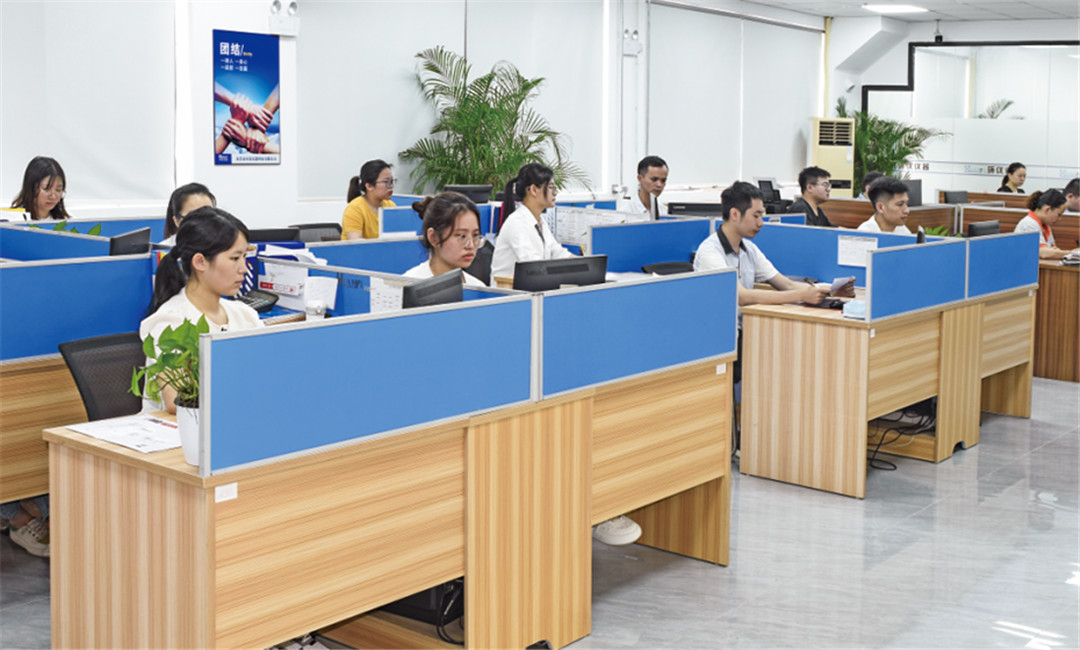
Office Sales Team
 Huanyi