Explore our premium selection of environmental simulation systems engineered for rigorous industrial validation.
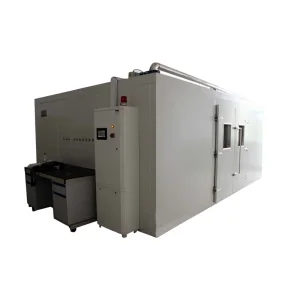
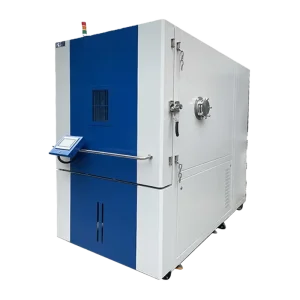
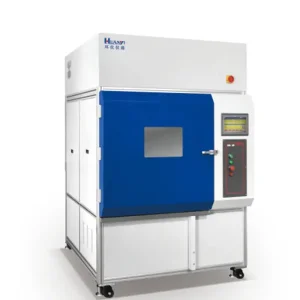
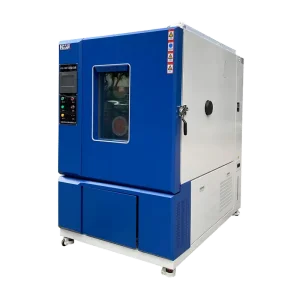
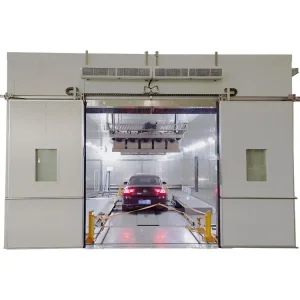
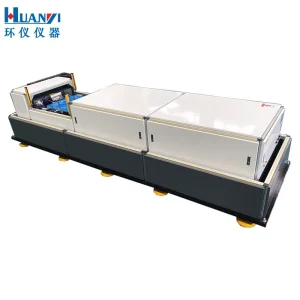
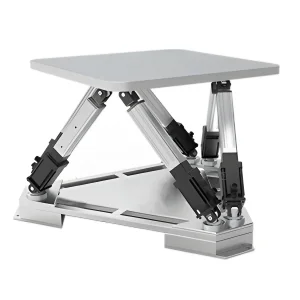
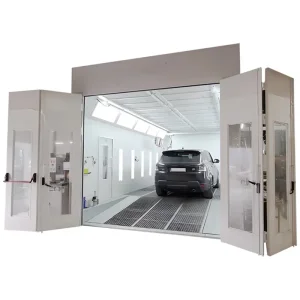
A technical analysis of environmental safety, hardware validation metrics, and global compliance for lithium-ion battery testing.
Batteries generate internal heat dynamically during high-rate charge and discharge cycles. A high-quality thermal chamber must offer high heat-load dissipation capacities to counteract the temperature rise of the cells under test without losing temperature control accuracy.
Working with lithium-ion chemistries carries inherent risks of gas venting, fire, and explosions. Implementing hazard level classifications (EUCAR Hazard Levels 1-7) into the mechanical construction of the chamber represents a primary focus of our manufacturing process.
Stable microclimatic control prevents false failures. Our controllers monitor test parameters with multi-sensor arrays and adjust hot-gas bypass valves, variable frequency compressors, and electronic expansion valves dynamically.
Adapting test parameters to specific geographical requirements, localized industrial norms, and extreme physical environments.
In North America and Europe, electric vehicle standards demand dynamic drive-cycle emulation. This involves changing temperatures rapidly—often at rates of 5°C/min, 10°C/min, or even 15°C/min—while simultaneously charging and discharging the battery pack at maximum C-rates. Our chambers are equipped with cascade refrigeration units utilizing eco-friendly, high-capacity refrigerants to cope with these intense thermal profiles.
Utility-scale Battery Energy Storage Systems (BESS) are frequently installed in remote regions subject to extreme diurnal temperature swings and high humidity levels. Testing chambers built for this vertical simulate sustained heat and humidity (85°C/85% RH) to evaluate insulation degradation and dendrite growth within battery cells over extended periods.
Aerospace lithium batteries must survive and function under high altitude conditions. Combining thermal simulation with vacuum/low-pressure parameters helps identify the risk of pouch-cell swelling and seal failure in high-altitude environments, validating space-grade safety configurations.
Future-proofing thermal chambers to meet the demands of solid-state chemistries and automated hazard containment.
Chambers are equipped with blow-out ports and heavy-duty mechanical door chain-locks. When a thermal runaway event generates extreme pressure, the rupture disk or spring-loaded pressure relief valve opens to vent hazardous gases safely, preventing catastrophic cabinet failure.
To prevent ignition in the presence of oxygen, our automated nitrogen (N2) gas purging systems displace ambient air inside the chamber. By maintaining oxygen concentrations below explosive thresholds, the testing environment remains intrinsically safe.
In the event of smoke, thermal runaway, or combustible gas detection (via CO, H2, or gaseous hydrocarbon sensors), the controller immediately halts battery cycling, cuts electrical power, and activates liquid CO2 or water-sprinkler suppression manifolds.
Our Story, Strategic Foundations, and Global Industry Positioning
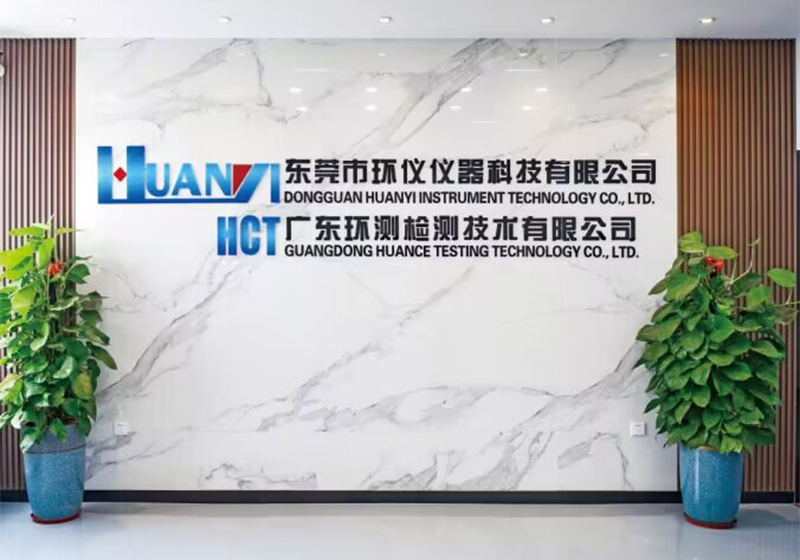
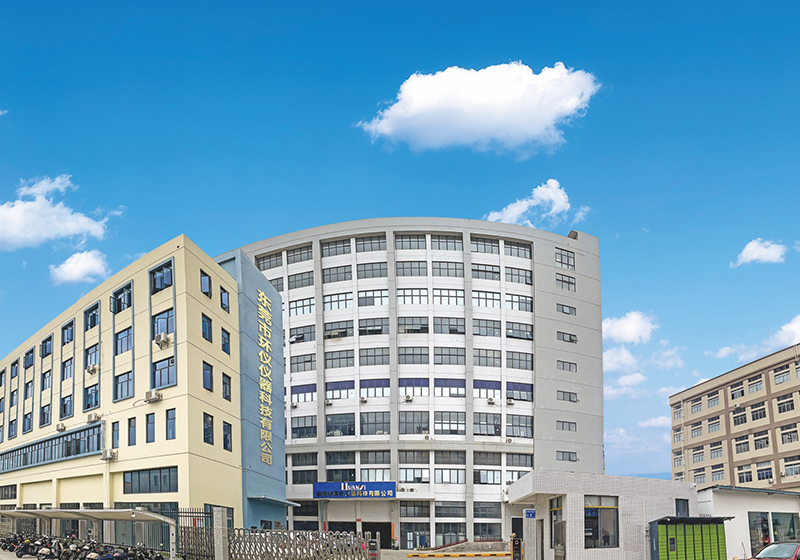
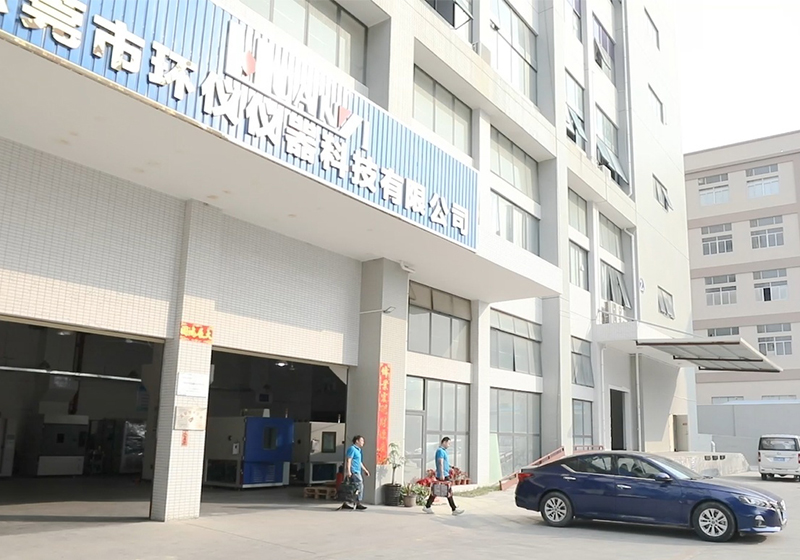
Established on March 20, 2007, and covering an expansive manufacturing footprint of 6,022 square meters in Dongguan, China, Dongguan Huanyi Instruments Technology Co., Ltd. is a national high-tech enterprise. We focus on the R&D, production, sales, and comprehensive after-sales service of high-end environmental simulation test equipment. We are honored to have participated directly in the drafting of national and industrial standards for environmental simulation test chambers, confirming our leadership in the domestic and international testing landscape.
Our guiding philosophy is "customer-centric, quality-guaranteed, honesty-based, and innovation-oriented". Over years of focused manufacturing, our team has achieved mature engineering capabilities in thermal control, pressure engineering, and safety integration. Today, we supply custom simulation systems to over 2,500 clients worldwide, exporting advanced machinery to Southeast Asia, Europe, North America, and the Middle East.
Rigorous inspection of all incoming materials, process audits during manufacture, and systematic operational runs of cooling, heating, and safety control systems before dispatch.
With over 20 years of sector-specific engineering, our teams design customized environmental solutions. We utilize enterprise ERP systems to manage processes to ensure timely completion.
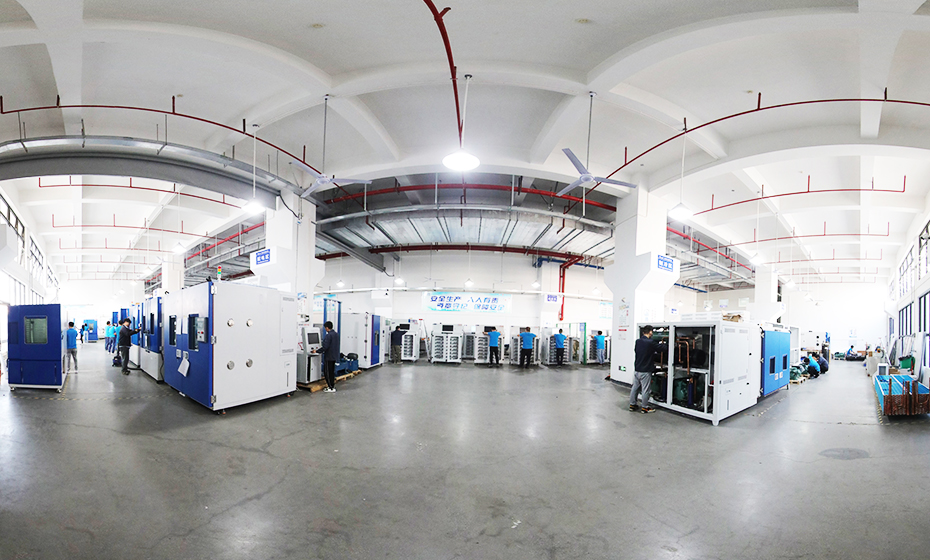
Our factory operates laser-cutting systems, automated sheet metal bending stations, and computerized testing tools, enhancing material yield and keeping production tolerances minimal.
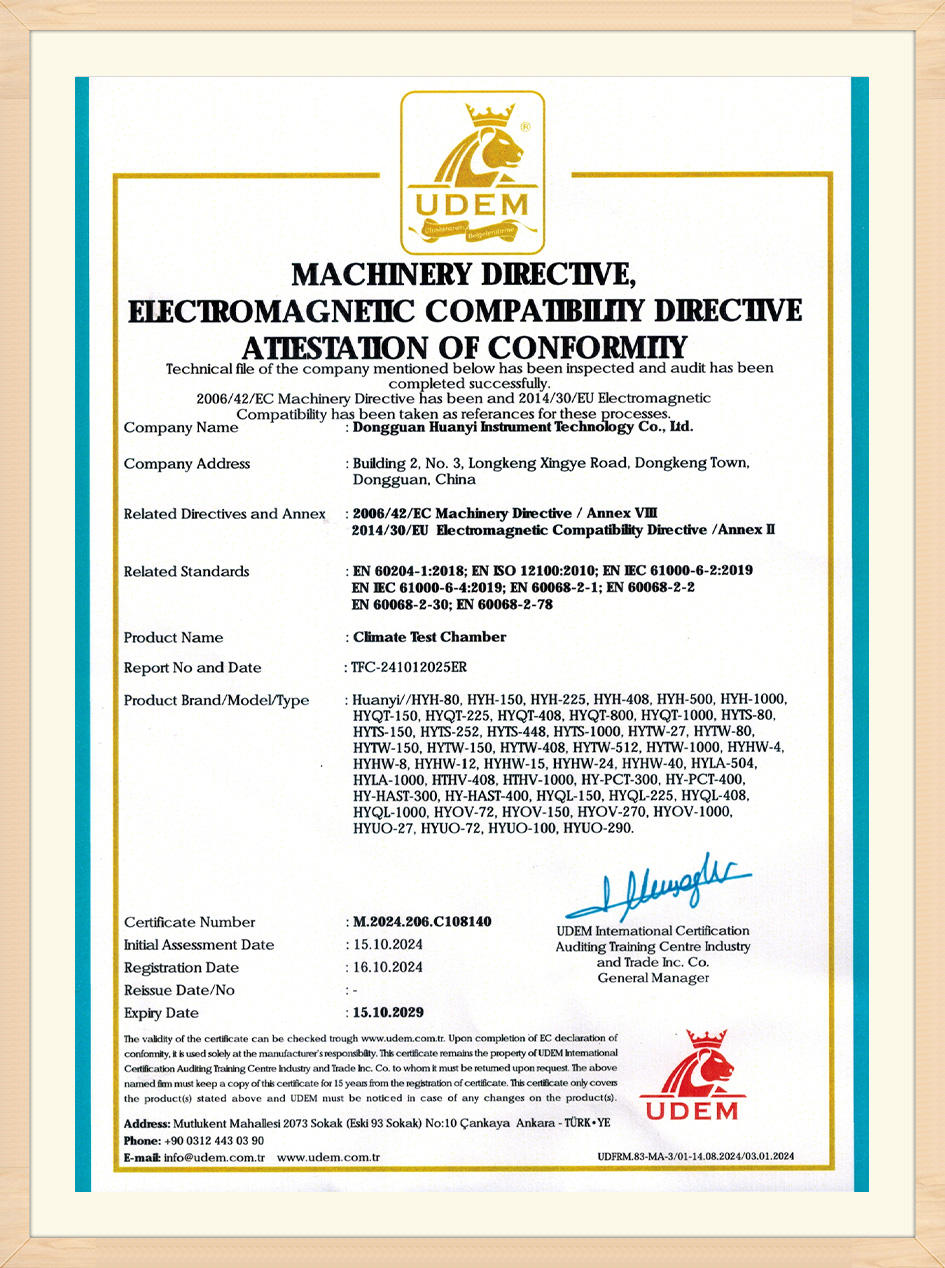
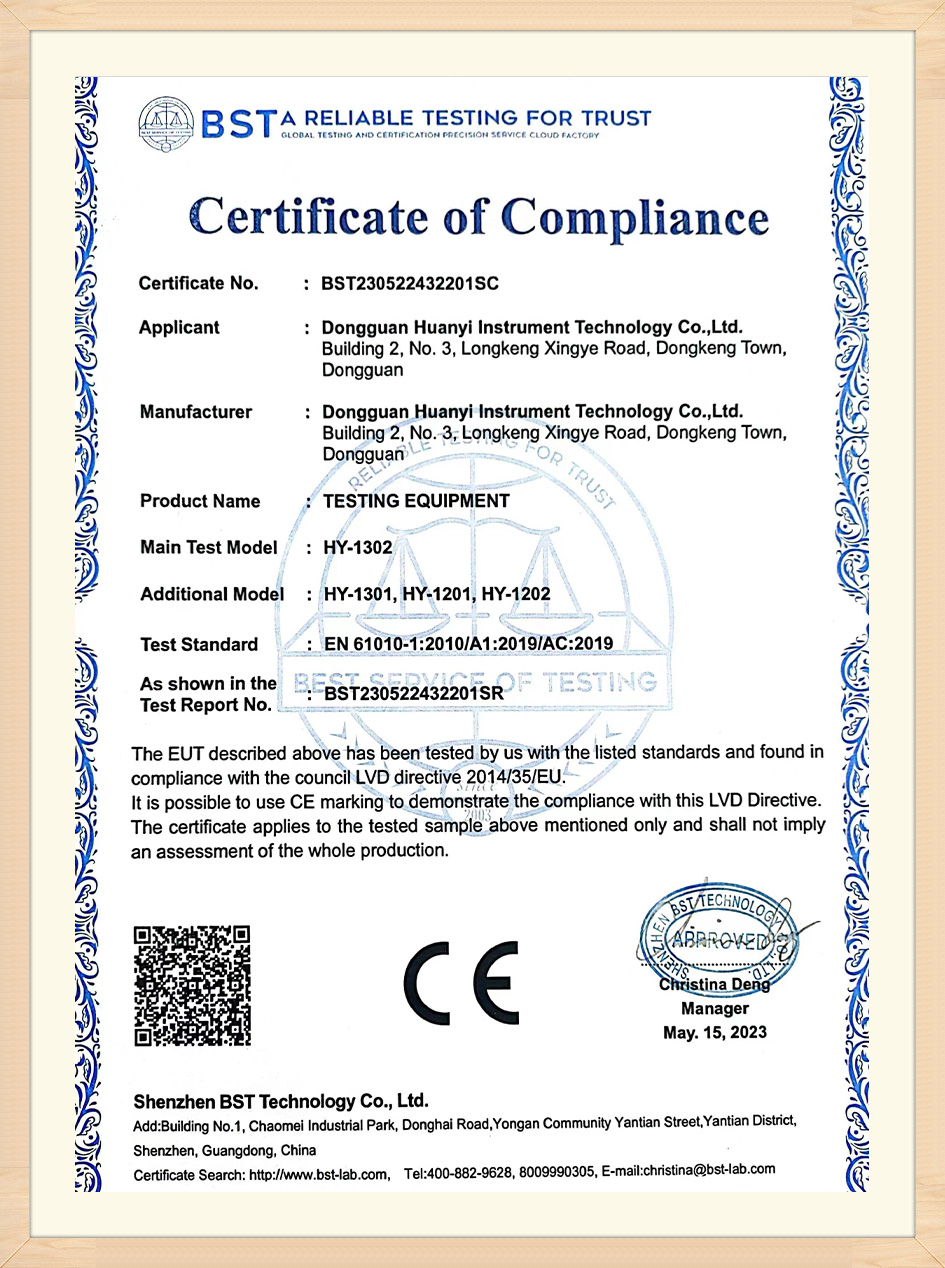
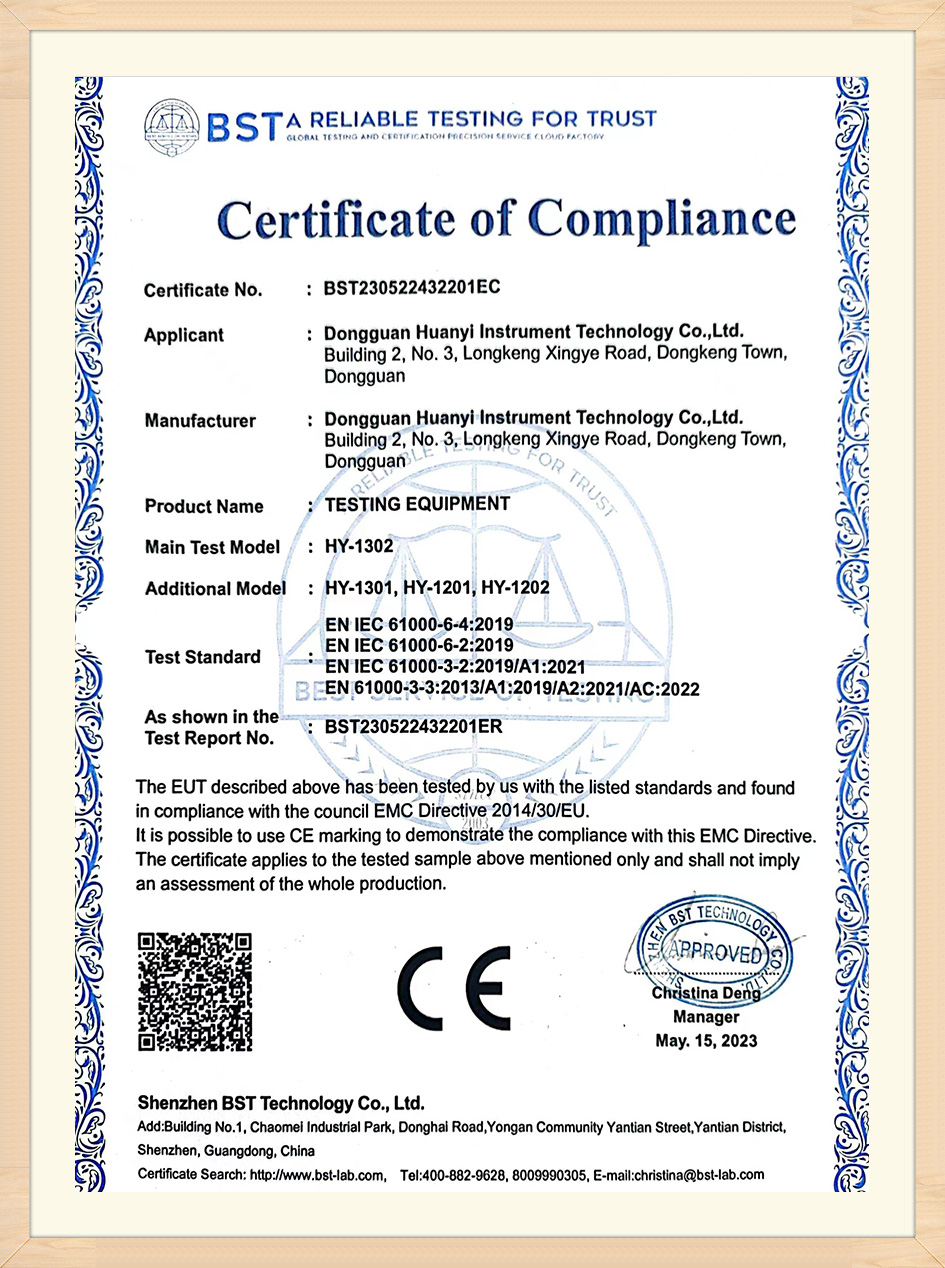
We deploy international manufacturing processes. Every system conforms to CE electrical regulations and relevant standards, ensuring dependability on your testing floor.
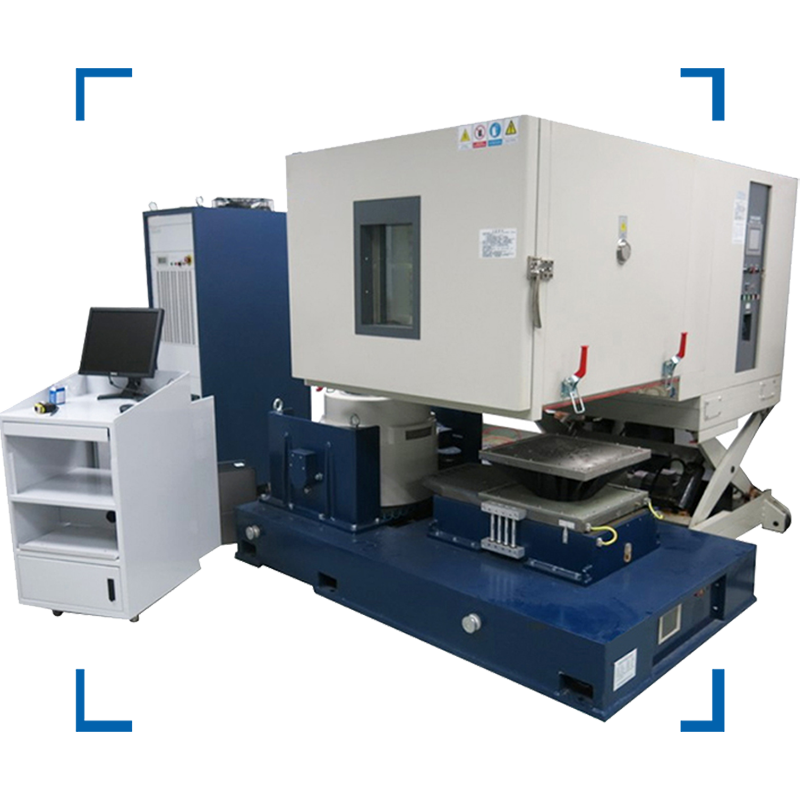
Evaluating the structural efficiencies, technological integration, and cost benefits of Chinese environmental chamber manufacturing.
Dongguan and the broader Greater Bay Area house the world's most dense cluster of industrial automation, refrigeration compressor, sheet metal, and electronic sensor vendors. This localized supply network allows us to source specialized, performance-matched components rapidly.
By employing automated laser-cutting stations and optimizing our internal sheet-metal centers, we minimize waste and lower production costs. We pass these operational savings on to our customers, offering advanced, highly customized walk-in chambers at competitive prices.
Our integrated R&D teams and production crews share the same facility. This close cooperation enables us to translate customized user specifications—such as custom-positioned access ports, reinforced floors, or integrated instrumentation wiring—into finalized equipment quickly.
Tracing our progression from a regional instrument manufacturer to a globally recognized testing supplier.
Dongguan Huanyi Instrument Technology Co., Ltd. was established to design environmental test chambers.
Established the Jiangsu Office to address the expanding domestic manufacturing sector in Eastern China.
Opened sales and technical service branches in Xi'an and Chongqing to support inland manufacturing hubs.
Expanded operations with new offices in Shanghai and Beijing to manage municipal and corporate laboratory demands.
Launched our dedicated Digital Sheet Metal Center, upgrading precision cutting and quality control.
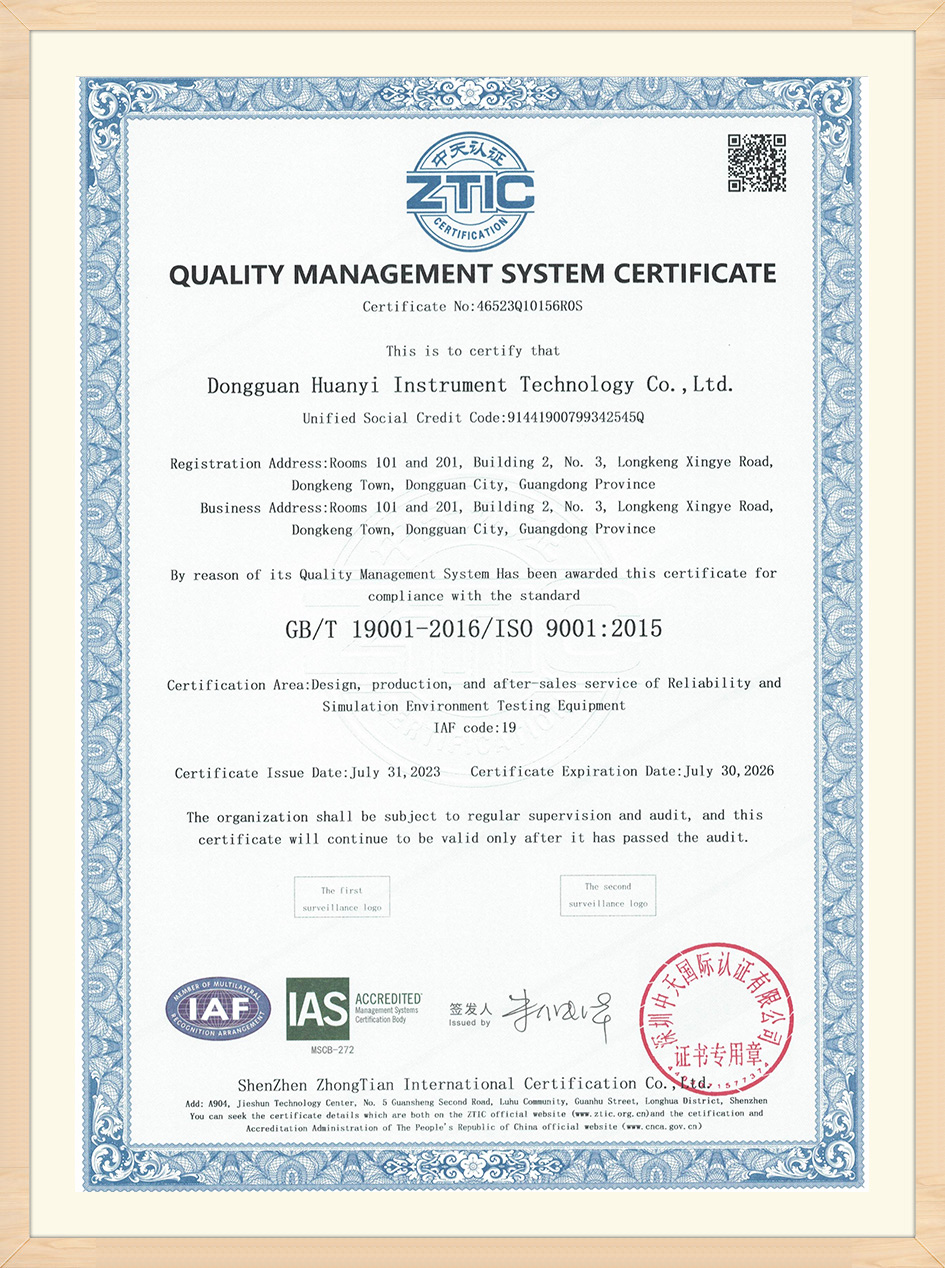
Successfully obtained ISO9001:2015 Quality Management System Certification for our manufacturing processes.
Recognized as a National High-Tech Enterprise and participated in drafting standards like GB5364 and GBT50325.
Established Guangdong Huance Testing Technology Co., Ltd. to provide independent third-party calibration and testing services.
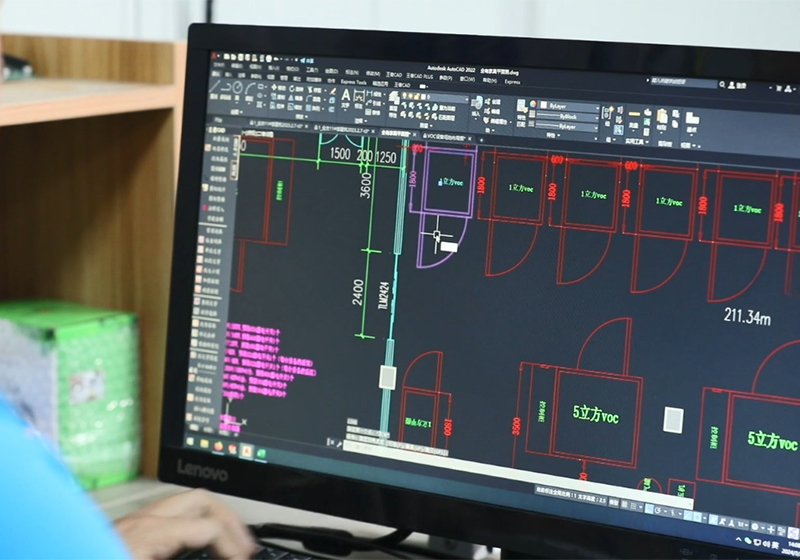
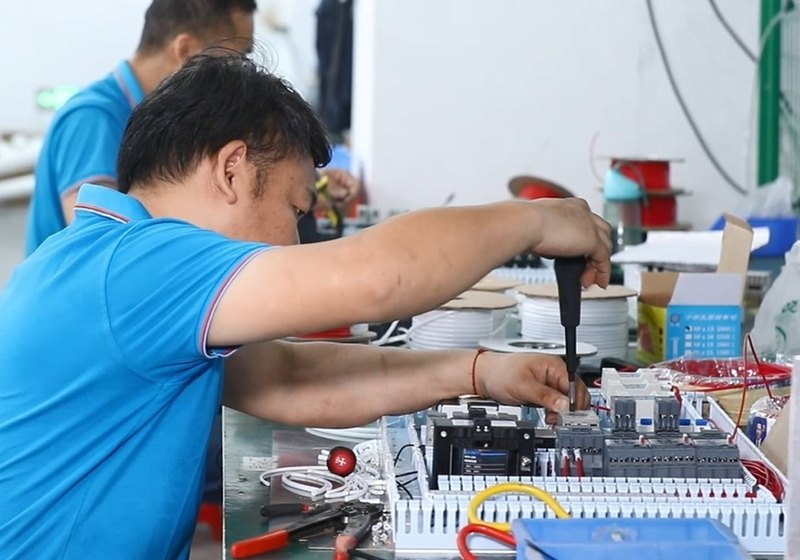
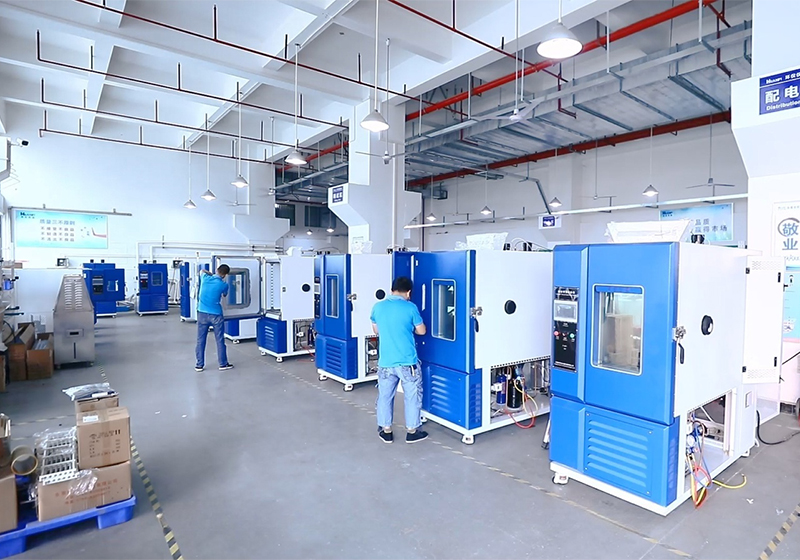
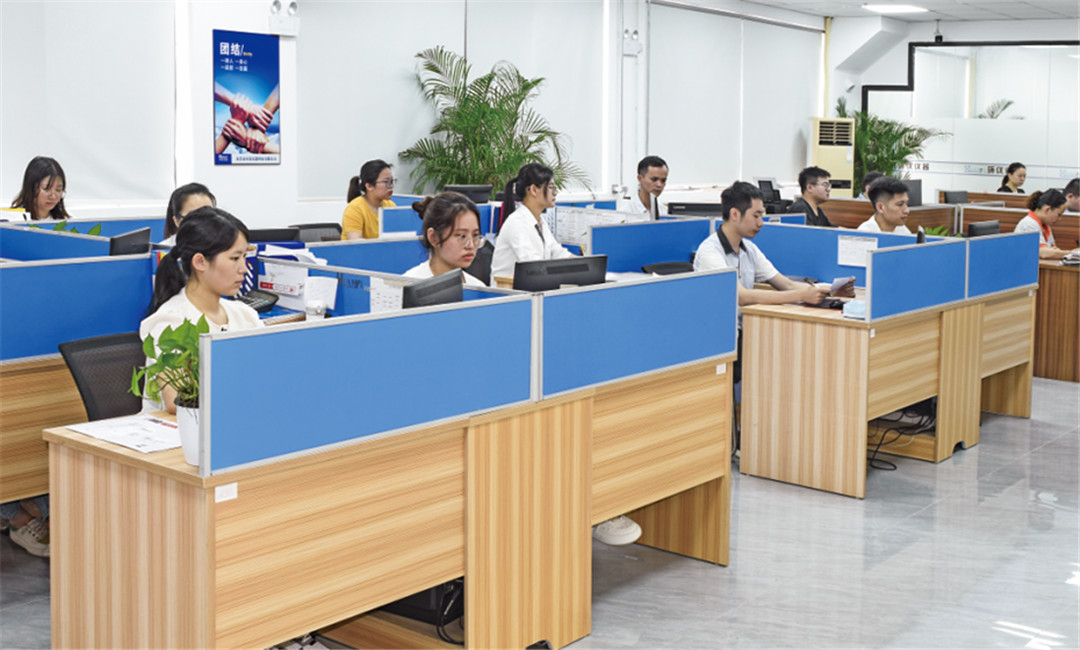
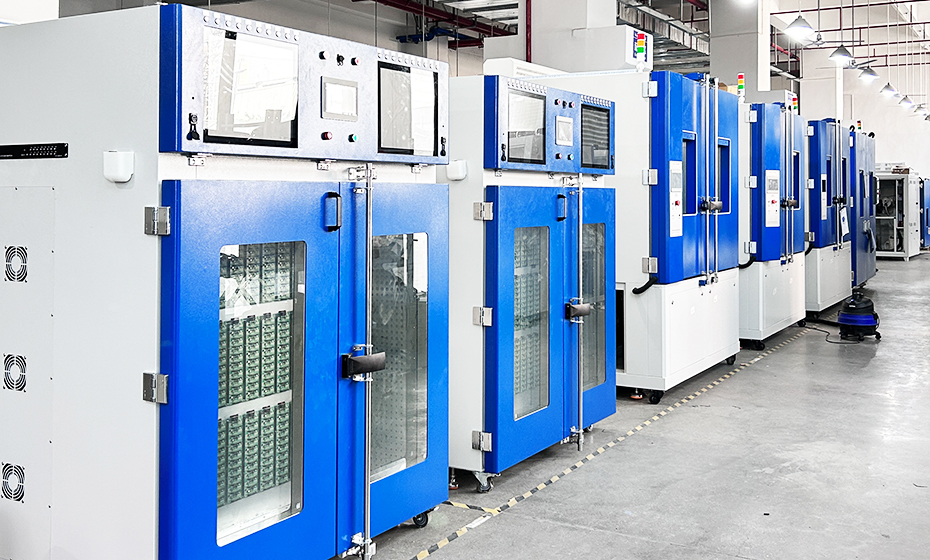
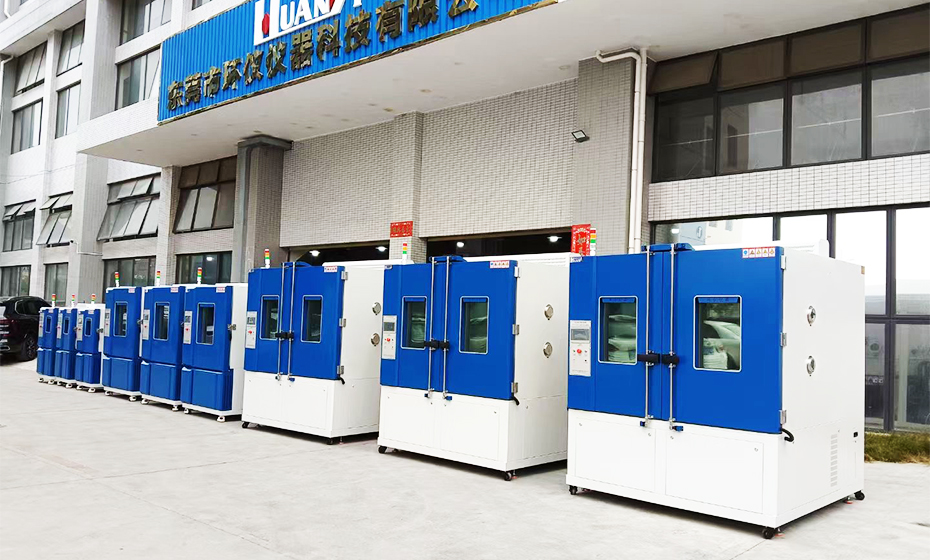
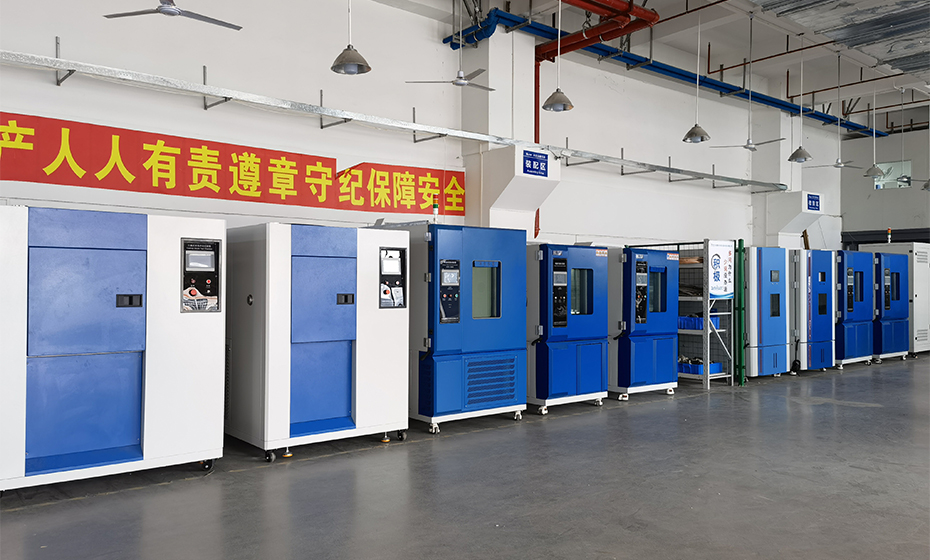
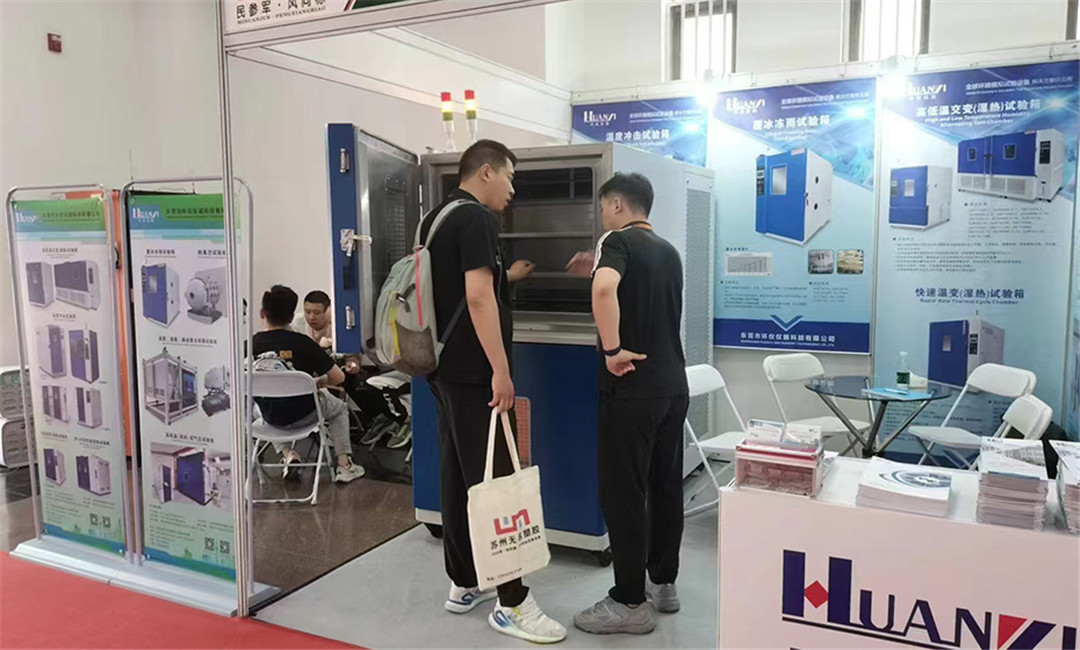
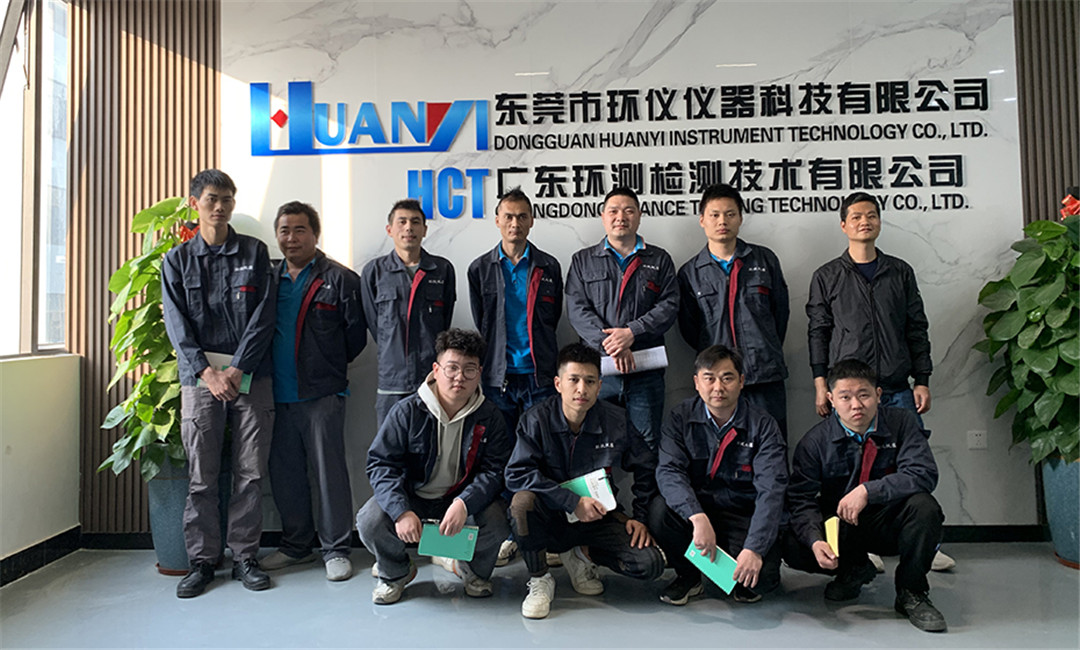
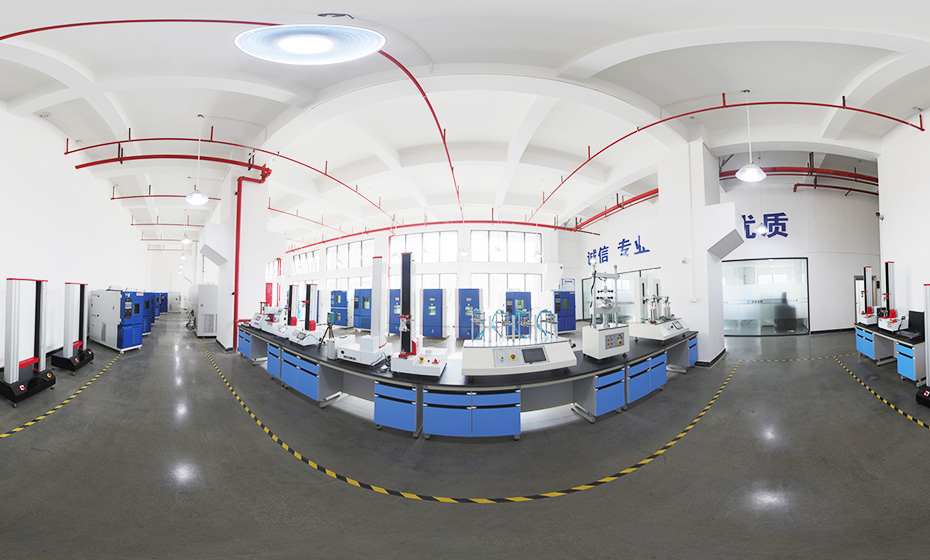
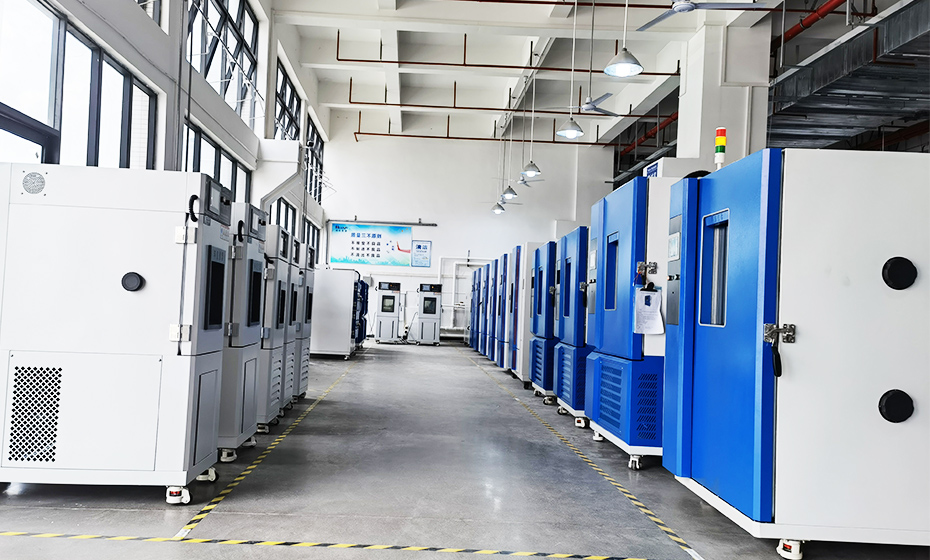
A visual overview of our manufacturing procedures, testing facilities, and team spaces.
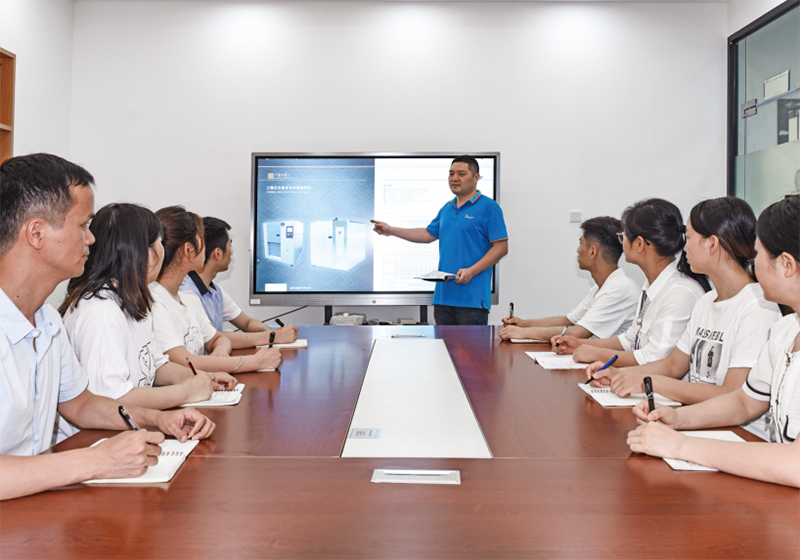

Technical answers to key questions about battery thermal chamber selection, setup, and operation.
Safety configurations are classified based on the hazard level of the batteries under test (using EUCAR levels 1 through 7). Essential systems include:
Batteries generate heat internally during rapid charge and discharge phases. To maintain temperature stability, our chambers utilize powerful cascade refrigeration units combined with high-volume, uniform airflow systems. High-performance models feature variable frequency compressors and hot-gas bypass valves. This setup allows the cooling system to adjust its output to balance the thermal load from the batteries, preventing temperature drift.
Yes, our specialty low-pressure chambers simulate pressure levels down to 1 kPa or lower while controlling temperature. This is essential for aerospace applications and altitude simulation tests (such as UN 38.3), verifying that battery pouches and seals do not swell or rupture under low-pressure transport conditions.
Condensation occurs when the temperature of the battery falls below the dew point of the surrounding air inside the chamber. We address this using two main methods:
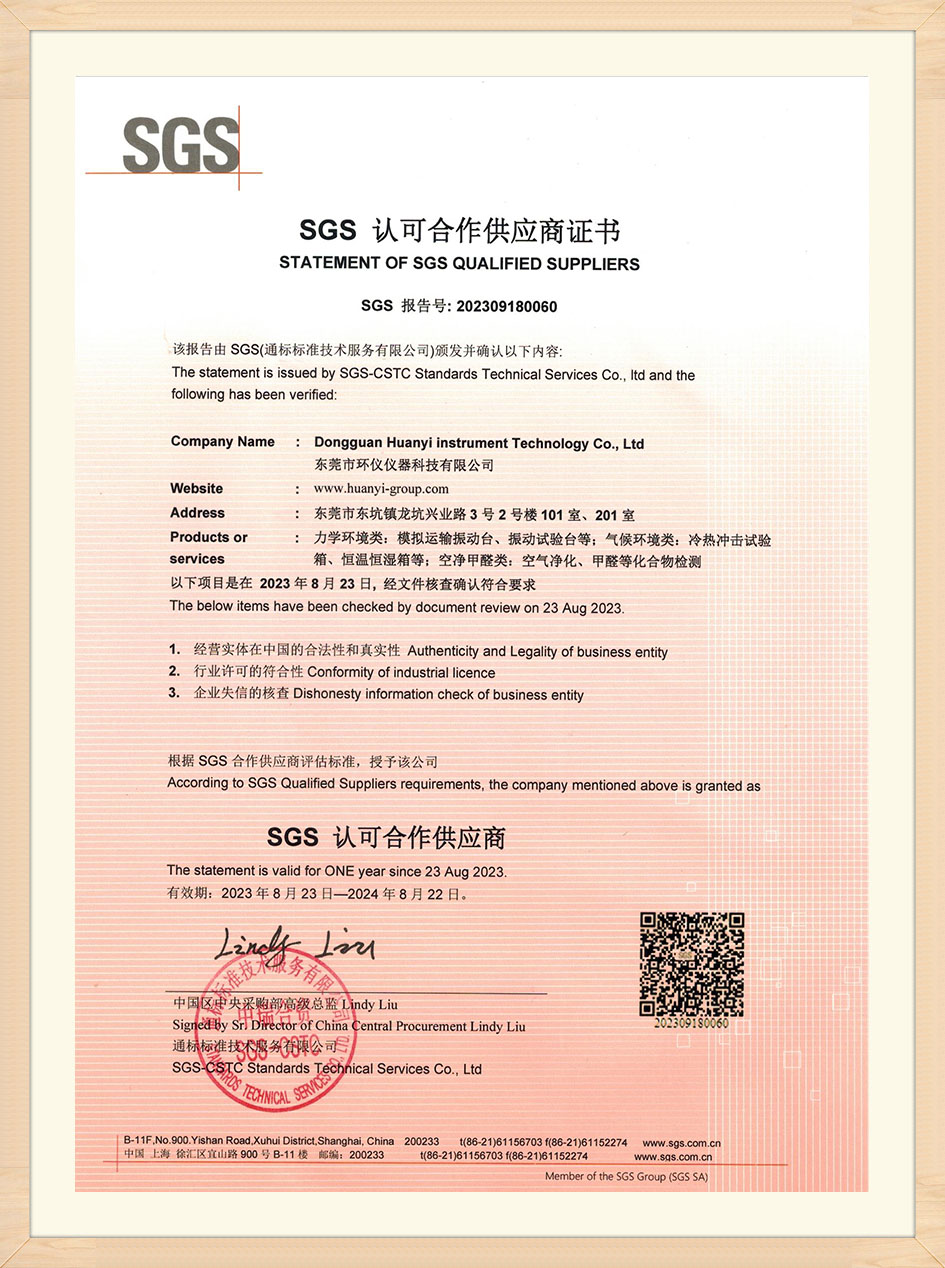
Our chambers are designed and calibrated to comply with global testing standards, including UN 38.3, IEC 62133, IEC 62619, UL 1642, UL 2580, and SAE J2464. Additionally, our manufacturing processes are certified under ISO 9001:2015, and we have contributed to the drafting of environmental simulation testing standards in China (GB5364 / GBT50325).
Our products utilize components from recognized brands to ensure long-term, stable performance.
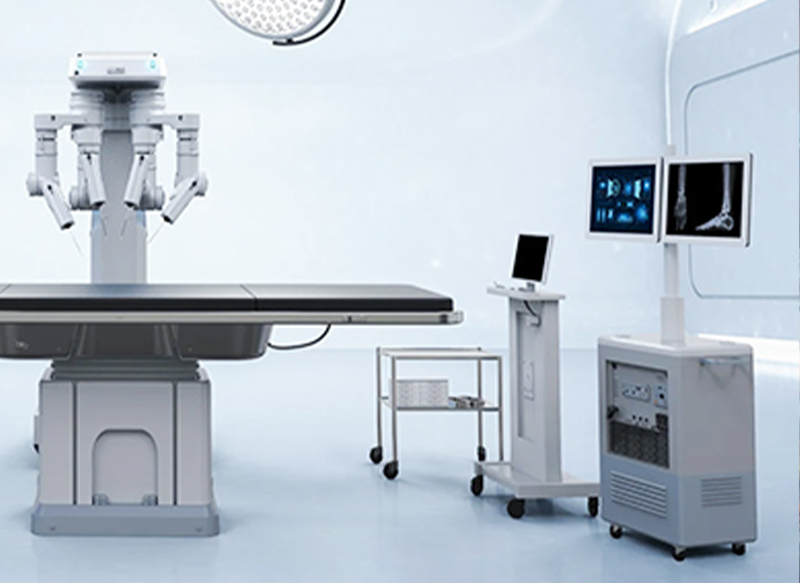
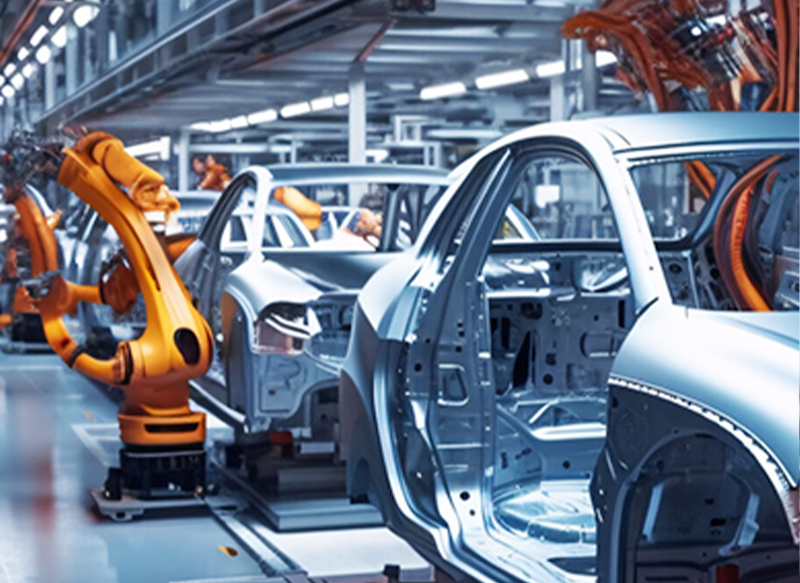
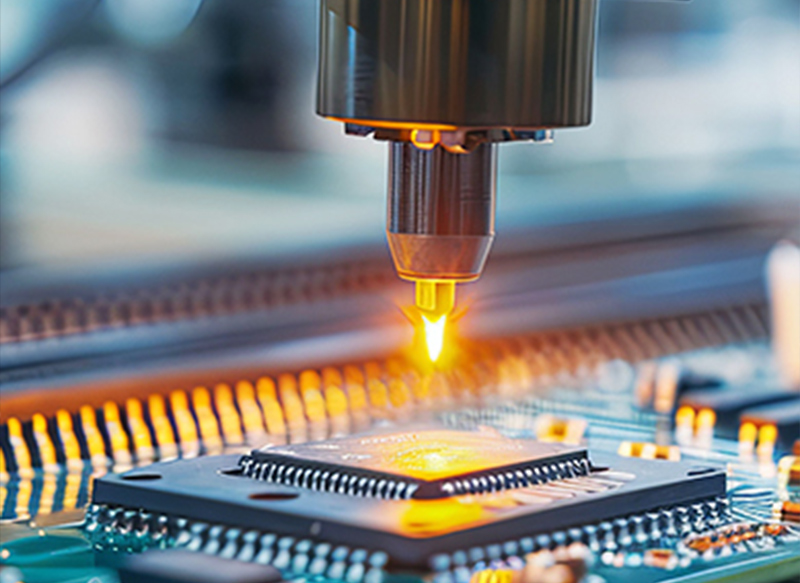




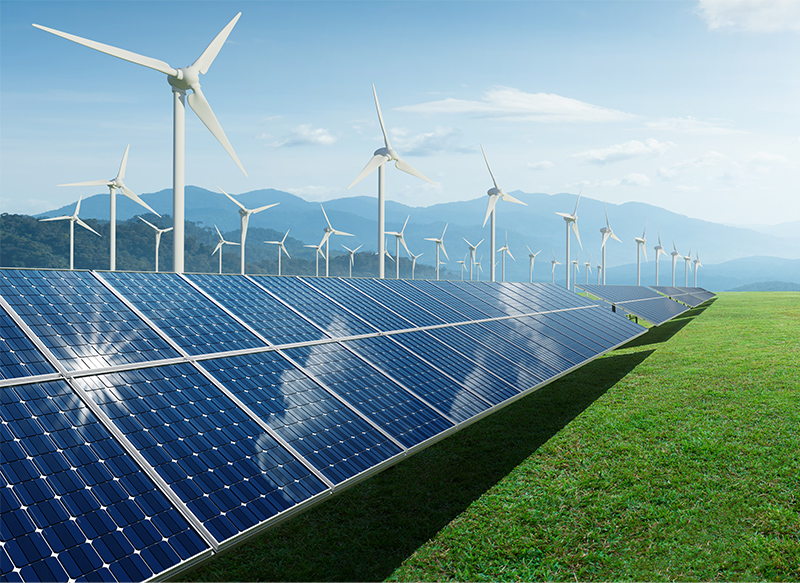
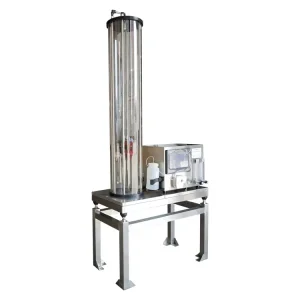
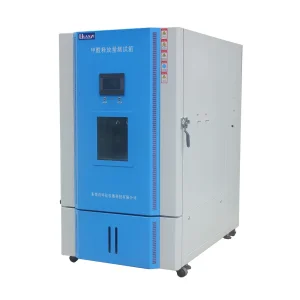
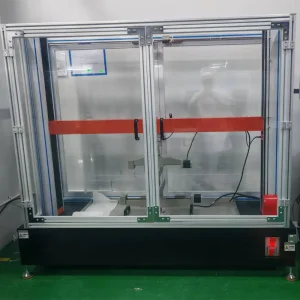
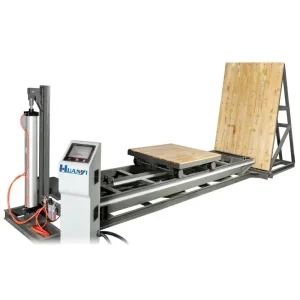
Additional environmental and mechanical testing systems built for diverse validation needs.
 Huanyi