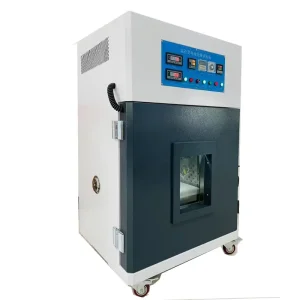
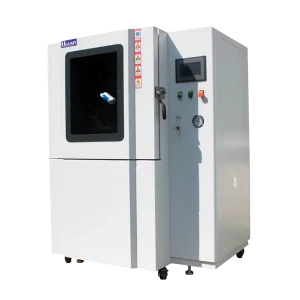
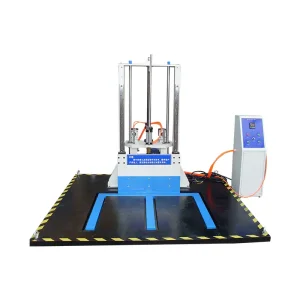
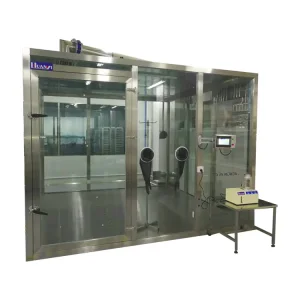
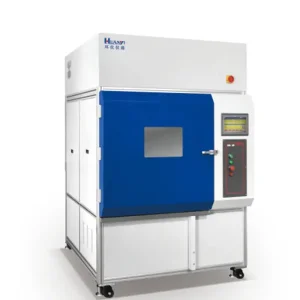
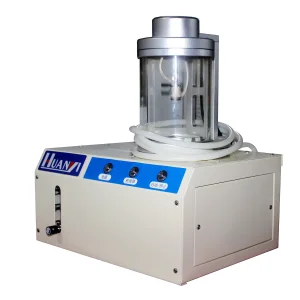
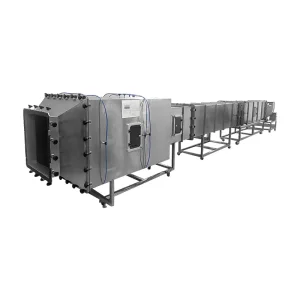
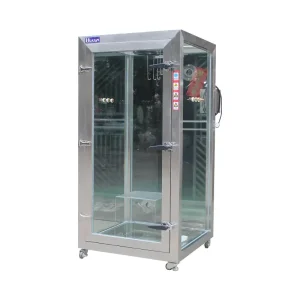
The global walk-in thermal chamber market is shifting towards integration. Modern procurement demands are no longer just about temperature range, but about Semantic Integration of data analytics, IoT monitoring, and energy efficiency. As industries transition to Industry 4.0, testing chambers have become critical nodes in the digital twin ecosystem.
With the surge in electric vehicle (EV) production, factories are requiring massive walk-in chambers to test full-scale battery packs and drivetrains. This has driven a need for explosion-proof and high-ramp-rate thermal solutions that only a specialized OEM factory can provide.
Standardized testing is evolving. Global aerospace entities are demanding chambers that simulate extreme altitude and thermal shock simultaneously. OEM Walk-in Thermal Chamber factories are now pivoting to modular designs that allow for rapid customization of these complex environments.
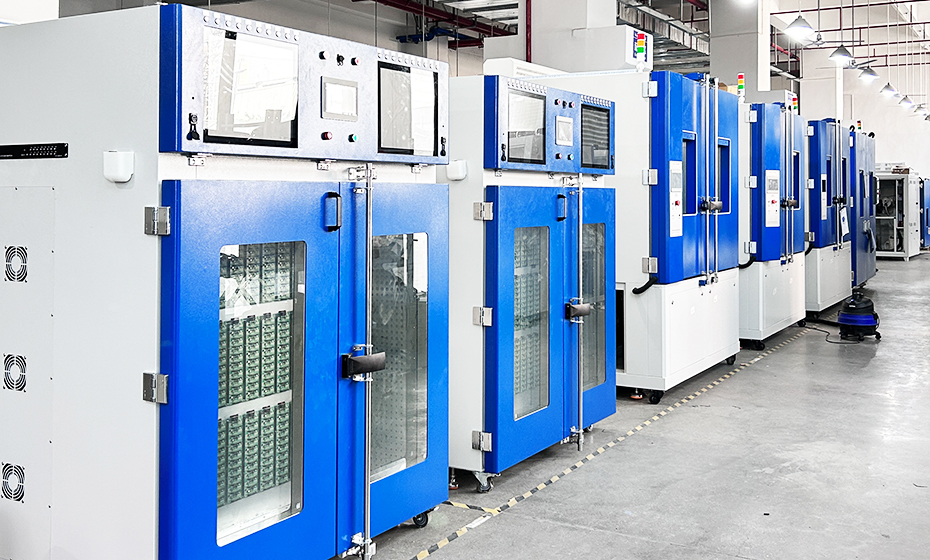
In the landscape of modern manufacturing, the Information Gain provided by rigorous environmental testing is the difference between market leadership and costly product recalls. A Walk-in Thermal Chamber is not merely a piece of equipment; it is a controlled laboratory environment designed to push the boundaries of materials and electronics. By partnering directly with an OEM factory, global enterprises gain access to proprietary engineering techniques that optimize airflow uniformity, energy consumption, and long-term mechanical reliability.
Today's Industrial Thermal Chambers must meet international standards such as ISO, IEC, and MIL-STD, ensuring that products manufactured in one region can survive the climatic rigors of another. From the humid tropics of Southeast Asia to the frigid tundras of Northern Europe, simulation is the key to global scalability.
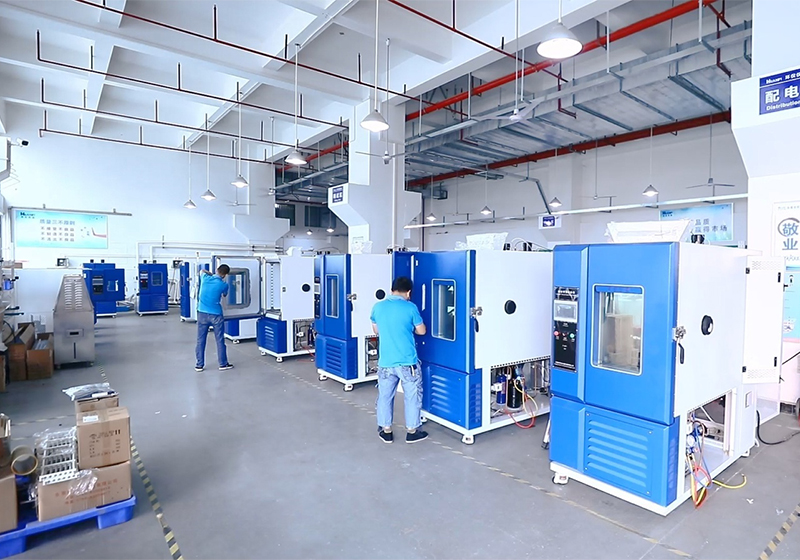
Leveraging laser cutting and automated bending to ensure micron-level precision in chamber insulation and structural integrity.
Real-time monitoring of the production process ensures that every OEM order is tracked from raw material sourcing to final commissioning.
Advanced cutting automation reduces material waste by 15%, contributing to a greener manufacturing footprint and lower costs for clients.
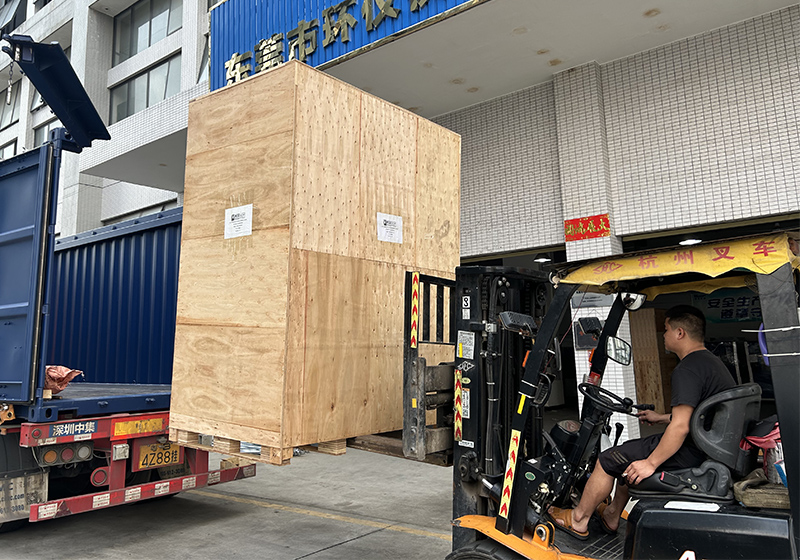
Strategically located in Dongguan, our supply chain is optimized for rapid export to Southeast Asia, Europe, and the Americas.
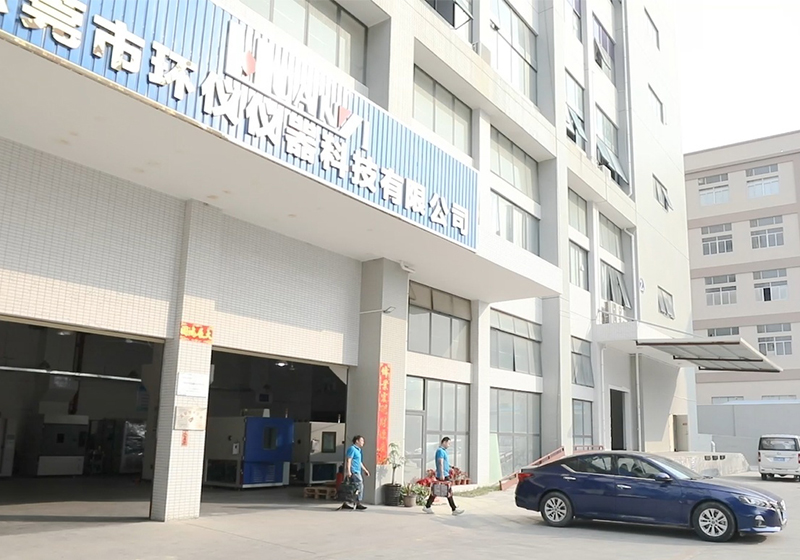
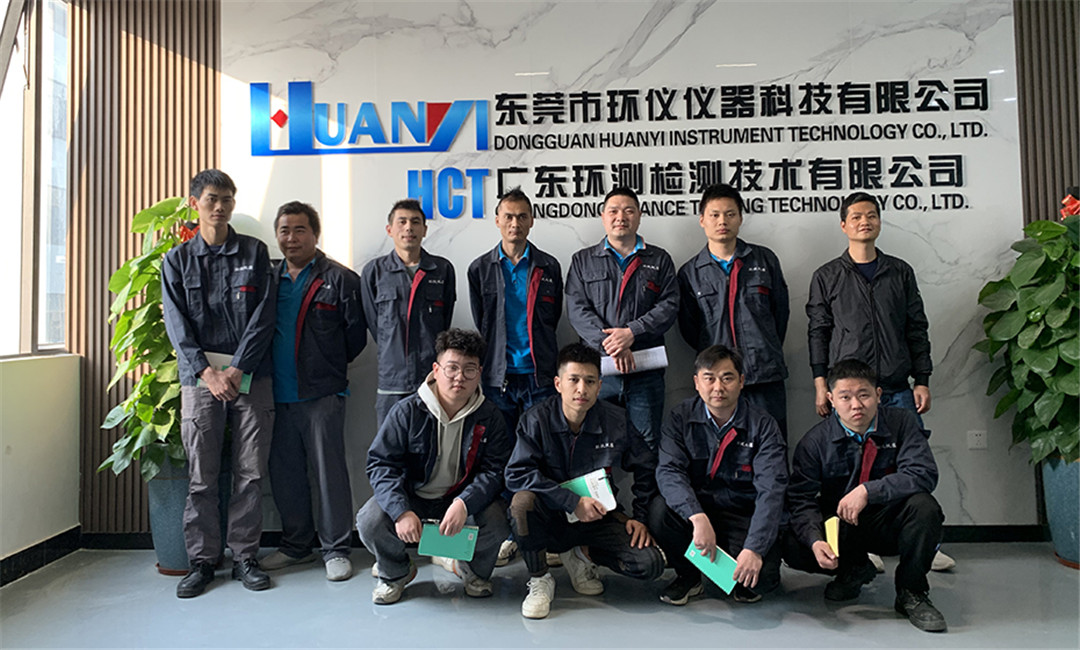
Dongguan Huanyi Instruments Technology Co., Ltd. was established on March 20, 2007, covering an area of 6,022 square meters. As a high-tech enterprise integrating R&D, production, sales, and after-sales service, we have been at the forefront of environmental simulation. We didn't just follow standards; we participated in drafting national and industry standards for environmental simulation test equipment. Our philosophy is "customer-centric, quality-guaranteed, honesty-based, and innovation-oriented."
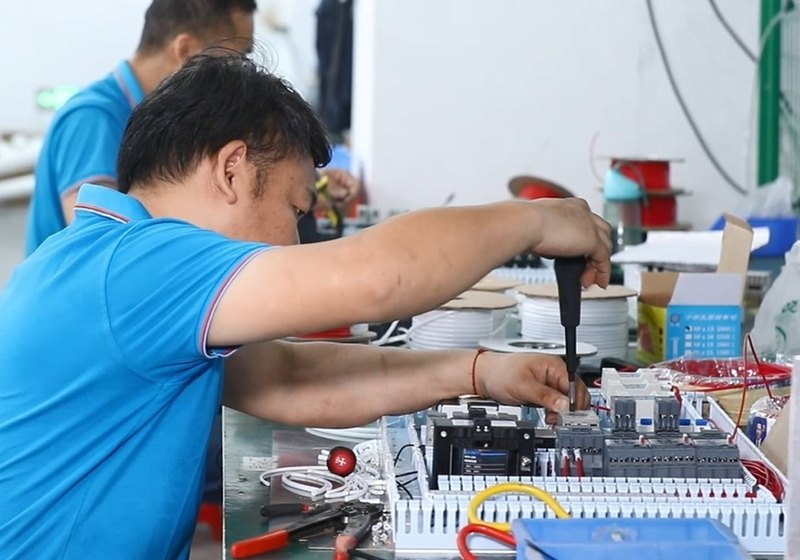
High Quality Control from every aspect of raw material, production, installation, and commission. We use internationally renowned brand components.
With more than 20 years of experience, we meet large-volume production orders using an ERP system to ensure timely delivery.
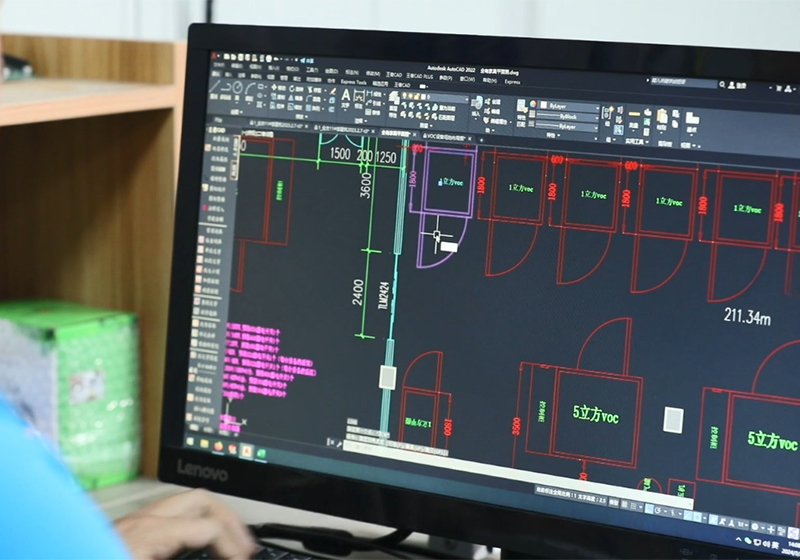
Laser cutting panels, wood ERP systems, and cutting automation help reduce waste and increase structural durability.
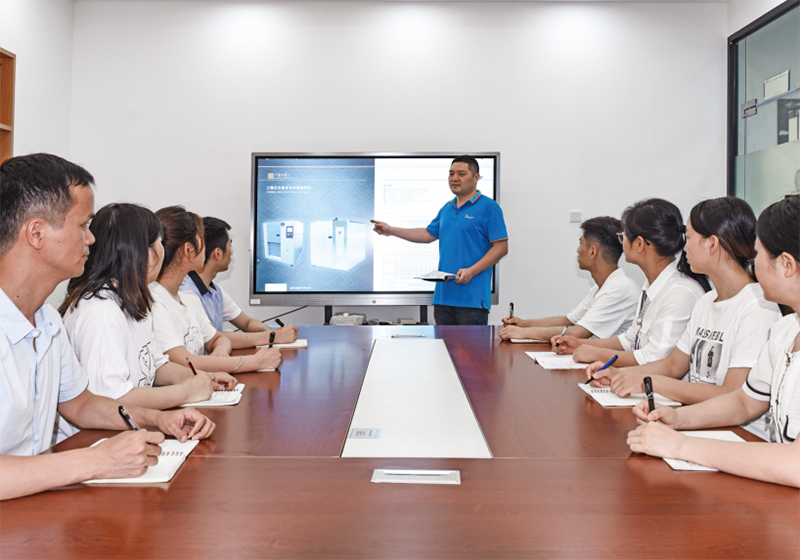
ISO 9001 factory manufacturing. Mature technology and professional after-sales service that spans the globe.
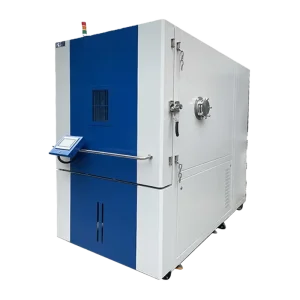
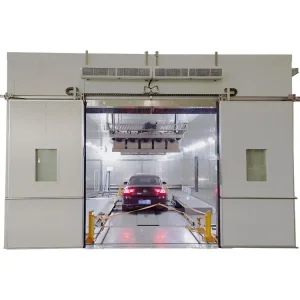
Walk-in chambers are utilized for "Whole Vehicle" testing. Here, the chamber must simulate not just temperature, but infrared solar radiation and variable road-load humidity.
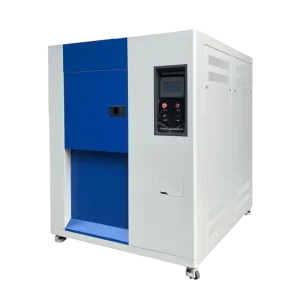
High-density PCB stress testing requires rapid thermal cycling. OEM chambers here are configured for "Air-to-Air" shock to detect solder joint fatigue in minutes rather than weeks.
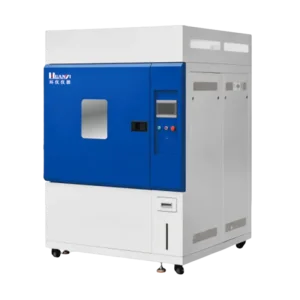
Outdoor inverters and control systems must endure 25 years of weathering. Huanyi's Xenon and Aging chambers provide the Information Gain needed to predict lifetime performance.
A: We utilize CFD (Computational Fluid Dynamics) modeling to design air duct systems, coupled with multi-point PT100 sensors to ensure ±1.0°C uniformity across the entire volume.
A: Yes. We offer explosion-proof configurations (Class I, Div 1/2), pressure relief vents, and gas detection systems for lithium-ion battery testing.
A: Thanks to our Digital Sheet Metal Center and ERP management, standard walk-in units typically ship within 8-12 weeks, depending on complexity.
A: Absolutely. Our after-sales team supports global installation, calibration, and training to ensure compliance with local regulations.
A: We use electronic expansion valves and frequency-variable compressors that can reduce energy consumption by up to 30% compared to traditional hot-gas bypass systems.
A: Our equipment meets GB, ISO, IEC, MIL-STD, and ASTM standards. We also participate in the drafting of national environmental testing standards.
 Huanyi