Custom Fresh air system aerodynamic test bench/air filter performance test bench Suppliers, Factory

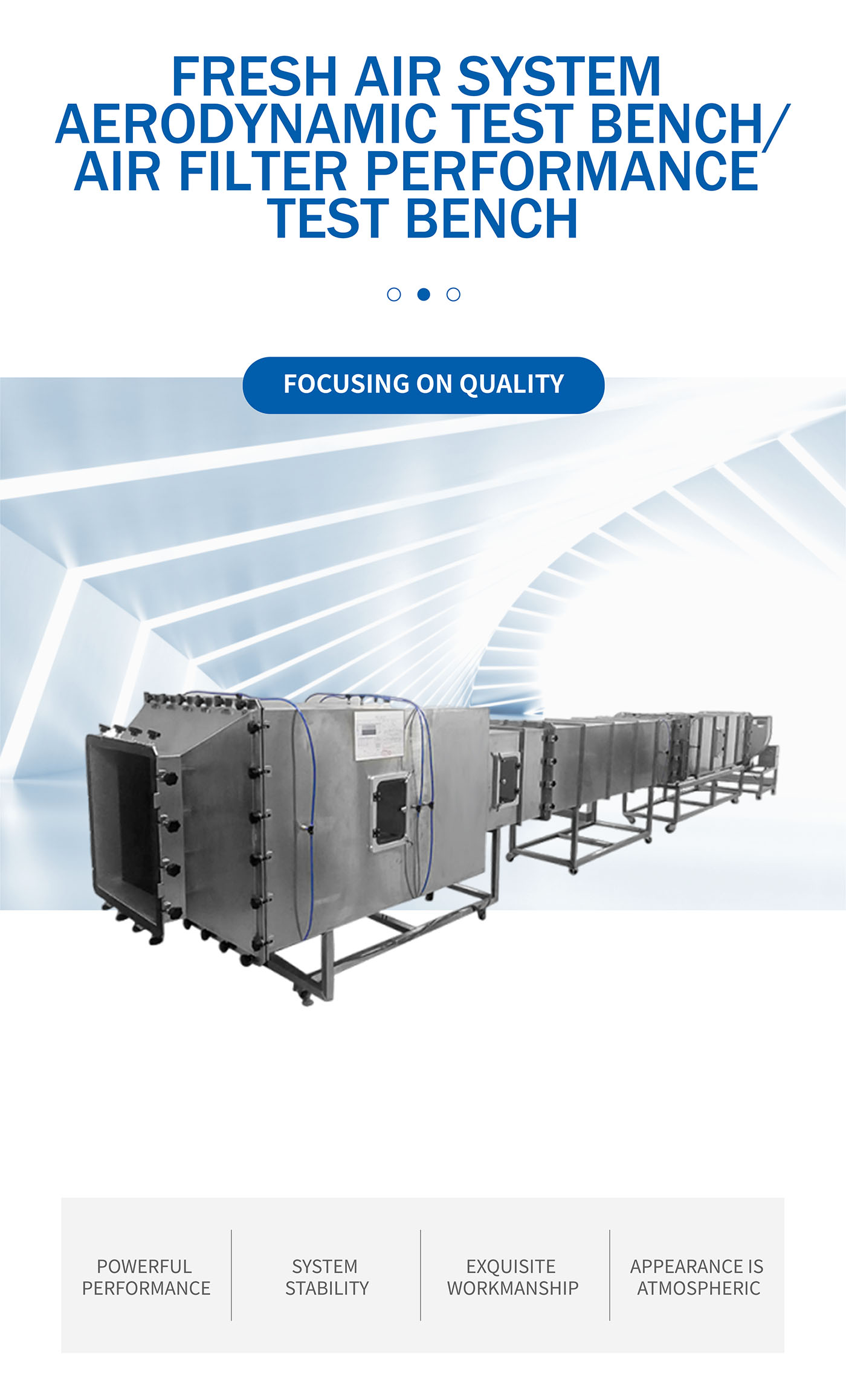
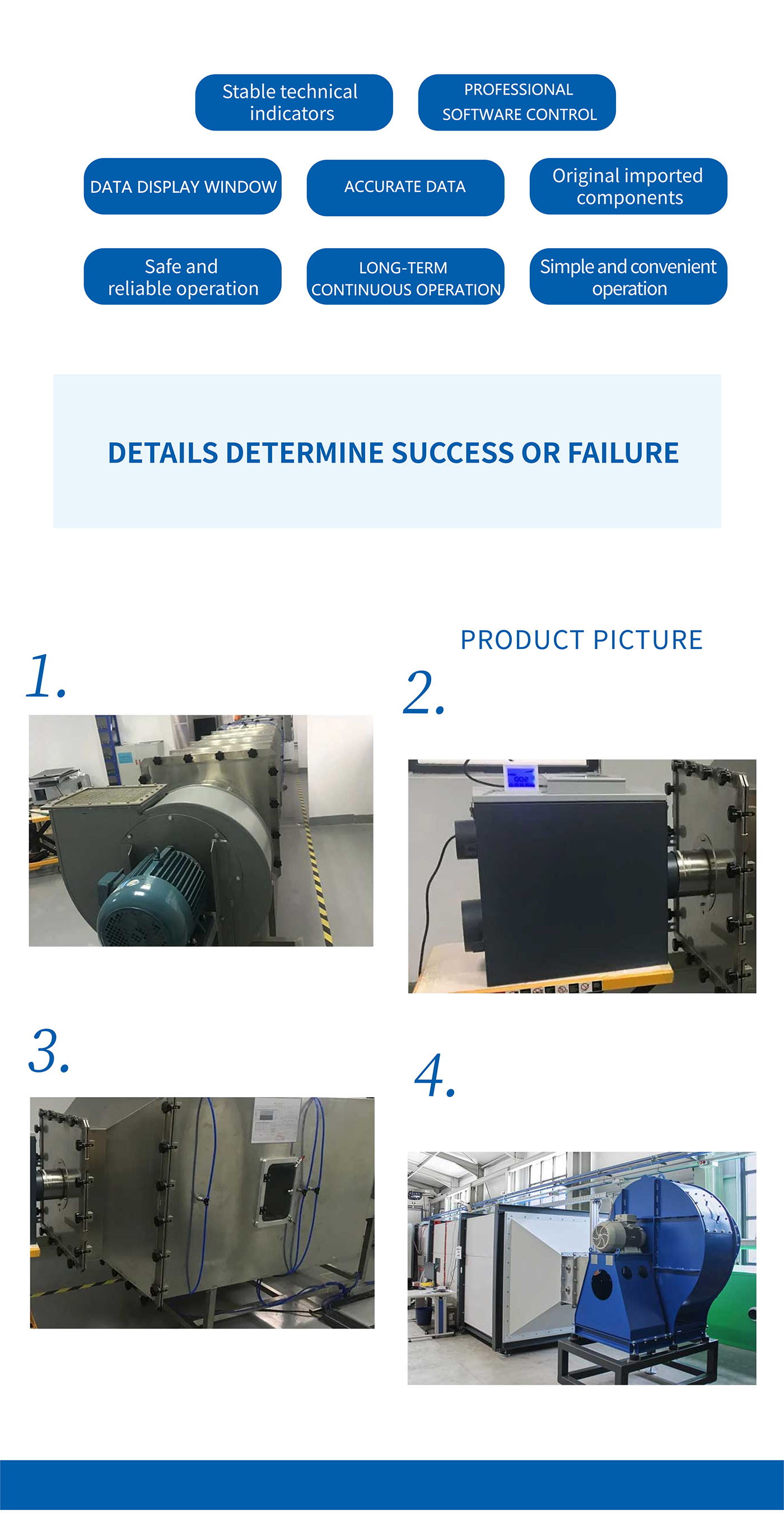
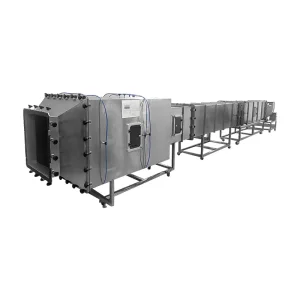
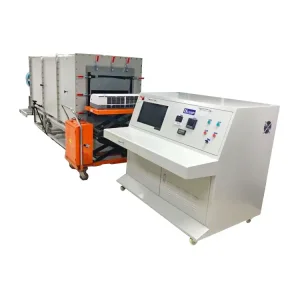
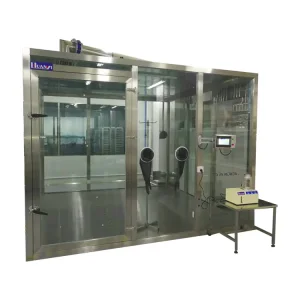
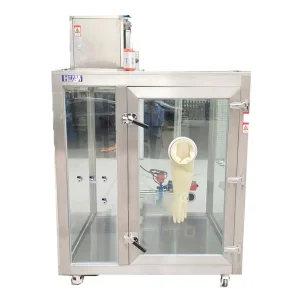
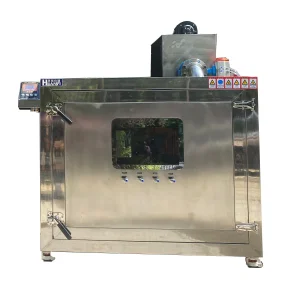
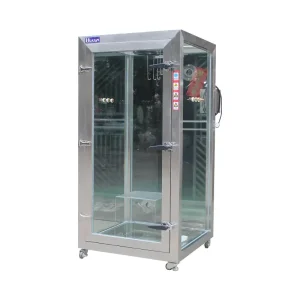
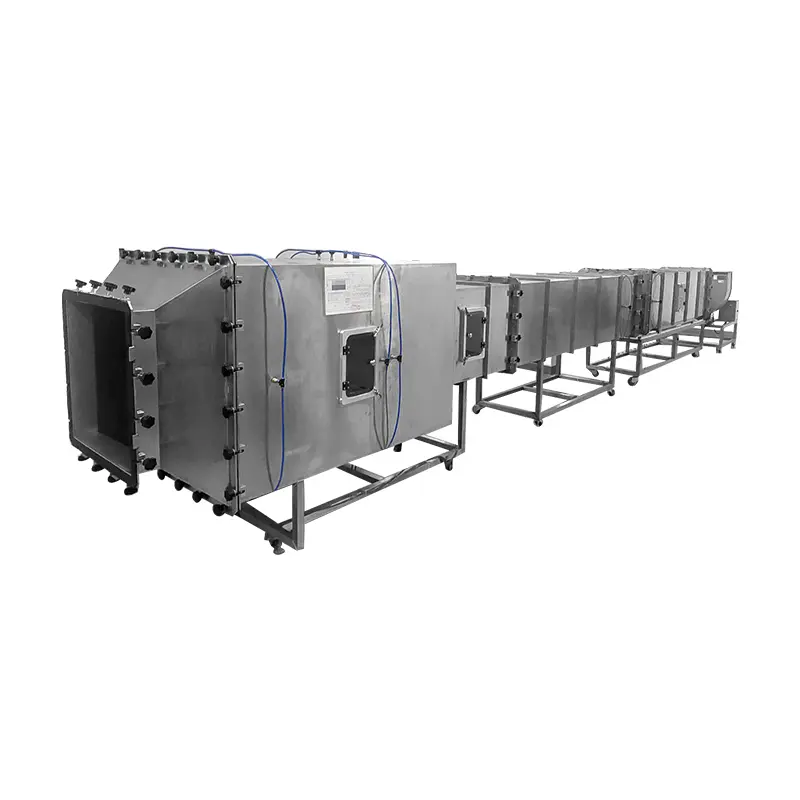
The fresh air system aerodynamic test bench is a device used to test and evaluate the aerodynamic performance of the fresh air system. Through testing, a complete performance curve chart is obtained, providing accurate technical information for corporate product production and R&D, and improving the performance and stability of aerodynamic products.

Product Description

Product Description

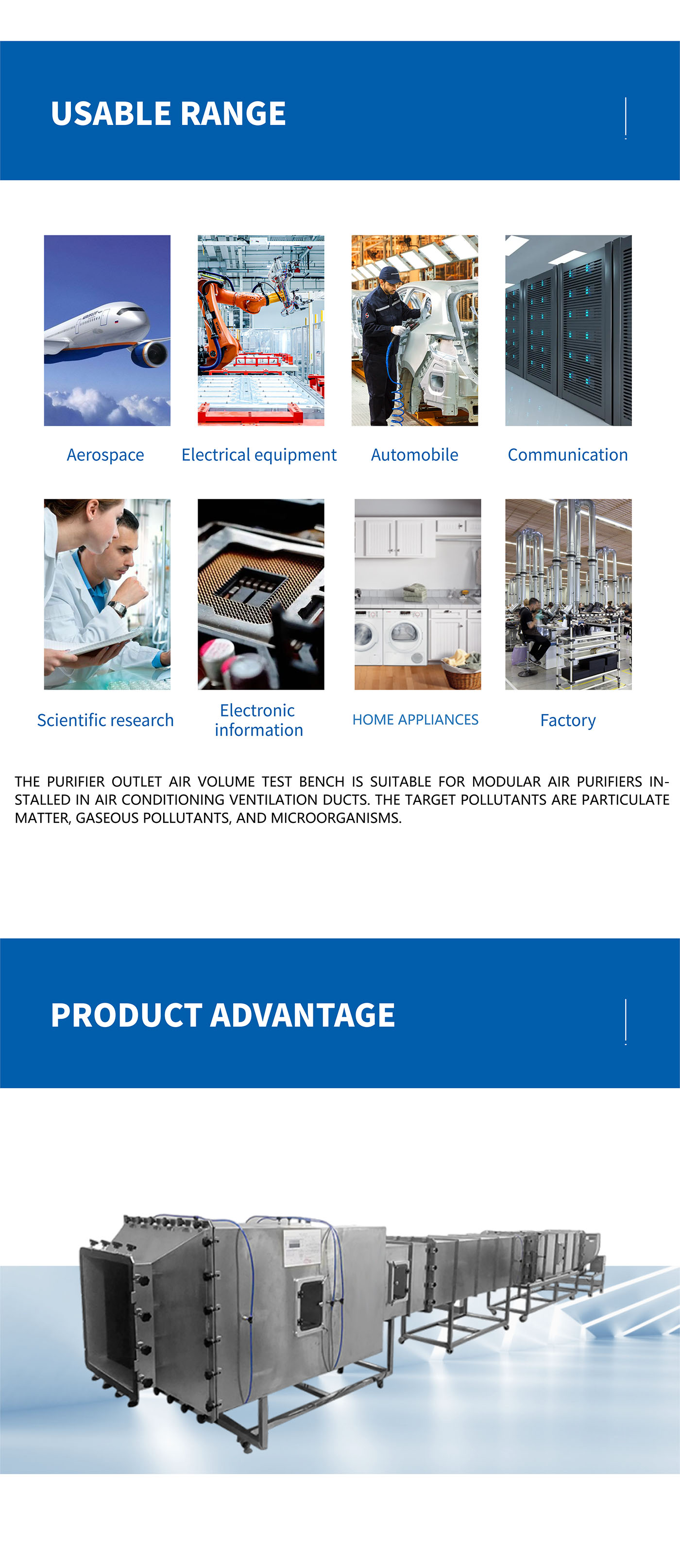
The Test Bench is designed for rapid and accurate analysis of purification performance during product development. It evaluates the effectiveness of components against various pollutants and determines critical physical parameters.

Air duct system
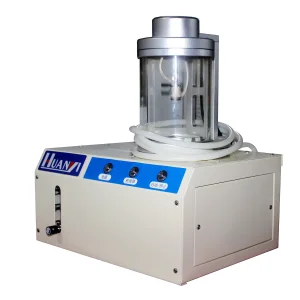
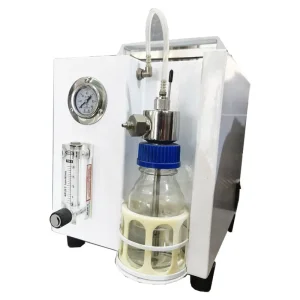
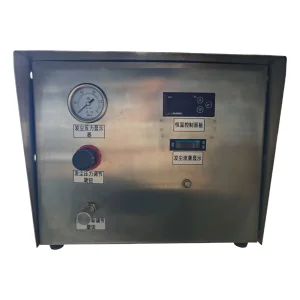
Pollutant generating device (KCL, gaseous, micro)
Nozzle box air volume device
Upstream/downstream sampling ports
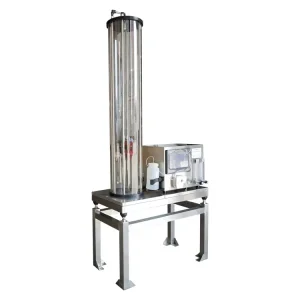
Pollutant concentration tester

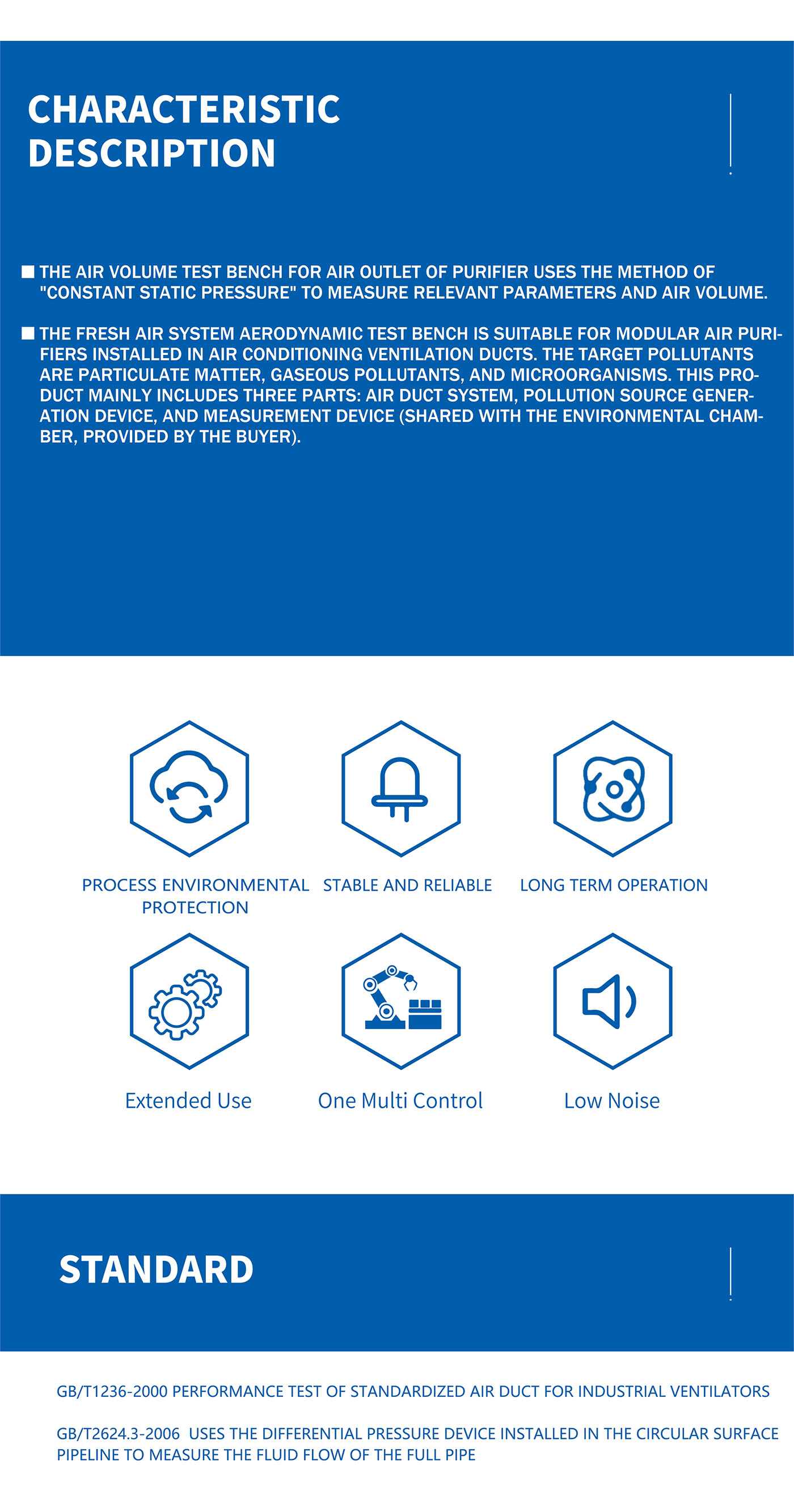
Core Purpose: Facilitates the selection of raw materials, process optimization, and prototype performance testing for particulate matter, toluene, formaldehyde, TVOC, and other pollutants. It measures air volume, resistance, and one-time effectiveness.

Meet the Standards

● GB/T 18801-2015 Air Purifier
● GB 1236-2000 Industrial Ventilator
● GB/T 14295-2019 Air Filter
● GB/T 21087-2007 Air Energy Recovery Device
● GB/T 34012-2017 Air purification device
● EN 779:2012 Air Particulate Filter
● ISO 16890 Test Standard for Air Filters
● T/CAQI 10-2016 Fresh Air Purifier

Technical Parameters

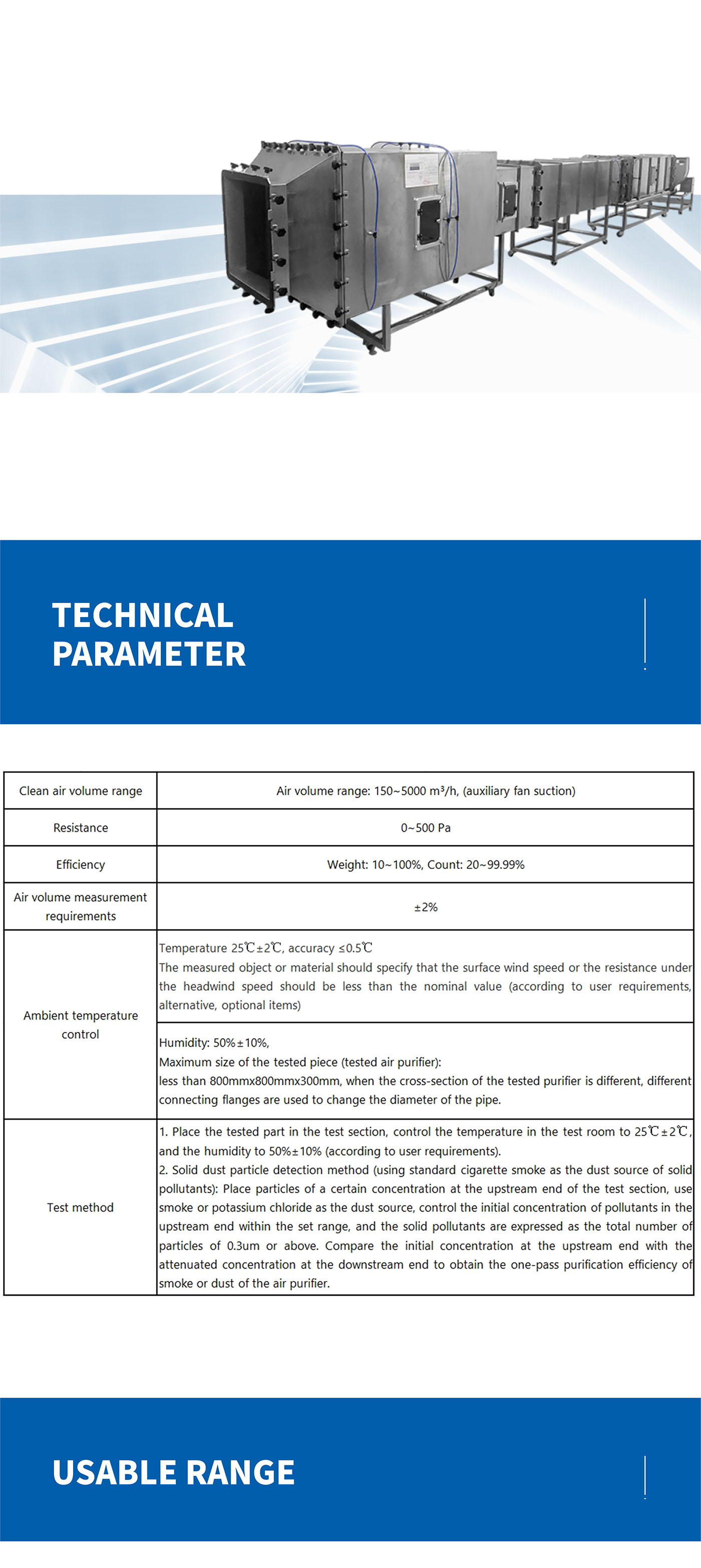
Clean Air Volume 150~5000 m³/h (auxiliary fan suction)
Resistance Range 0~500 Pa
Efficiency Weight: 10~100%, Count: 20~99.99%
Volume Measurement Accuracy ±2%
Environment Control Temp: 25℃±2℃ (accuracy ≤0.5℃); Humidity: 50%±10%
Maximum Piece Size Less than 800mm x 800mm x 300mm
Test Method Solid dust particle detection using cigarette smoke or potassium chloride as pollutant source (0.3um+ particles).

Product Gallery

Frequently Asked Questions

Q1: What is the maximum air volume the test bench can handle?
A: The system supports an air volume range from 150 to 5000 m³/h, utilizing an auxiliary fan suction method.
Q2: Which pollutants can be tested using this equipment?
A: It can analyze purification effects for particulate matter (solid aerosols like KCL), toluene, formaldehyde, TVOC, and microorganisms.
Q3: Does the system comply with international filtration standards?
A: Yes, it meets several major standards including ISO 16890, EN 779:2012, and various GB/T national standards for air purifiers and filters.
Q4: How accurate is the temperature and humidity control?
A: The system maintains a temperature of 25℃±2℃ with an accuracy of ≤0.5℃, and humidity at 50%±10%.
Q5: What are the size limitations for the tested air purifiers?
A: The maximum cross-section size for the tested piece is typically less than 800mm x 800mm x 300mm. Custom flanges can be used for different pipe diameters.
Q6: How is the purification efficiency calculated?
A: Efficiency is determined by comparing the initial pollutant concentration at the upstream end with the attenuated concentration at the downstream end after passing through the test section.

Related Products