Explore our industrial environmental simulation chambers and specialized testing equipment manufactured to strict OEM standards.
In modern industrial manufacturing, the demand for high-strength, fatigue-resistant, and chemically stable components has propelled vacuum heat treatment to the forefront of material science. Unlike traditional atmospheric furnaces, a vacuum heat treat oven operates under extremely low pressures (typically ranging from 10-2 to 10-6 mbar). This oxygen-free environment completely eliminates oxidation, decarburization, and surface contamination, allowing critical metals to retain their structural integrity, precise dimensional tolerance, and brilliant surface finish.
For industries such as aerospace, defense, automotive electrification (EVs), and biomedical engineering, thermal processing is not just a secondary step; it is the core determinant of component longevity. High-precision tooling, turbine blades, surgical implants, and advanced semiconductor sensors depend on uniform heating and controlled cooling rates. As a leading manufacturer and supplier of sophisticated environmental and thermal testing solutions, Dongguan Huanyi Instruments Technology Co., Ltd. builds critical bridges between thermal processing and rigorous testing verification, ensuring compliance with global specifications like AMS2750G (Pyrometry) and CQI-9.
Analyzing Total Cost of Ownership (TCO), gas consumption efficiency, electrical footprint, and integration with automated MES lines for multi-facility operations.
Navigating the shift toward high-pressure gas quenching (HPGQ), multi-chamber continuous ovens, and smart, IoT-enabled control algorithms.
Meeting aerospace-grade AMS2750G pyrometry requirements, ensuring Class 1 temperature uniformity, and verifying outgassing levels via VOC chambers.
How procurement directors and metallurgists qualify OEM vacuum heat treatment suppliers based on strict engineering benchmarks.
When multi-national corporations procure high-temperature vacuum equipment, they focus heavily on custom thermodynamic designs. A standard "off-the-shelf" system rarely suffices for the complexities of modern metallurgy. Buyers evaluate custom manufacturers based on several critical criteria:
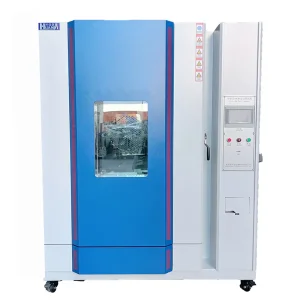
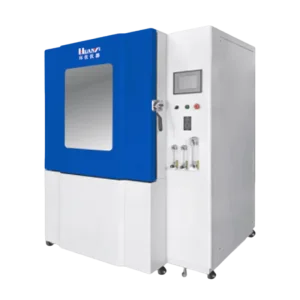
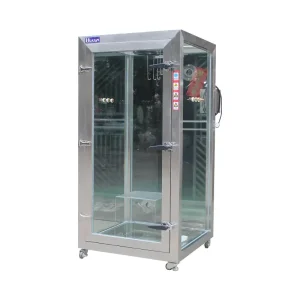
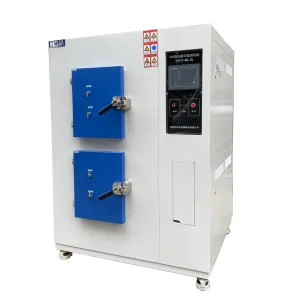
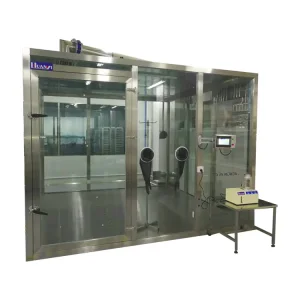
Furthermore, post-heat-treat validation is critical. Vacuum systems are increasingly paired with VOC (Volatile Organic Compound) emission chambers and environmental test chambers to analyze outgassing dynamics. Parts heat-treated under vacuum must not emit compounds when subjected to operational temperatures in aerospace cabins or automotive cockpits. This makes our comprehensive lineup of testing chambers essential for total validation cycles.
| Parameters | Standard Specifications | Advanced Options |
|---|---|---|
| Operating Temperature | Up to 1300°C | Up to 1600°C - 2000°C |
| Temperature Uniformity | ±5°C (AMS2750G Class 2) | ±3°C (AMS2750G Class 1) |
| Ultimate Vacuum Level | 10-3 mbar (Roughing) | 10-6 to 10-8 mbar (Diffusion/Turbo) |
| Quench Pressure | 2 Bar to 6 Bar (N2) | Up to 20 Bar (Argon/Helium mix) |
| Insulation Type | Rigid Graphite Fiber Felt | Molybdenum / Stainless Steel Shielding |
Deploying specialized thermal engineering across high-value industrial manufacturing pipelines.
Aerospace structural parts, fasteners, and turbine blade alloys require vacuum annealing, solution heat treating, and precipitation hardening. The priority is absolute pyrometric compliance.
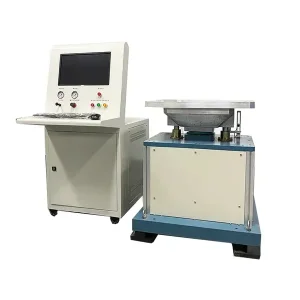
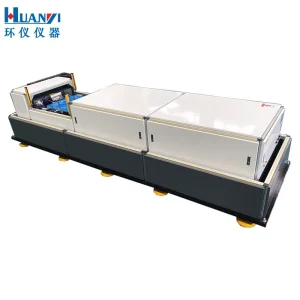
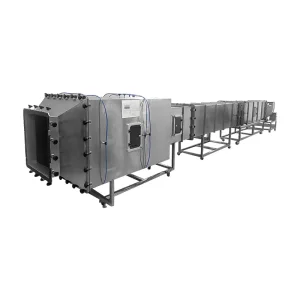
Typical Verification: Post-treatment fatigue testing and aerodynamic horizontal impact response spectrum testing to check mechanical resonance tolerances under extreme thermal stress.
Low-pressure vacuum carburizing (LPC) is standard for transmission gears and drive motors. This technique minimizes distortion while providing high surface hardness and deep carbon cases.
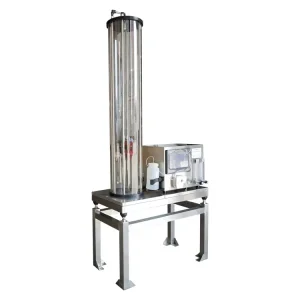
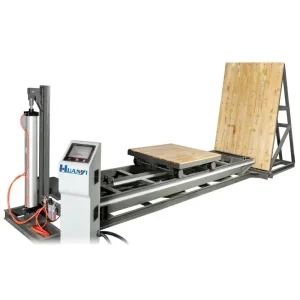
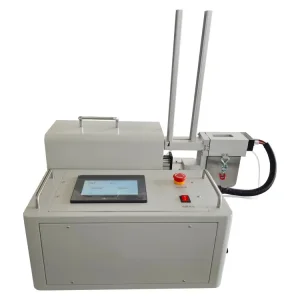
Typical Verification: Shock resistance validation using pneumatic impact crash test benches to ensure case-hardened layers withstand high sudden torque impact profiles.
Sintering and bonding of micro-electromechanical systems (MEMS) in vacuum conditions prevent microscopic oxidation that degrades electric conductivity and signal accuracy.
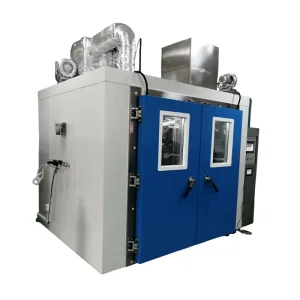
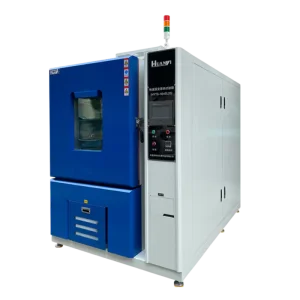
Typical Verification: Multi-sensor calibration test chambers verify post-processed sensor accuracy across high-temperature and humidity margins.
Dongguan Huanyi Instruments Technology Co., Ltd. was established on March 20, 2007, covering an area of 6,022 square meters. Over the past decades, it has grown into a prestigious high-tech enterprise integrating R&D, production, sales, and comprehensive after-sales services. Significantly, Huanyi has actively participated in the drafting of national standards and industry standards for environmental simulation test equipment.
Our foundational philosophy is "customer-centric, quality-guaranteed, honesty-based, and innovation-oriented". Through unremitting efforts, Huanyi has cultivated a high-quality team with rich production, R&D, and management experience. By implementing automated processes like laser cutting and deploying a robust Enterprise Resource Planning (ERP) tracking system, we maximize manufacturing precision while minimizing material waste.
Understanding the micro-level structural changes during vacuum thermal cycles and the necessity of testing.
During a vacuum heat treatment cycle, as materials are heated up to 1300°C under vacuum, high vapor pressure impurities and volatile organic compounds (VOCs) are baked out of the substrate. This process is beneficial for the material purity but requires precise tracking. If outgassing is incomplete, the component will release volatile compounds during operation, leading to failures in cleanrooms or electronics.
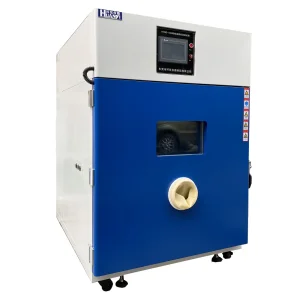
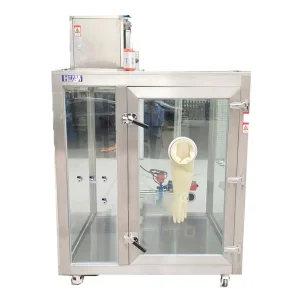
To qualify materials post-treatment, manufacturers utilize VOC/aldehyde/ketone environmental chambers. For example, automotive interior components that undergo thermal curing or press molding are tested in a sampling bag method chamber (such as our custom automotive interiors VOC chamber) to verify that chemical emissions fall within regulatory safety levels. Consequently, the combination of advanced heat treatment and high-precision environmental chambers represents a closed-loop quality program.
Our environmental and thermal processing chambers support industries from research phase to logistics delivery.
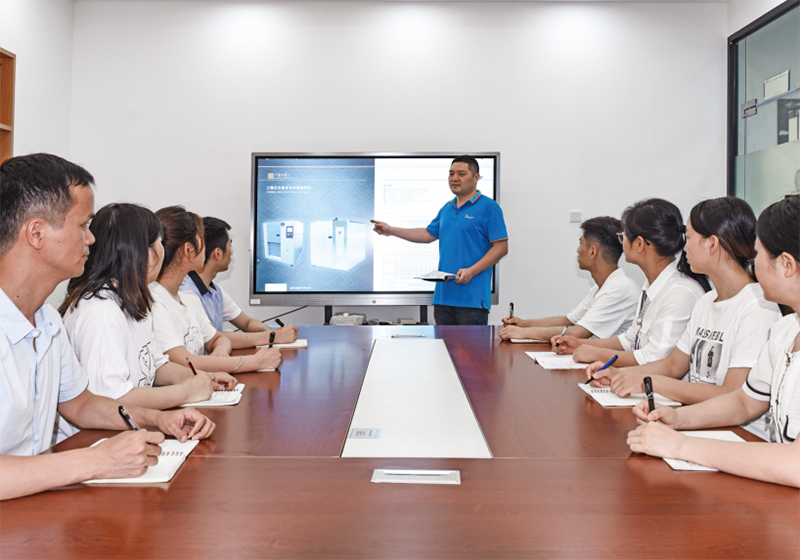
Testing high-frequency communication transmitters under extreme thermal cycles and signal stability ranges.
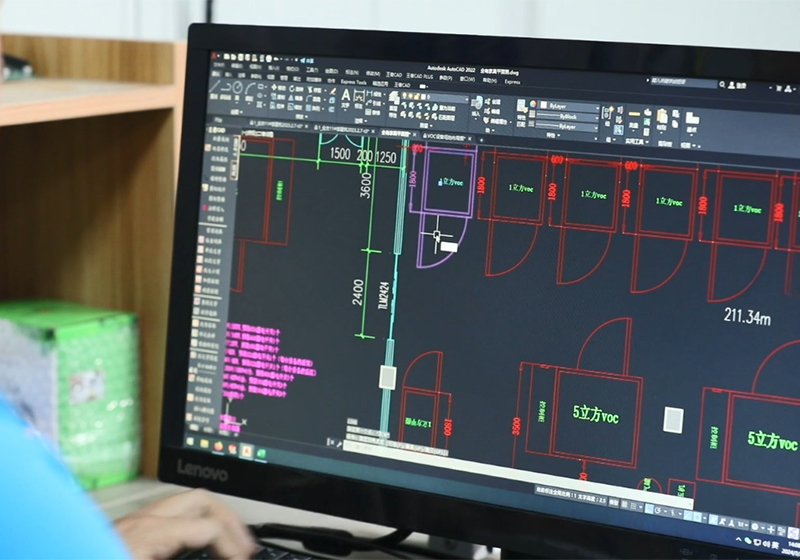
Empowering universities and national laboratories with highly controllable thermodynamic research instruments.
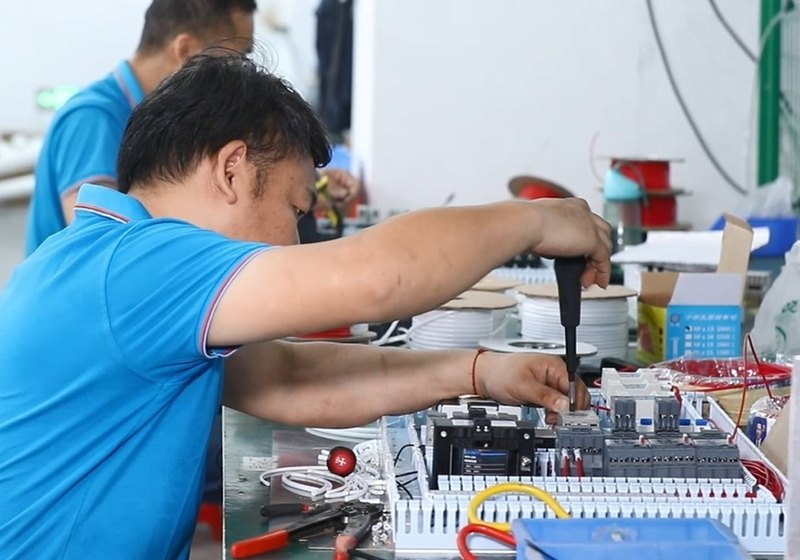
Integrating heat treatments and testing directly into standardized ERP-managed manufacturing workflows.
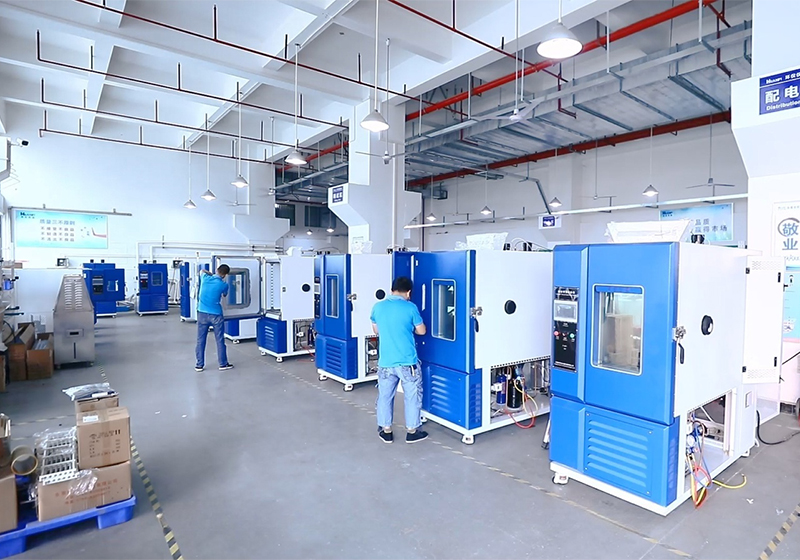
Performing critical quality gate inspections before parts leave the fabrication facility floor.
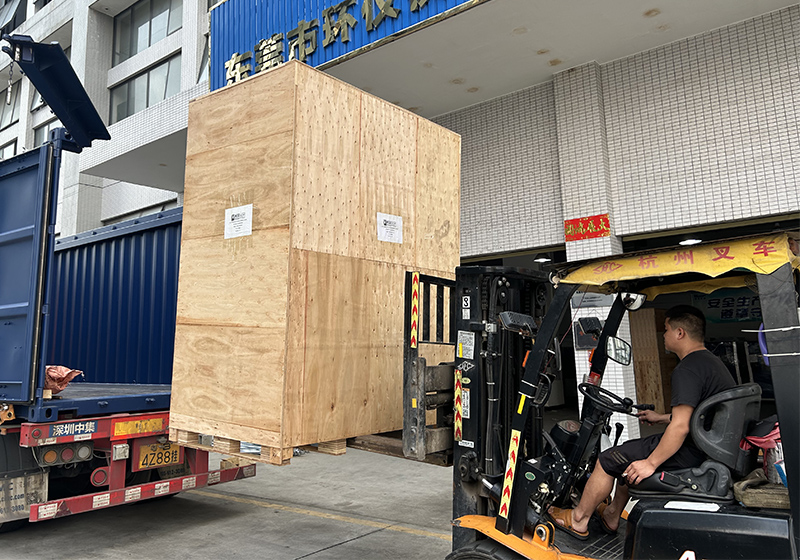
Simulating shock, vibration, and atmospheric pressure changes experienced during global cargo shipments.
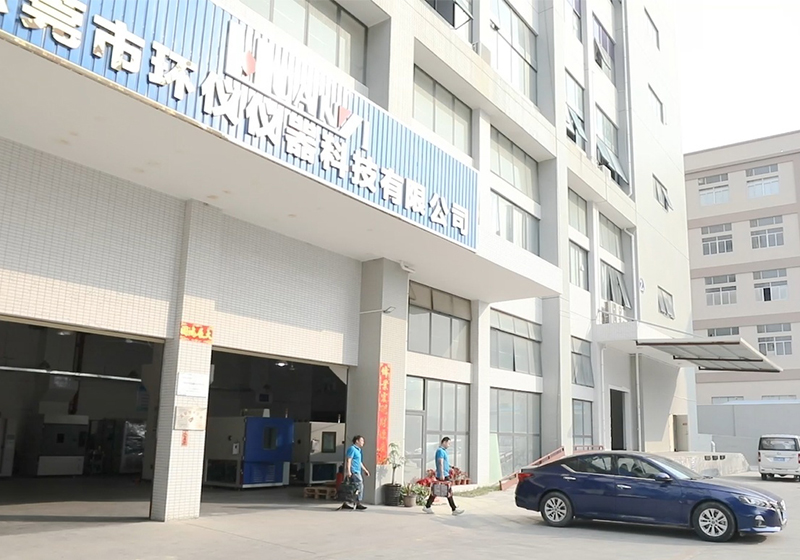
Guaranteeing long-term reliability through localized calibration support, spare parts, and on-site repair.
How our engineering culture and modern factory layout translate to higher ROI for our customers.
High quality control is maintained in every single aspect, from raw material procurement to electrical installation, structural welding, and final software commissioning.
With more than 20 years of technical expertise, our professional R&D and production teams meet high-volume custom OEM specifications while adhering to strict schedules monitored via our enterprise ERP systems.
Advanced machinery including digital laser cutters, automatic plate benders, and modern welding stations streamline manufacturing and drastically reduce steel/insulation material waste.
All structural and electrical hardware is sourced from internationally recognized components (e.g., Schneider electrics, Leybold pumps) to verify reliable operation.
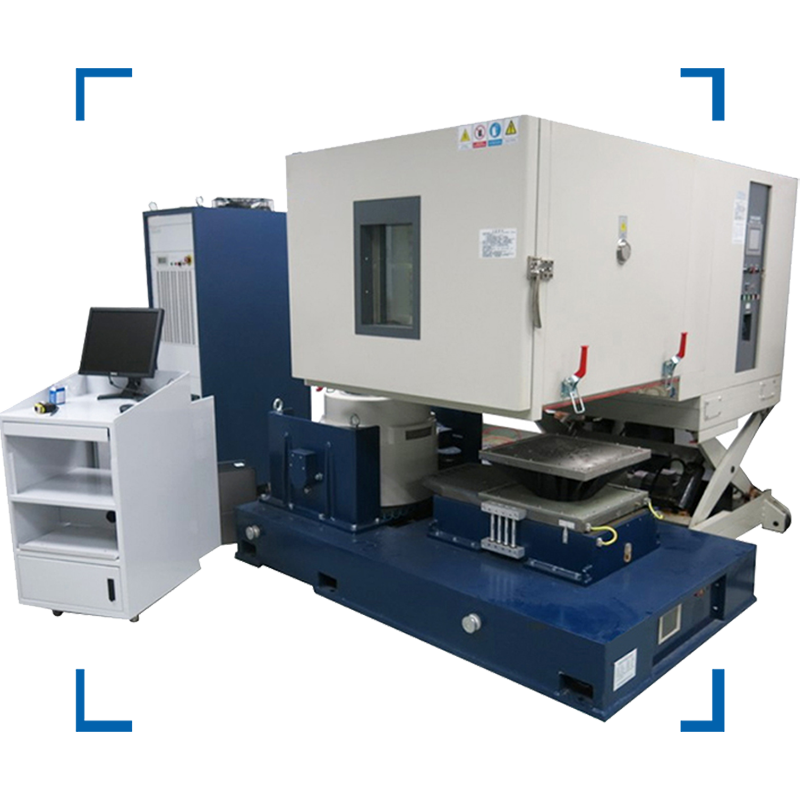
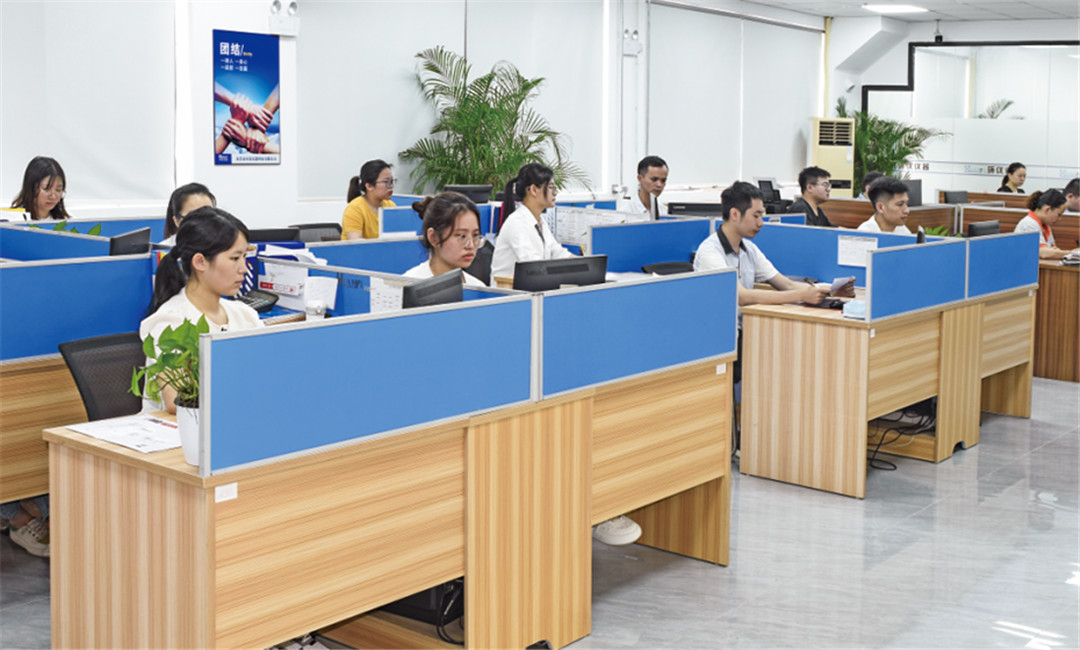
Tour our state-of-the-art storage, testing, and assembly centers in Dongguan.
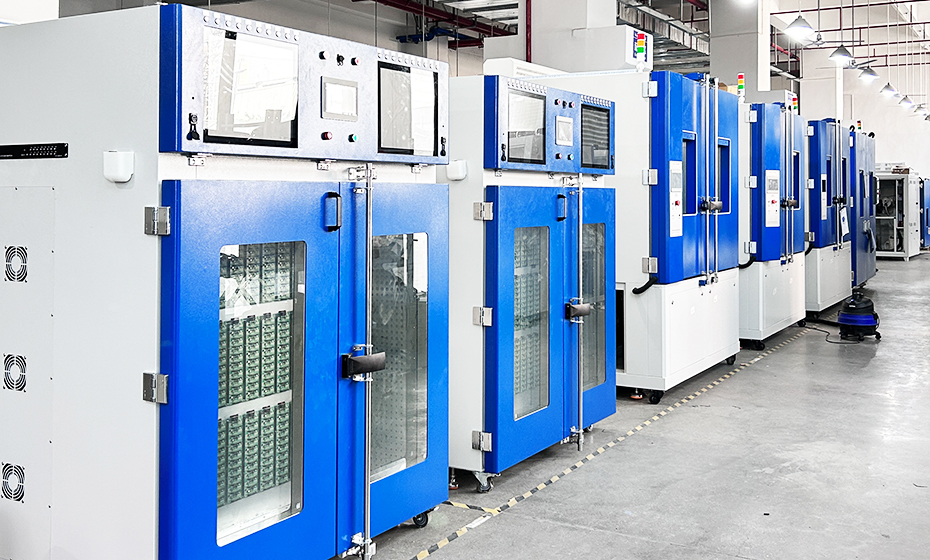
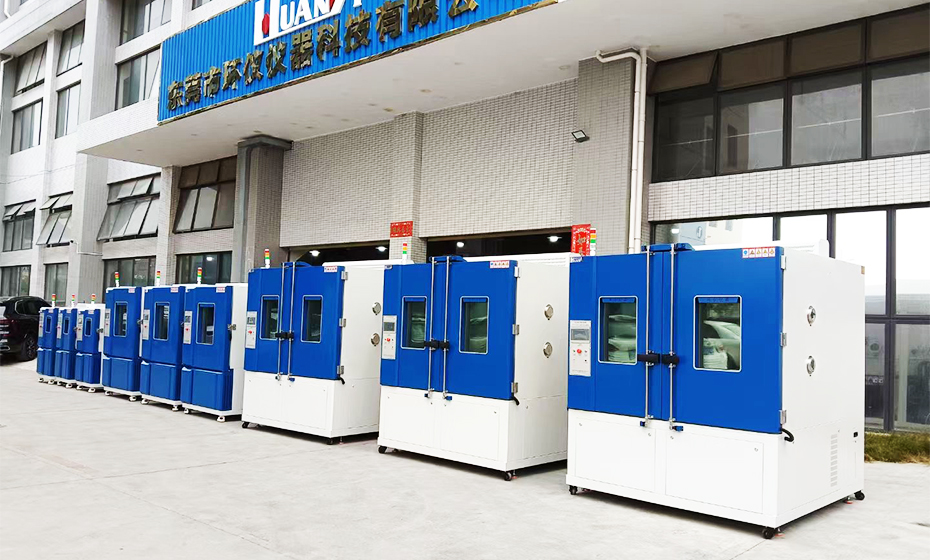
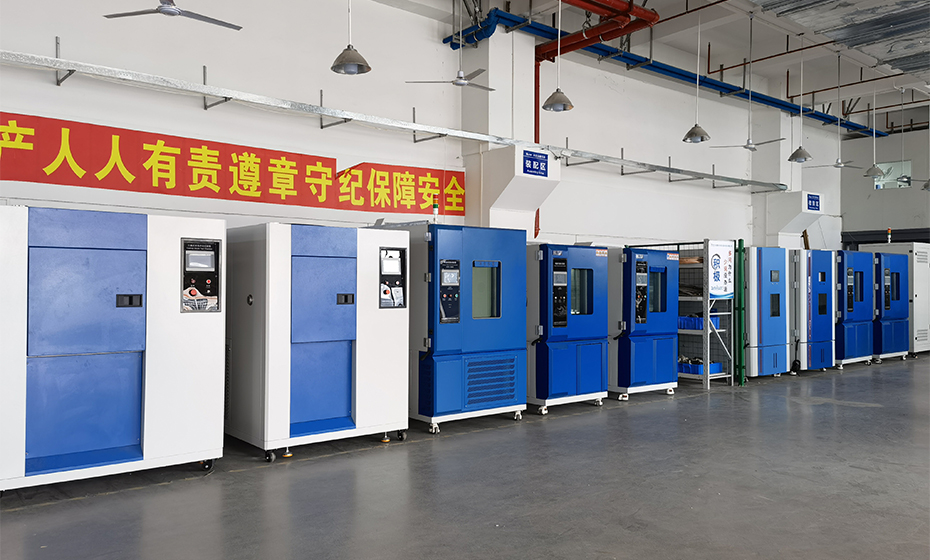
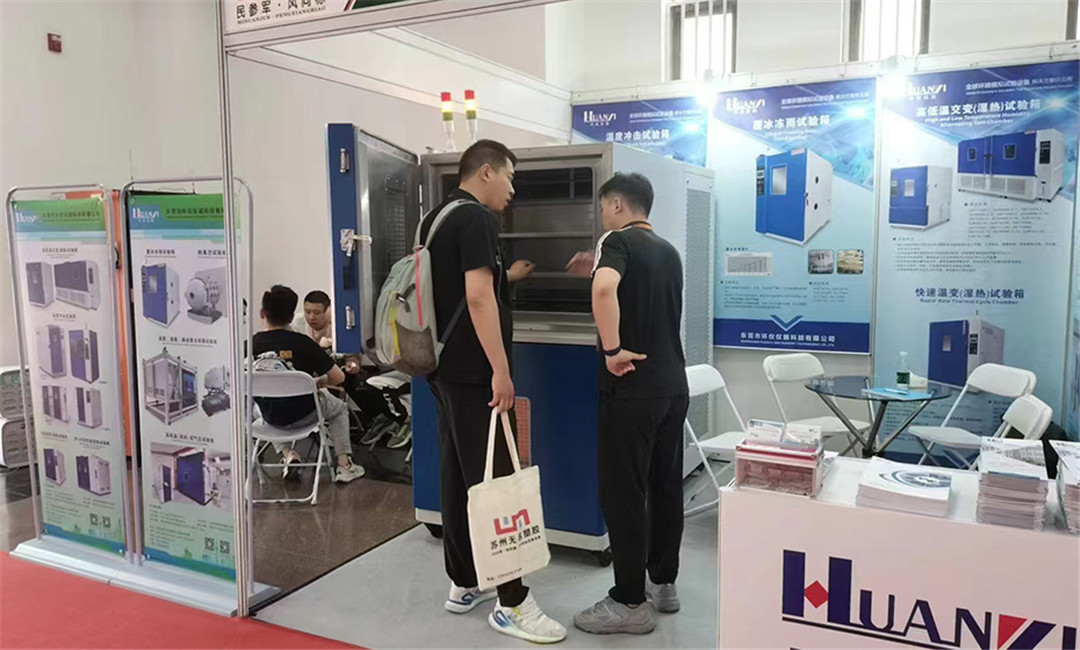
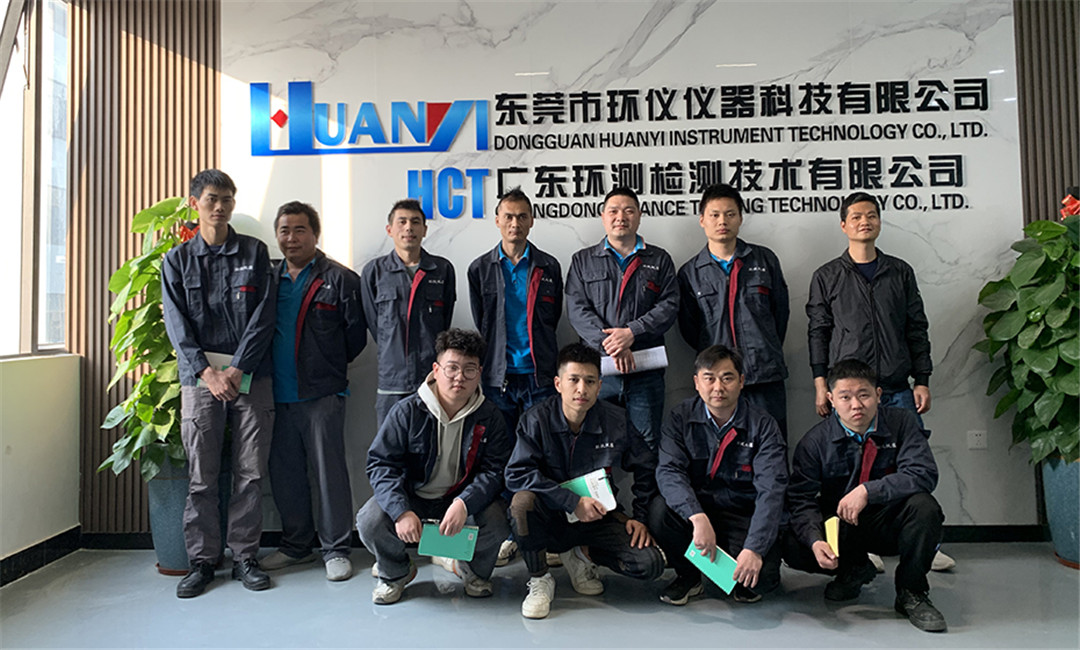
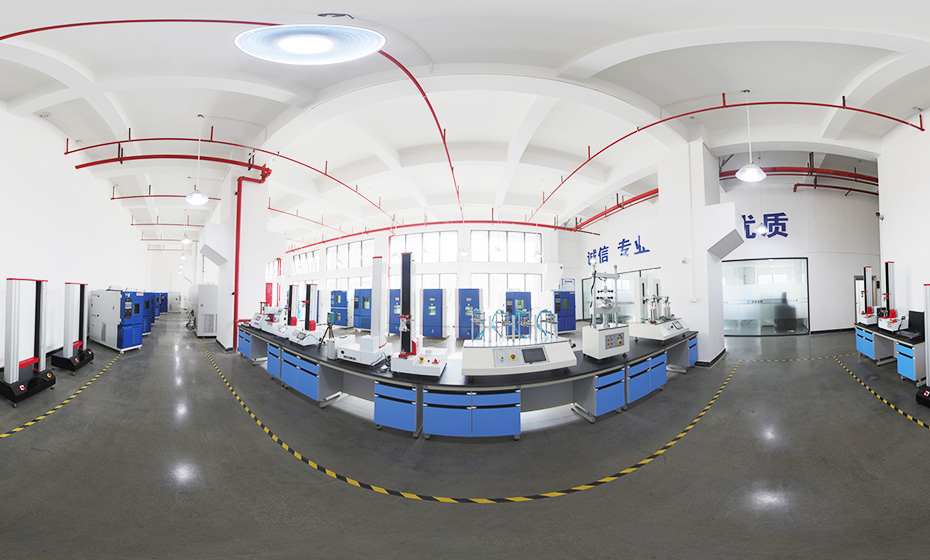
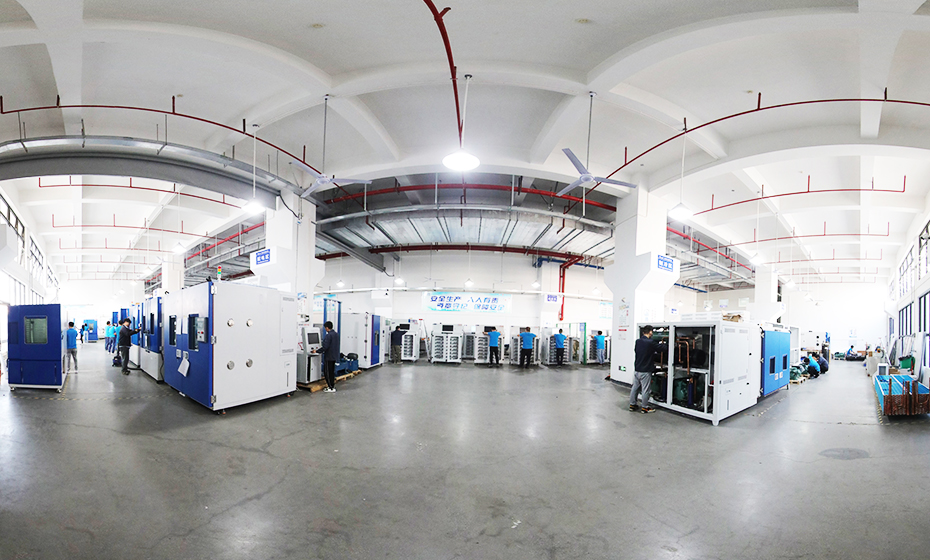
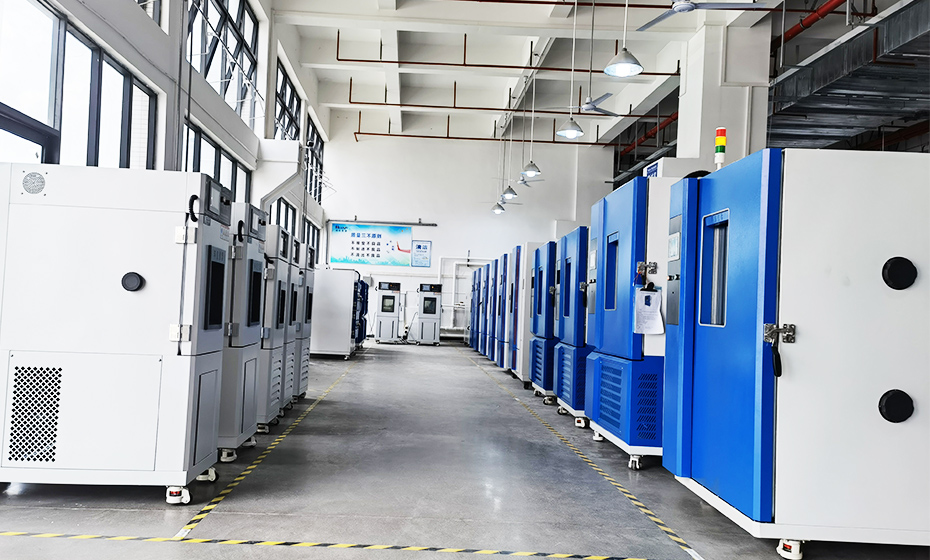
A history of commitment, technological achievements, and standardization leadership since 2007.
Dongguan Huanyi Instrument Technology Co., Ltd. was established in Dongguan, focusing on environmental testing equipment R&D.
Established the Jiangsu Regional Office to support growing electronics fabrication hubs in Eastern China.
Established Xian and Chongqing Offices to cover thermal test demands from Western China military and aerospace manufacturing.
Established Shanghai and Beijing Offices, creating a comprehensive sales and technical network in tier-1 metropolises.
Established the Digital Sheet Metal Fabrication Center, introducing automated laser cutting and precision processing stations.
Passed the international Quality Management System Certification ISO9001:2015, solidifying standardized factory protocols.
Began drafting national standards such as GB5364 & GBT50325. Rated as an official Chinese high-tech enterprise for six consecutive years.
Established the dedicated testing laboratory subsidiary: Guangdong Huance Testing Technology Co., Ltd.
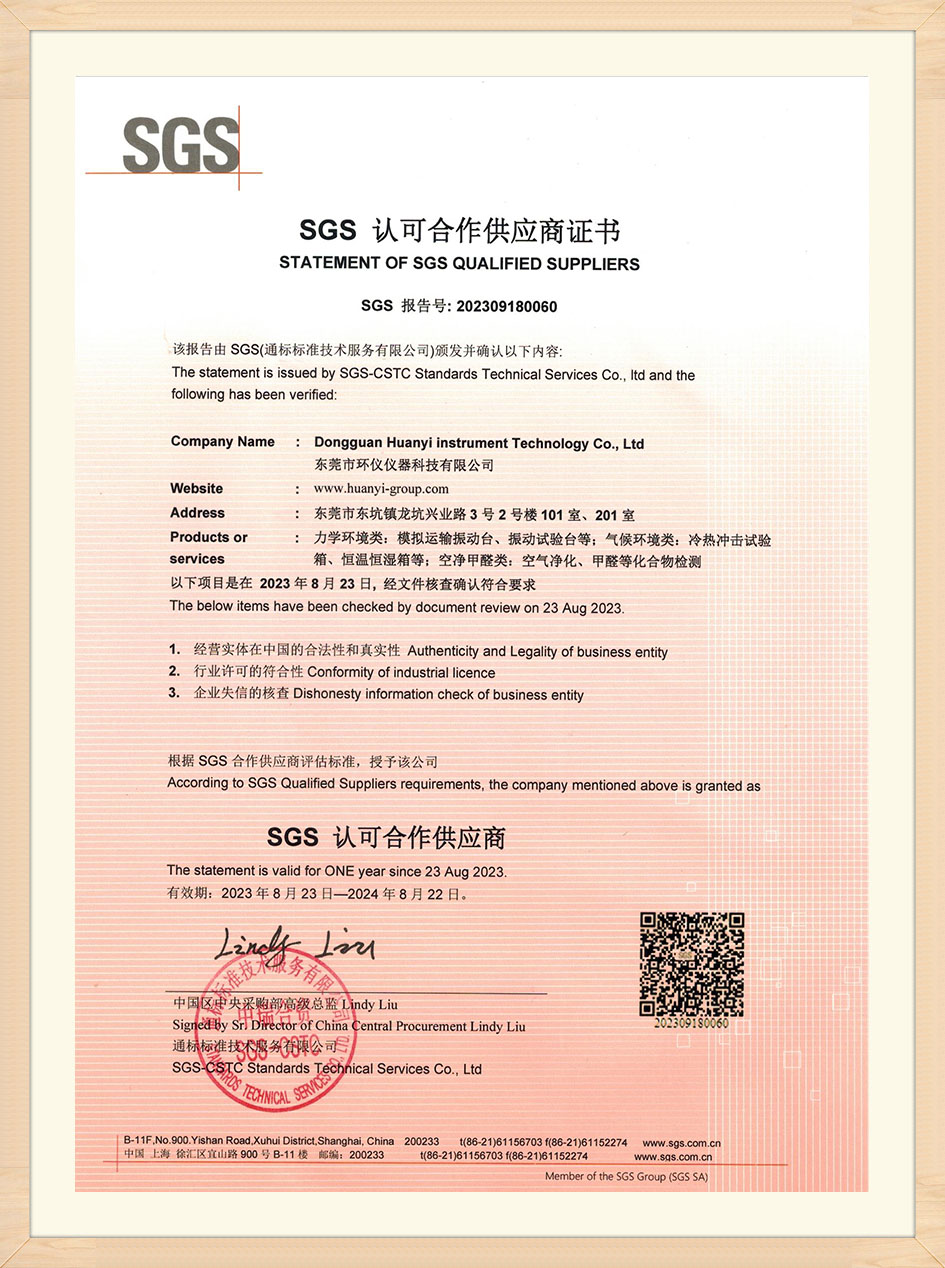
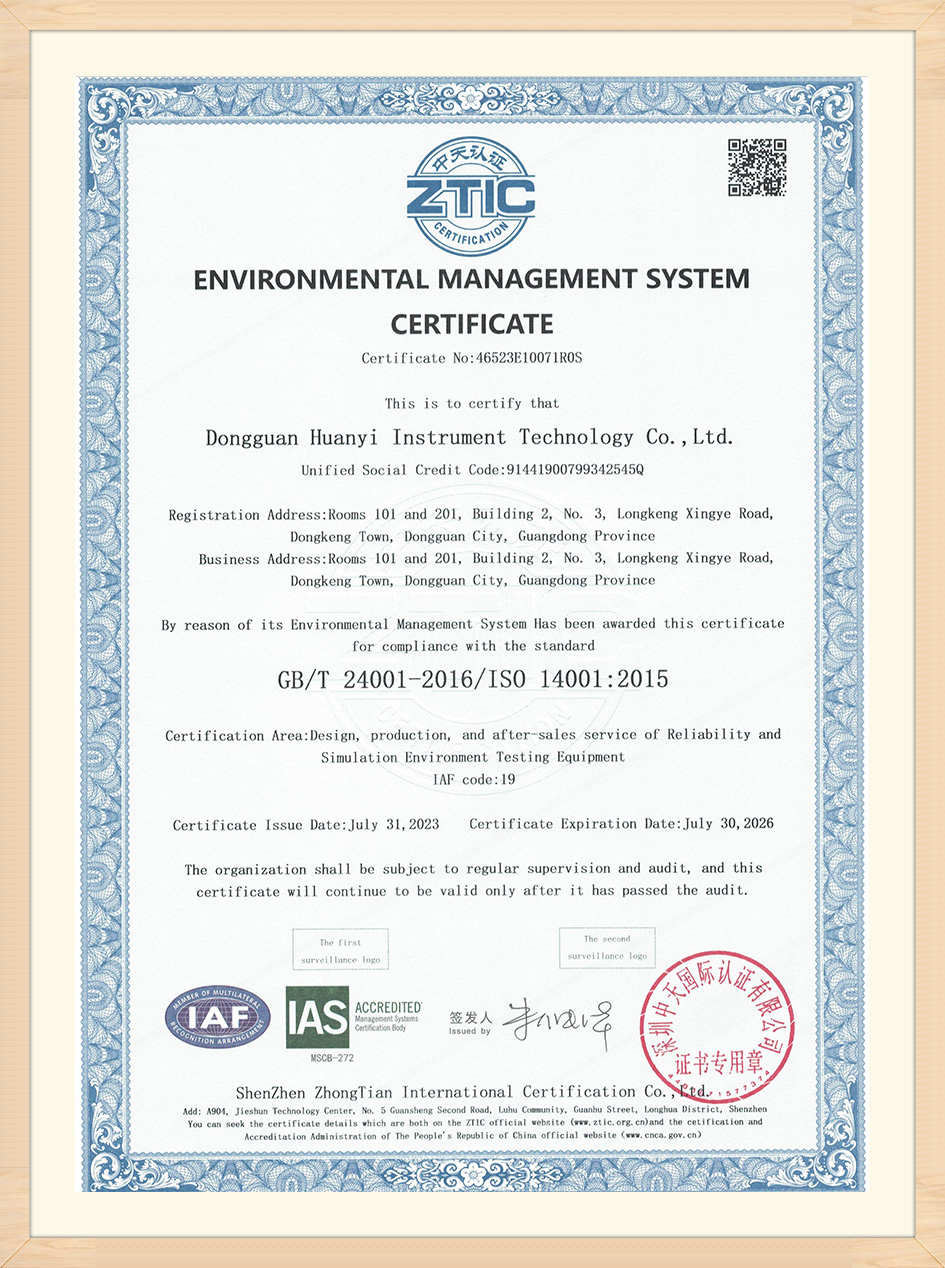
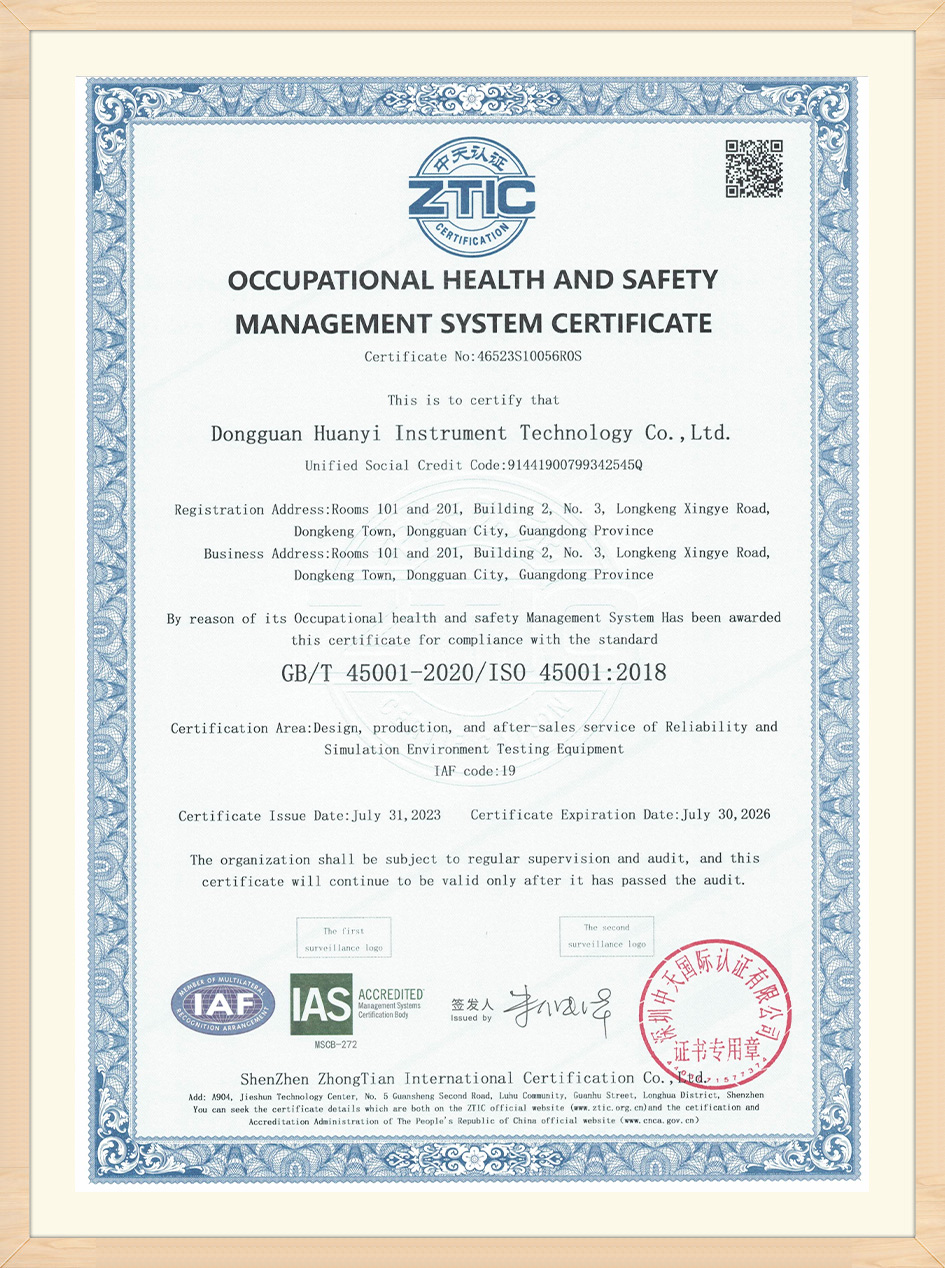
Our commitment to internationally accepted quality processes and compliance standards.
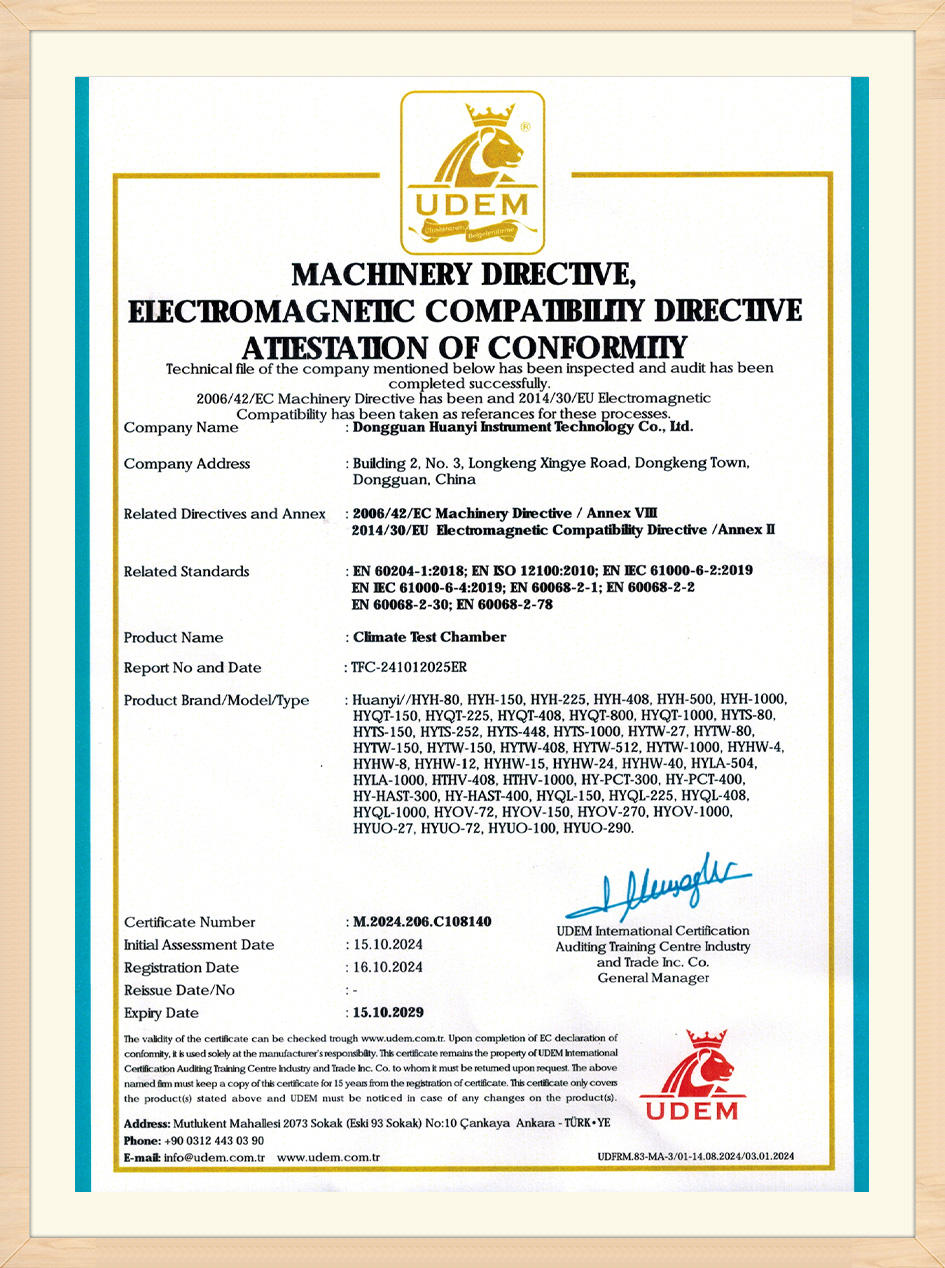
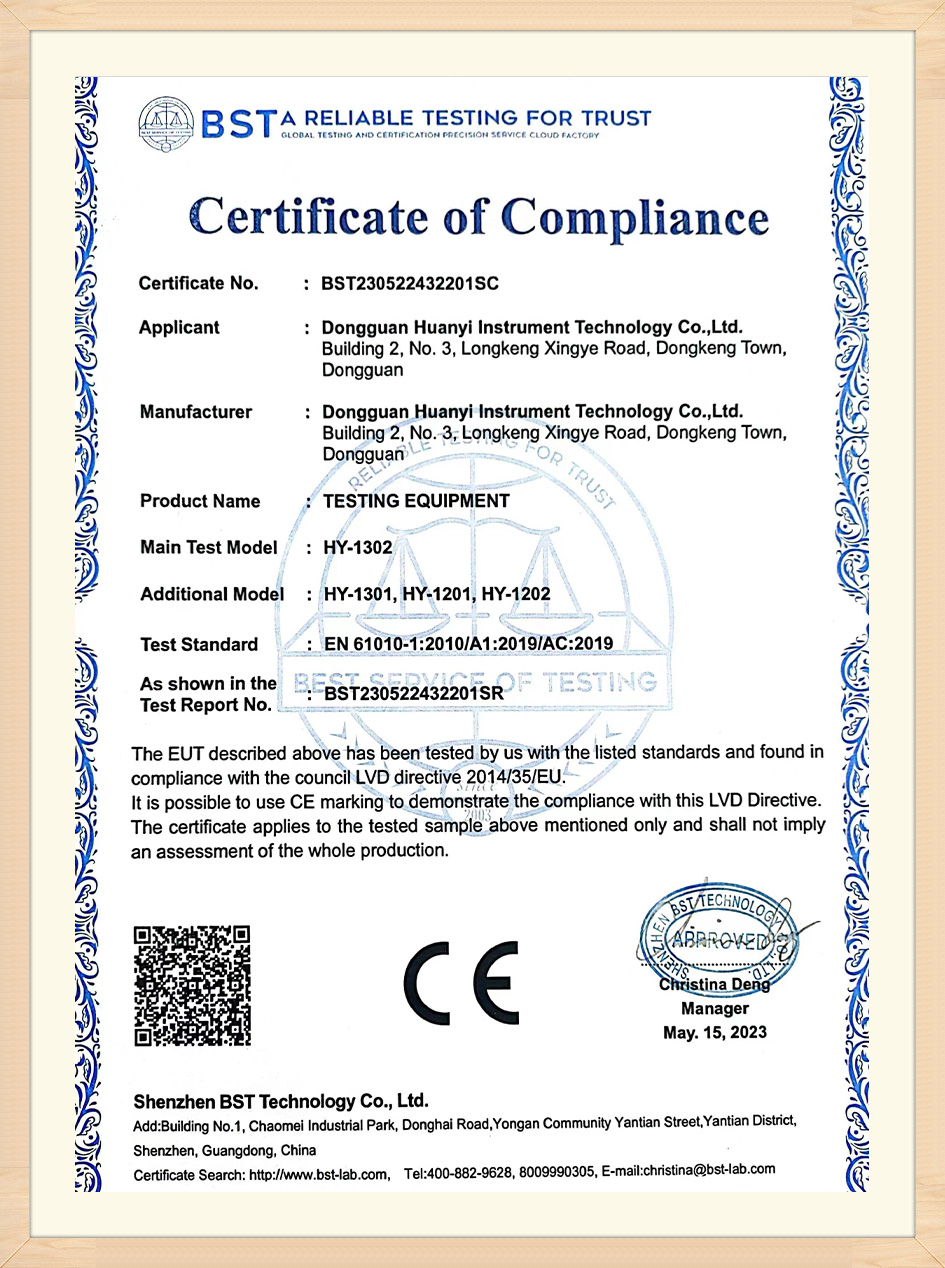
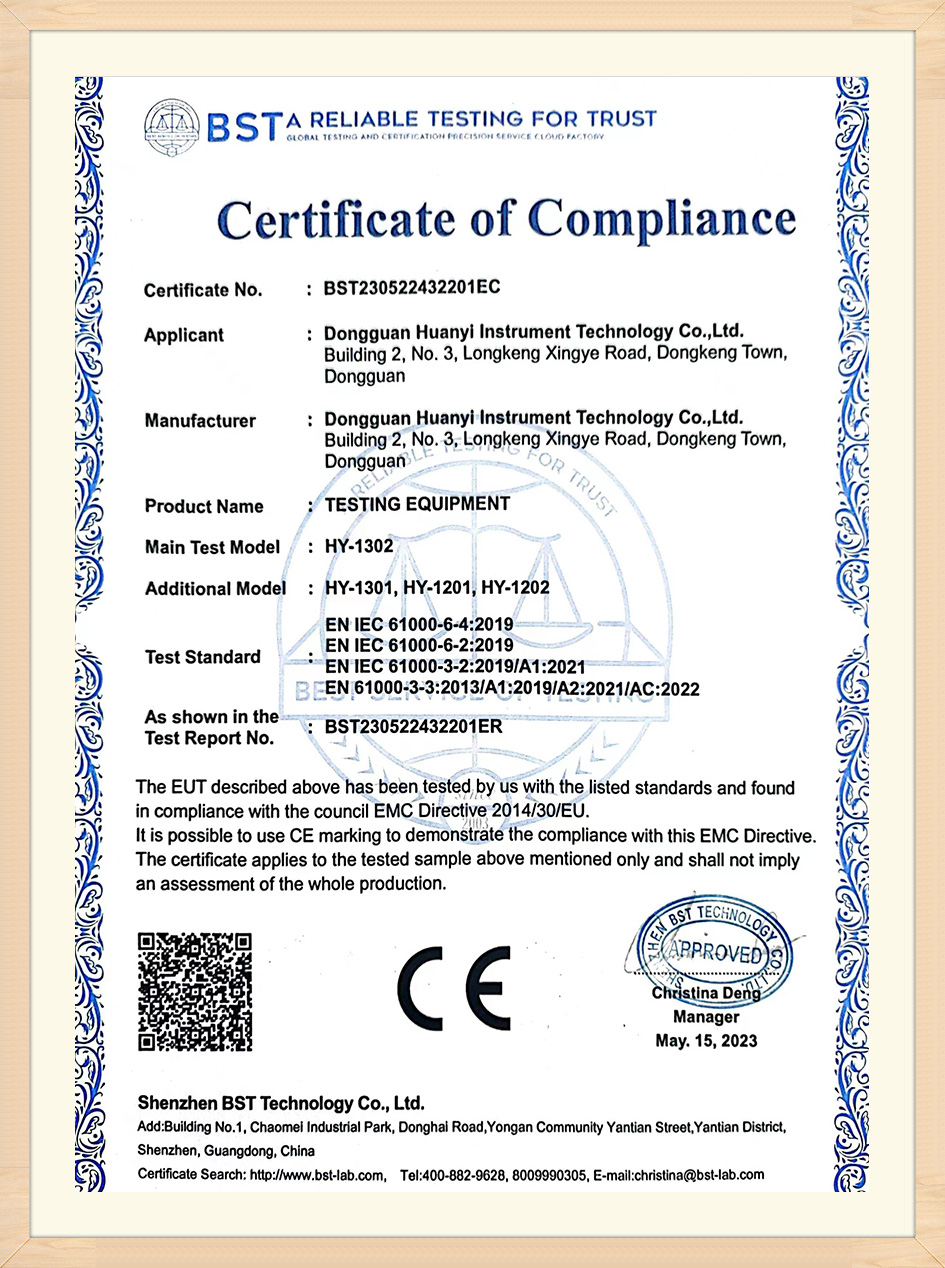
Technical guidance for common questions regarding thermal vacuum processing and regulatory testing.
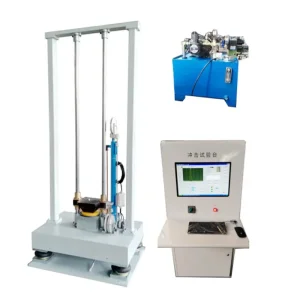
Our complete collection of engineering test benches designed to complement industrial material validation programs.
 Huanyi