Industrial-grade instrumentation custom-manufactured to support rigorous environmental compliance testing and metrology standards.
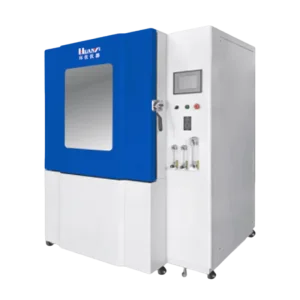
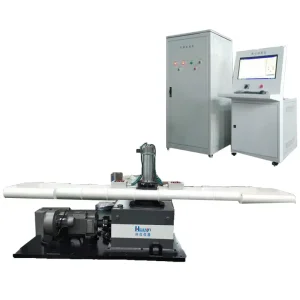
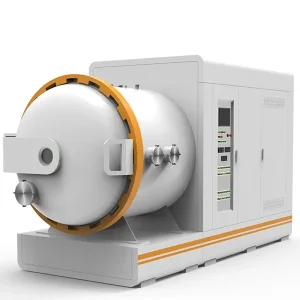
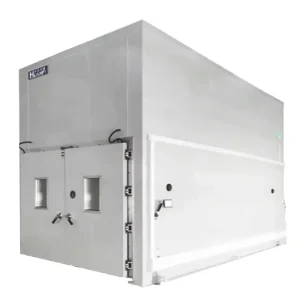
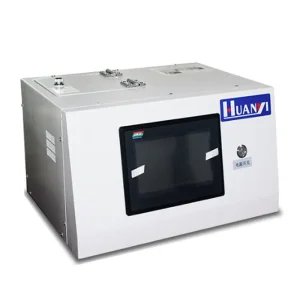
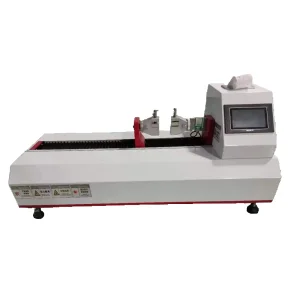
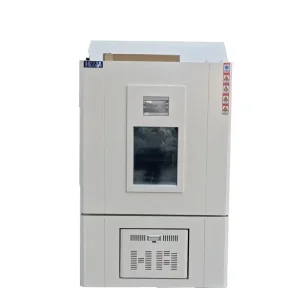
In modern industrial manufacturing and scientific research, accurate humidity measurement is essential. From semiconductor cleanrooms and pharmaceutical stability trials to meteorological observation and aerospace engineering, sensor precision defines system integrity. Environmental drift over time makes routine calibration critical.
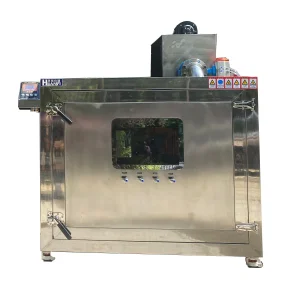
A **Humidity Calibration Chamber** serves as the metrological foundation for verifying relative humidity (RH) and dew point sensors. Unlike standard environmental chambers, calibration chambers require exceptional spatial uniformity and stability. A minimal temperature fluctuation of 0.1°C can shift relative humidity by up to 0.6% RH at higher ranges, demanding precise thermodynamic balance.
Global demand is rising for systems that integrate automated multivariable verification, low thermal mass containment, and traceability to National Metrology Institutes (NMI) like NIST, NPL, or PTB. OEMs rely on specialized manufacturers to supply chambers that support custom geometries, integrated multi-probe ports, and high-performance humidity generation systems.
How high-end calibration chambers maintain uniform relative humidity and temperature profiles.
Advanced humidity chambers generate target humidity by saturating air at a high pressure or temperature and expanding/cooling it to target test conditions. This approach provides repeatable, drift-free relative humidity profiles without relying on wet-bulb/dry-bulb approximations, allowing for ultra-stable microclimates.
Using solid-state thermoelectric Peltier modules allows calibration chambers to make micro-adjustments to temperature with minimal overshoot. This is critical for preventing condensation on sensors under test during step changes in relative humidity.
Standard environmental chambers use materials that absorb water vapor, creating humidity lag. High-precision calibration chambers use polished 316L stainless steel, which minimizes surface absorption and accelerates equilibration times during testing.
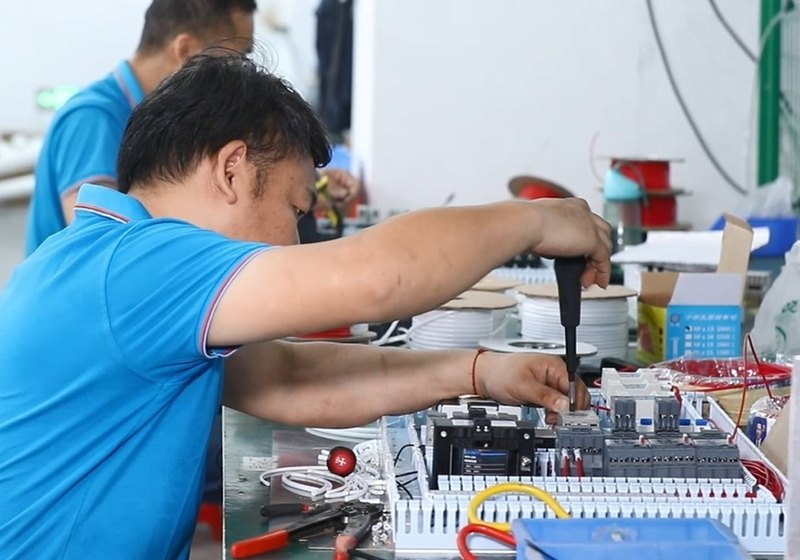
Dongguan is a leading global manufacturing hub for industrial testing equipment. It offers a dense, integrated supply chain that spans high-grade raw materials, advanced CNC fabrication, laser-cutting instrumentation, and skilled precision assembly engineers.
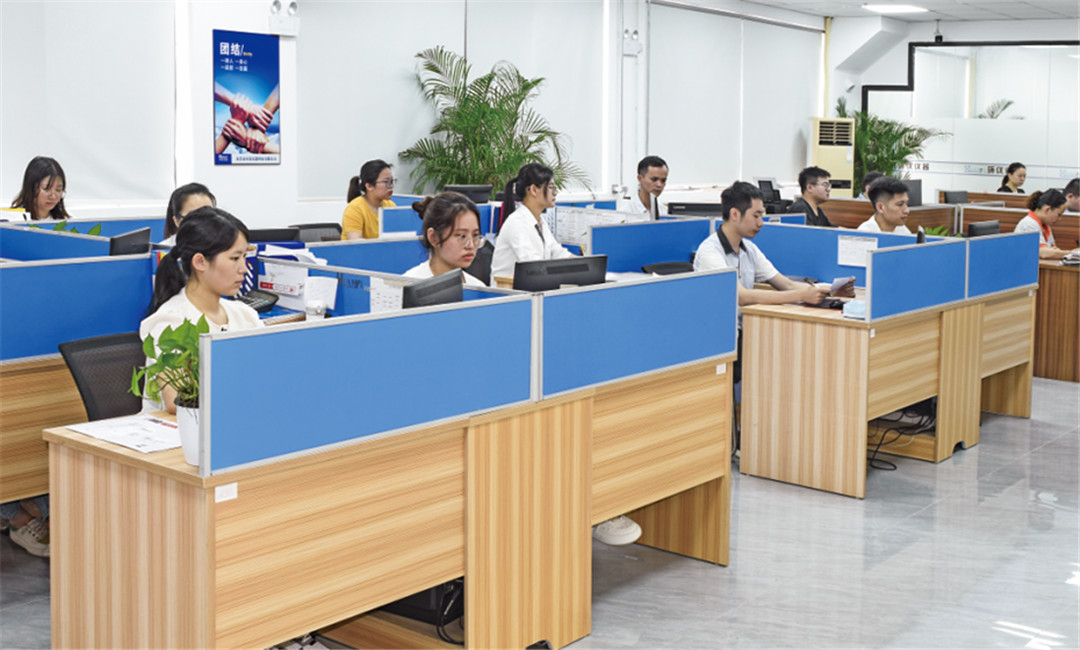
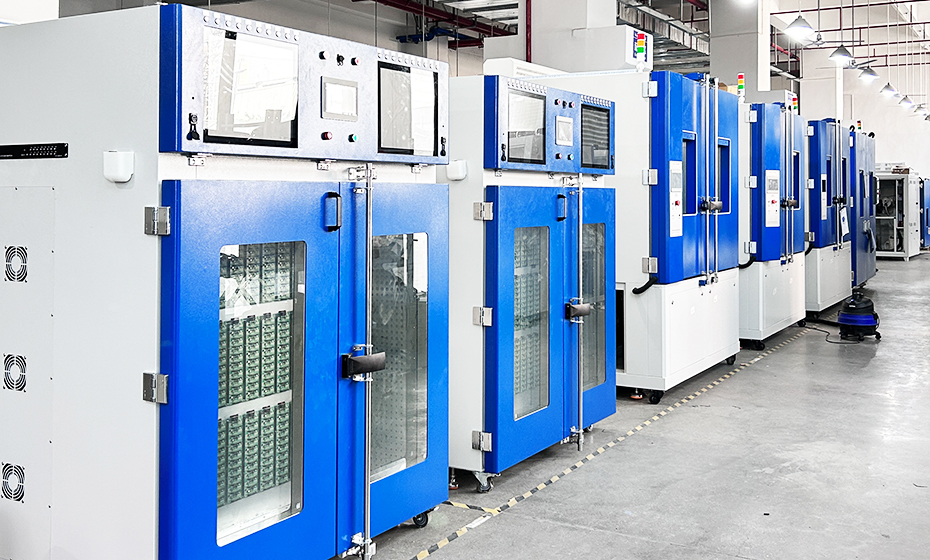
Dongguan Huanyi Instruments Technology Co., Ltd. represents the standard of excellence in this region. Our facility spans 6,022 square meters and houses a state-of-the-art sheet metal production workshop, automated CNC milling centers, and specialized environmental testing labs. Key advantages of our facility include:
Custom configurations optimized for regional and sector-specific testing workflows.
Scenario: Calibrating radiosondes, avionics humidity sensors, and high-altitude flight electronics.
Requirement: Low-pressure, low-temperature options down to -70°C and 10% RH, with high chamber uniformity to prevent localized micro-climates.
Scenario: Calibrating environmental monitoring sensors for FDA CFR 21 Part 11 compliant drug stability chambers.
Requirement: Precise verification at 25°C/60% RH and 40°C/75% RH with drift logging, supporting multi-point standard sensor reference loops.
Scenario: Calibrating wall-mounted humidity transmitters, indoor air quality (IAQ) sensors, and industrial dampers.
Requirement: Large test volumes with multi-probe access ports, allowing quick swap-outs for batch sensor calibration.
A timeline of innovation, capability growth, and dedication to environmental testing technology.
Dongguan Huanyi Instrument Technology Co., Ltd. was established, focusing on basic environmental chamber fabrication and component assembly.
Established the Jiangsu Regional Office to support regional electronics and automotive supply chains.
Established sales and support networks in Xi'an and Chongqing to support inland manufacturing hubs.
Expanded operations with Shanghai and Beijing offices to better serve public research institutes and metrology labs.
Commissioned our digital sheet metal fabrication center, integrating high-precision laser cutting and CNC press brakes.
Achieved ISO 9001:2015 Quality Management System certification, standardizing our design and manufacturing workflows.
Earned continuous recognition as a High-Tech Enterprise. Contributed to drafting national testing standards, including GB5364 and GB/T 50325.
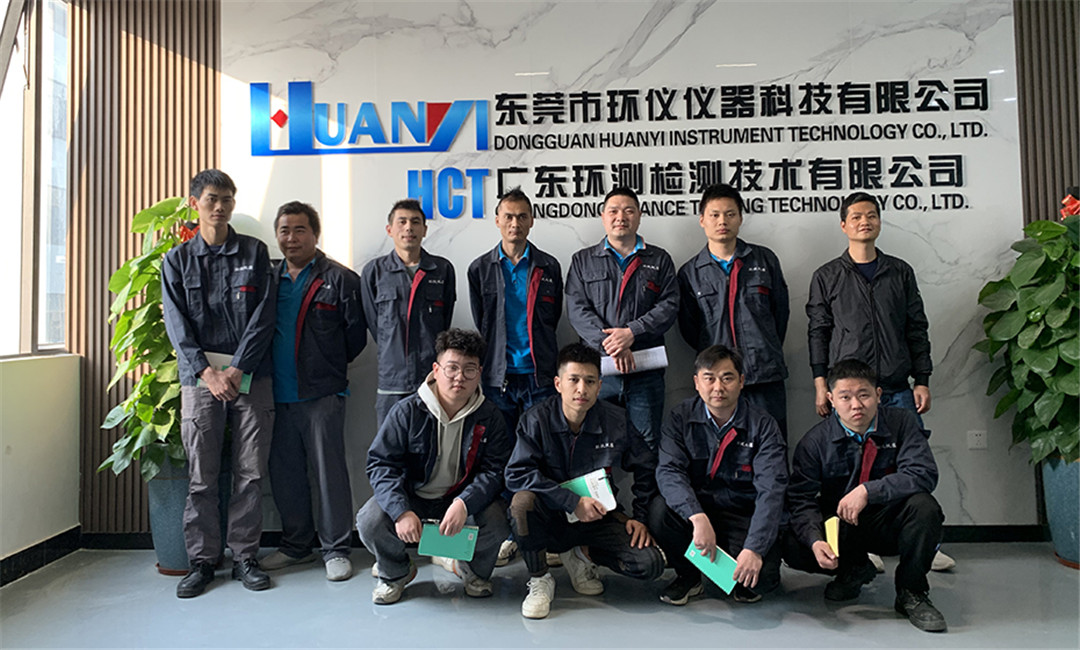
Established Guangdong Huance Testing Technology Co., Ltd., a dedicated laboratory facility providing third-party verification and calibration services.
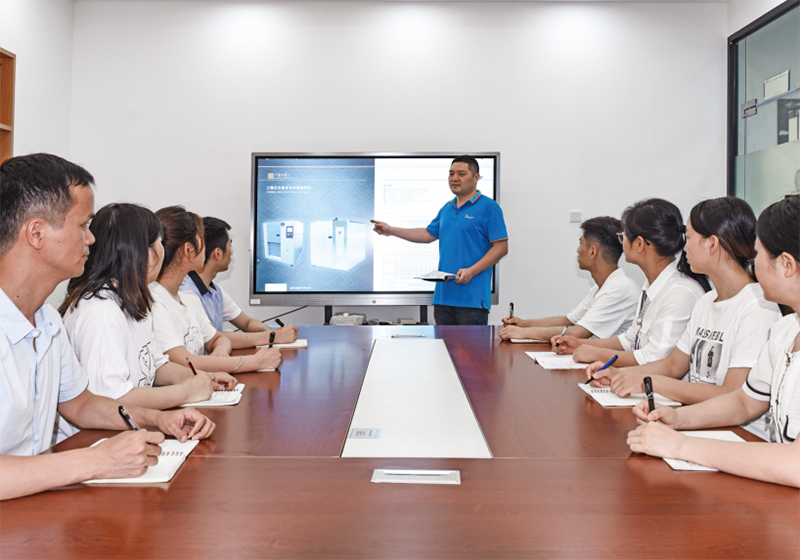
Step inside our facilities where engineering excellence meets advanced manufacturing technology.
Key criteria to evaluate when sourcing calibration chambers for international metrology laboratories.
Answers to common technical and operational questions from calibration engineers and procurement managers.
Generally, we recommend calibrating the reference sensor and the chamber's spatial mapping every 12 months. For high-precision metrology laboratories or ISO/IEC 17025 accredited sites, a 6-month cycle is standard to ensure trace stability and identify any drift early.
Relative humidity is highly temperature-dependent. A slight temperature variation of just 0.1°C at 50% RH can cause a change of approximately 0.3% RH. If temperature uniformity across the working volume is poor, it is impossible to achieve stable, repeatable relative humidity calibration results.
Relative humidity refers to the water vapor content relative to the saturation level at a specific temperature. Dew point measures the temperature at which water vapor begins to condense. Calibration chambers generate controlled RH conditions, which are then verified using a chilled mirror reference standard to calculate the exact dew point temperature.
Yes, as a custom OEM manufacturer, we design chambers with internal volumes ranging from benchtop units (under 50L) to walk-in rooms (over 30m³). We configure access ports, shelving layouts, and high-capacity air drying modules to match your specific testing footprint and loading requirements.
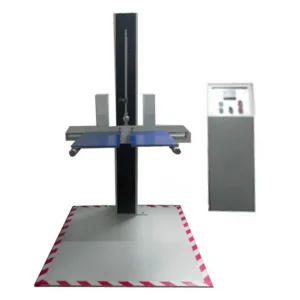
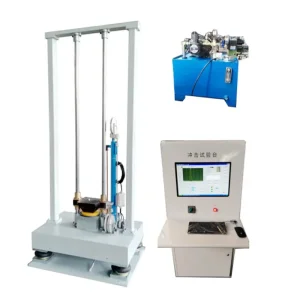
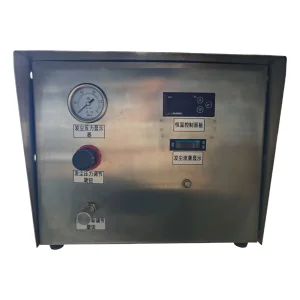
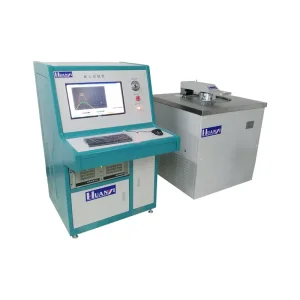
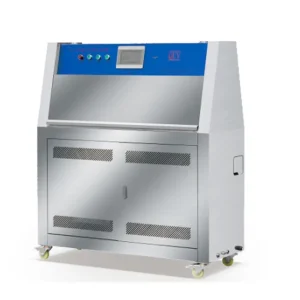
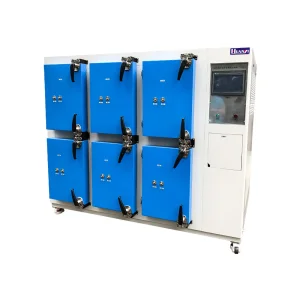
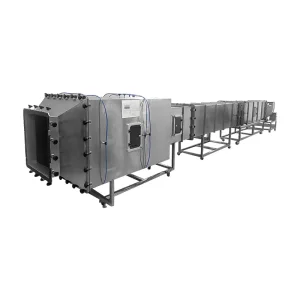
From dynamic physical acceleration testers to specialized material aging and VOC analysis systems.
 Huanyi