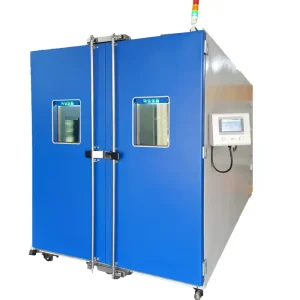
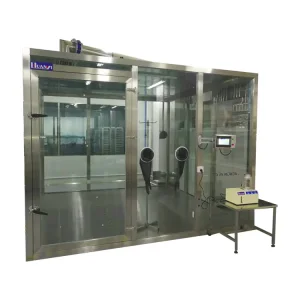
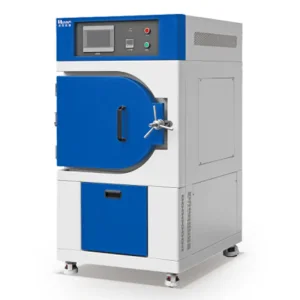
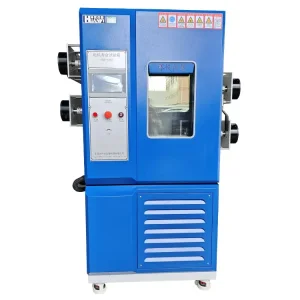
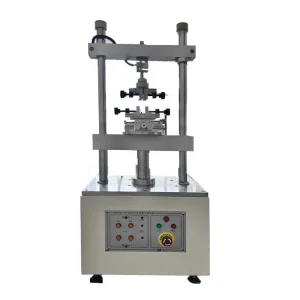
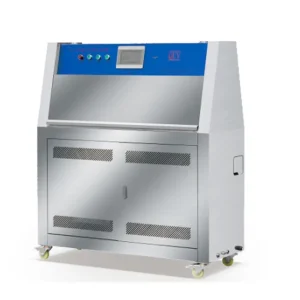
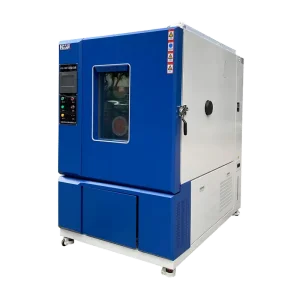
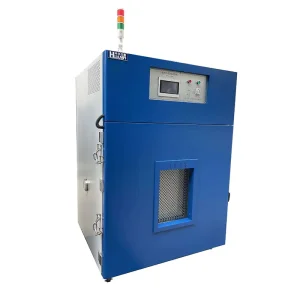
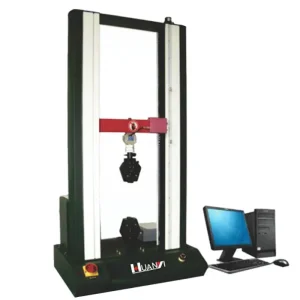
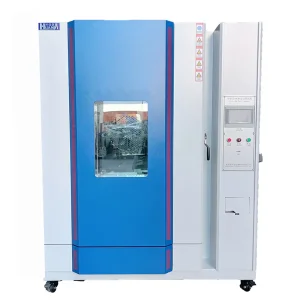
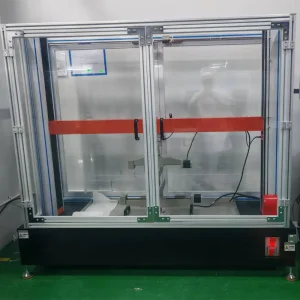
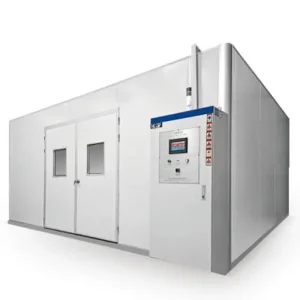
In the realm of advanced engineering, Centrifugal Constant Acceleration Testers serve as a critical gateway for validating structural integrity and component reliability. As a leading supplier, Dongguan Huanyi Instruments Technology Co., Ltd. provides the "Information Gain" necessary for engineers to understand how steady-state acceleration affects micro-electronics, aerospace sensors, and structural fasteners.
Unlike vibration testing which involves oscillating movements, constant acceleration testing applies a continuous centrifugal force to a specimen. This simulates the high G-loads experienced during rocket launches, high-speed aircraft maneuvers, and satellite deployments. Our equipment ensures that the specimen is subjected to a uniform stress field, revealing weaknesses in soldering, mounting, and internal mechanical clearances that standard vibration tests might miss.
Our 6,022 square meter facility in Dongguan represents the pinnacle of the "China Supply Chain Advantage." By integrating a Digital Sheet Metal Center and laser cutting automation, we reduce material waste while increasing structural rigidity—a crucial factor for equipment that must remain stable during high-speed rotation.
To serve our international clientele in Southeast Asia, Europe, and the United States, we adhere strictly to international testing standards such as MIL-STD-810H, IEC 60068-2-7, and GB/T 2423.15. Our localization strategy includes:
Established on March 20, 2007, Huanyi has grown into a high-tech enterprise integrating R&D, production, sales, and after-sales service. We don't just build machines; we draft national standards. Our philosophy—"customer-centric, quality-guaranteed, honesty-based, and innovation-oriented"—is the bedrock of our success.
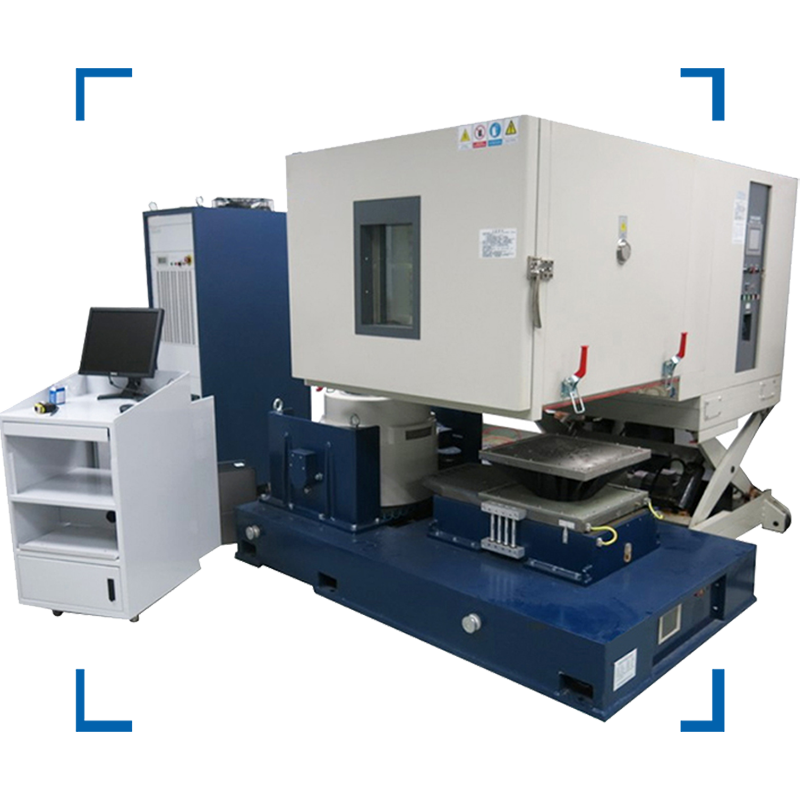
The industry is moving towards Smart Testing Ecosystems. Modern centrifugal testers are no longer standalone units but part of an integrated IoT network where data is streamed directly to cloud-based analysis platforms. Huanyi is at the forefront of this shift, developing "Digital Twin" capabilities for our testers to predict mechanical fatigue before it occurs.
Testing avionics, guidance systems, and structural components for survival under extreme G-loads.
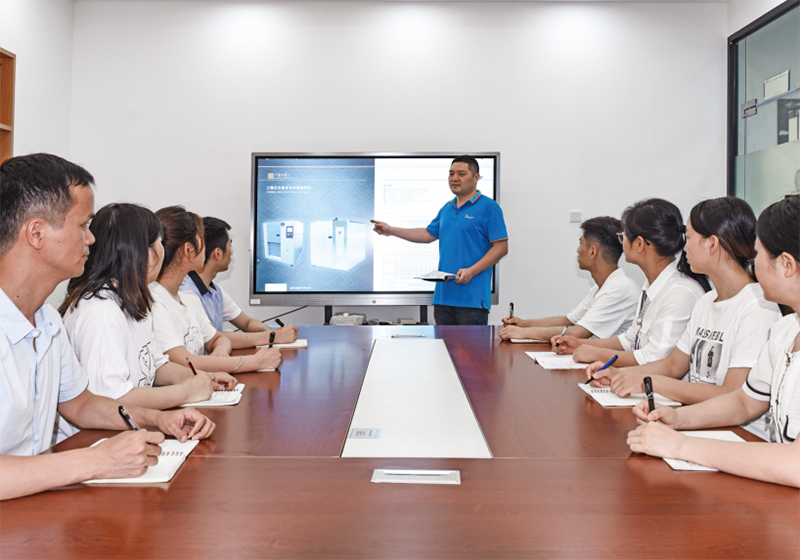
Validating airbag sensors and EV battery mounts against sustained acceleration forces during accidents.
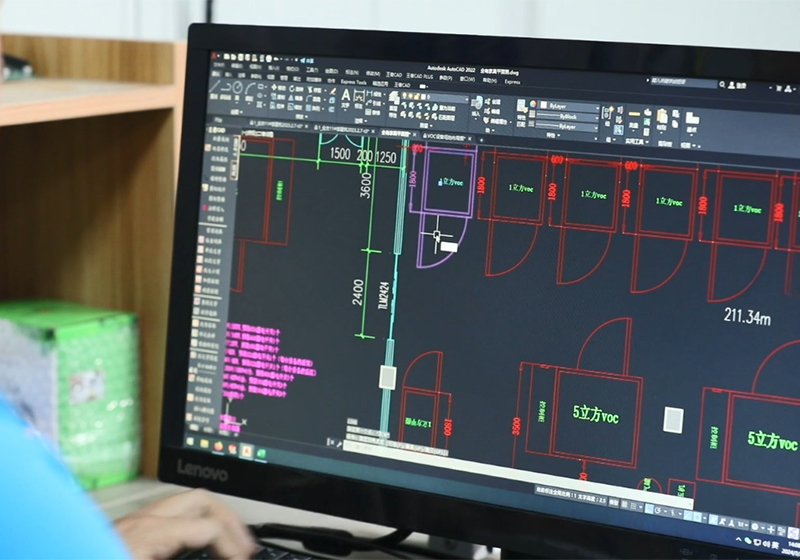
Precision calibration of MEMS accelerometers used in smartphones and wearable devices.
 Huanyi