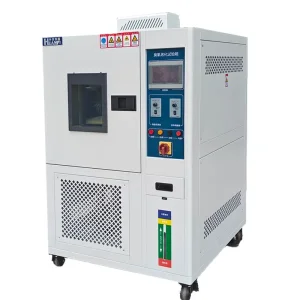
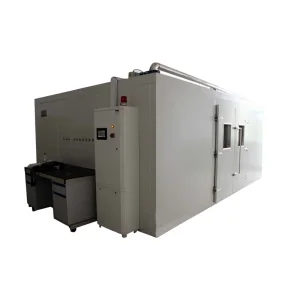
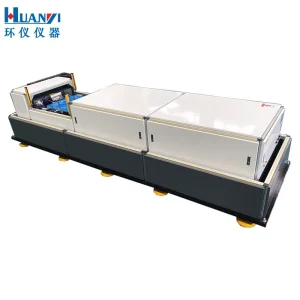
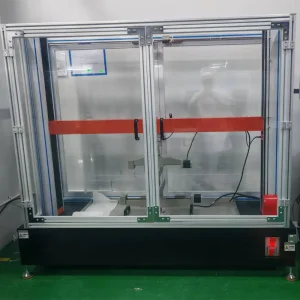
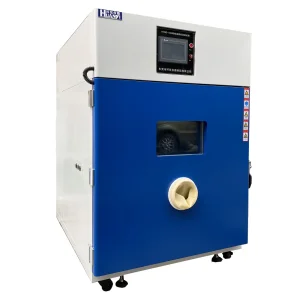
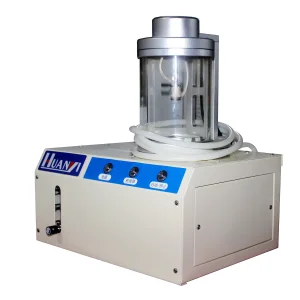
Engineered to simulate strict environmental extremes. Find certified systems for corrosion, temperature, and atmospheric testing.
In modern industrial manufacturing, products face a chaotic spectrum of global microclimates. Whether it is a sub-assembly in automotive, military avionics, lithium-ion battery modules, or telecom network routers, hardware must withstand intense thermal stress, humidity variations, salt fog corrosion, ozone exposure, and volatile organic compound (VOC) emissions. Artificial Climate Chambers provide the scientific foundation to validate resilience, accelerate engineering cycles, and satisfy international testing regulations.
Globally, commercial and industrial testing relies heavily on these chambers. Leading scientific institutions, telecom firms, aerospace laboratories, and automotive manufacturers depend on climate chambers to run continuous lifecycle testing protocols. The goal is simple: predict product failure before mass production. Climate simulation helps prevent costly product recalls, ensures compliance with consumer safety regulations, and verifies the longevity of critical infrastructure components.
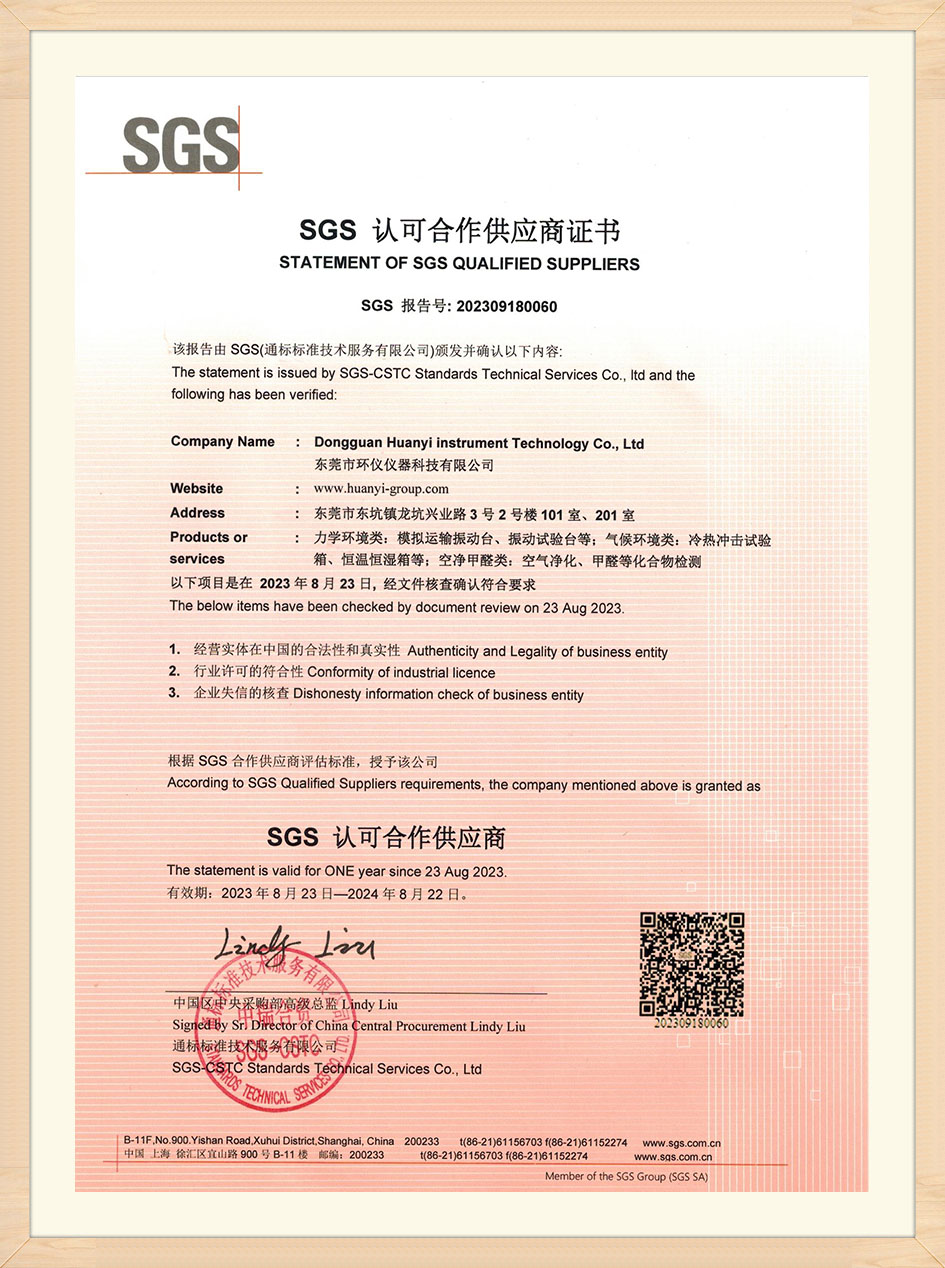
With more than 2,500 clients worldwide, Dongguan Huanyi Instruments Technology Co., Ltd. stands as a key partner in this ecosystem, providing sophisticated simulation machinery. From custom-sized walk-in test compartments to highly integrated VOC emission testing configurations, Huanyi continues to introduce advanced manufacturing techniques to satisfy complex client requirements.
As components scale down and power densities increase, environmental chambers must evolve. Our technical roadmap aligns with energy efficiency, multi-parameter control, and data connectivity.
Global environmental regulations like the EU F-Gas regulations and the Kigali Amendment demand a shift away from high-GWP refrigerants. Our roadmap integrates low-GWP alternatives, next-generation cascade cooling loops, and variable frequency compressors. This minimizes overall energy consumption while preserving fast cooling rates down to -70°C.
Traditional PID loops can struggle during rapid temperature changes. Our future line-up leverages smart multiple-sensor systems paired with predictive AI logic. This approach limits temperature overshoot to less than ±0.1°C and optimizes power draw during long-term reliability runs.
Real-world environments involve concurrent stresses. We are driving research into combining thermal cycling, relative humidity, vibration, and radiation (such as UV or solar simulation) within a unified chamber. This offers engineers a more realistic picture of material aging.
Environmental stresses vary by region and industry. Here is how our testing equipment applies across localized commercial fields.
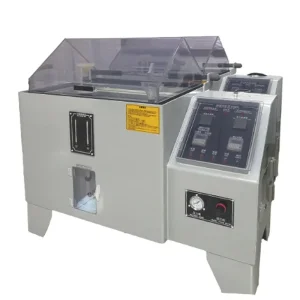
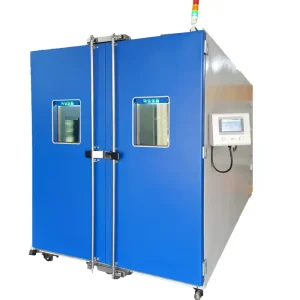
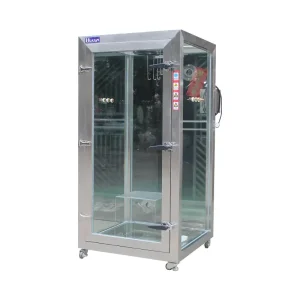
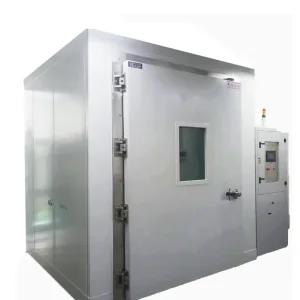
Automobile manufacturers in North America face varied climates—from freezing Canadian winters to hot Southwestern deserts. Walk-in Constant Temperature and Humidity Chambers evaluate vehicle battery assemblies under extreme temperatures, while Composite Salt Spray Chambers test corrosion resistance to road salt in coastal regions.
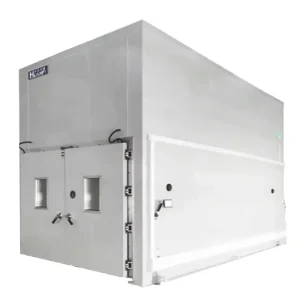
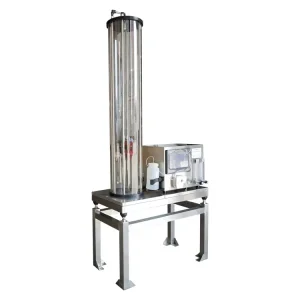
Under strict European REACH and eco-design directives, monitoring indoor air quality is vital. Manufacturers use VOC Release Volume Environmental Chambers and Formaldehyde Emission Chambers to measure outgassing from construction materials, furniture, and consumer electronics to confirm they comply with EN 717-1 and ISO 16000 standards.
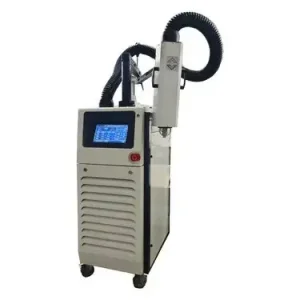
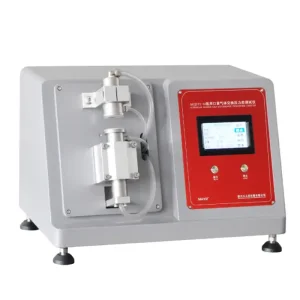
In humid coastal tech manufacturing bases across Asia, microelectronics suffer from moisture-induced failures. Fast thermal-cycling systems (Temperature Forcing Systems) and multi-sensor calibration test chambers ensure that high-value silicon chips, displays, and sensors maintain reliable operations.
Why global enterprises source from Dongguan Huanyi Instruments Technology Co., Ltd. Our integration ensures stability, quality control, and rapid delivery.
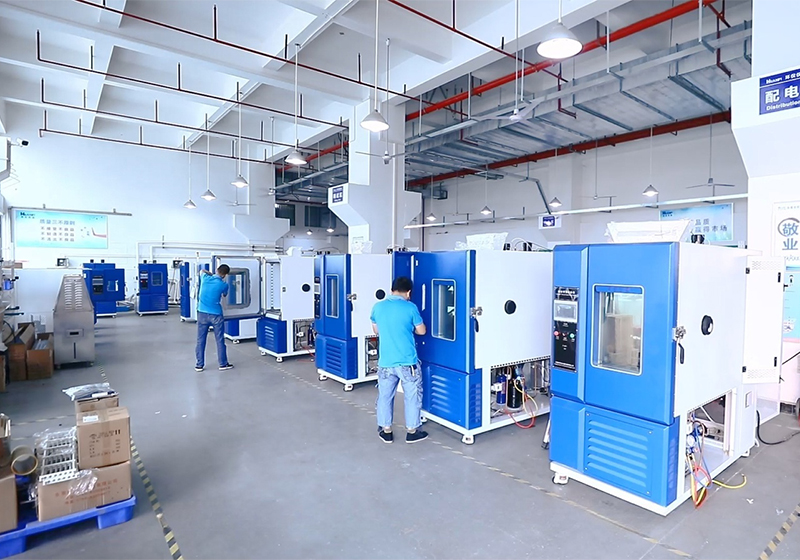
Dongguan Huanyi Instruments Technology Co., Ltd. manages a 6,022-square-meter facility in China's industrial center. Over the past 15 years, we have built a highly integrated manufacturing process. Operating a digital metal fabrication department helps us control sheet metal shaping, structural welding, and powder coating in-house. This cuts down production lead times and keeps structural assemblies precise.
Our raw materials and key components—such as compressors, electronic controllers, and sensor modules—are sourced from reliable international brands (including Bitzer, Tecumseh, and Schneider). This blend of local supply chain efficiency and premium components lets us offer high-performance environmental testing equipment at competitive price points.
High Quality Control from every aspect of raw material, production, installation, and commissioning. Every unit is run-tested before shipment.
With more than 20 years of experience, we have professional production and R&D personnel. Huanyi can meet large-volume production orders at any time. Additionally, we use an ERP system to monitor the production process, ensuring timely delivery.
Modern equipment and superb process production including laser cutting panels and wood, ERP systems, production control systems, cutting automation, our advanced equipment can help us reduce waste.
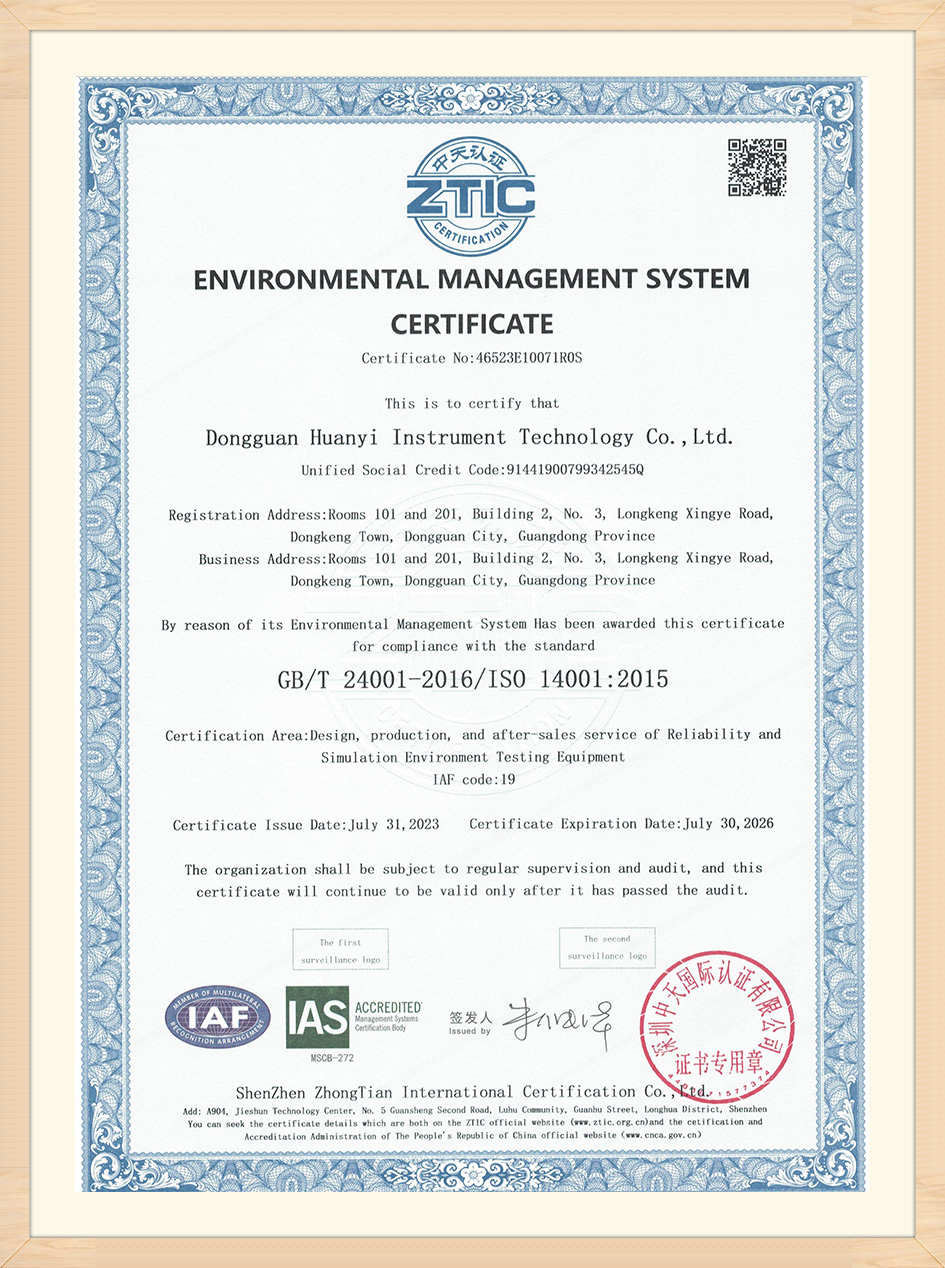
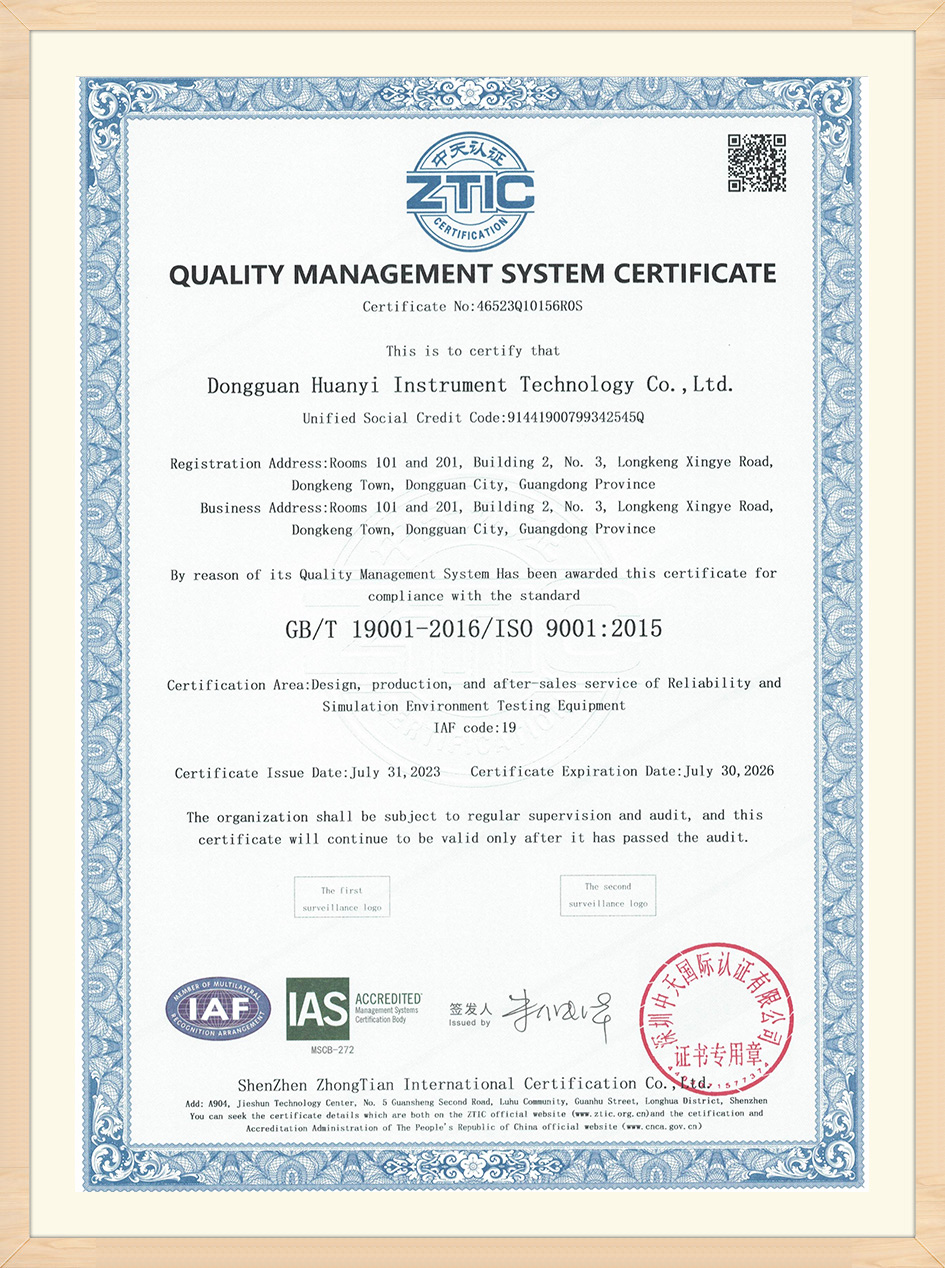
ISO 9001 factory manufacturing. Mature Technology and professional after-sales service. We participate in drafting national and industry standards (e.g., GB5364, GBT50325).
Over a decade of engineering research, standard formulation, and market growth.
Established Dongguan Huanyi Instrument Technology Co., Ltd. on March 20, 2007, starting a journey in precision environmental simulation.
Established Jiangsu Office to support clients in East China's growing electronics and manufacturing industries.
Established Xi'an and Chongqing Offices to support automotive and defense engineering programs in Western China.
Established Shanghai and Beijing Offices, growing our domestic sales and after-sales support networks.
Established the Digital Sheet Metal Center, allowing us to control sheet metal forming and chamber frame structural integrity in-house.
Passed the ISO 9001:2015 quality management system certification, cementing our commitment to consistent production processes.
Began drafting national and industrial standards (such as GB5364 and GBT50325). Recognized as a high-tech enterprise for consecutive years.
Established our dedicated testing facility, Guangdong Huance Testing Technology Co., Ltd., to expand our calibration and standard validation services.
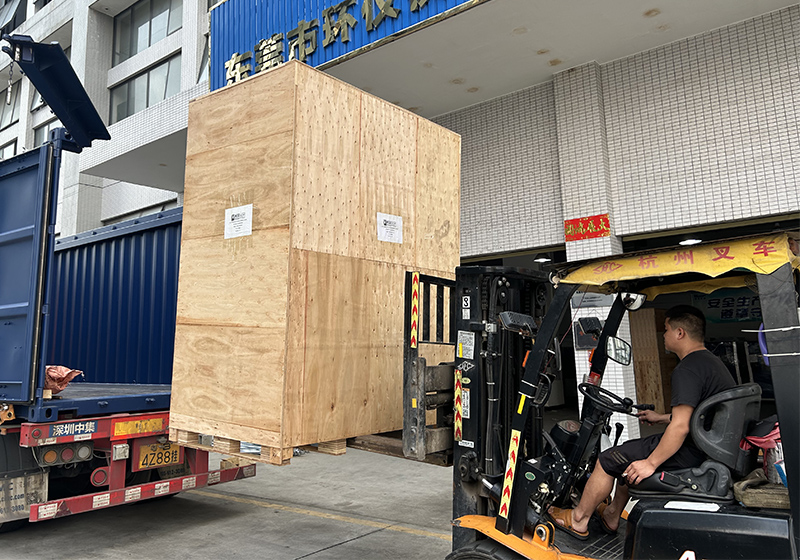
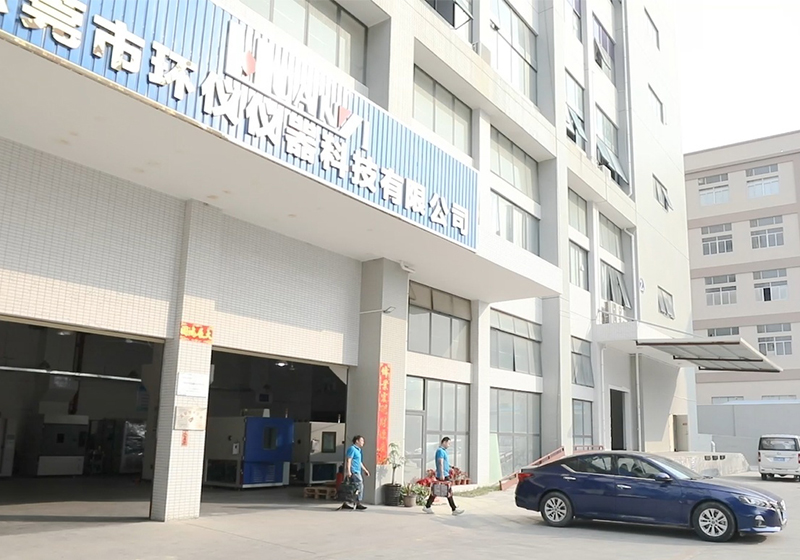
Take a closer look at our sales departments, product showrooms, and assembly floors where we craft our testing instruments.
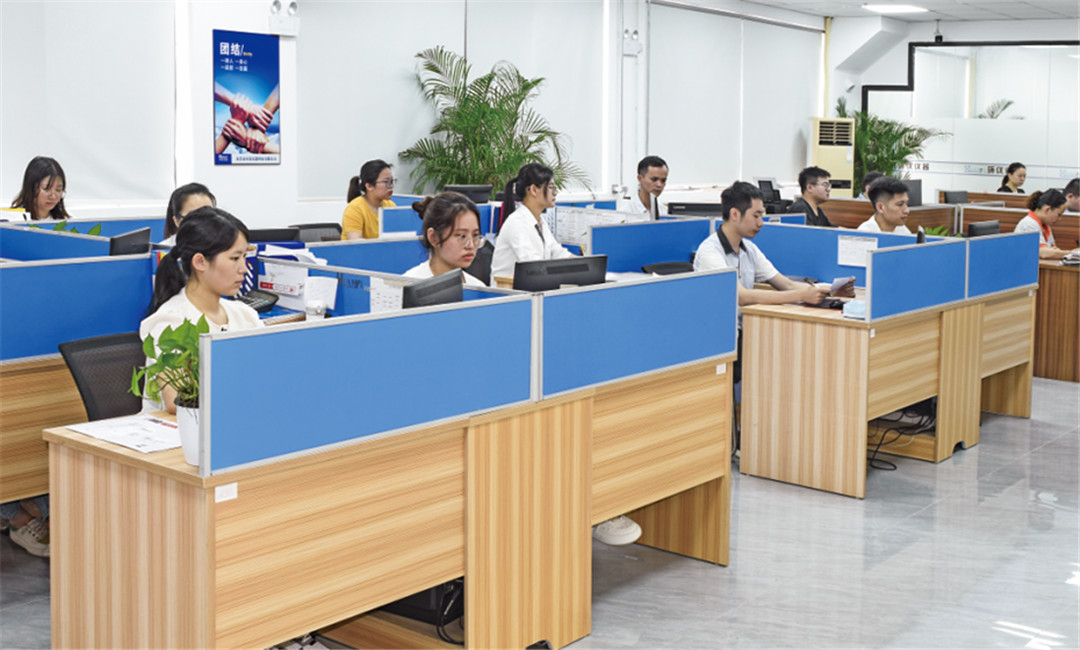
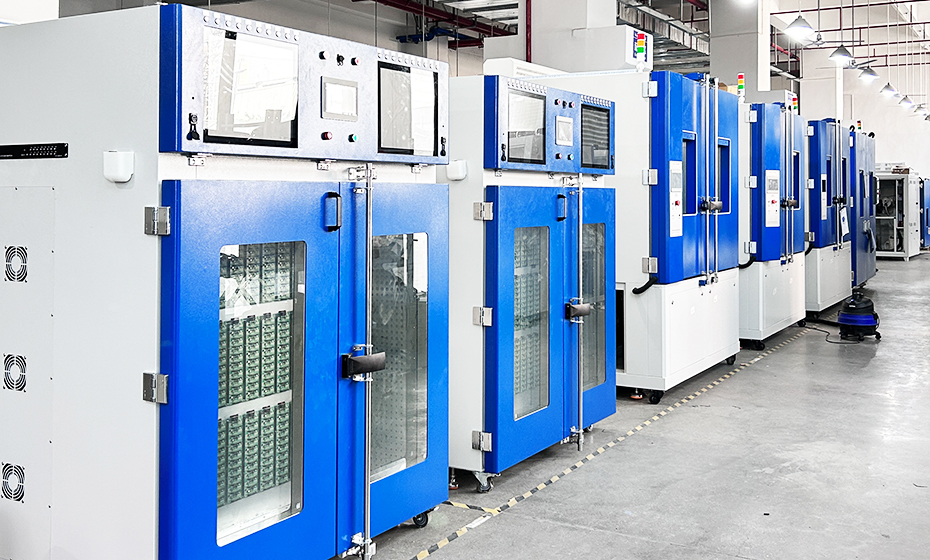
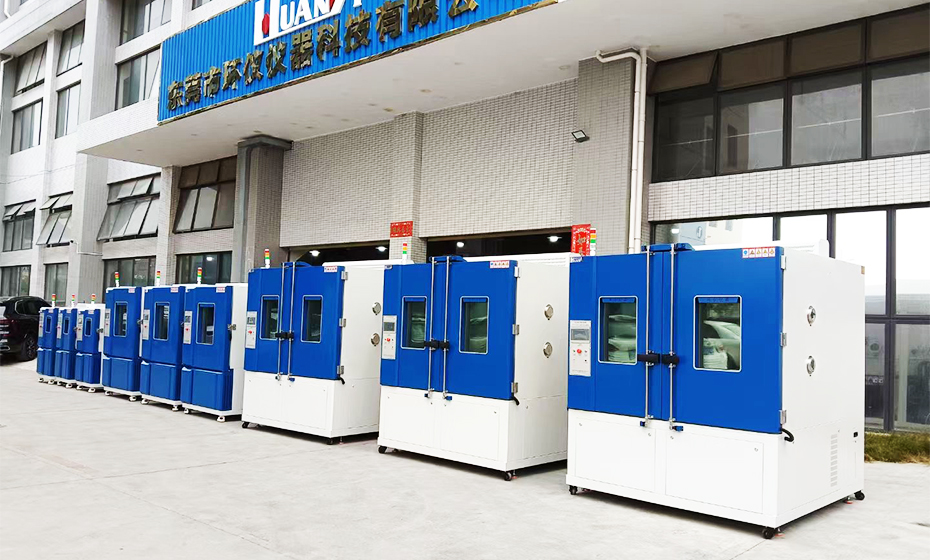
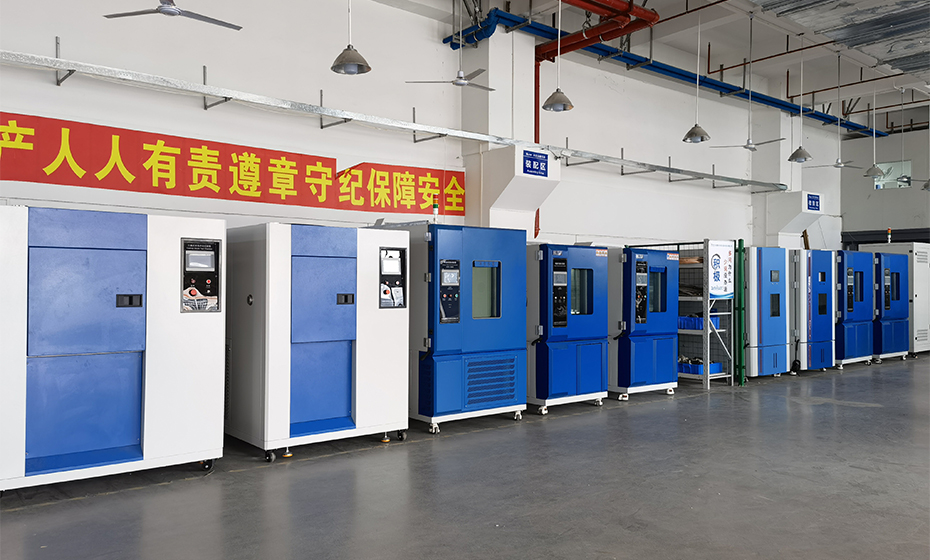
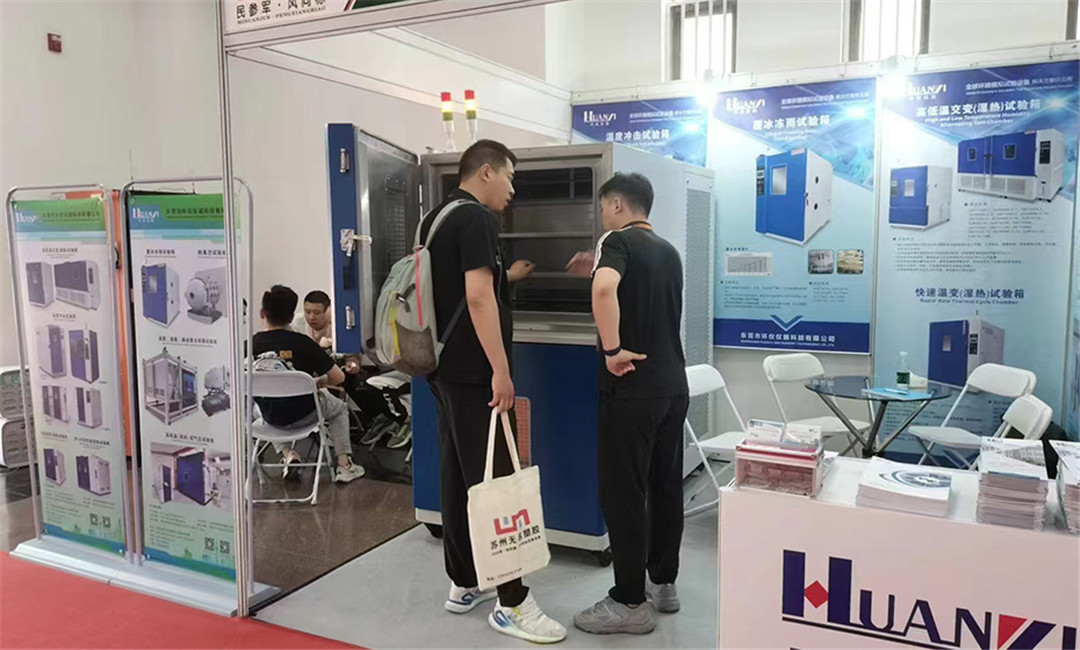
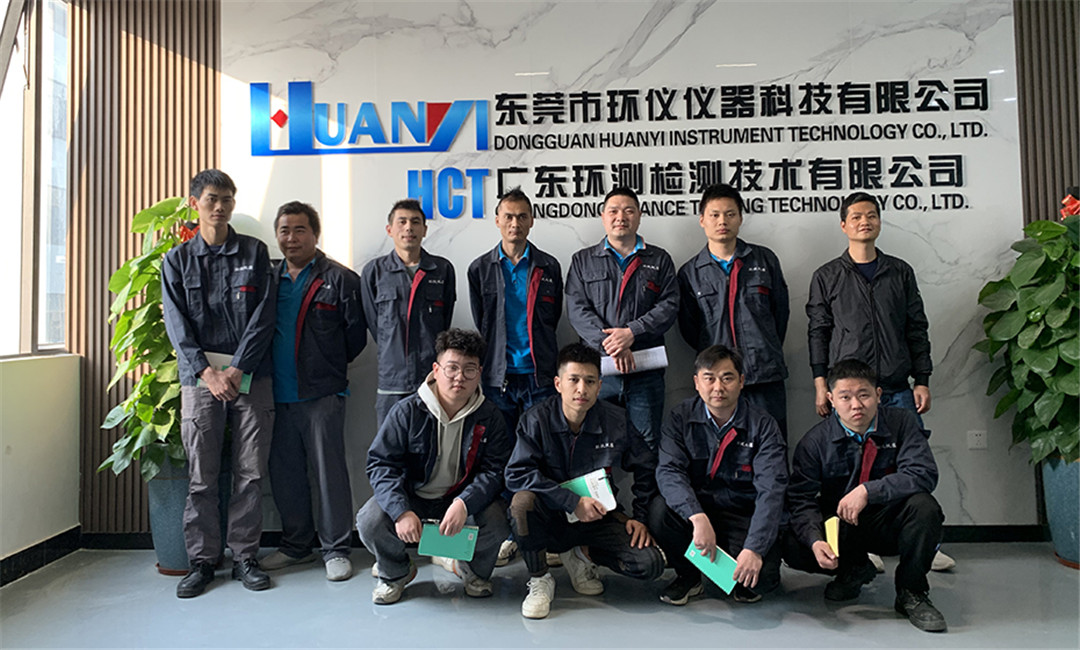
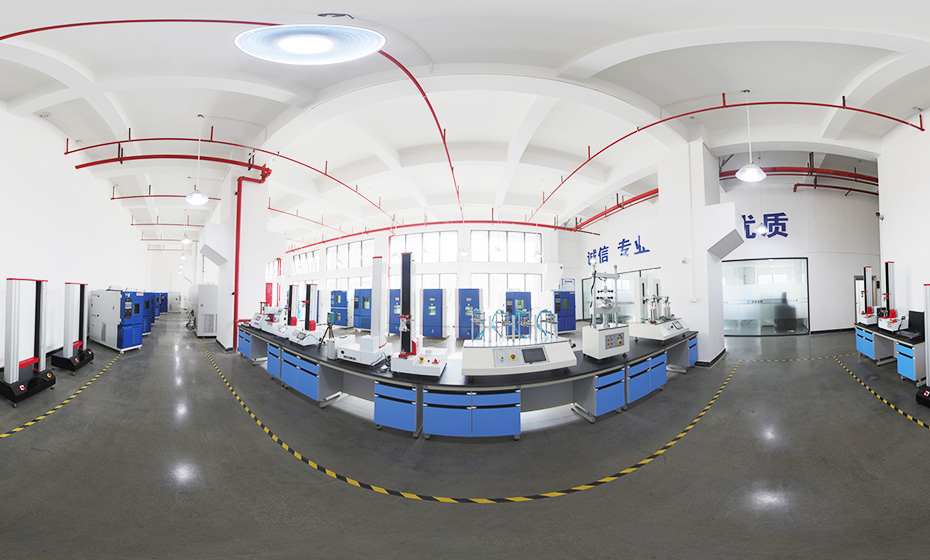
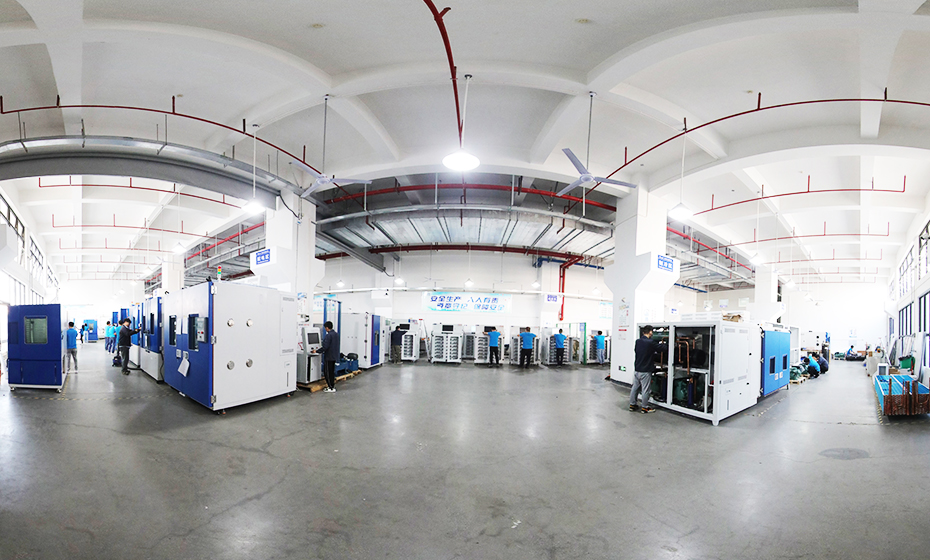
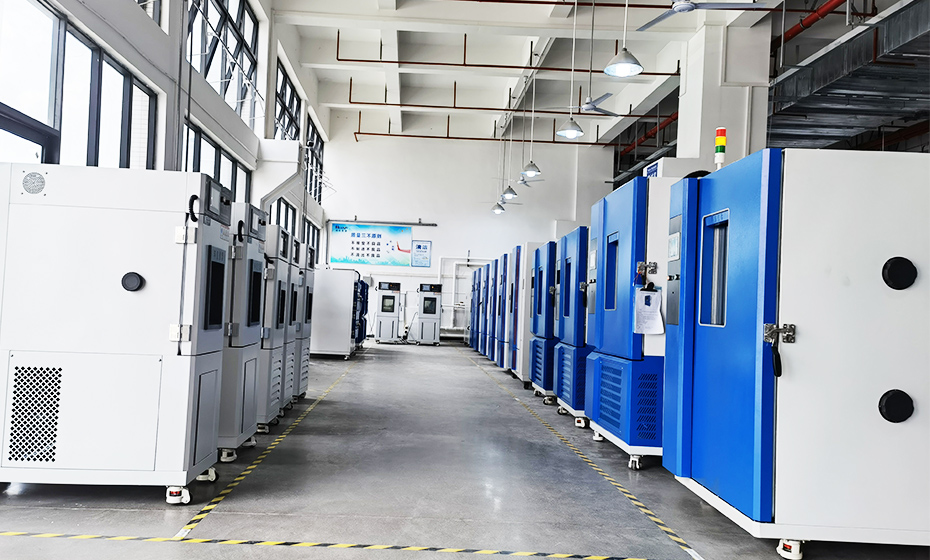
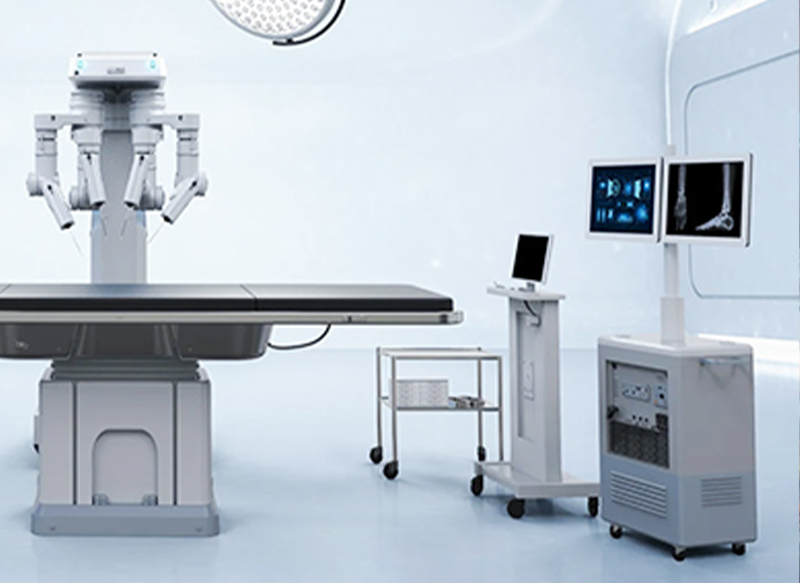
We supply testing instruments for electronic assemblies, materials testing, aerospace engineering, and manufacturing validation.
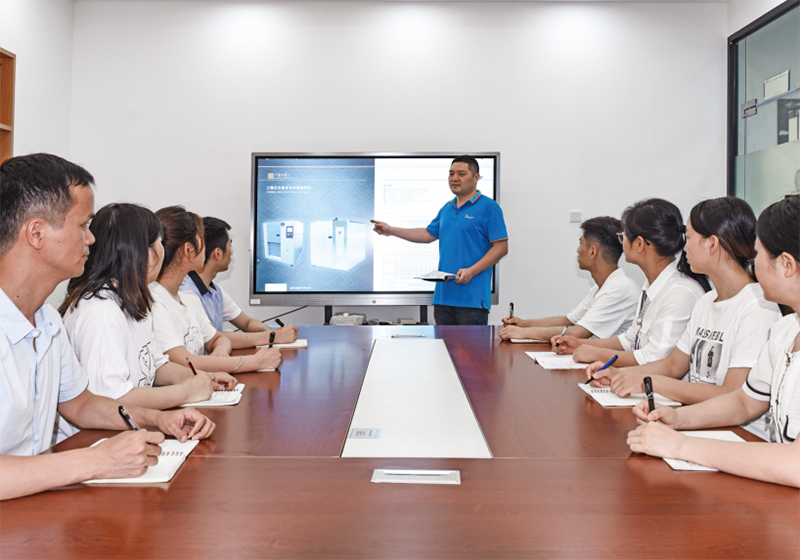
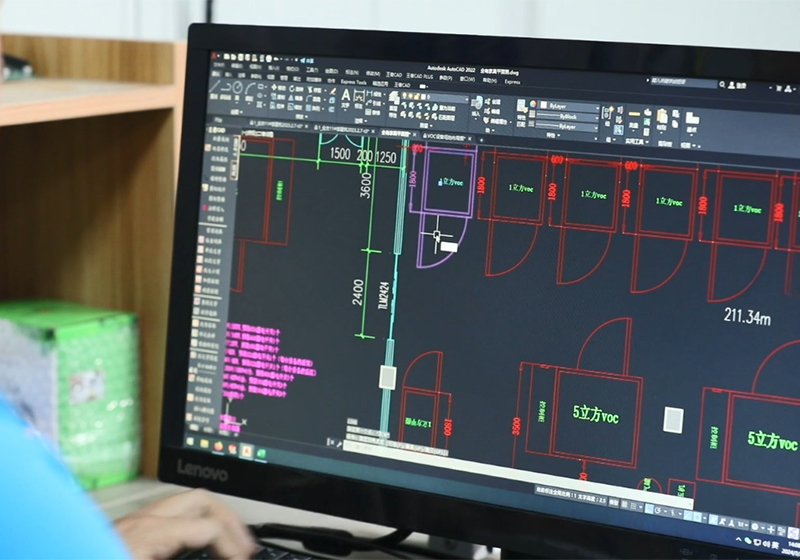
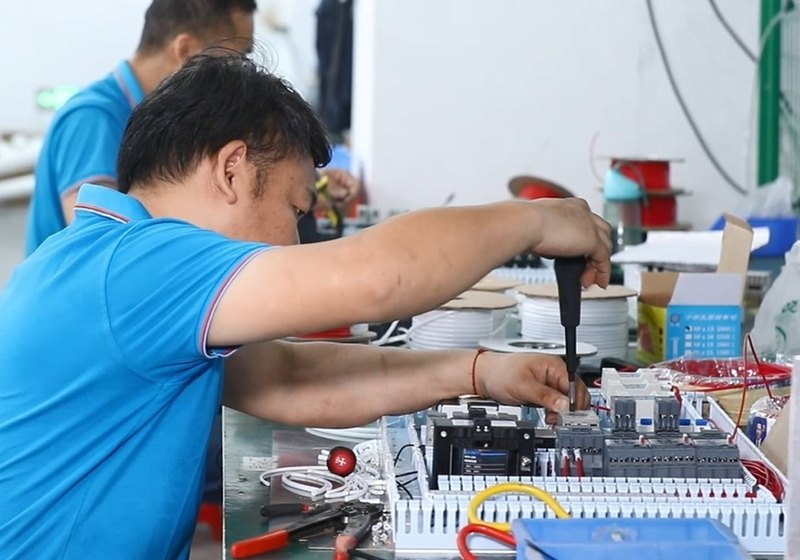





Huanyi environmental simulation systems are built to comply with international standards. We help our clients achieve ISO, ASTM, and EN compliance.
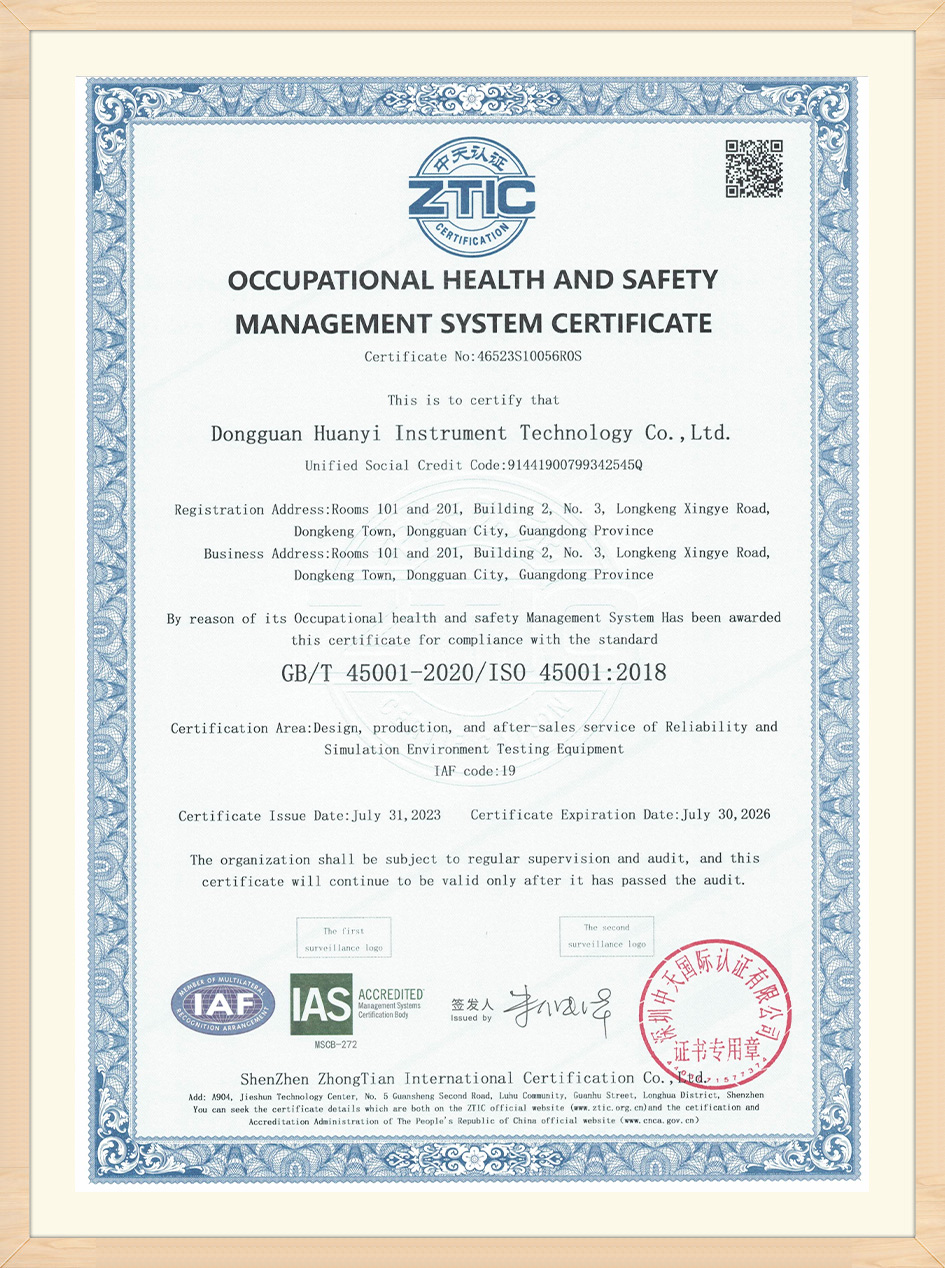
Our quality management is audited to the ISO 9001:2015 standard. Huanyi testing systems are designed and built to help users validate products against international guidelines, including:
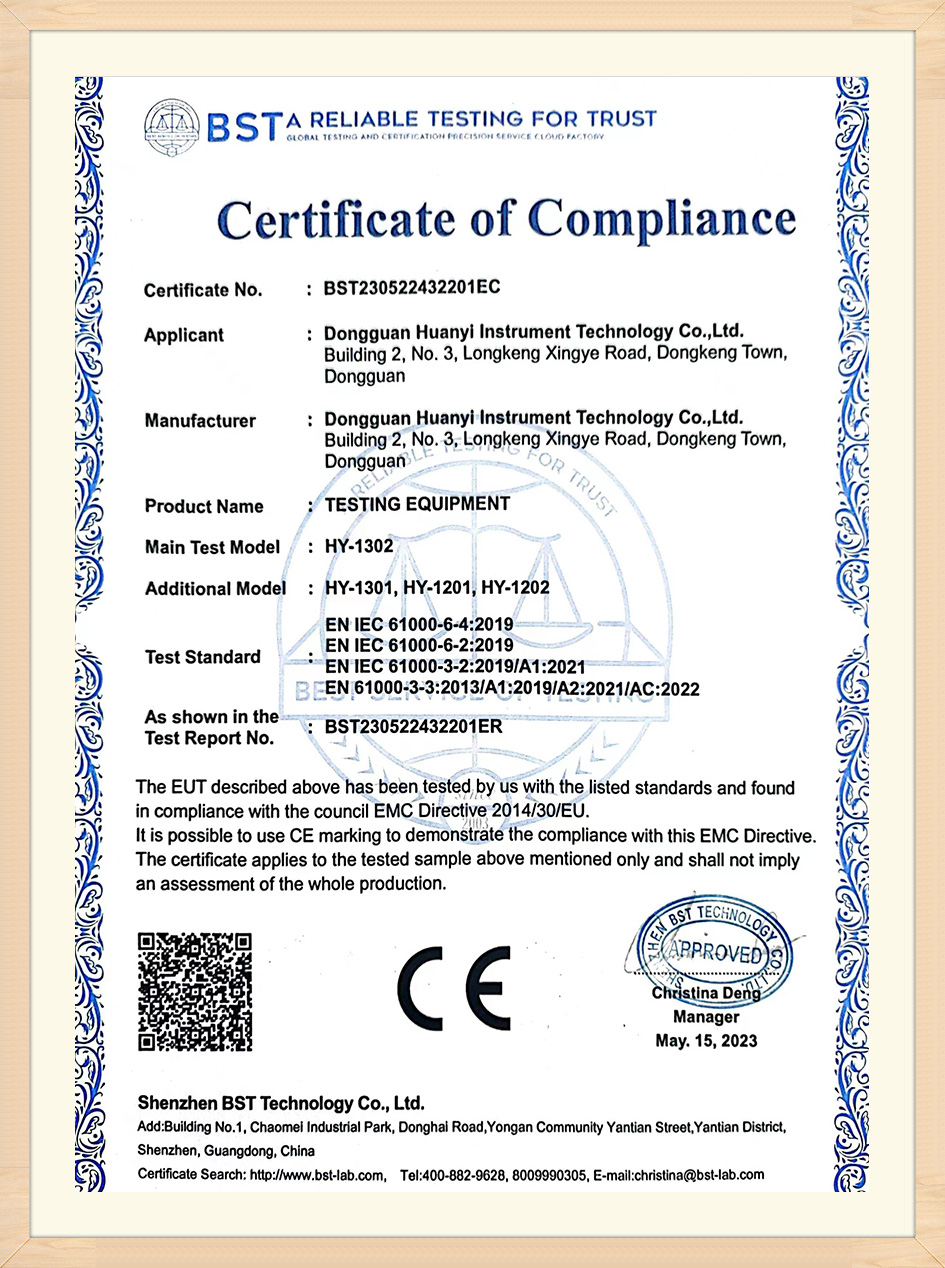
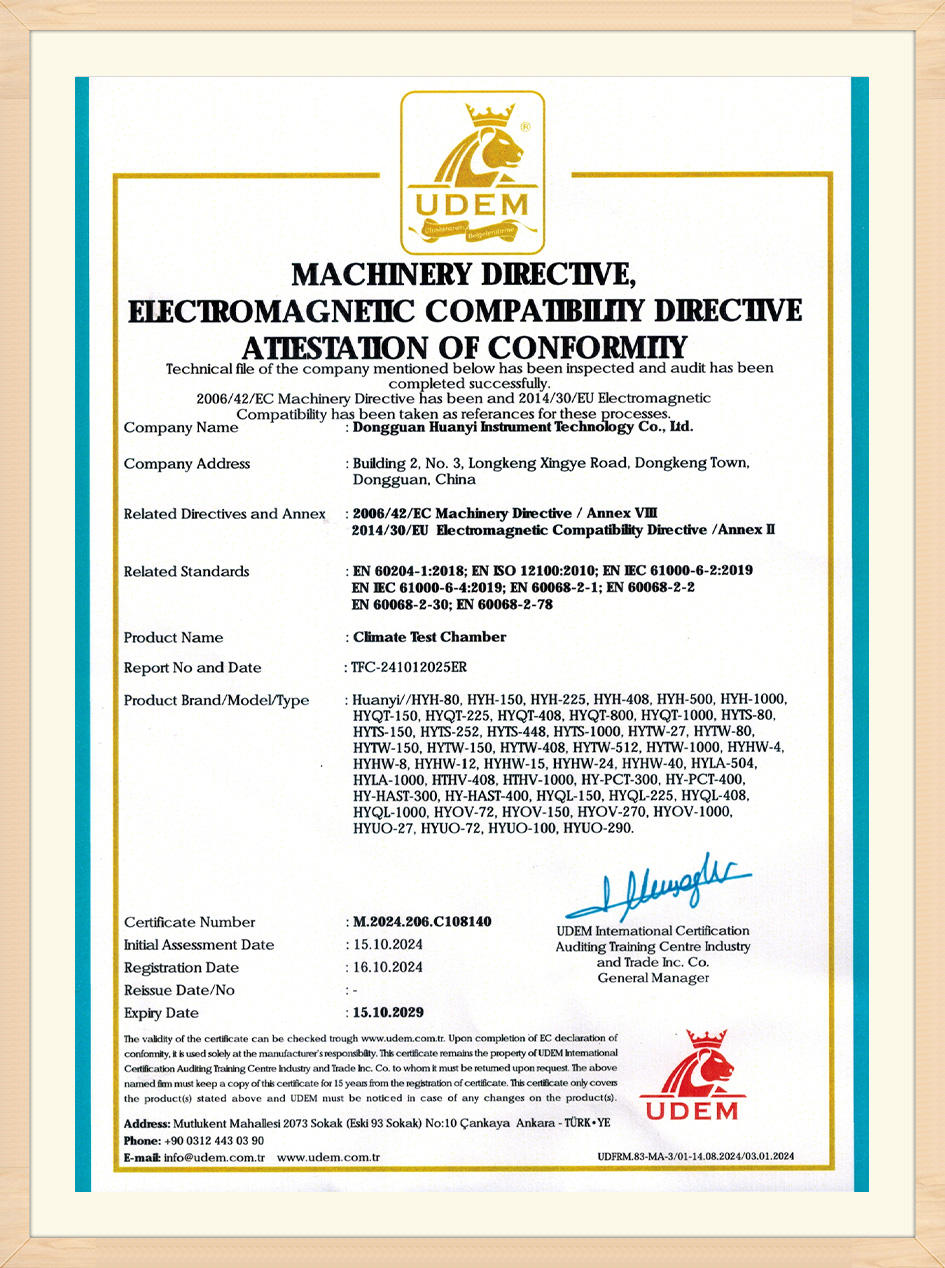
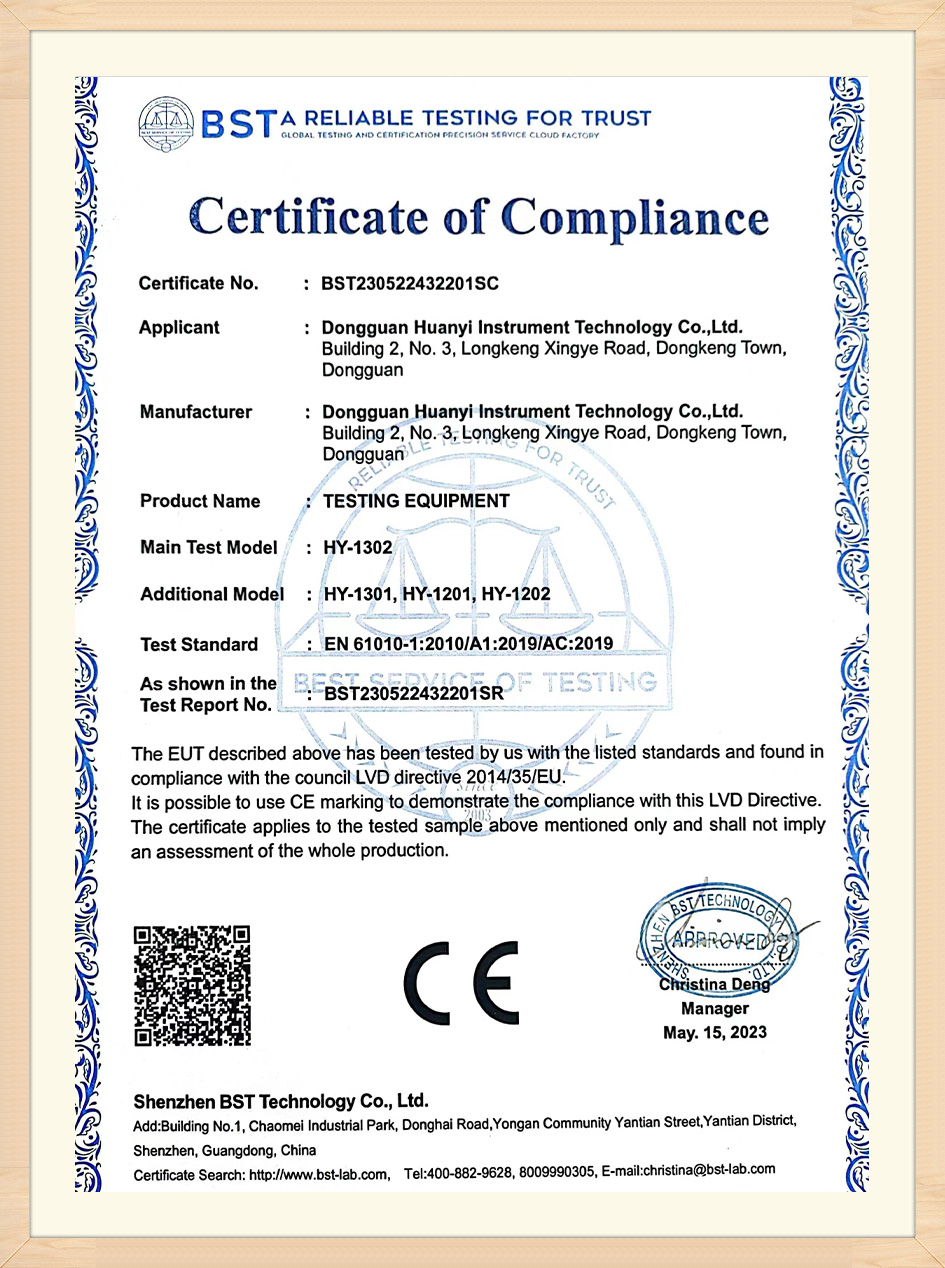
Our integration of CE-certified electrical setups and safety interlocks ensures that our machinery can be deployed in laboratories globally. By maintaining an in-house digital sheet metal facility, we verify structural alignment, insulation integrity, and safety profiles before delivery.
Technical considerations when procuring, calibrating, and operating environmental simulation chambers.
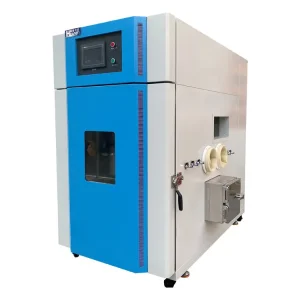
Single-stage refrigeration systems are suitable for testing temperatures down to -30°C or -40°C. For testing parameters requiring cooling to -70°C or lower, a cascade refrigeration system is recommended. Cascade systems use two coupled cycles with different refrigerants to handle high thermal loads at low temperatures safely and efficiently.
A conventional salt spray tester applies a continuous, static salt fog at a fixed temperature. A composite (or cyclic) corrosion chamber allows you to program complex cycles combining salt spray, high humidity, dry air purge, and controlled temperature steps. This provides a more realistic simulation of actual atmospheric corrosion.
Standardized test methods (such as EN 13419, ISO 16000-9, and ASTM D6007) require precise air-exchange rates and loading ratios. Standard sizes like 1m³ and 1.5m³ allow laboratories to scale measurements directly to standard ventilation conditions.
For most commercial and industrial validation programs, sensors should be calibrated at least once a year. For high-precision applications or military testing, semi-annual calibration is recommended to ensure test consistency.
Yes. Our in-house digital sheet metal facility, engineering team, and design controls allow us to customize dimensions, load capacities, door configurations, and access ports. We can also integrate auxiliary systems, such as automated loaders or vibration table integration plates.
Speak with our sales and engineering team about system specifications, standard compliance, and delivery timelines.
Contact Our Engineering TeamExplore our line-up of calibration chambers, emission test compartments, and specialized physical test machinery.
 Huanyi