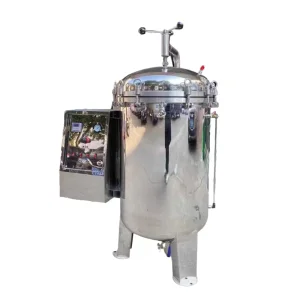
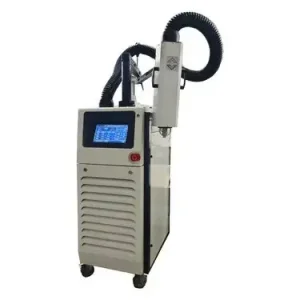
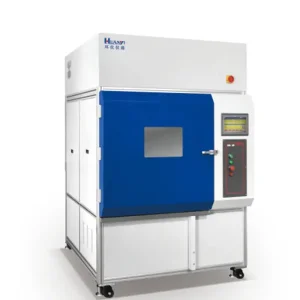
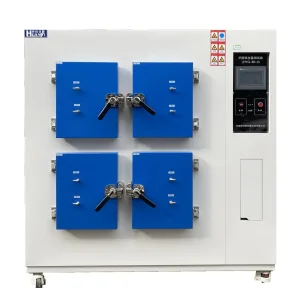
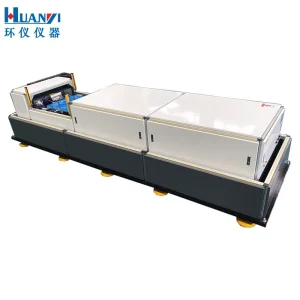
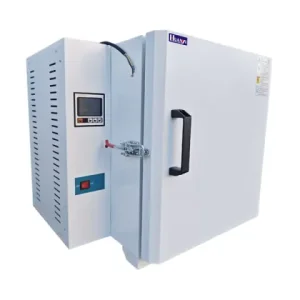
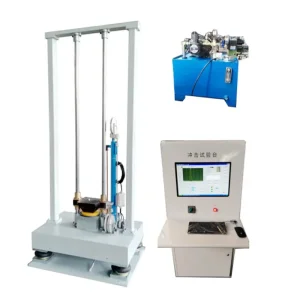
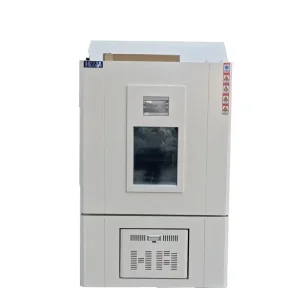
In the modern industrial landscape, the performance of rubber and elastomeric materials at sub-zero temperatures is no longer a niche requirement; it is a critical safety and longevity benchmark. From the O-rings in aerospace hydraulics to the seals in Electric Vehicle (EV) battery cooling systems, the ability of rubber to maintain elasticity without undergoing brittle failure is paramount. The Custom Rubber Low Temperature Brittleness Testing Machine serves as the definitive guardian of material integrity.
As a premier factory and manufacturer, we have observed a significant shift in the global market. Industries are moving beyond generic testing toward application-specific simulation. The "Glass Transition Temperature" (Tg) of polymers determines when a flexible material becomes a brittle glass. For engineers in the automotive, oil and gas, and defense sectors, identifying this precise point through ASTM D2137 or ISO 812 standards is non-negotiable.
Generic content focuses on "how to use" a machine. Our approach provides "Information Gain" by explaining the molecular synergy between vulcanization levels and cold resistance. We don't just sell machines; we provide the data-driven infrastructure to predict material failure before it occurs in the field.
Testing rubber components for oil rigs and icebreakers operating in temperatures as low as -60°C. Ensuring seals do not shatter under mechanical impact.
Elastomers used in thermal management systems must withstand rapid temperature cycling without developing micro-cracks that lead to coolant leaks.
High-altitude environments demand materials that resist brittleness during the transition from ground heat to stratospheric cold.
The evolution of rubber testing machines is pivoting toward Automation and AI Integration. Traditional testing required manual sample handling in cold baths, introducing human error and temperature fluctuations. Our factory's R&D roadmap focuses on three core pillars:
Automated transfer of specimens from conditioned chambers to the impact head, maintaining a tolerance of ±0.1°C to ensure 100% compliance with ISO 812.
High-speed cameras combined with machine learning algorithms analyze the fracture surface of the rubber to categorize the type of brittle failure automatically.
Moving away from traditional refrigerants to liquid nitrogen (LN2) injection and high-efficiency cascaded compressors that reduce carbon footprint during long-duration tests.
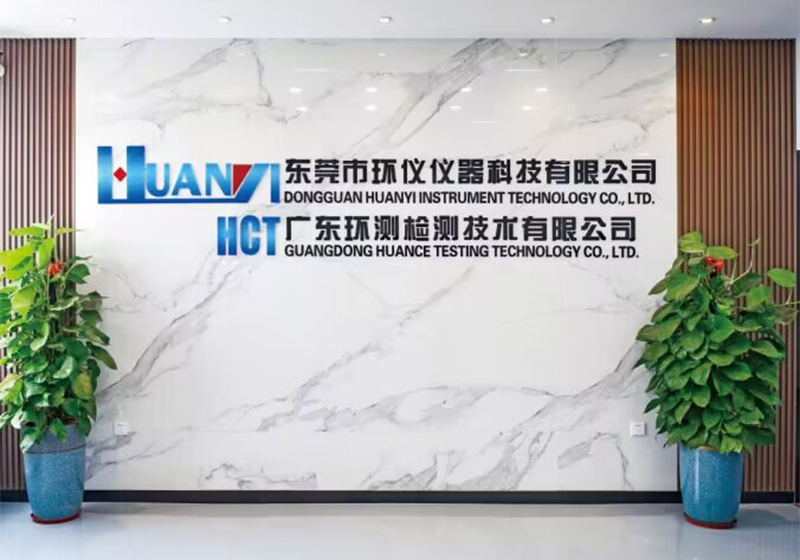
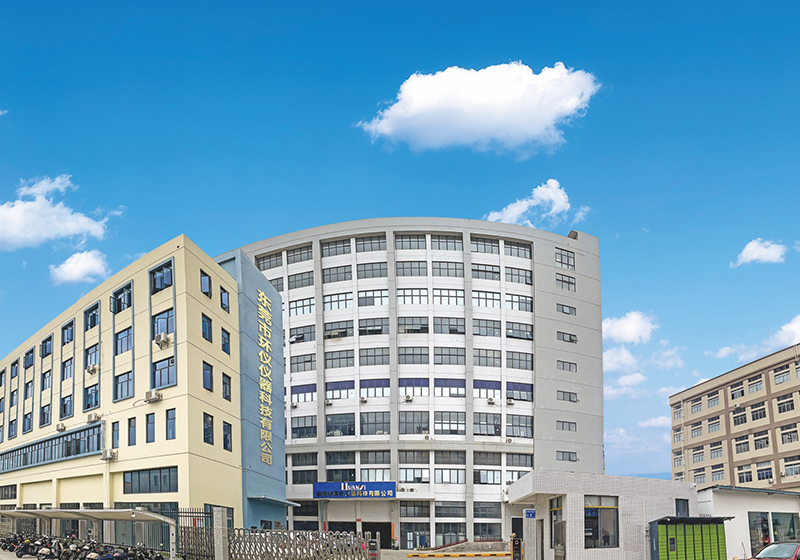
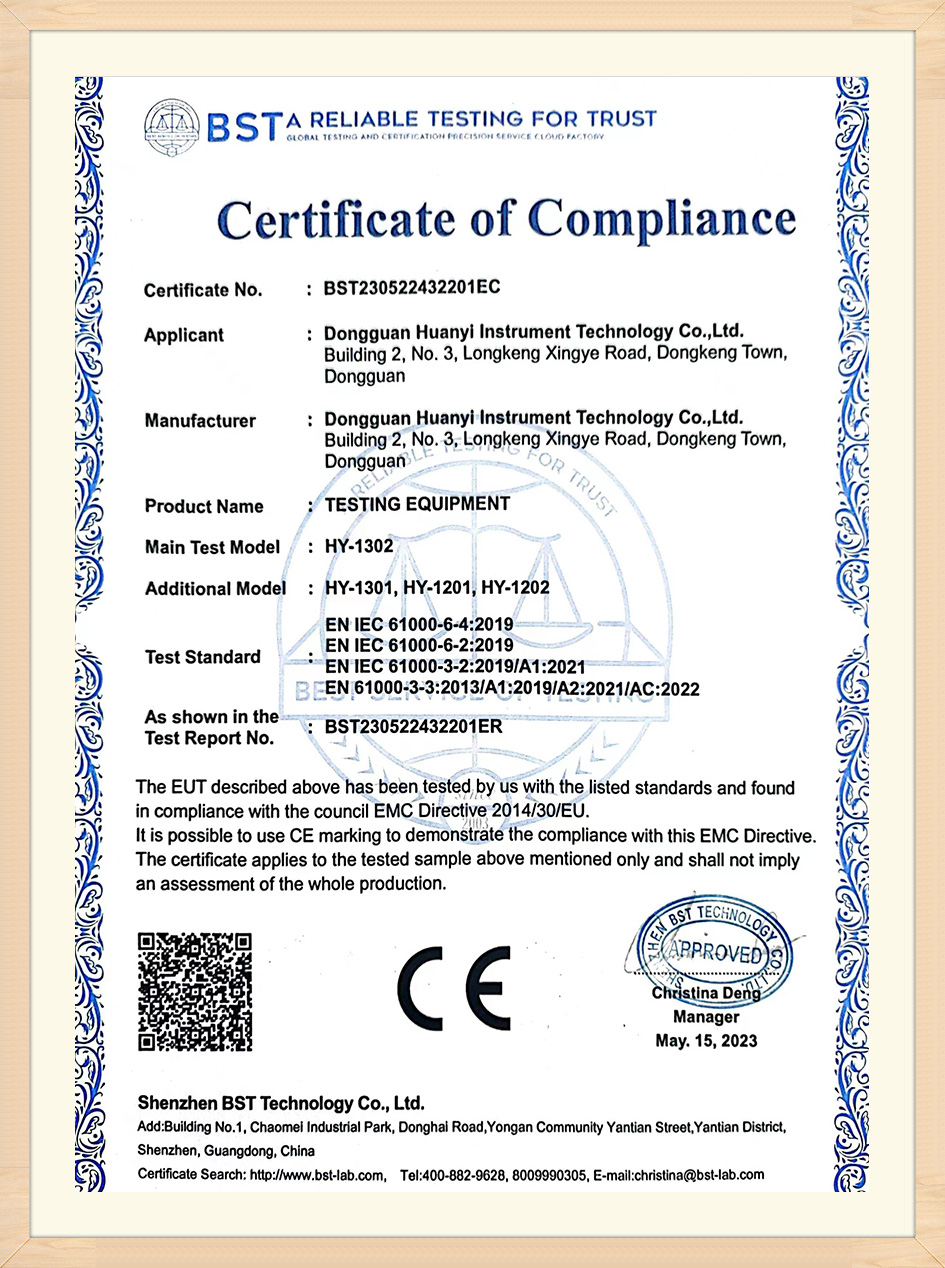
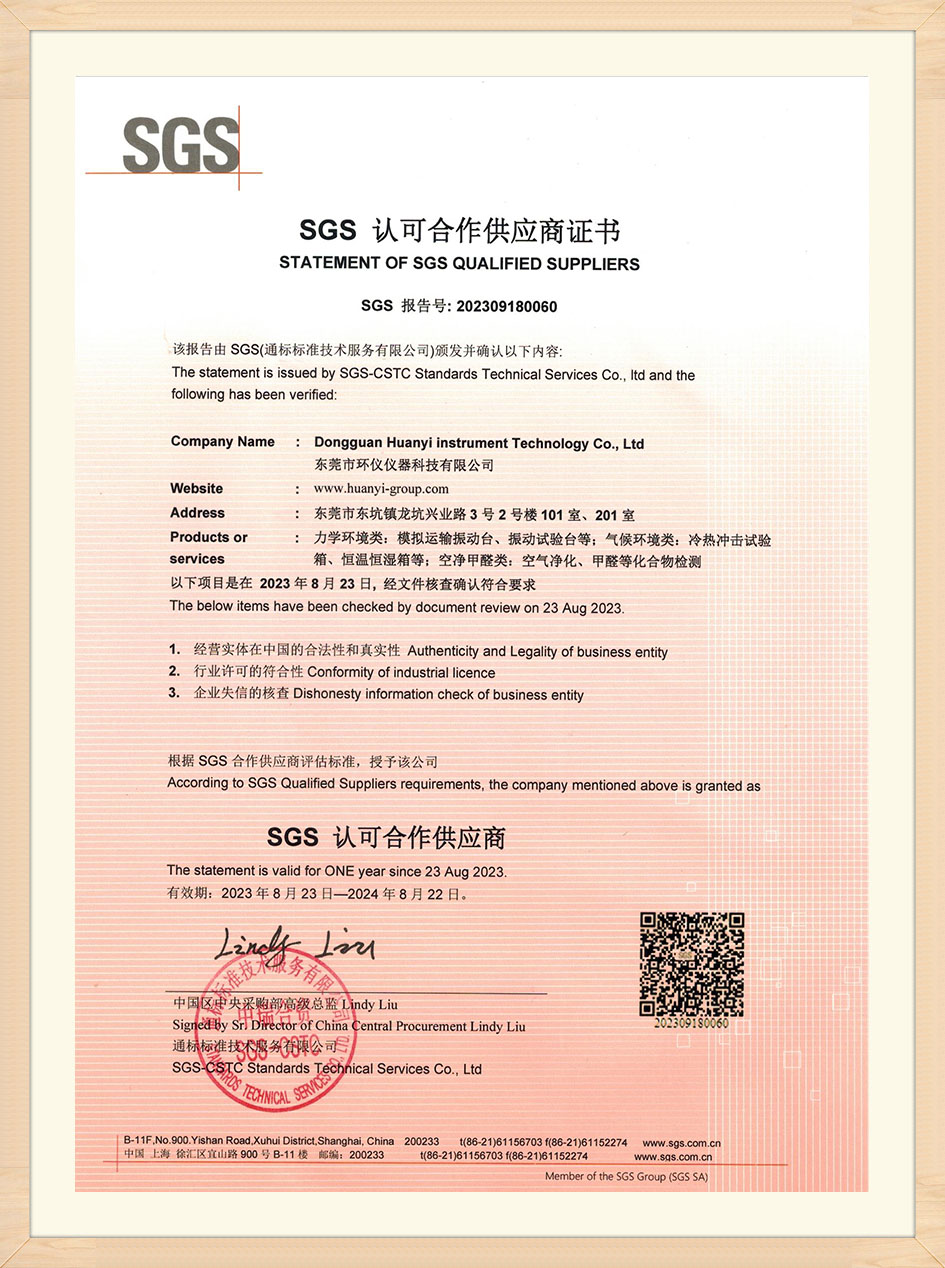
Dongguan Huanyi Instruments Technology Co., Ltd. was established on March 20, 2007, covering an area of 6,022 square meters. It is a high-tech enterprise integrating R&D, production, sales and after-sales service. It participated in the drafting of national standards and industry standards for environmental simulation test equipment.
Our philosophy is "customer-centric, quality-guaranteed, honesty-based, and innovation-oriented". Through unremitting efforts, Huanyi has cultivated a high-quality team with rich production, R&D and management experience.
High Quality Control from every aspect of raw material, production, installation, and commission. Modern equipment includes laser cutting panels, ERP systems, and production control automation.
With more than 20 years of experience, we have professional production and R&D personnel. Huanyi can meet large-volume production orders at any time using an ERP system to ensure timely delivery.
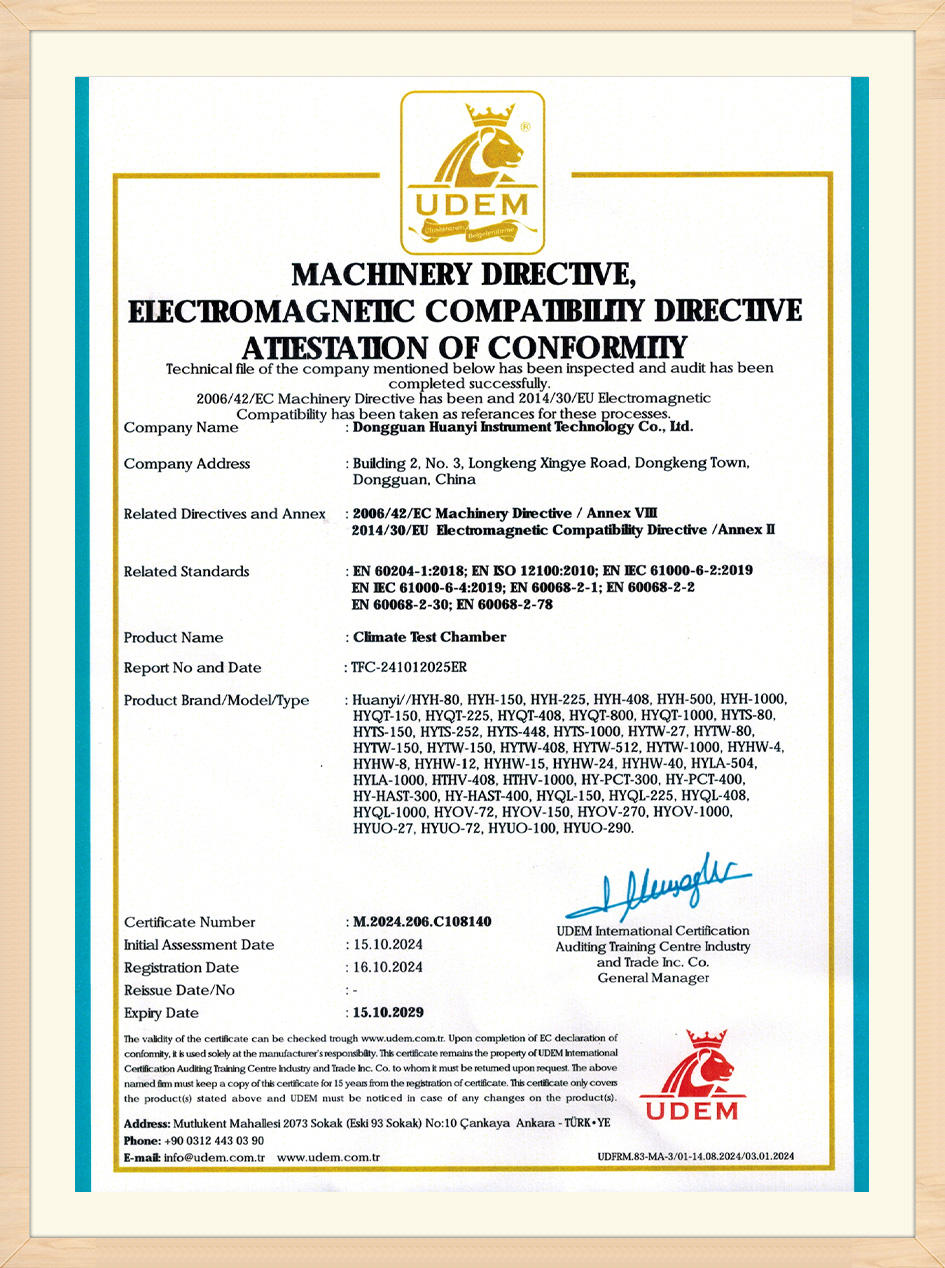
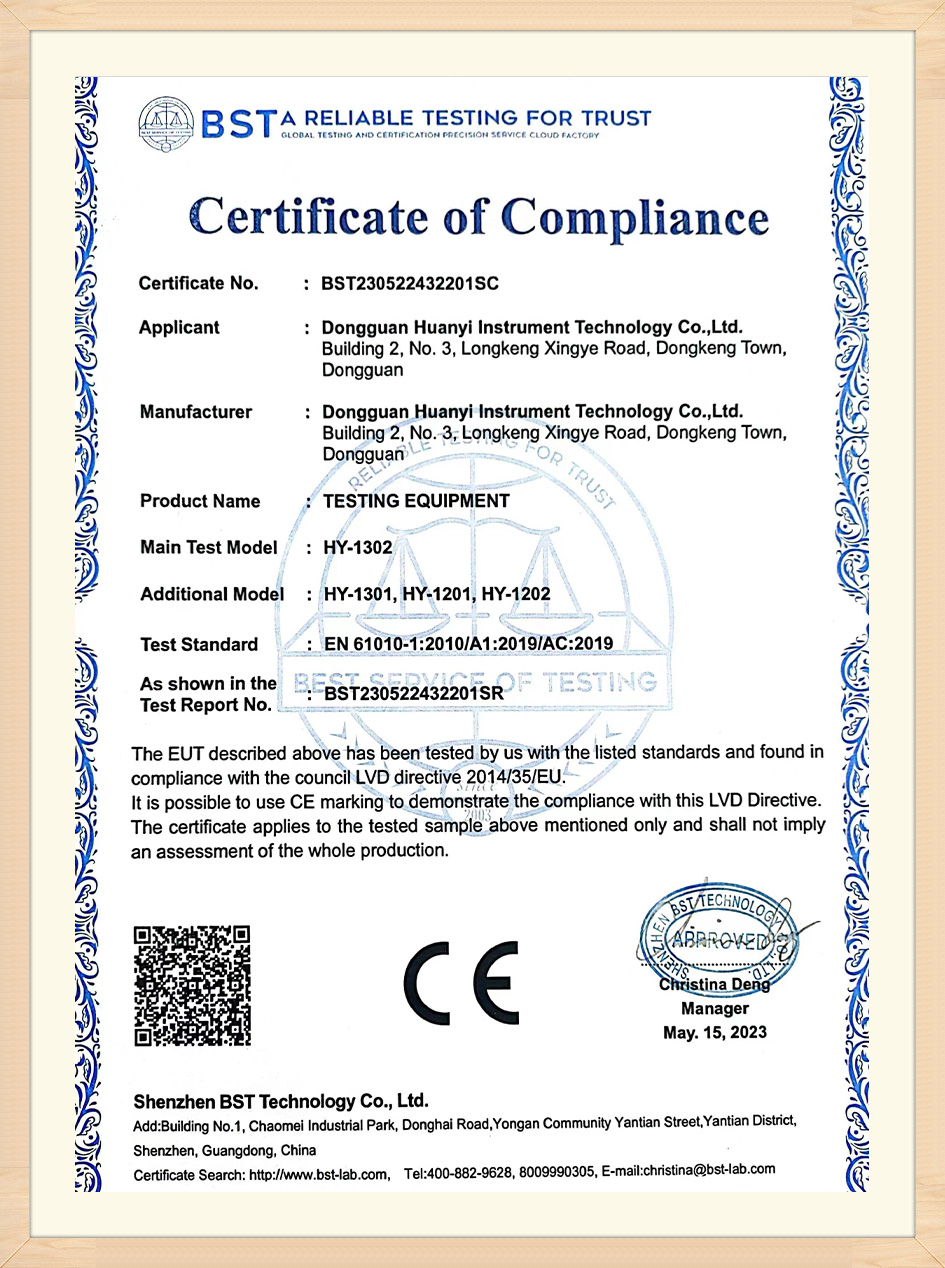
ISO 9001 factory manufacturing. Mature technology and professional after-sales service. Our products are widely praised in Southeast Asia, Europe, and the United States.
| Industry Sector | Critical Test Requirement | Localized Solution |
|---|---|---|
| Automotive OEM | Fuel line flexibility at -40°C | Multi-specimen automated brittleness testing with rapid cycle cooling. |
| Cold Chain Logistics | Refrigeration door seal integrity | Custom chambers simulating humidity and low-temperature brittle fatigue. |
| Marine Engineering | Subsea cable insulation testing | Salt-spray combined with low-temp brittleness impact analysis. |
| Telecom Infrastructure | Fiber optic cable jacketing | Ensuring outer rubber casing doesn't crack in high-altitude 5G base stations. |
While both standards measure the temperature at which materials exhibit brittle failure under impact, ASTM D746 is often used for plastics and elastomers in general, whereas ISO 812 provides more specific procedures for rubber vulcanized or thermoplastic. Our machines are custom-built to toggle between these standards seamlessly.
Mechanical compressors typically reach their limit around -70°C. For "Extreme Cold" testing (e.g., -100°C for specialized aerospace components), LN2 injection provides rapid pull-down times and can achieve significantly lower temperatures with higher precision.
Thickness is a critical variable. Thicker specimens may exhibit brittle behavior at higher temperatures due to internal stress distribution. Our machines include precision clamping systems to ensure uniform thickness compliance as per your specific material grade.
Yes. Our latest models feature Ethernet and RS485 connectivity, allowing data to be fed directly into your factory ERP or Laboratory Information Management System (LIMS) for real-time quality monitoring.
 Huanyi