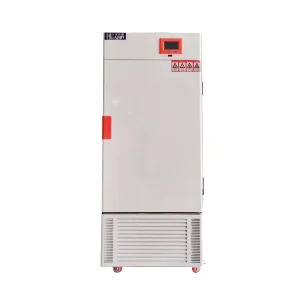
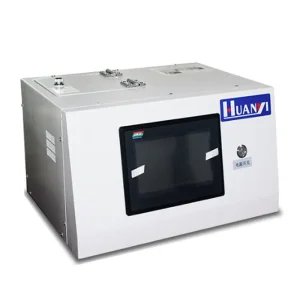
Explore our foundational range of climate control and physical material testing solutions, built to international compliance and performance benchmarks.
An in-depth analysis of thermal thermodynamics, global supply chain dynamics, and custom industrial oven fabrication engineering.
In modern manufacturing processes, thermal treatment represents a critical processing phase. Among the technologies utilized to execute dehydration, curing, tempering, aging, and sterilization, the Hot Air Circulation Drying Oven stands as a pillar of reliability. Precision drying is no longer defined merely by raising ambient temperatures inside a chamber. Modern applications require rigorous regulation of heat transfer rates, localized airflow uniformity, precise relative humidity extraction, and strict energy efficiency profiles.
This whitepaper addresses the design challenges, mechanical methodologies, application profiles, and procurement dynamics associated with industrial hot air circulation ovens. With an emphasis on the engineering principles utilized by leaders like Dongguan Huanyi Instruments Technology Co., Ltd., we present the structural and technological parameters that ensure compliance with demanding global standards.
Typical off-the-shelf industrial ovens suffer from localized hot spots and temperature stratification, which can damage heat-sensitive substrates. Advanced custom-engineered models solve this by employing multi-axial fan circulation systems, aerodynamic internal plenum routing, and proportional PID controller configurations. By analyzing thermal boundary layer equations, manufacturers can establish a controlled atmosphere that guarantees heat is transferred uniformly across all loading shelves.
The global market for industrial drying ovens has expanded significantly, driven by shifting parameters in secondary and tertiary manufacturing sectors.
At its core, a hot air circulation drying oven converts electrical energy (or gas combustion) into thermal energy, distributing it evenly throughout a sealed enclosure via mechanical fan forced convection. The process follows these physical steps:
The efficiency of this thermodynamic cycle depends heavily on the ratio of recirculated air to exhaust air, the velocity of the air column (typically maintained between 0.5 to 1.5 m/s), and the insulation performance of the oven walls (utilizing high-density rockwool insulation with thickness ranging from 100mm to 150mm to minimize heat dissipation).
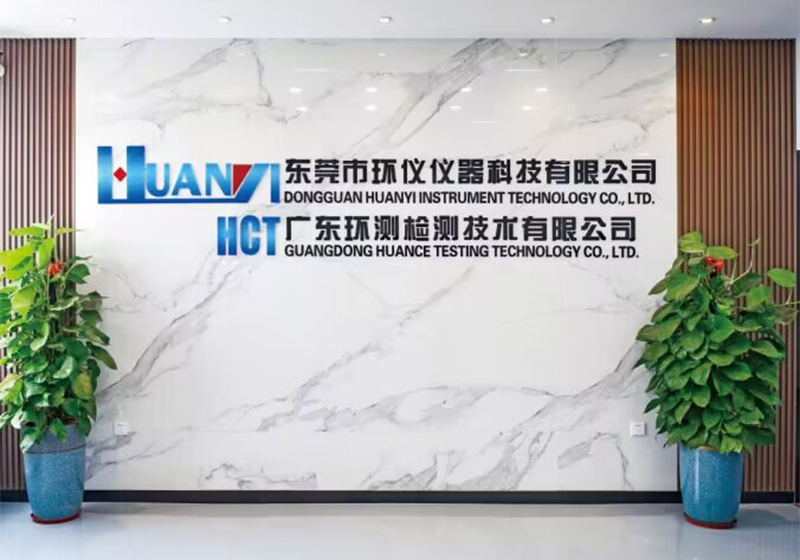
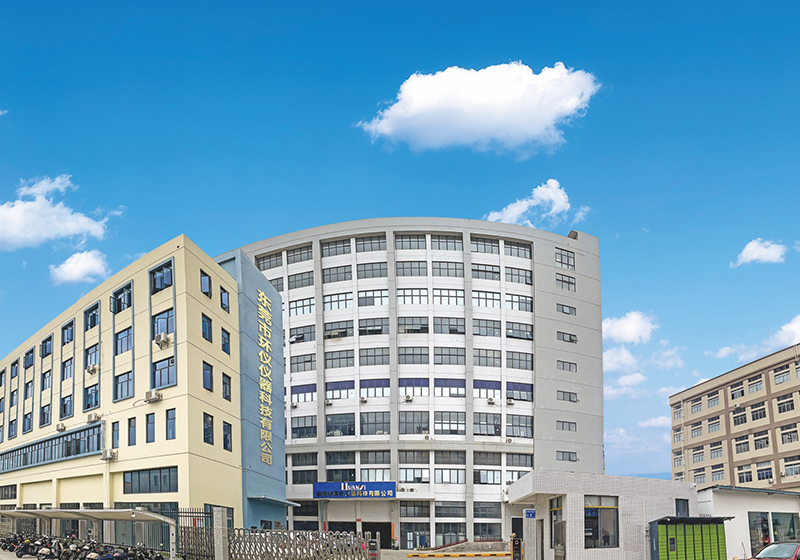
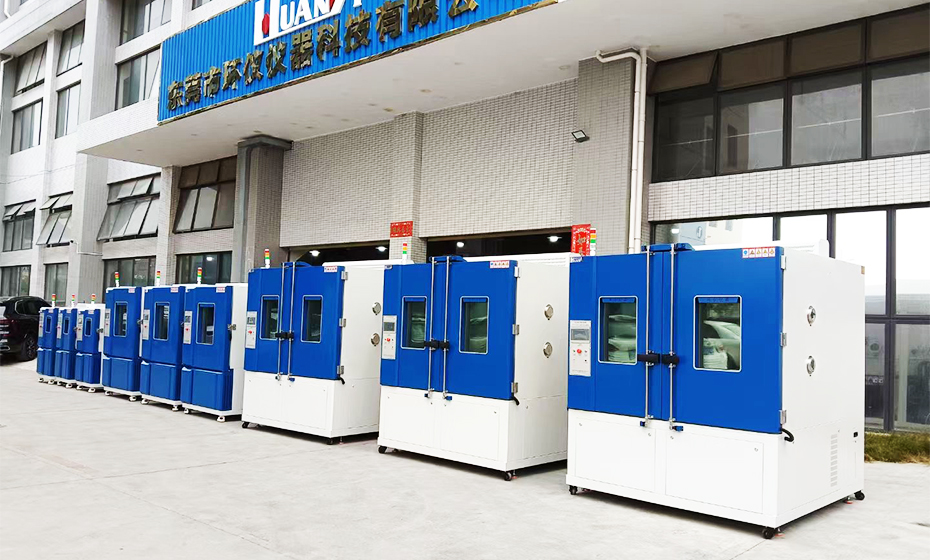
Dongguan Huanyi Instruments Technology Co., Ltd. was established on March 20, 2007, covering an area of 6,022 square meters. It is a high-tech enterprise integrating R&D, production, sales and after-sales service. It participated in the drafting of national standards and industry standards for environmental simulation test equipment.
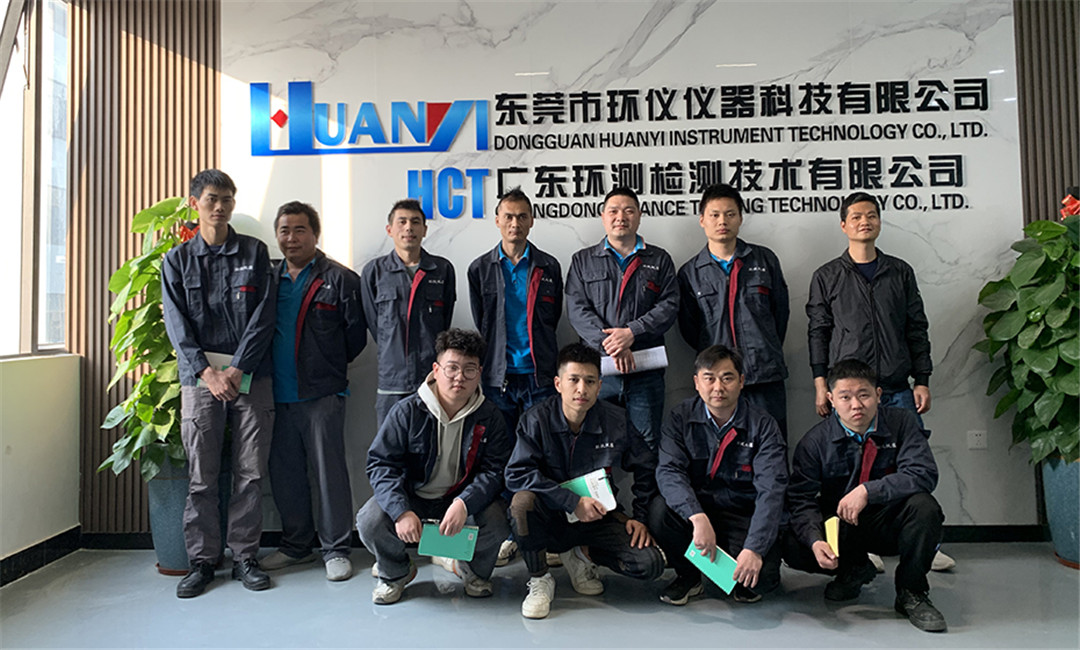
Our philosophy is "customer-centric, quality-guaranteed, honesty-based, and innovation-oriented". Through unremitting efforts, Huanyi has cultivated a high-quality team with rich production, R&D and management experience.
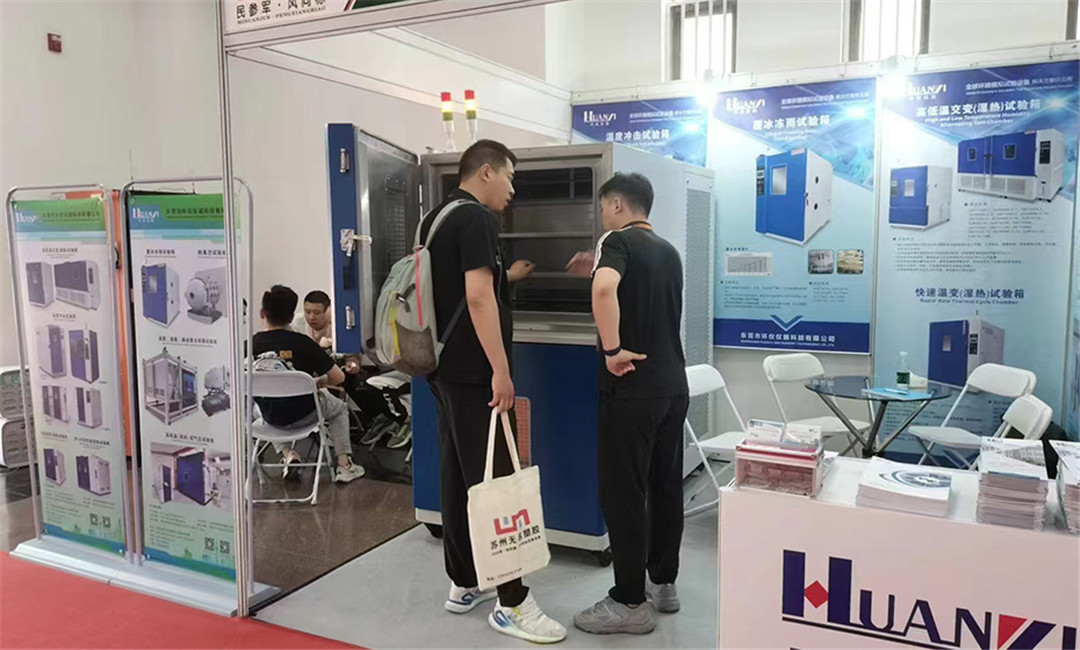
With the persistent efforts of all staff, our products have been selling to Southeast Asia, Europe, the United States, the Middle East and other regions, and have gotton good feedback from customers. Since its establishment, we have accumulated more than 2,500 customers, and the products have won unanimous praise from customers. Besides, the company has been providing customers with the "most competitive" products, continuously introducing international advanced technologies, learning from others and integrating them.
Engineered for seamless integration across advanced production phases, from laboratory research to massive automated assembly chains.
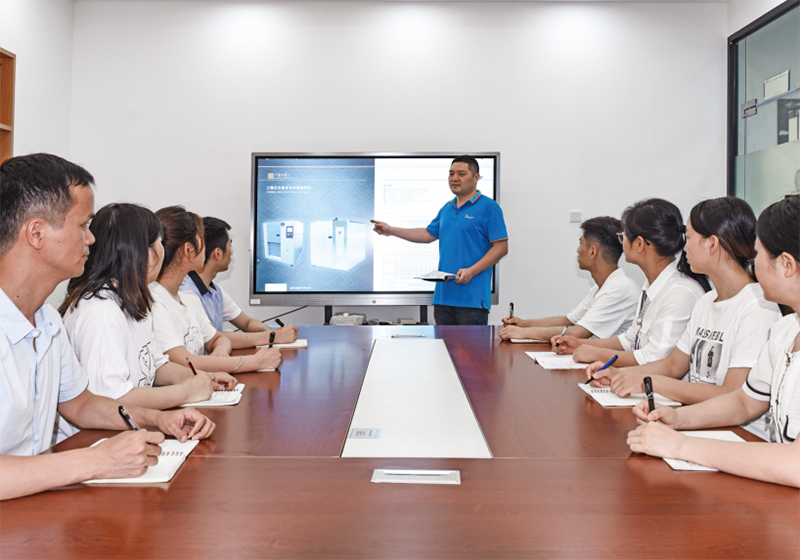
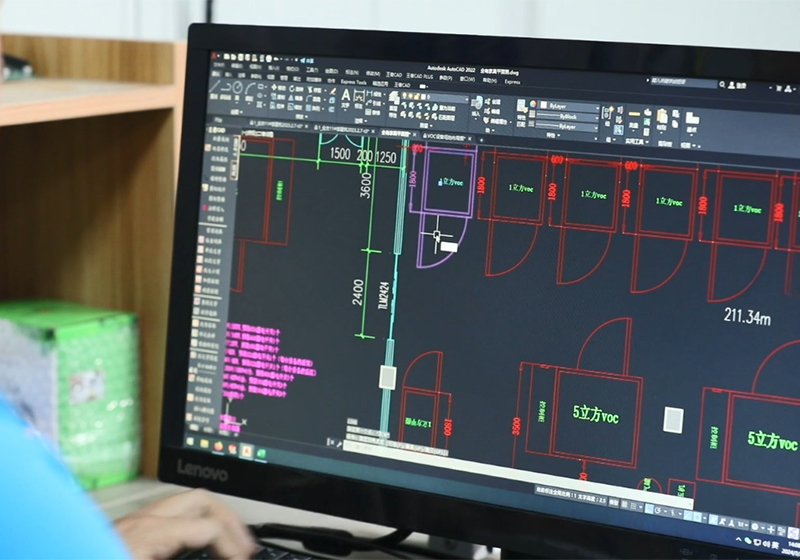
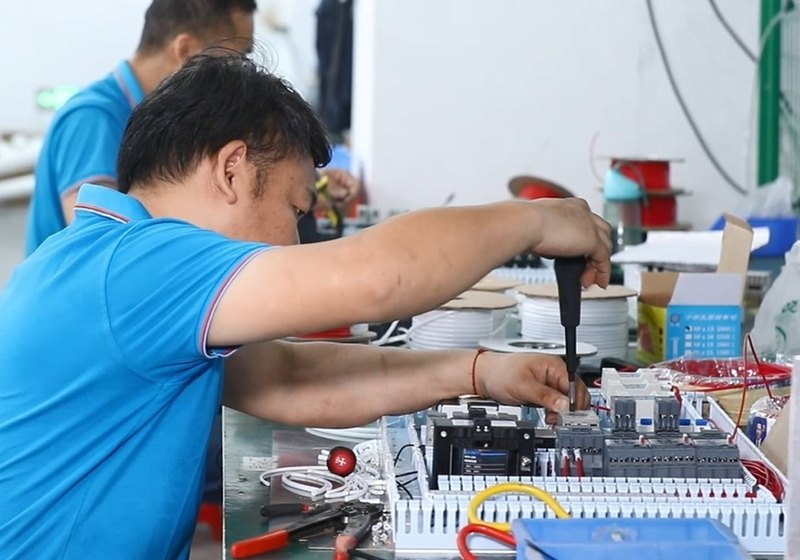
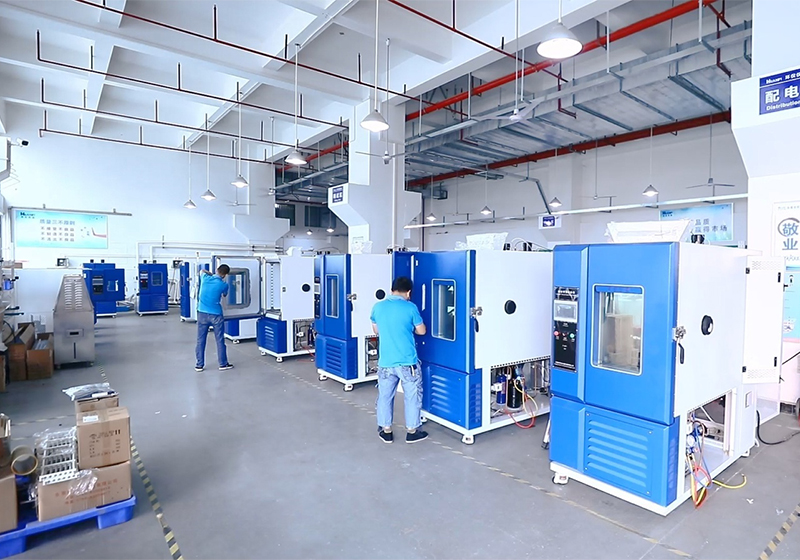
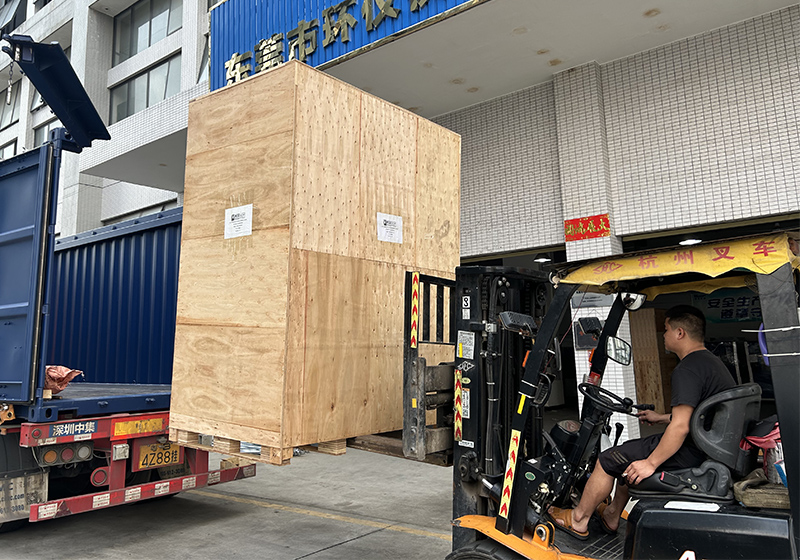
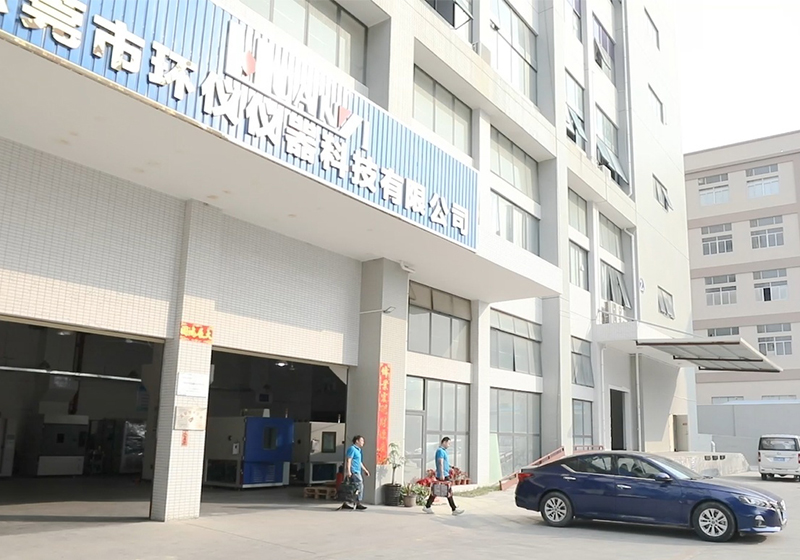
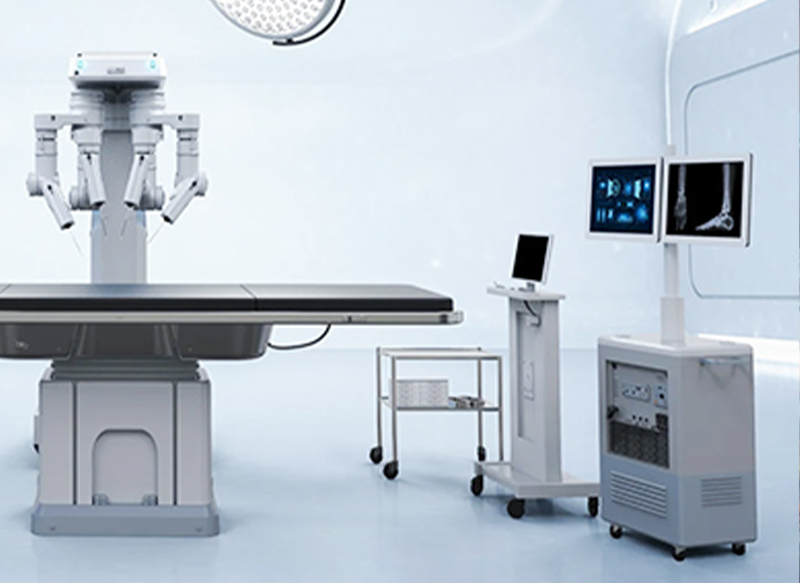
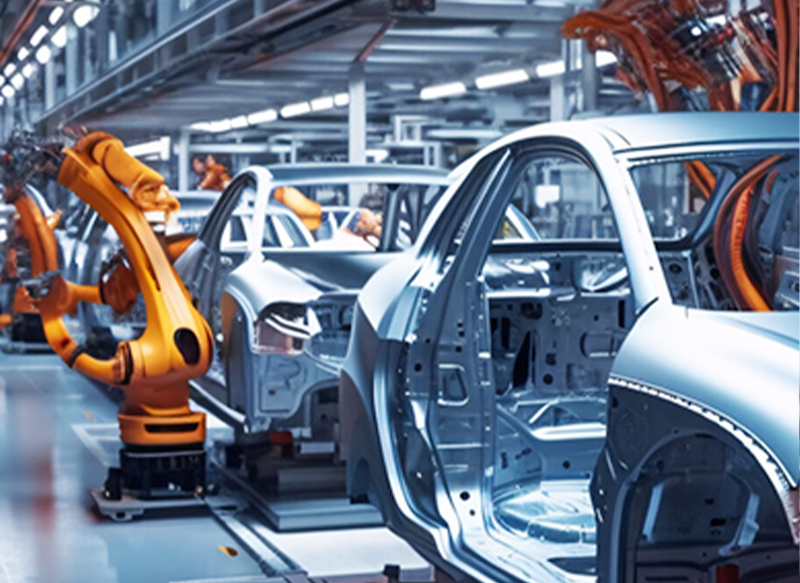
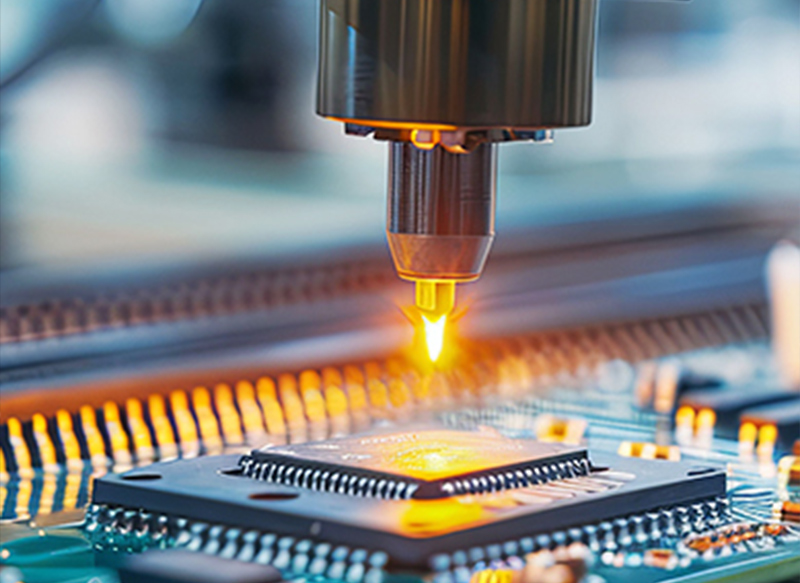





Combining structural craftsmanship, advanced process software, and stringent validation protocols.
High Quality Control from every aspect of raw material, production, installation, and commission. We maintain traceability throughout the assembly process.
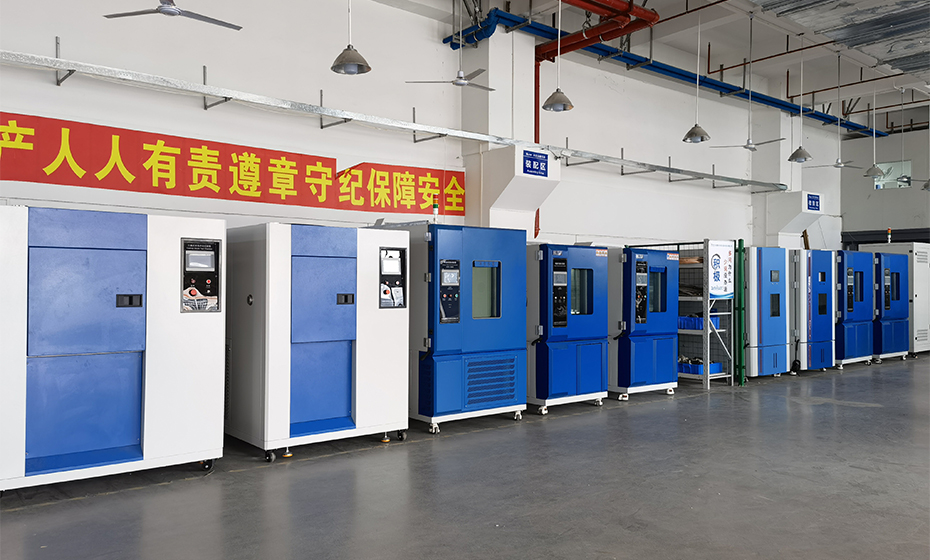
With more than 20 years of experience, we have professional production and R&D personnel. Huanyi can meet large-volume production orders at any time. Additionally, we use an ERP system to monitor the production process, ensuring timely delivery.
Modern equipment and superb process production including laser cutting panels and wood, ERP systems, production control systems, cutting automation. Our advanced equipment helps us reduce raw material waste and optimize structural durability.
ISO 9001 factory manufacturing. We use only validated premium raw materials. Our components are sourced from globally recognized electronic and pneumatic manufacturers to ensure lasting dependability and local support.
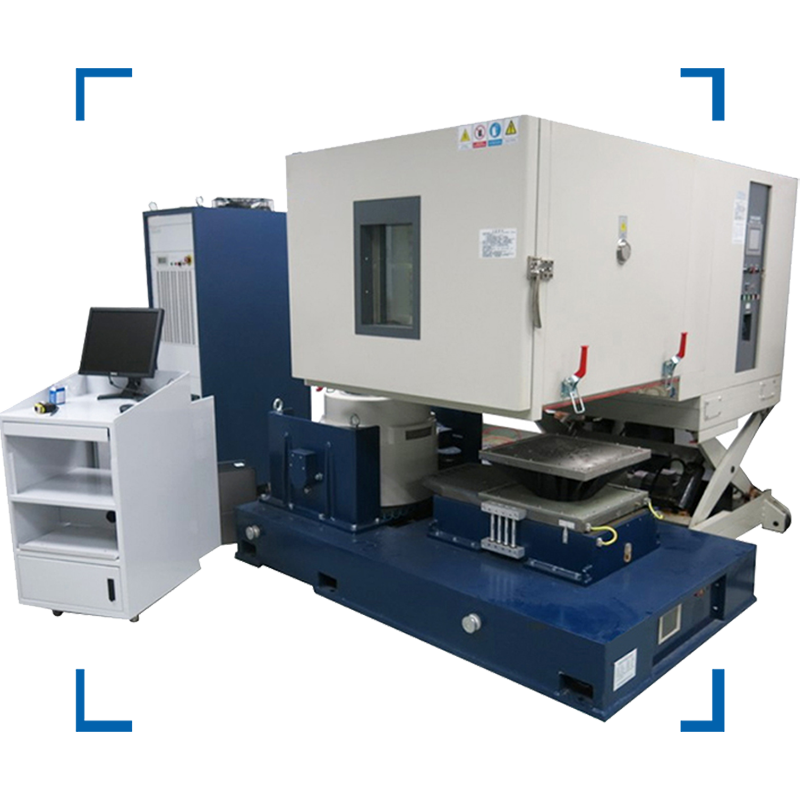
The main components of all our company's products are made of internationally renowned brand components to ensure product quality and performance. The company possesses strong independent innovation capabilities, continuously upgrading testing instruments to lead domestic and international testing benchmarks.
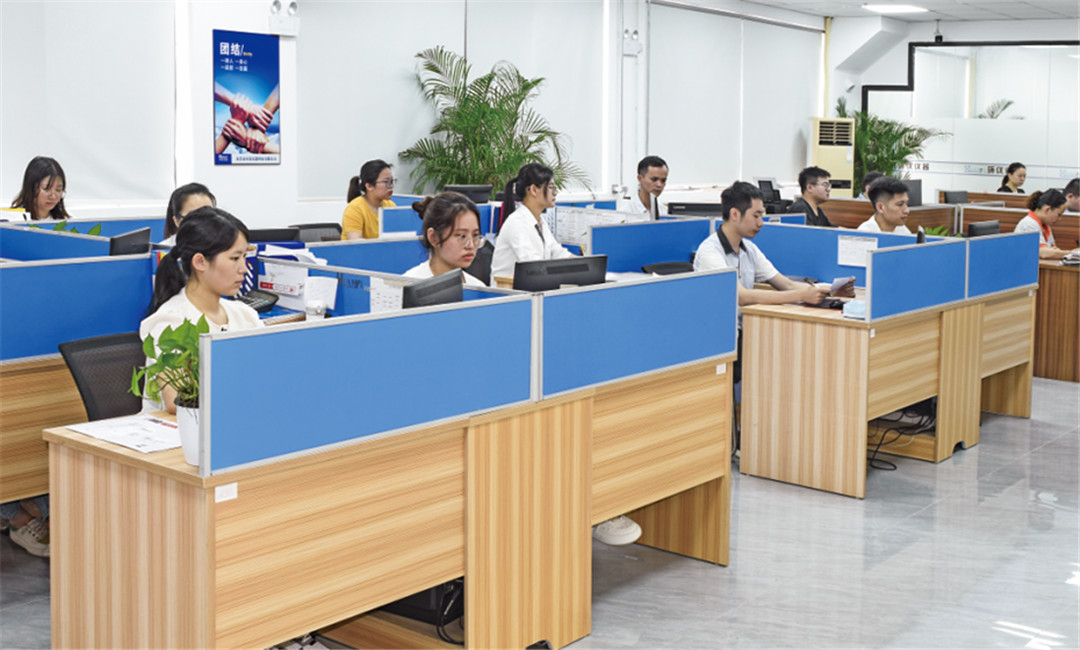
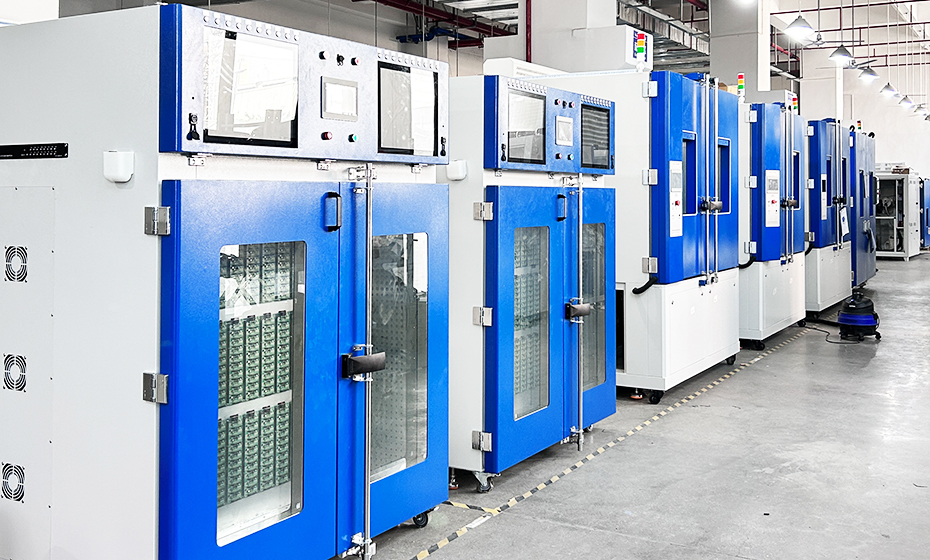
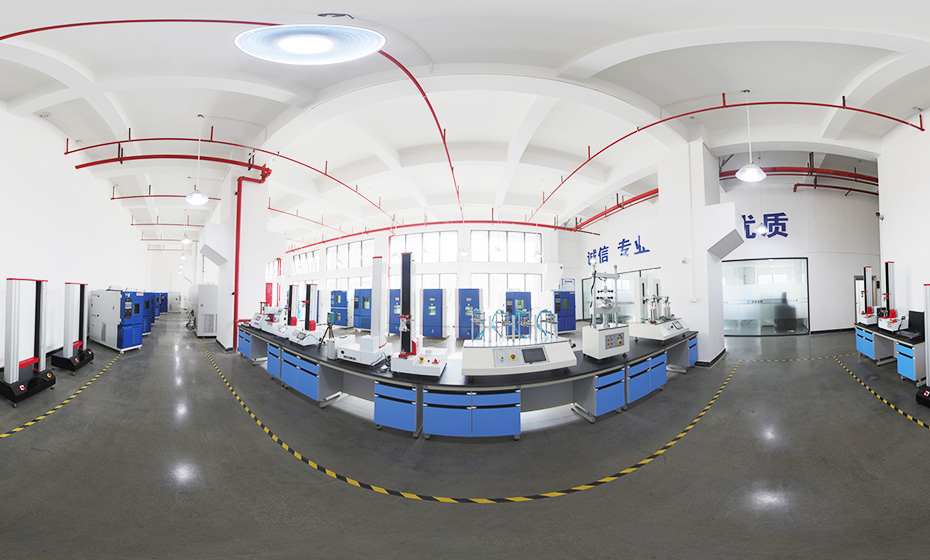
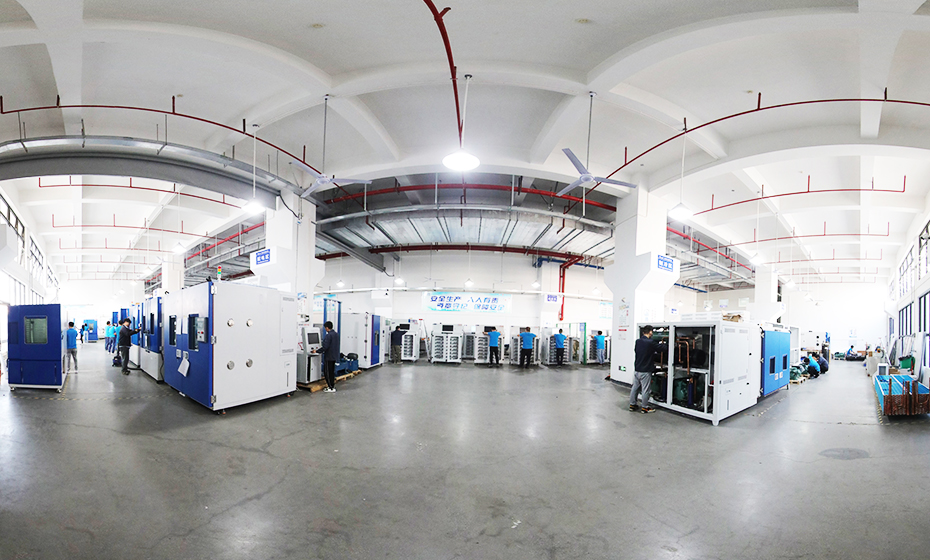
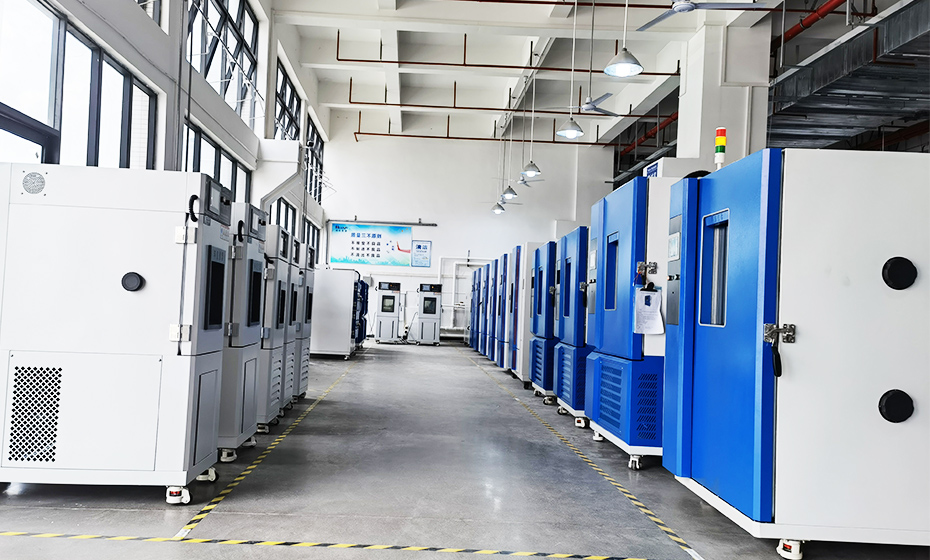
A history of constant technological innovation and geographic expansion to support the global testing equipment market.
Established Dongguan Huanyi Instrument Technology Co., Ltd. focused on high-precision environmental chambers.
Established Jiangsu Office to support the expanding semiconductor and solar industries in eastern China.
Established Xi'an and Chongqing Offices to support automotive and defense testing industries in western regions.
Established Shanghai and Beijing Offices, broadening R&D partnerships with leading national institutes.
Establishment of Digital Sheet Metal Center, bringing structural design and laser fabrication in-house.
Passed the Quality Management System Certification ISO 9001:2015, standardizing production processes.
Rated as a high-tech enterprise for six consecutive years. Participated in drafting national environmental testing standards such as GB5364 and GBT50325.
Established our dedicated subsidiary testing laboratory: Guangdong Huance Testing Technology Co., Ltd.
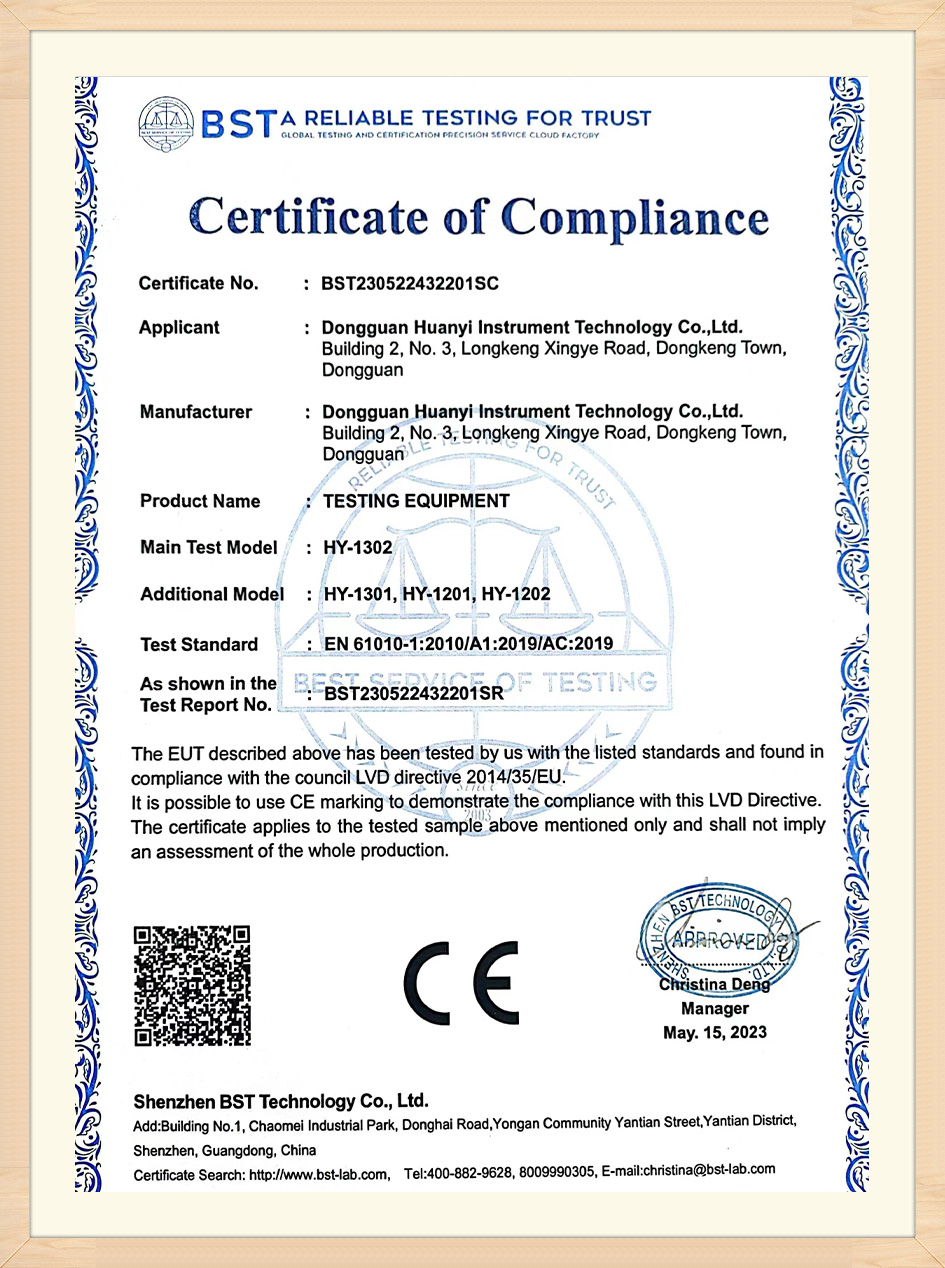
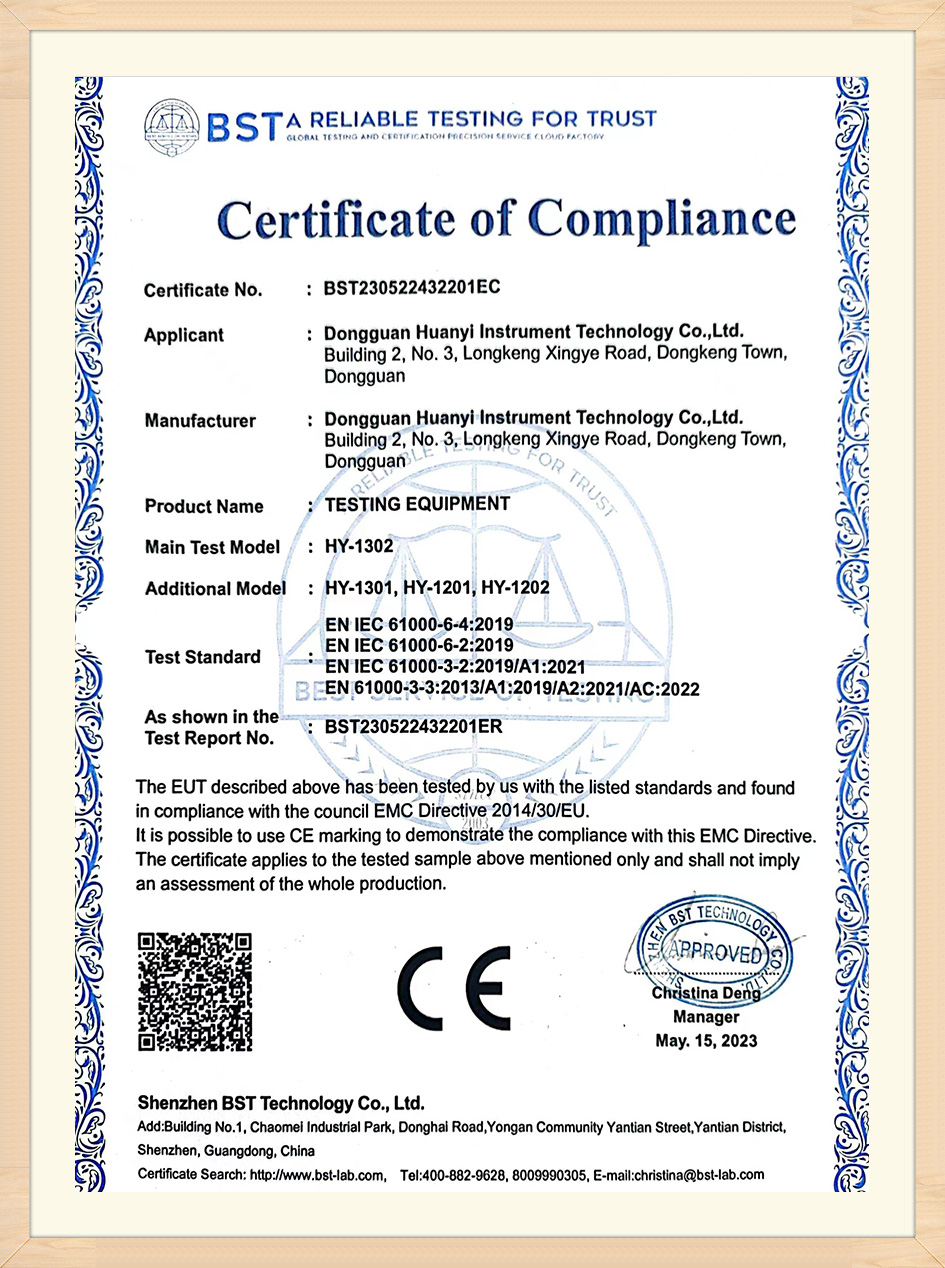
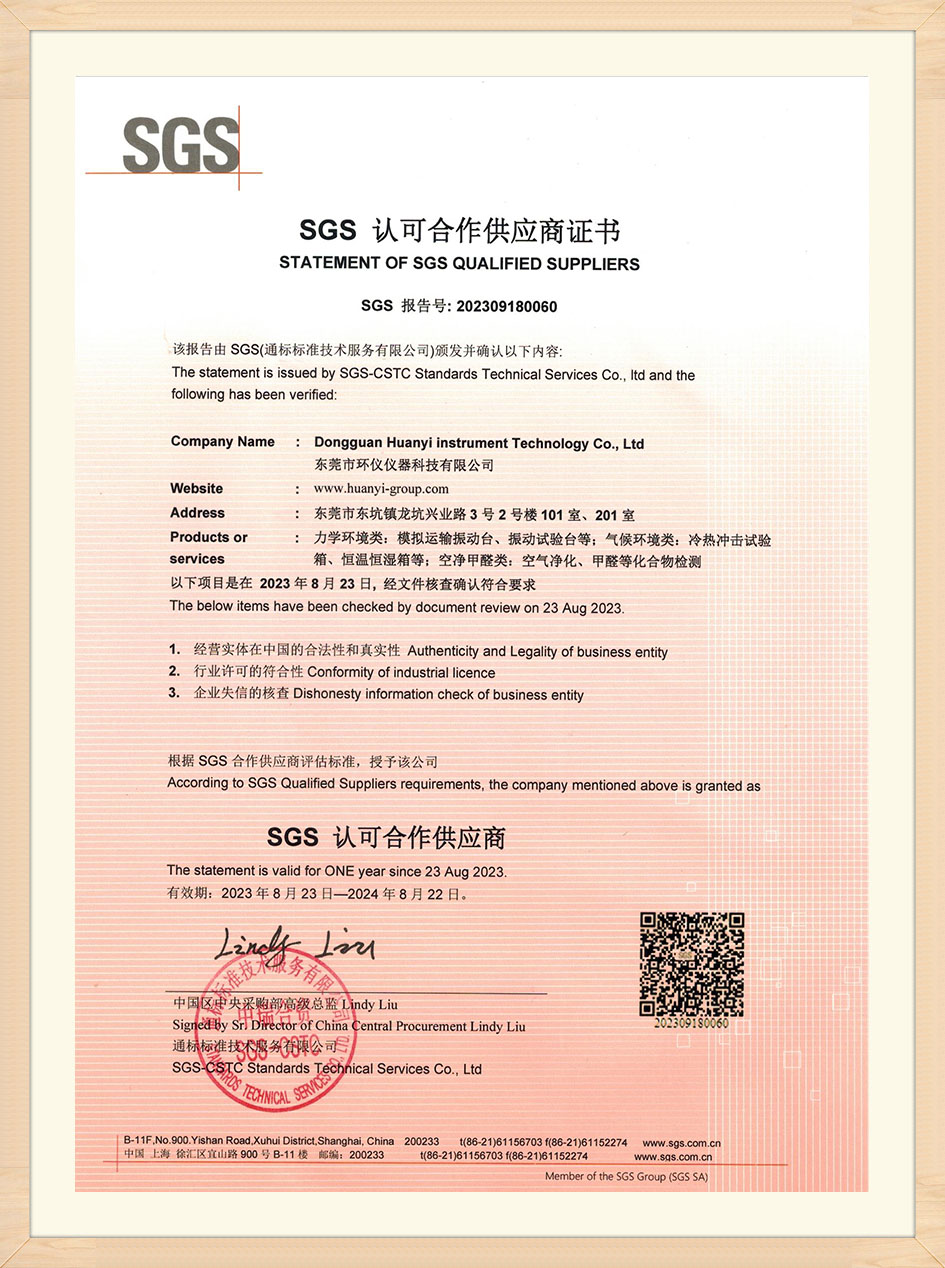
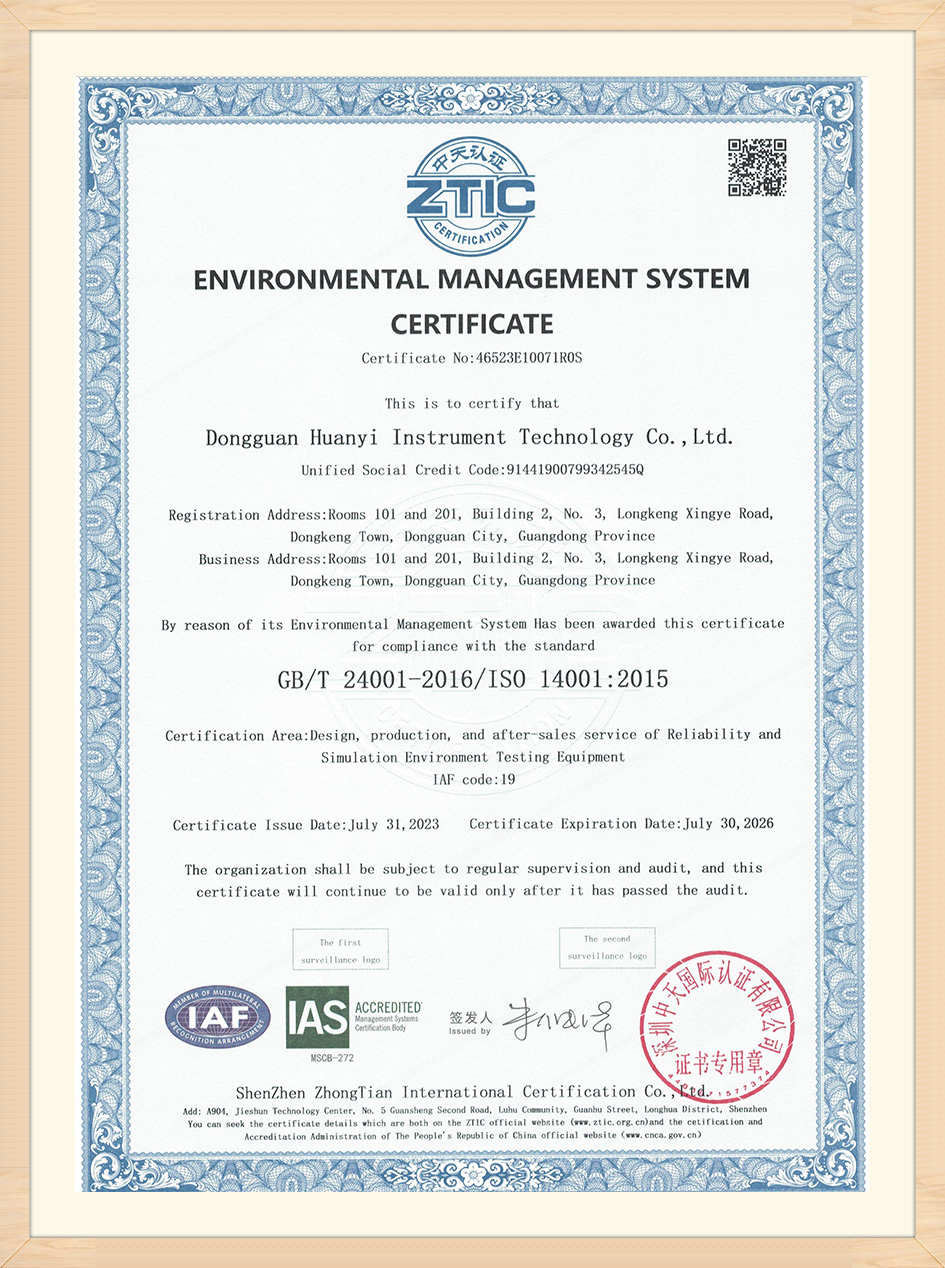
Our commitment to rigorous design quality, regulatory alignment, and internationally verified equipment calibration.
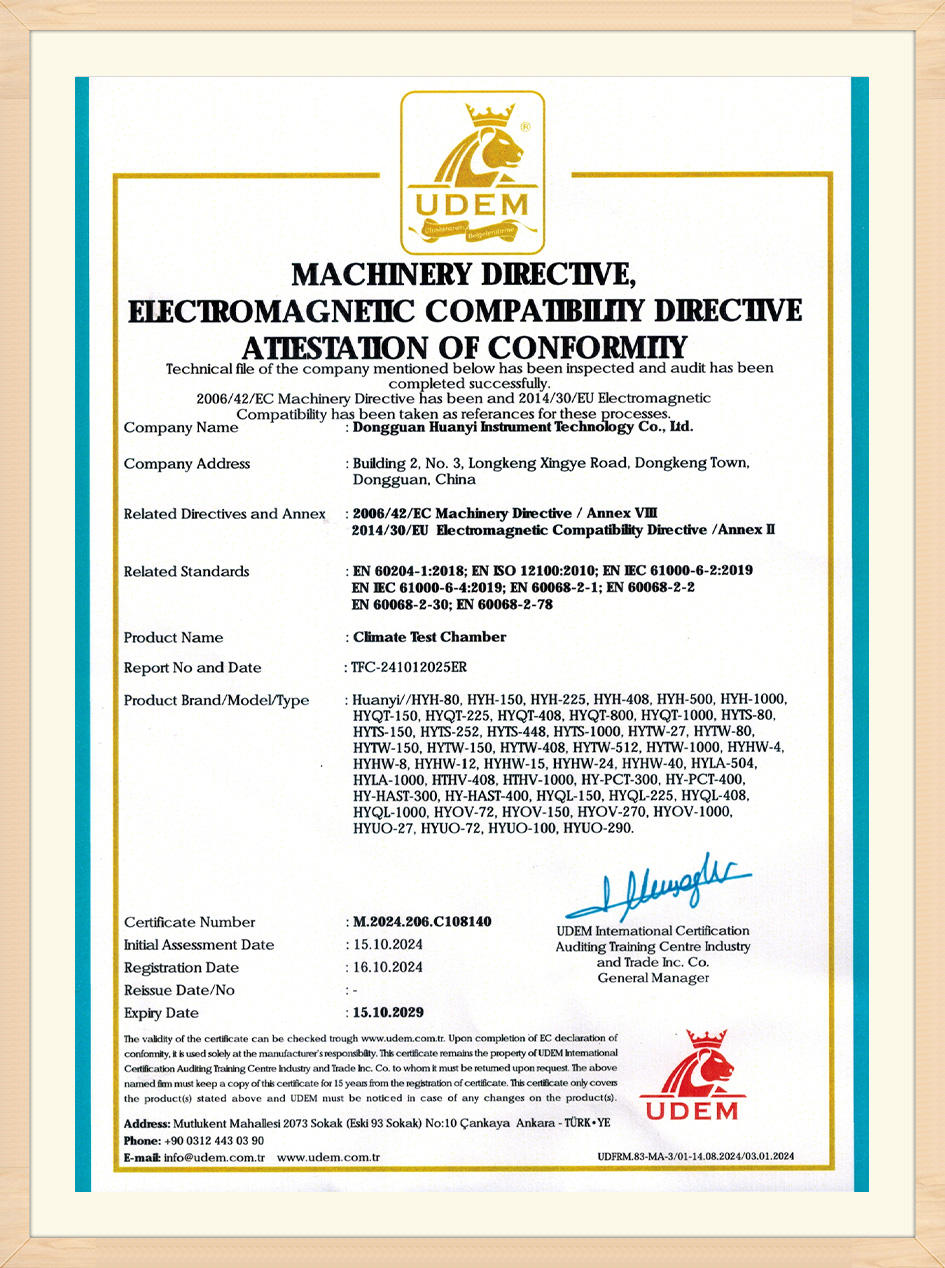
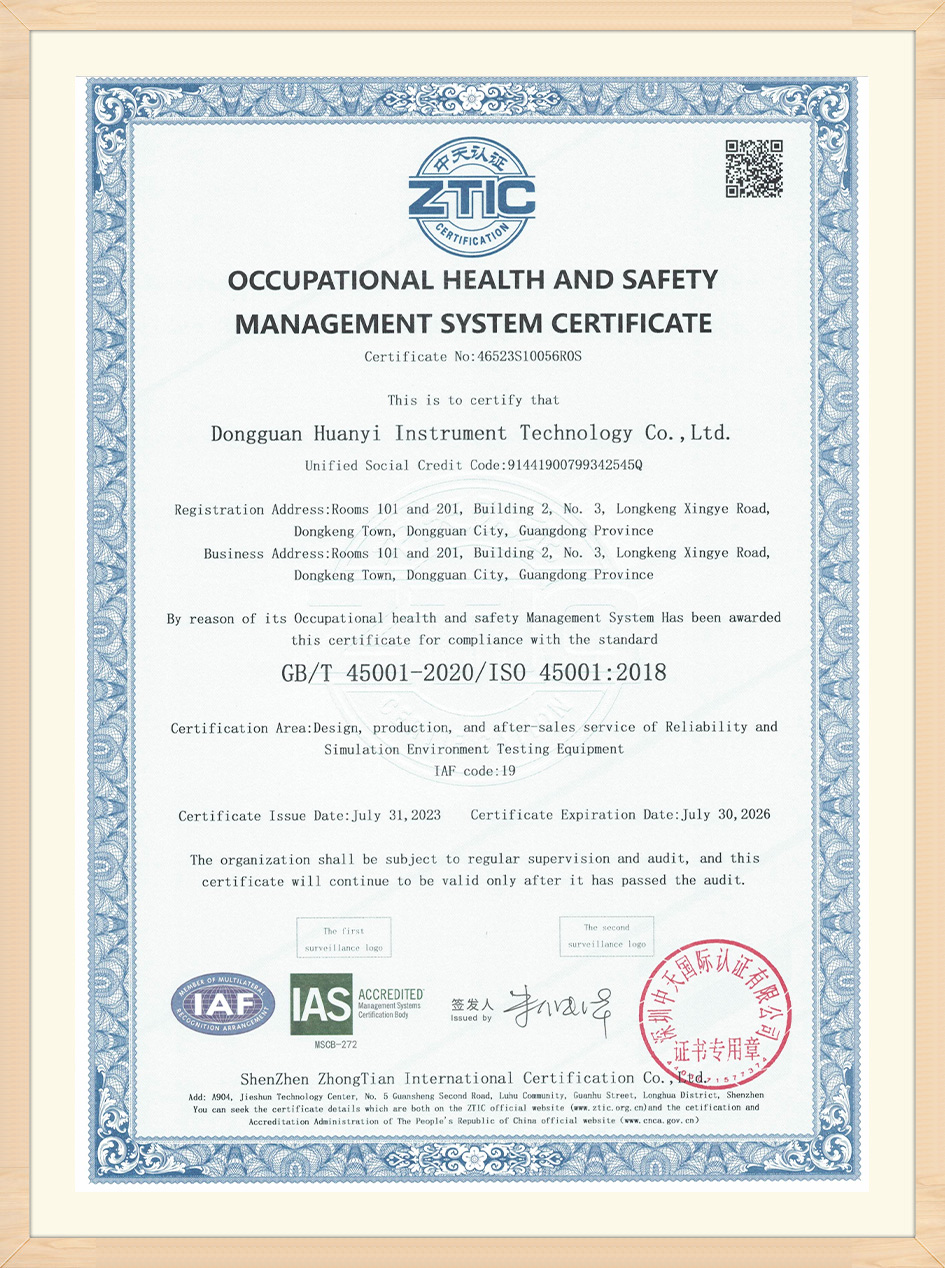
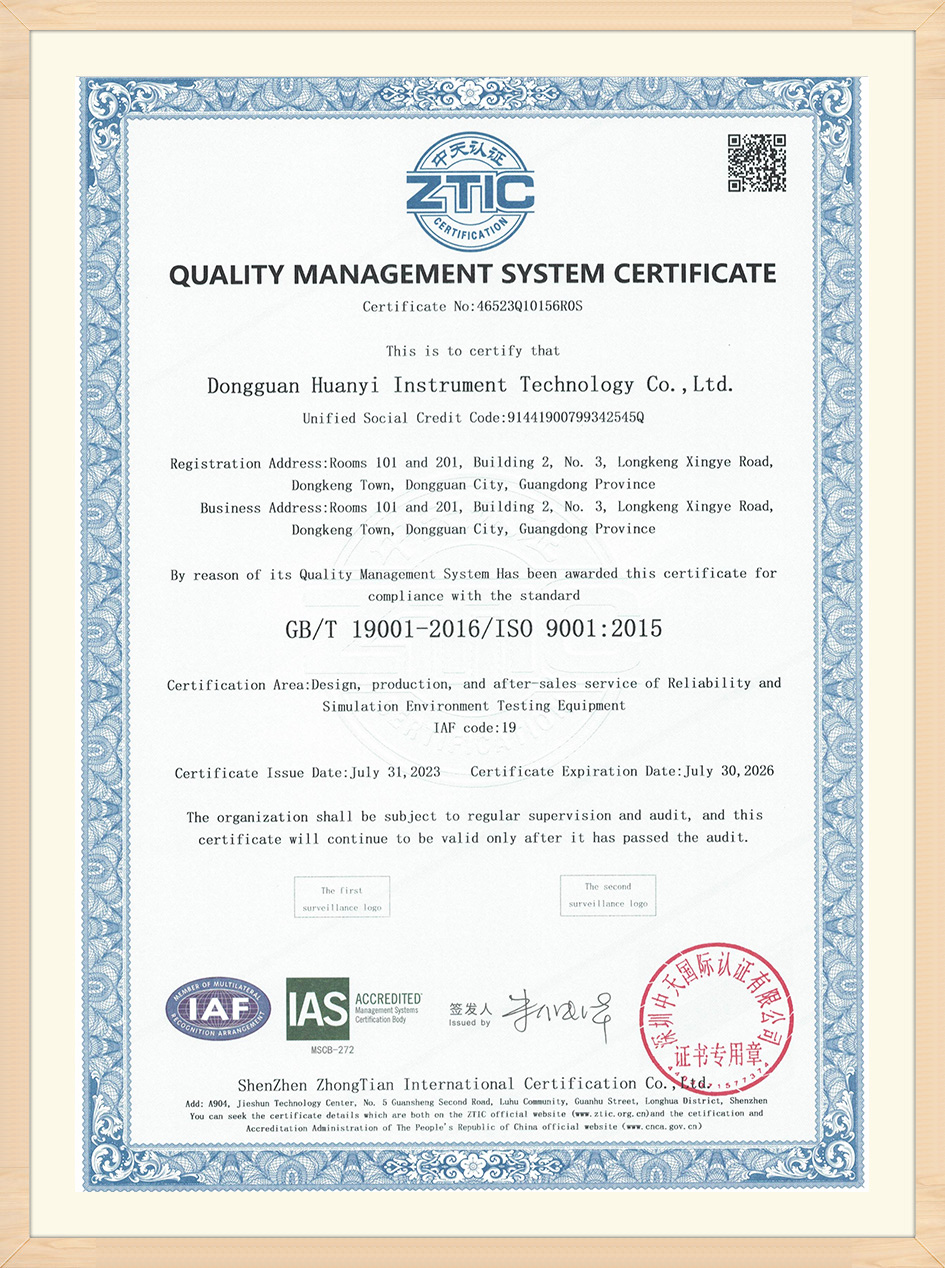
In-depth responses to frequent technical questions from industrial thermal treatment engineers and international procurement departments.
Advanced diagnostic systems, materials validation test benches, and customized multi-axis stress chambers.
 Huanyi