Tokyo, as a global hub for the automotive, electronics, and construction industries, operates under some of the world's most stringent Indoor Air Quality (IAQ) regulations. The Japanese Industrial Standards (JIS), particularly JIS A 1901 (Small-scale chamber method), dictate the mandatory testing for building materials and furniture to mitigate "Sick Building Syndrome."
In the high-density urban environment of Tokyo, where commercial spaces are often hermetically sealed for energy efficiency, the emission rate of Volatile Organic Compounds (VOCs) and Formaldehyde is not just a regulatory hurdle but a critical public health factor. Manufacturers serving this market require testing chambers that offer nanogram-level sensitivity and extreme stability in temperature and humidity control.
Our chambers are specifically engineered to meet the "F-Star" (F☆☆☆☆) rating requirements for formaldehyde emissions in the Japanese construction market.
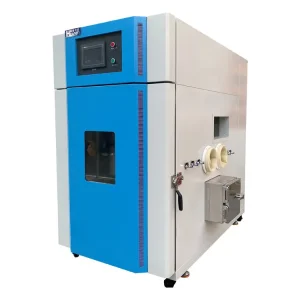
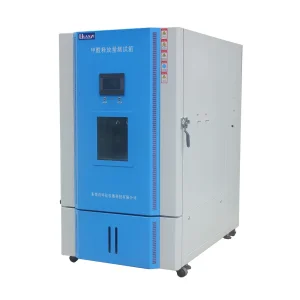
Utilizing mirror-polished stainless steel and specialized sealing technology to ensure TVOC background concentration is < 20μg/m³.
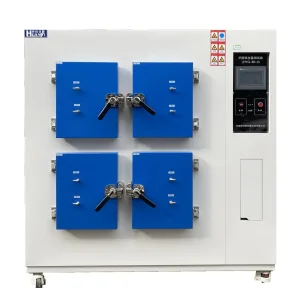
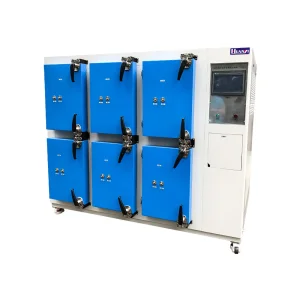
The global VOC testing market is transitioning from periodic batch testing to Continuous Real-Time Monitoring. As ESG (Environmental, Social, and Governance) scores become vital for Tokyo-based multinational corporations, the demand for high-throughput testing—such as our multi-barrel VOC chambers—has surged.
| Phase | Technology Focus | Key Metric |
|---|---|---|
| Traditional (2000-2015) | Offline sampling with Tenax tubes; Manual humidity control. | High Background Noise (>50μg/m³) |
| Current (2016-2023) | PLC-controlled environmental simulation; Low-VOC sealing. | Background <20μg/m³; Precision ±2.5% RH |
| Future (2024+) | Integrated Online GC-MS; AI-driven emission curve prediction. | Real-time concentration mapping; Automated Compliance Reports |
Information Gain Note: Unlike standard humidity chambers, a true VOC emission chamber must utilize an oil-free air supply and a clean-room grade heat exchange system to prevent cross-contamination of samples. Our Tokyo-grade units feature a unique double-layer insulation structure that eliminates thermal bridges.
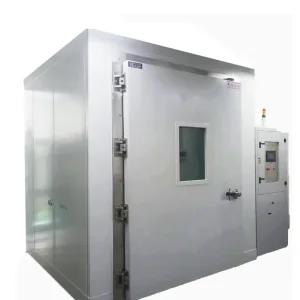
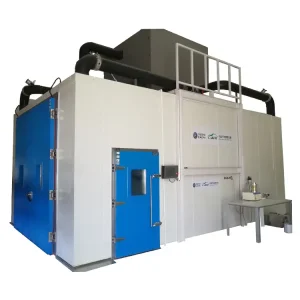
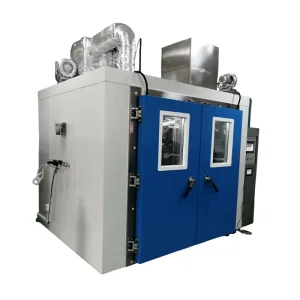
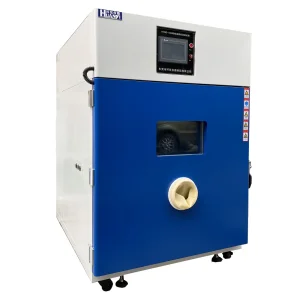
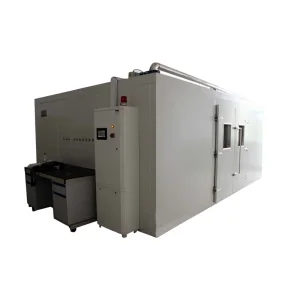
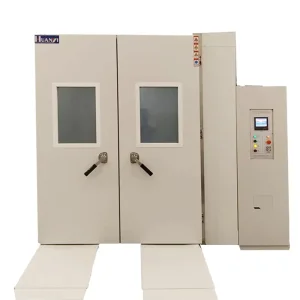
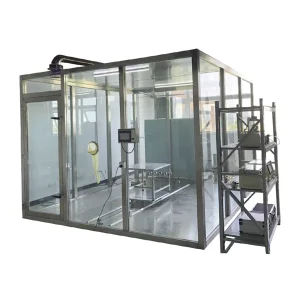
Serving Toyota, Honda, and Nissan supply chains in the Kanto region. Our 1m³ and walk-in chambers help Tier-1 suppliers comply with VDA 276 and ISO 12219-1 standards for cockpit air quality.
Testing for low-emission adhesives, paints, and flooring. Essential for Tokyo's "Wood City" initiatives and LEED/WELL certified building projects.
Precise ozone and VOC emission testing for printers, laptops, and smart home devices, meeting the "Blue Angel" and "EPEAT" requirements for global export.
Dongguan Huanyi Instruments Technology Co., Ltd. was established on March 20, 2007. As a high-tech enterprise integrating R&D, production, and sales, we have spent over 15 years perfecting environmental simulation. We didn't just follow standards—we helped draft the national standards for environmental simulation test equipment.
Our philosophy—"customer-centric, quality-guaranteed, honesty-based, and innovation-oriented"—has allowed us to serve over 2,500 clients globally, providing the most competitive solutions in the VOC testing niche.
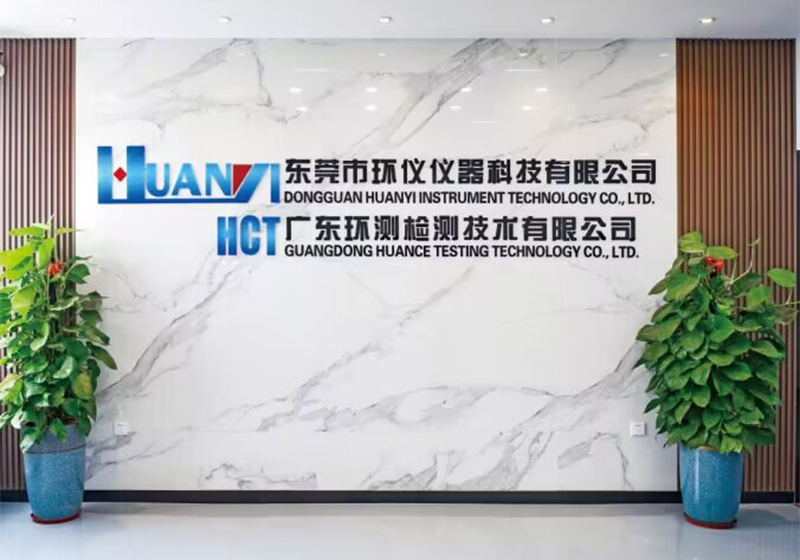
Ensuring the performance of our chambers through internationally renowned brand components.
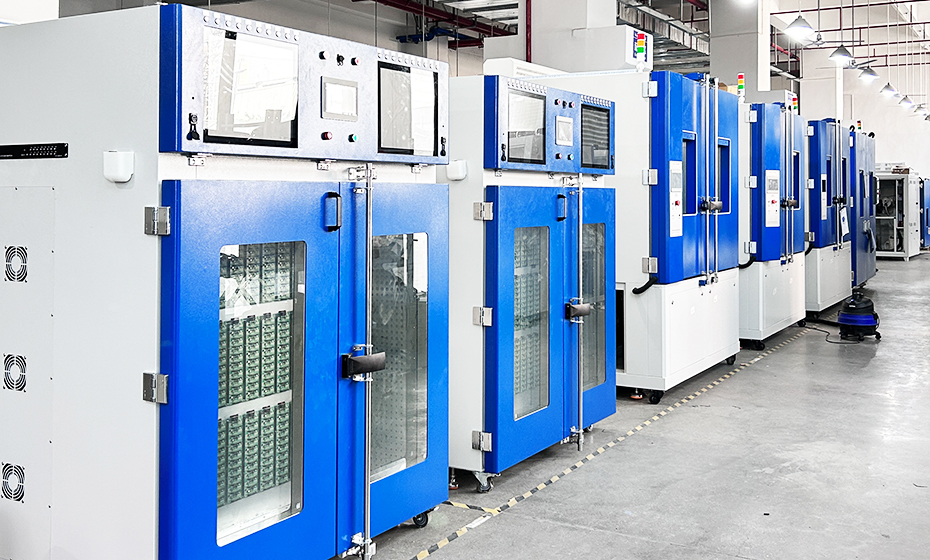
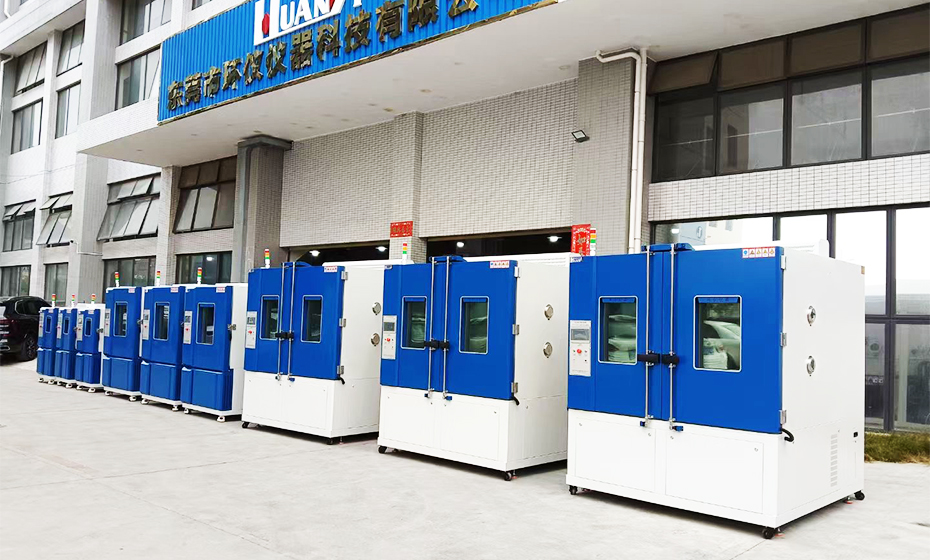
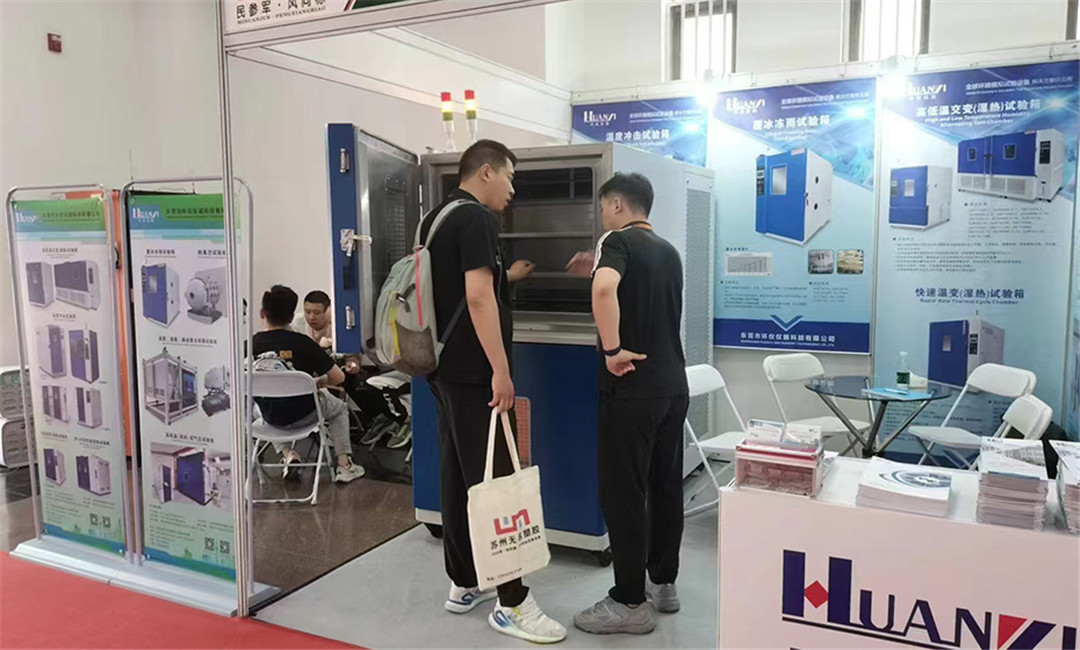
A: Yes, our small-scale and 1m³ chambers are specifically designed to exceed JIS A 1901 and ISO 16000-9 requirements, ensuring accurate emission rate calculations for the Japanese market.
A: For our Tokyo-based clients, standard 1m³ units take 4-6 weeks. Custom walk-in solutions typically range from 8-12 weeks, including design, manufacturing, and FAT (Factory Acceptance Testing).
A: We offer remote technical diagnostics and partner with local precision instrument service providers in the Kanto and Kansai regions for on-site maintenance and calibration.
A: Absolutely. Our advanced models feature specialized sampling ports and digital synchronization interfaces to connect with most major GC-MS brands used in Japanese laboratories.
 Huanyi