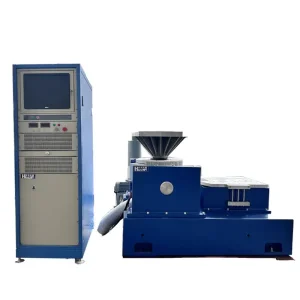
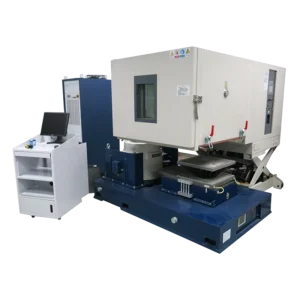
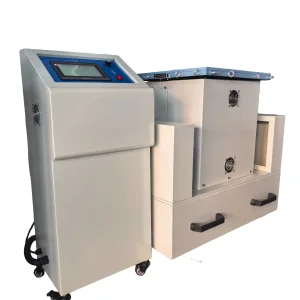
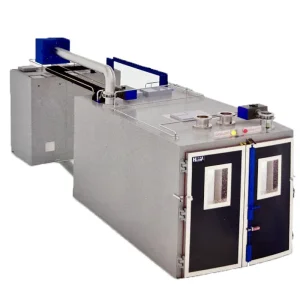
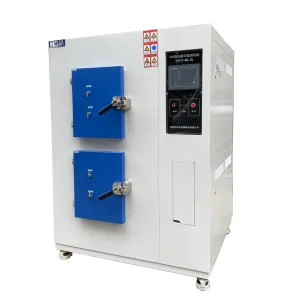
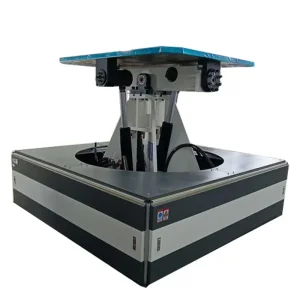
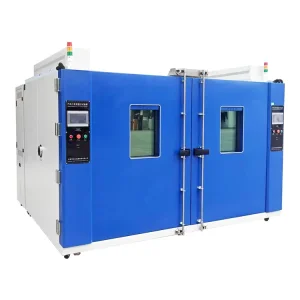
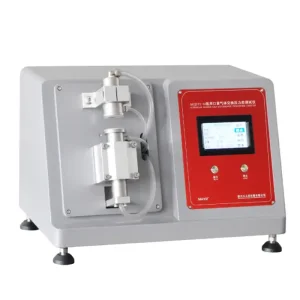
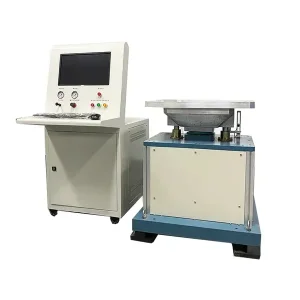
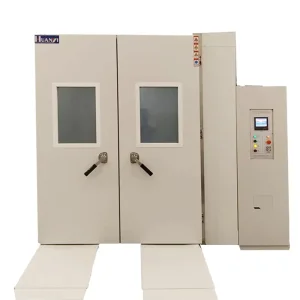
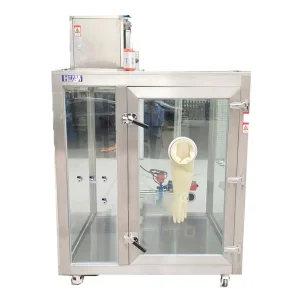
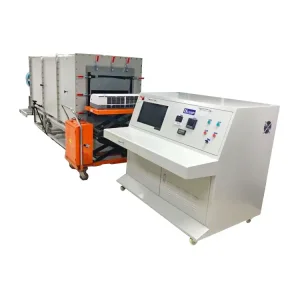
In the realm of mechanical reliability, the Electrodynamic Shaker stands as the ultimate gatekeeper of product durability. When procurement teams search for "OEM Electrodynamic Shaker Price," they are often confronted with a wide range of quotes—from $15,000 to over $500,000. Understanding what drives this variance is crucial for strategic investment.
Price is primarily governed by the Force Rating (Sine/Random), Frequency Range, and Payload Capacity. A high-performance shaker from a top-tier manufacturer like Dongguan Huanyi integrates precision armature design, efficient cooling systems (air or water-cooled), and sophisticated power amplifiers. The "Information Gain" here lies in the Total Cost of Ownership (TCO): a cheaper shaker often incurs higher maintenance costs and downtime risks, whereas a premium OEM system ensures 24/7 testing efficiency with lower energy consumption.
Modern testing is shifting from simple "Go/No-Go" checks to deep data-driven insights. Here is how Electrodynamic Shakers are evolving:
Integration of machine learning algorithms to predict armature wear and tear, reducing unplanned maintenance by 40%.
The move from single-axis to simultaneous 3-axis testing to better simulate real-world environmental stresses on EV batteries and aerospace components.
Next-generation Class D switching power amplifiers that reduce carbon footprint and operational costs for large-scale laboratories.
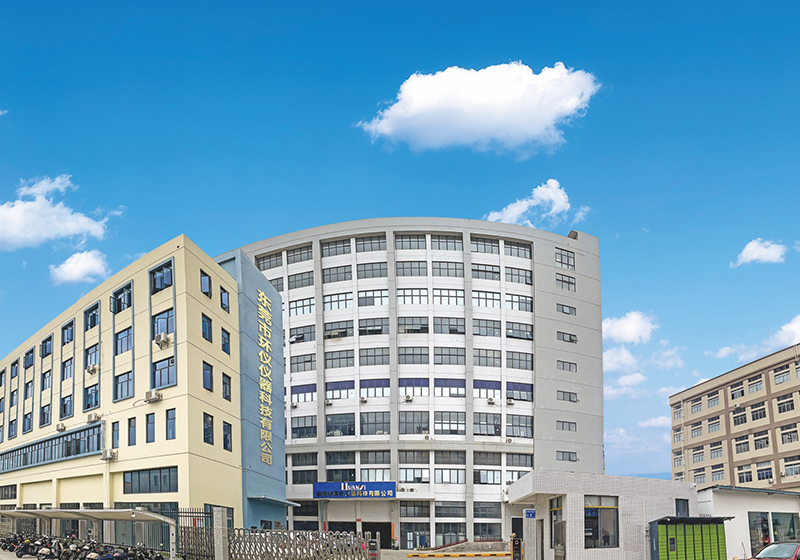
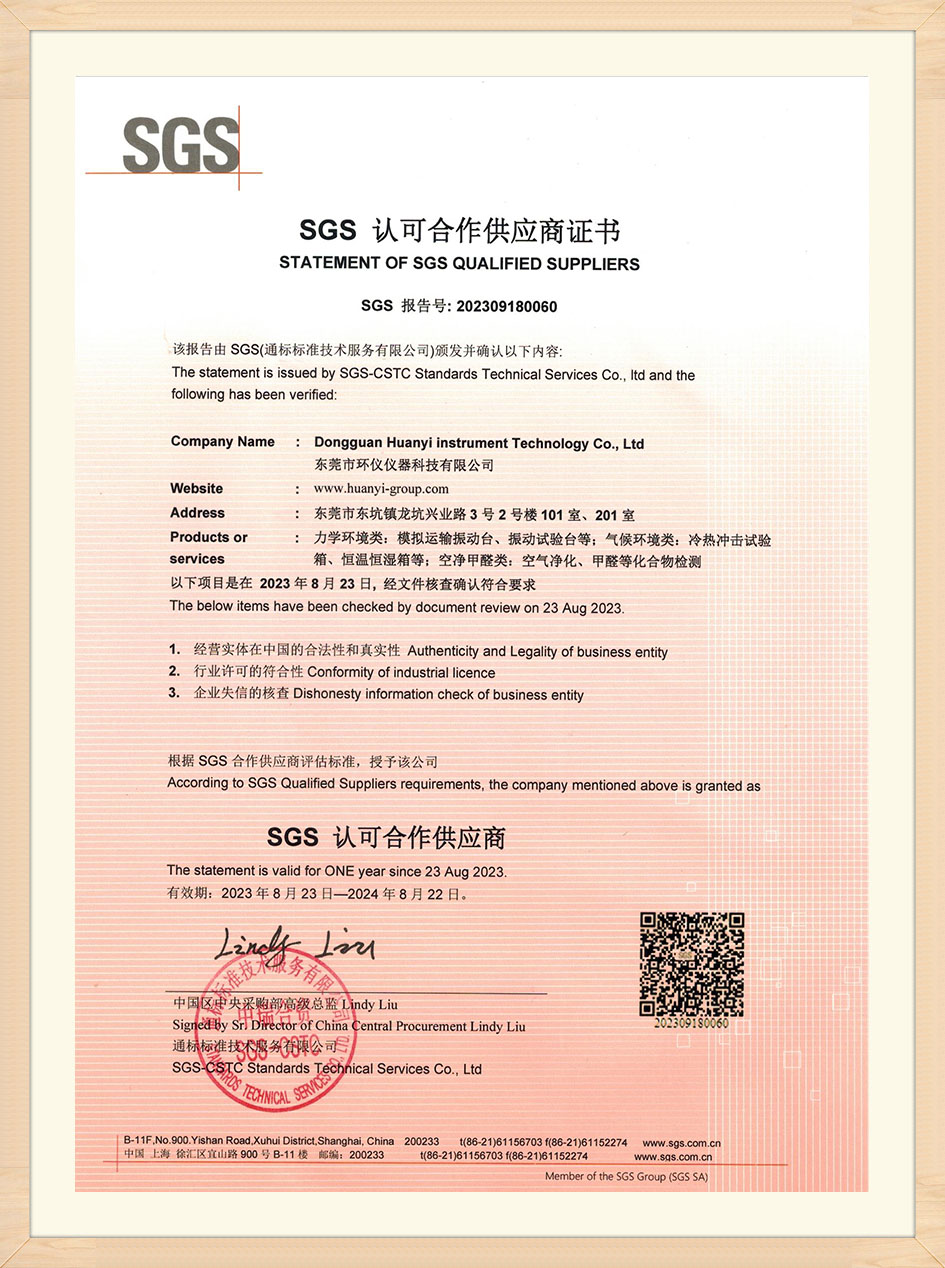
Dongguan Huanyi Instruments Technology Co., Ltd. was established on March 20, 2007, covering an area of 6,022 square meters. It is a high-tech enterprise integrating R&D, production, sales and after-sales service. It participated in the drafting of national standards and industry standards for environmental simulation test equipment.
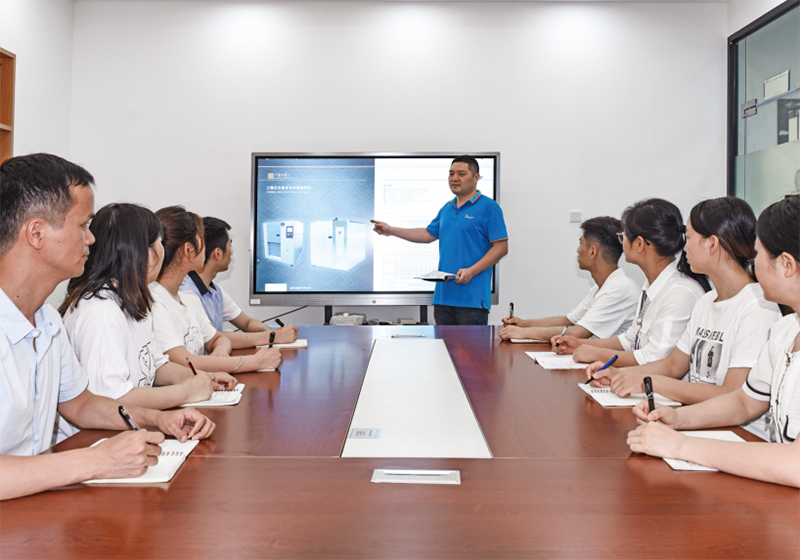
Our philosophy is "customer-centric, quality-guaranteed, honesty-based, and innovation-oriented". Through unremitting efforts, Huanyi has cultivated a high-quality team with rich production, R&D and management experience. With the persistent efforts of all staff, our products have been selling to Southeast Asia, Europe, the United States, the Middle East and other regions, and have gotton good feedback from customers.
Choosing a China-based manufacturer like Huanyi offers unique competitive advantages in the global market.
Located in Dongguan, the "World's Factory," we have immediate access to high-grade raw materials and specialized components, shortening lead times significantly.
Our 2016 establishment of a dedicated digital sheet metal center allows for rapid OEM customization and superior structural integrity of shaker frames.
By optimizing production through ERP systems and automation, we provide "most competitive" products without compromising on international quality standards like ISO 9001.
Testing of base station components against seismic and environmental vibrations to ensure 99.99% uptime.
Simulation of launch-phase vibration and high-altitude acoustic stress for satellite instrumentation.
Comprehensive testing of lithium-ion battery packs under thermal and vibration interaction (Combined Environment Testing).
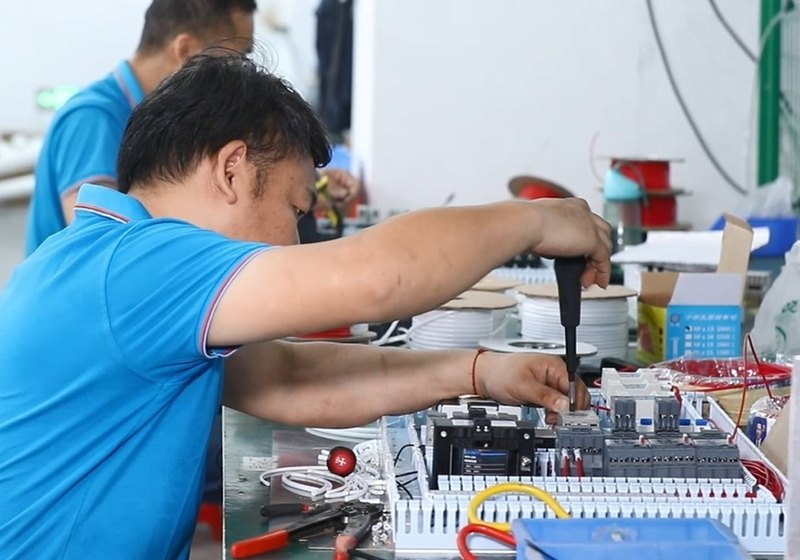
High Quality Control from every aspect of raw material, production, installation, and commission. The main components of all the company's products are made of internationally renowned brand components.
With more than 20 years of experience, we have professional production and R&D personnel. Huanyi can meet large-volume production orders at any time using ERP systems.
Modern equipment including laser cutting panels, production control systems, and cutting automation helps us reduce waste and improve precision.
A: Force (F) = Mass (m) × Acceleration (a). You must include the weight of the test specimen plus the weight of the armature and fixtures.
A: Air-cooled systems are easier to maintain and cost-effective for medium force. Water-cooled systems are essential for high-force applications (over 50kN) due to superior heat dissipation.
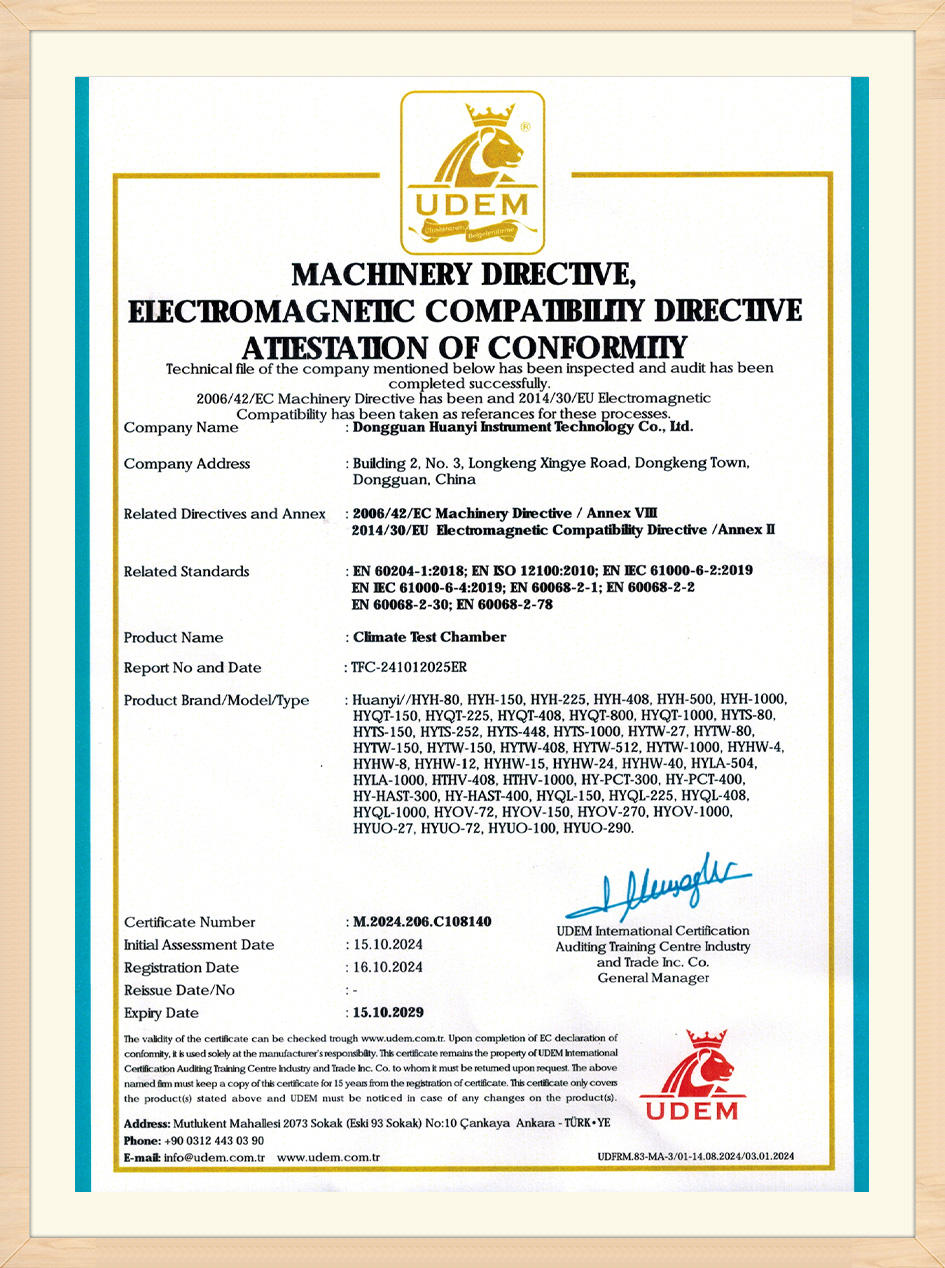
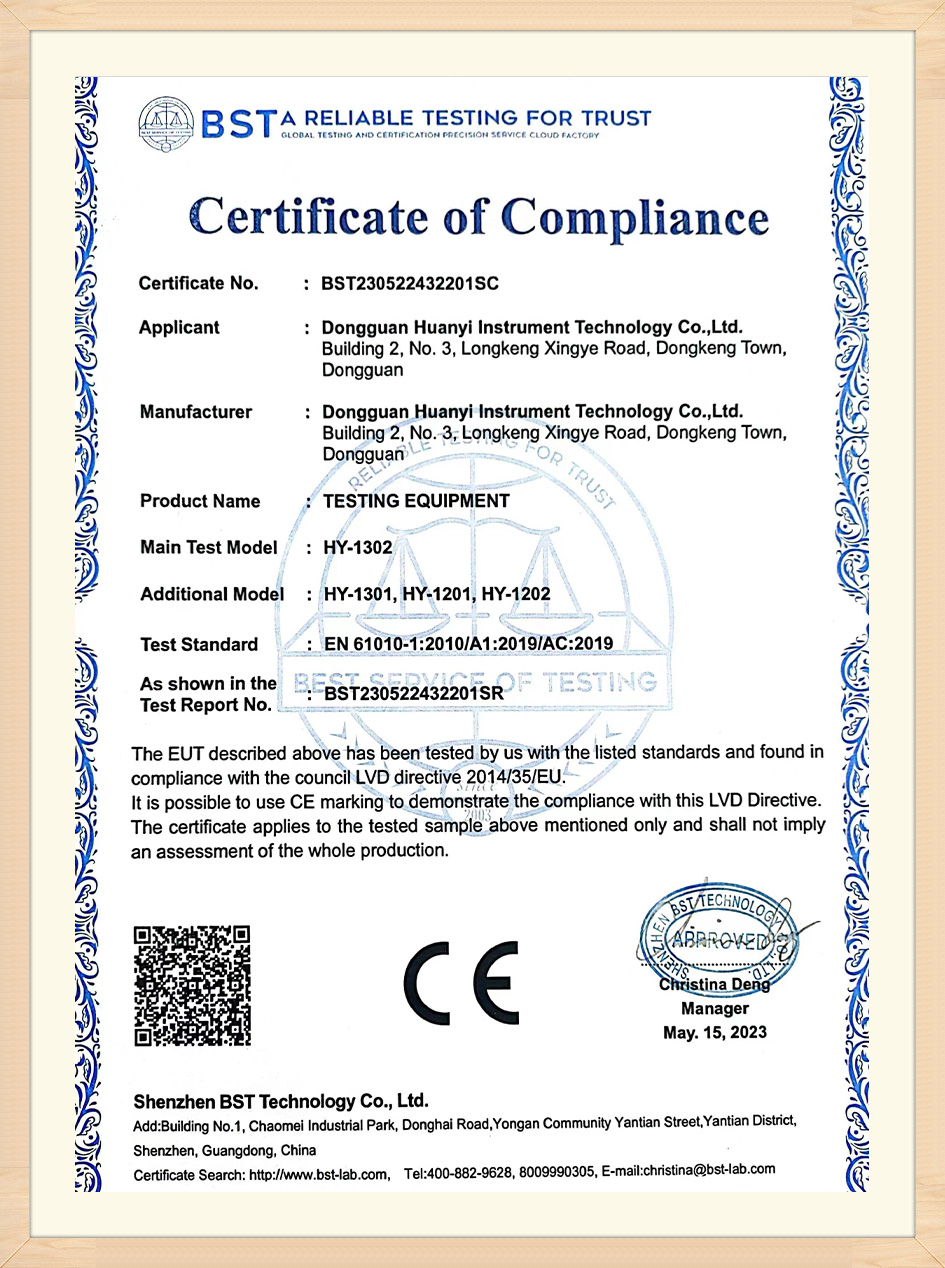
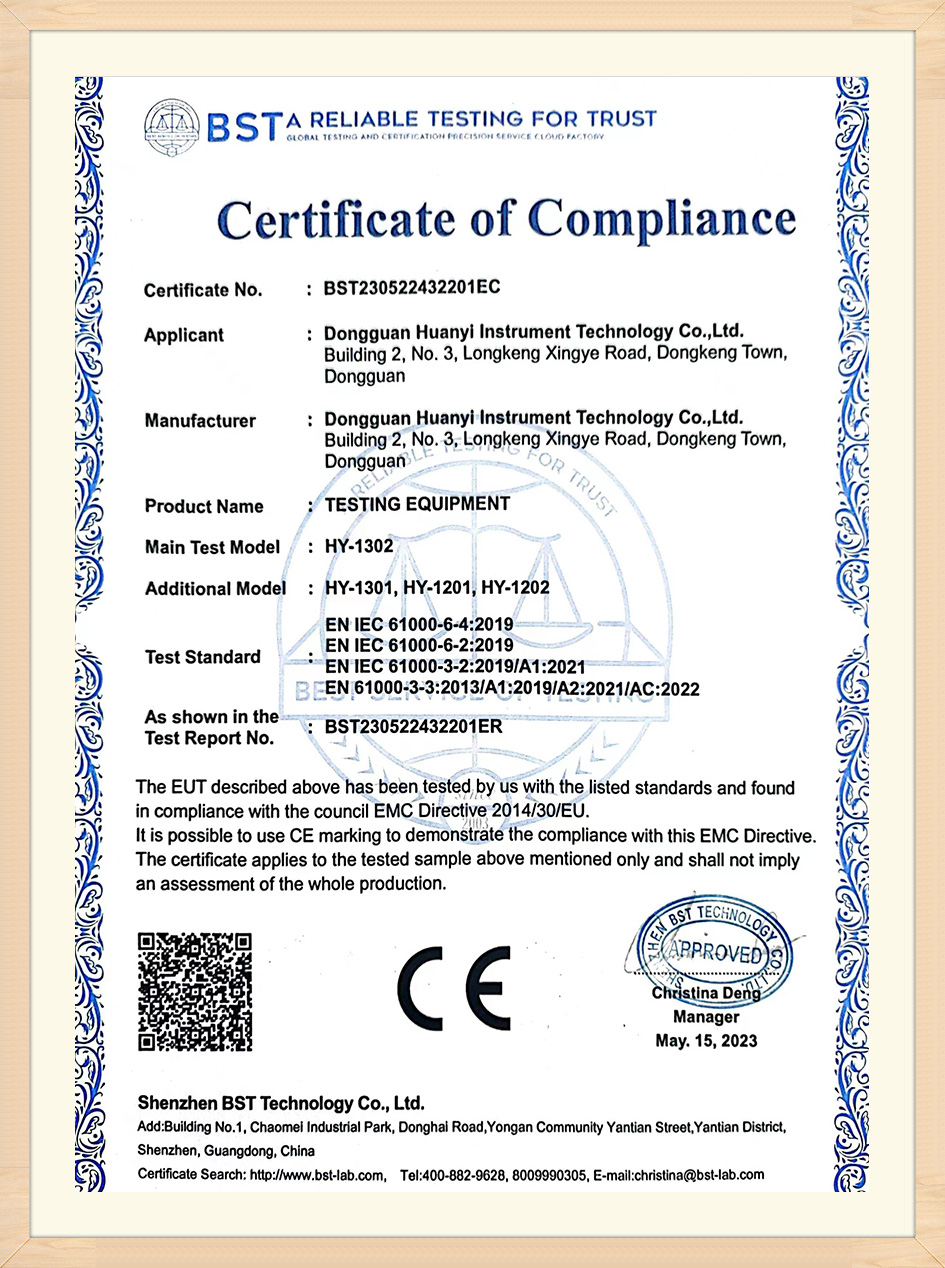
A: Yes, our controllers and shaker systems are designed to comply with ISO, ASTM, MIL-STD-810G, and ISTA testing protocols.
A: The price is mainly driven by the maximum displacement (stroke), the armature diameter, and the sophistication of the vibration controller software.
 Huanyi