OEM Hydrogen Environmental Simulation Test Chamber Suppliers, Factory

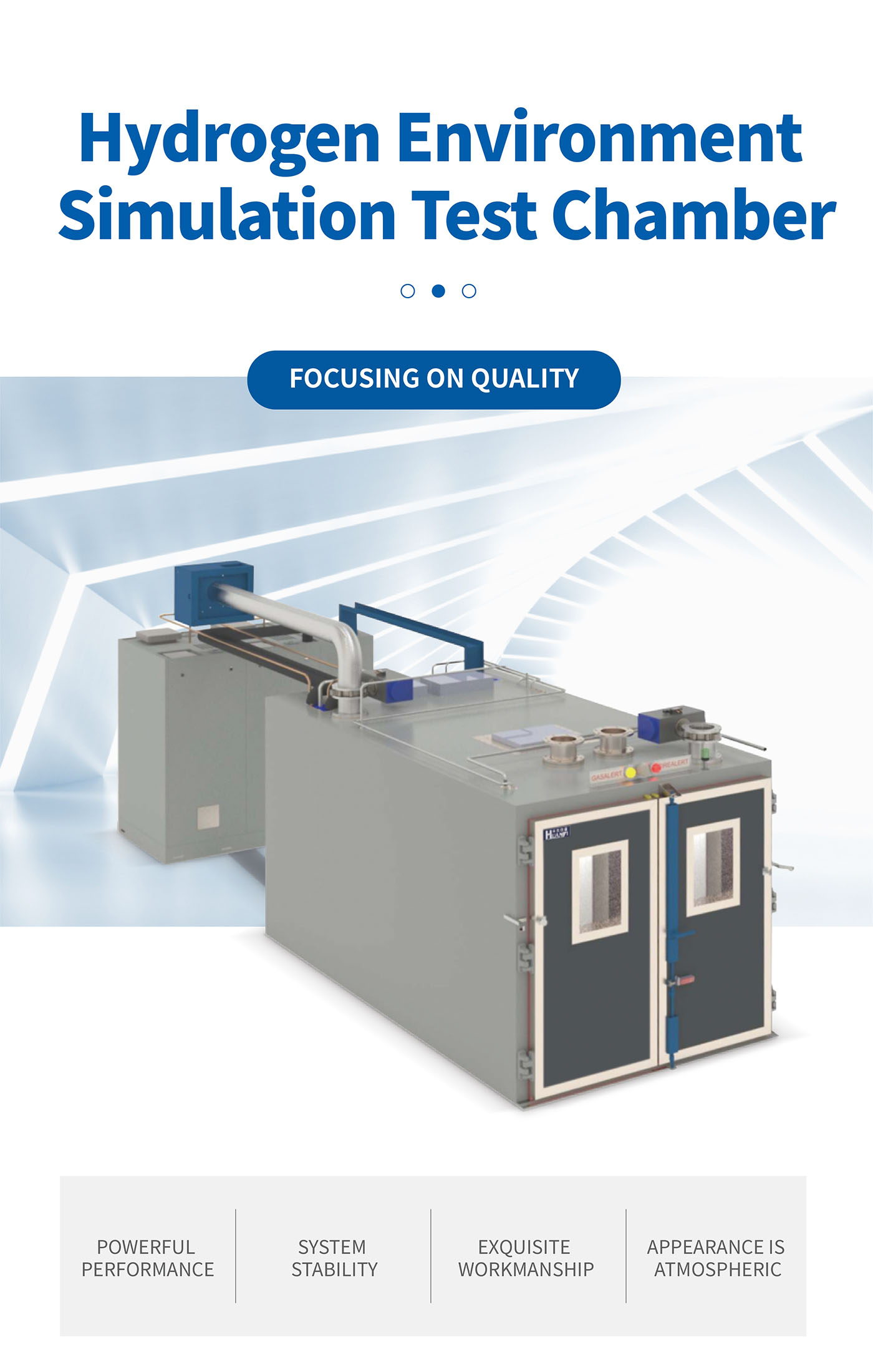
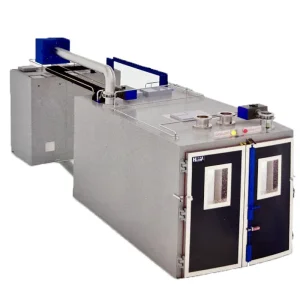
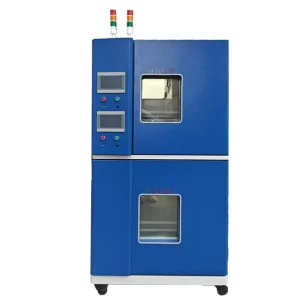
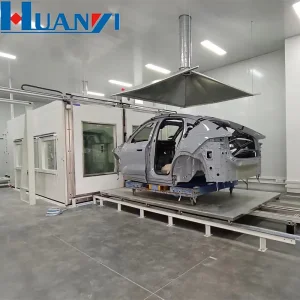
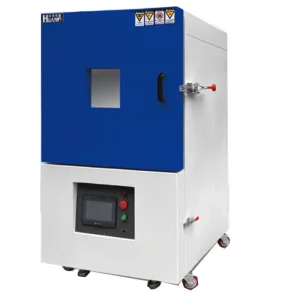
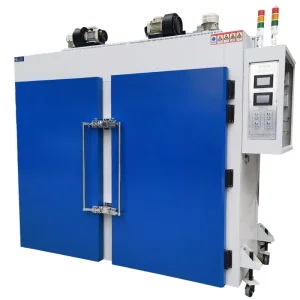
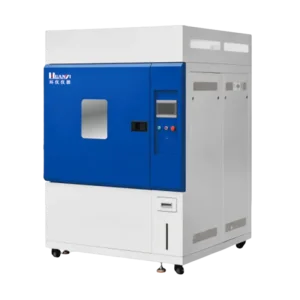
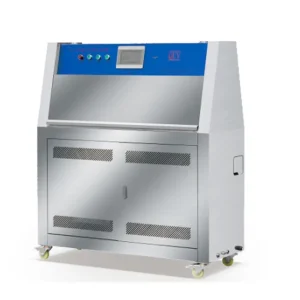
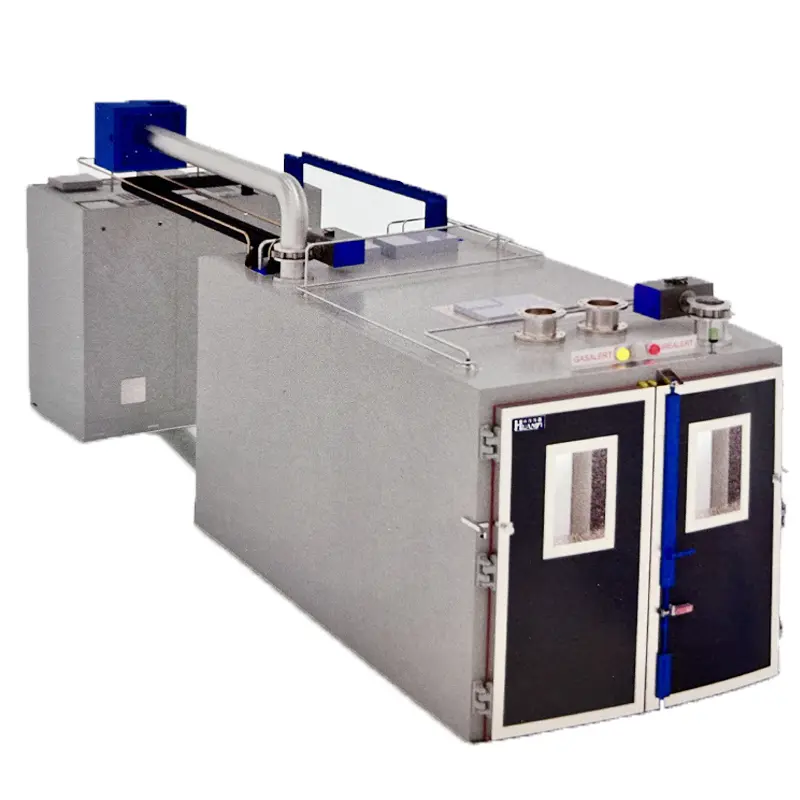
The hydrogen fuel cell system stack environmental test chamber is a device specially used to test and simulate the working environment of hydrogen fuel cell stacks. It can simulate temperature, humidity, pressure and other conditions in a hydrogen fuel cell system to evaluate the performance and reliability of the stack under different operating conditions.

Product Description

Applications

The hydrogen-related environmental chamber adopts functional modular design, is explosion-proof and anti-static, and meets relevant test standards. The product has high reliability and comprehensive safety warning features, and is suitable for testing stacks and fuel cell engine systems. Applicable to fuel cell systems with a maximum power of 150KW, low temperature tests (storage, starting, performance), high temperature tests (storage, starting, performance), and damp heat tests (high temperature and damp heat).

Meet the standards

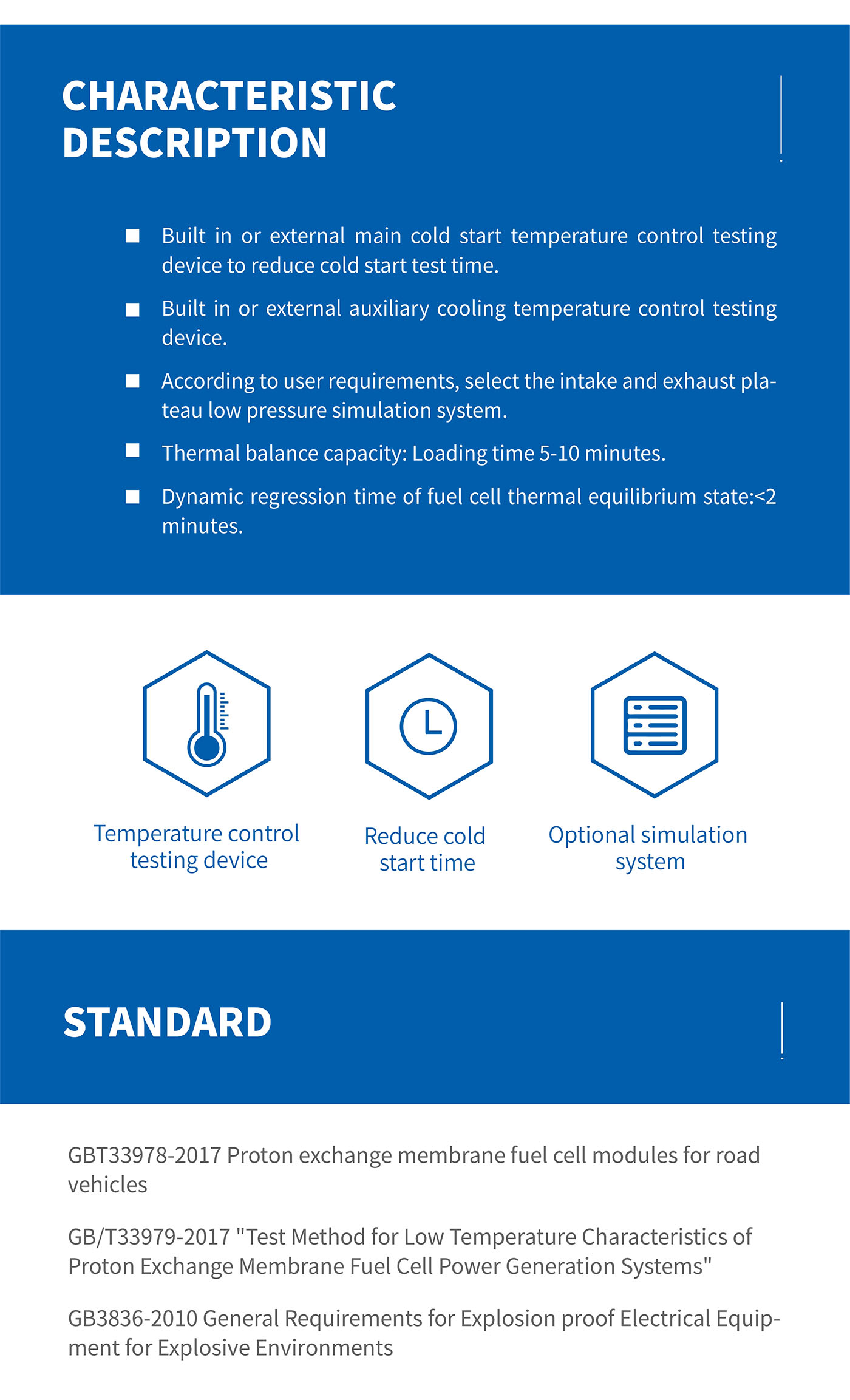
GBT 33978-2017 "Proton exchange membrane fuel cell module for road vehicles"
GB/T 33979-2017 "Test method for low temperature characteristics of proton exchange membrane fuel cell power generation system"
GB 3836-2010 "General requirements for explosion-proof electrical equipment for explosive environments"

Features

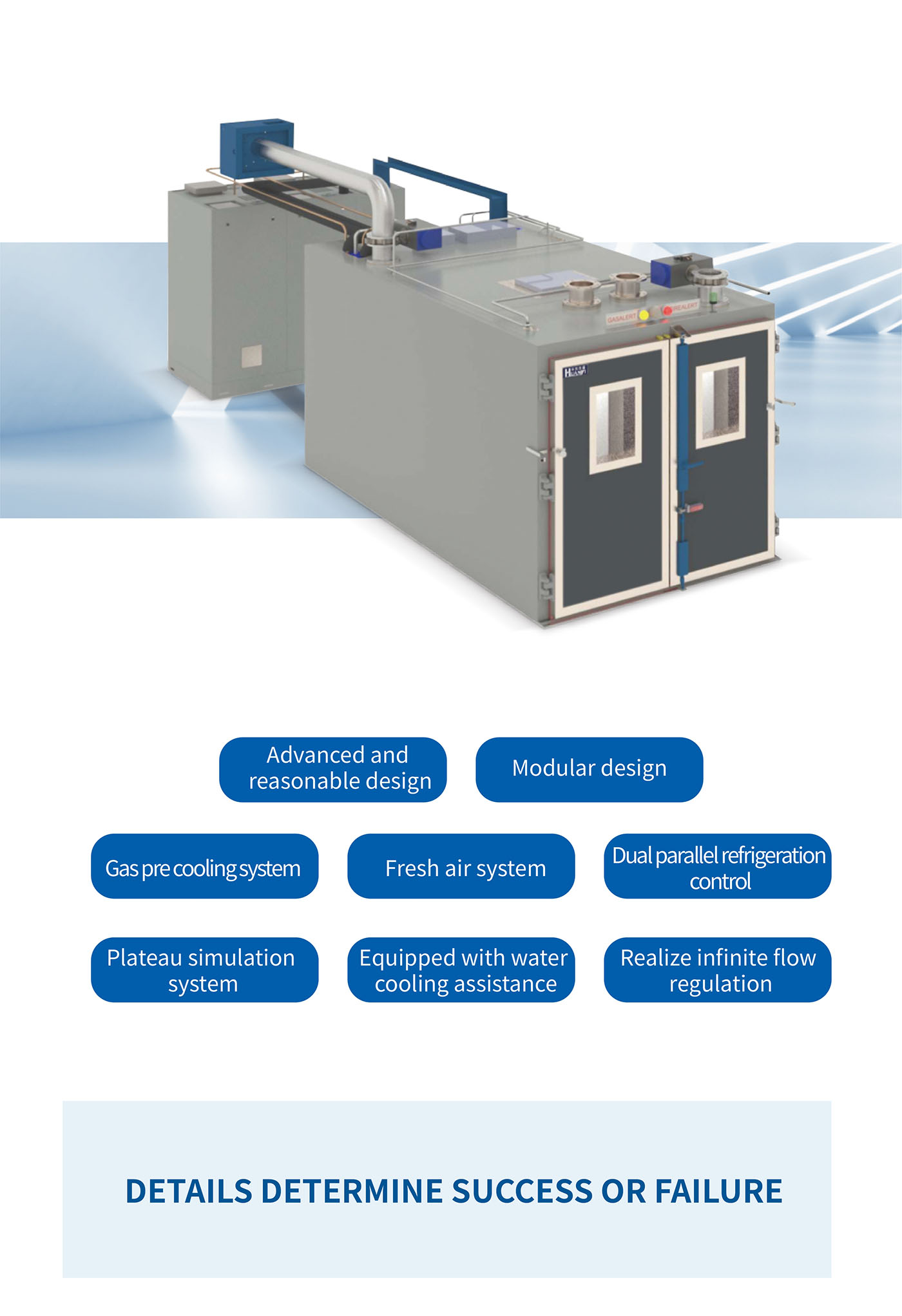
The hydrogen environment simulation test chamber adopts functional modular design, explosion-proof and anti-static design to meet the different needs of customers. It has the characteristics of high reliability and comprehensive safety warning, which is suitable for battery stack and fuel cell engine system testing.

Technical parameters

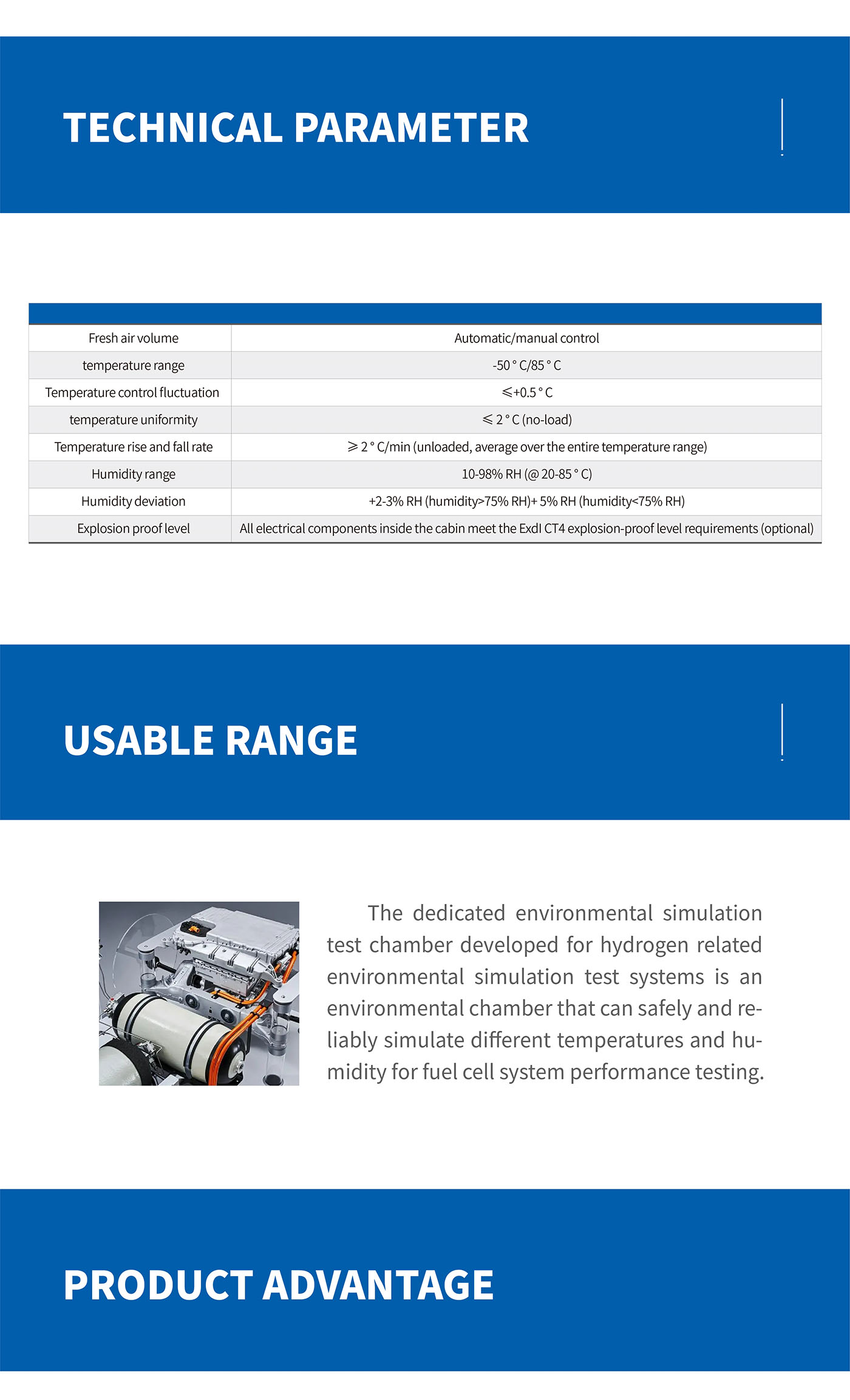
Internal size(WxHxD)cm400*300*700
Temperature range-40~+80℃
Temperature change rate25C←→-40℃, 2.5 hours; 25℃←→60℃ 2 hours (no load)
Temperature control accuracy±1°C (no heat load change) / ±1.2°C (emission tests)
Temperature and humidity deviation±2°C / ±3.0%RH (> 75%RH); ±5.0%RH (≤75%RH)
Humidity range10%~95%RH
Humidity uniformity±3.0%RH (no load)
Humidity fluctuation±2.0%RH
Fresh air system700m/h (0℃--40C) to 2500m*/h (20℃); Variable frequency motor
Automobile exhaust emission systemStainless steel variable frequency fan; static pressure ≤ ±1.25kPa; max volume 4000m/h
Air conditioning systemSteam compression refrigeration; Circulating air flow 150,000 m/h
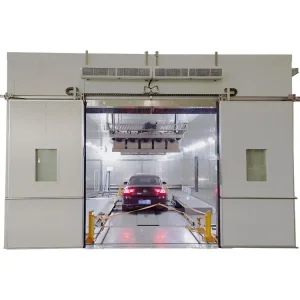
Overall structureThree-dimensional layout; lower layer (environmental chamber); upper layer (air duct)
Meeting standards70/220/EEC, 715/2007/EC, 692/2008/EC; EPA Tirel, NLEV, Tire2; GB 18352.2, GB18352.3, HJ/T400-2007, HJ/T390-2007

Product Gallery

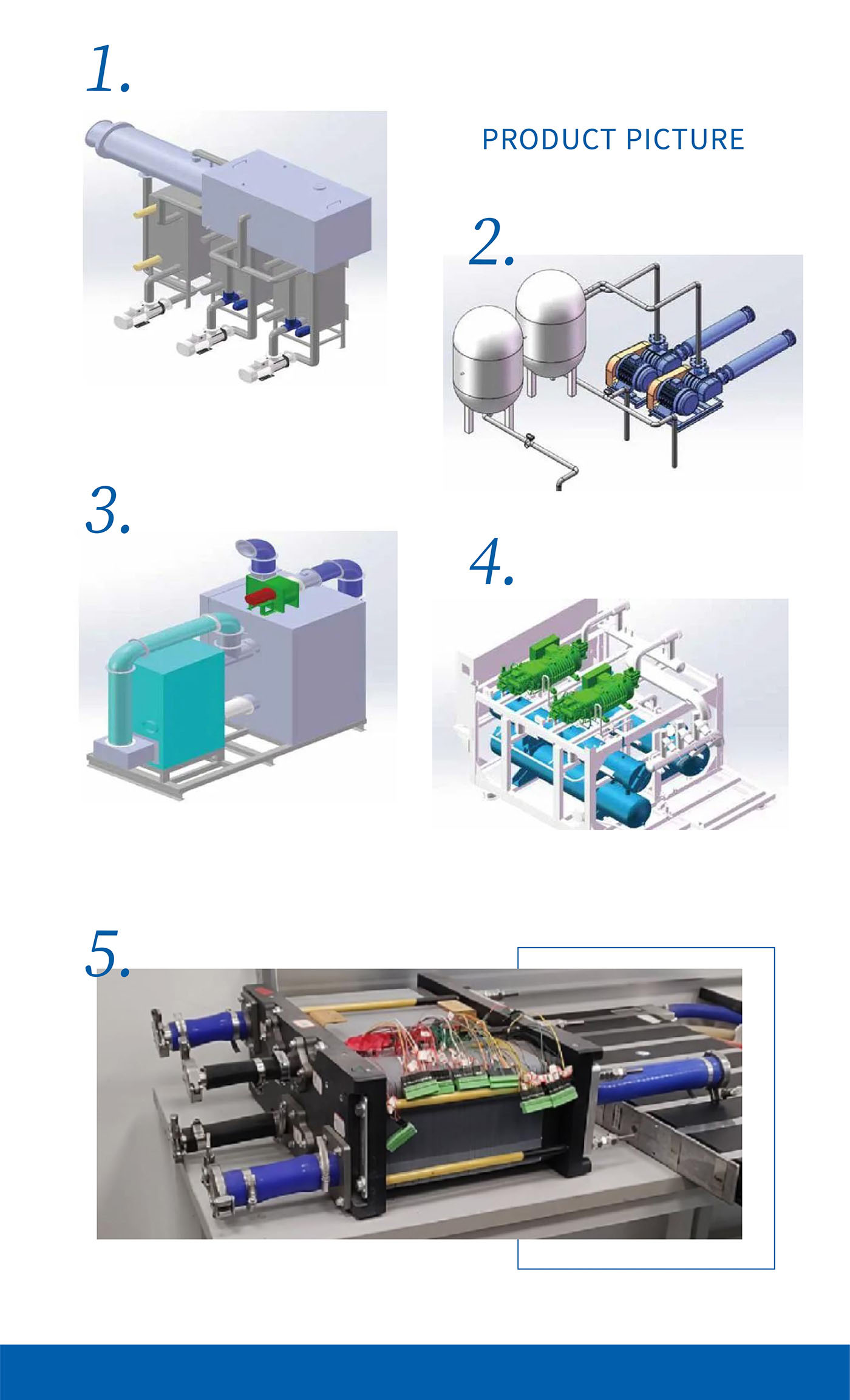
Hydrogen Environmental Simulation Test Chamber (1)
Hydrogen Environmental Simulation Test Chamber (2)
Hydrogen Environmental Simulation Test Chamber (3)
Hydrogen Environmental Simulation Test Chamber (4)
Hydrogen Environmental Simulation Test Chamber (5)

Frequently Asked Questions

What are the main applications of this hydrogen environmental chamber?
It is specifically designed for testing battery stacks and fuel cell engine systems, supporting low/high temperature storage and performance tests, as well as damp heat tests.
Is the test chamber safe for hydrogen-related experiments?
Yes, the chamber features a functional modular design that is both explosion-proof and anti-static, meeting the GB 3836-2010 standard for electrical equipment in explosive environments.
What is the maximum fuel cell power the system can handle?
The system is applicable to fuel cell systems with a maximum power of up to 150KW.
What is the temperature and humidity control range?
The temperature range is from -40℃ to +80℃, and the humidity range spans from 10% to 95%RH with high control accuracy.
How does the exhaust system work during emission tests?
It provides a stainless steel variable frequency fan and a back pressure control device to ensure static pressure doesn't exceed ±1.25kPa, with a maximum extraction volume of 4000m/h.
Does this equipment meet international automotive standards?
Yes, it complies with multiple standards including 70/220/EEC, 715/2007/EC, EPA Tirel, and various GB/T standards for fuel cell vehicles.

Related Products