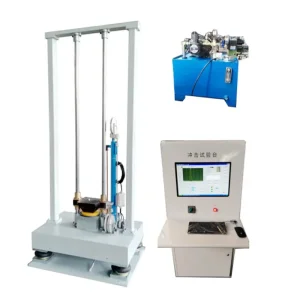
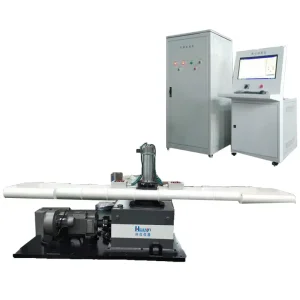
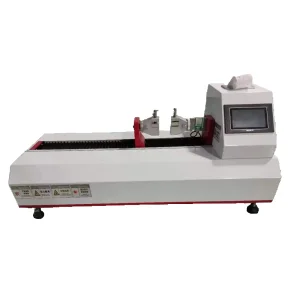
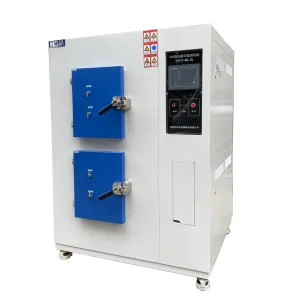
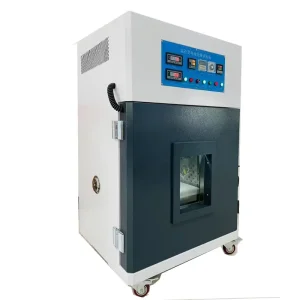
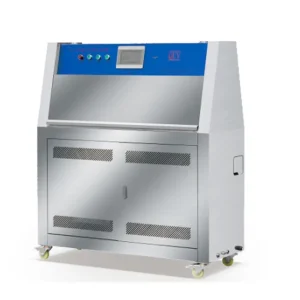
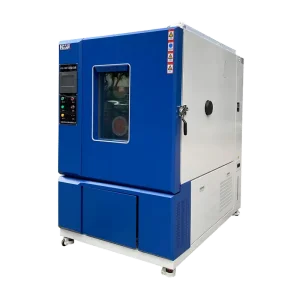
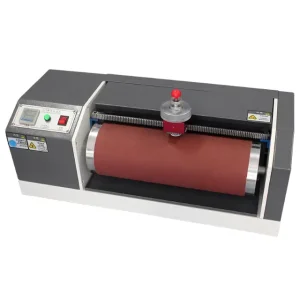
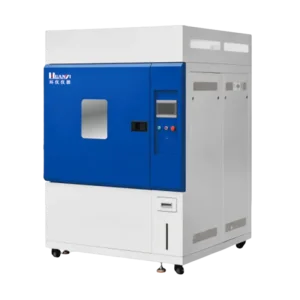
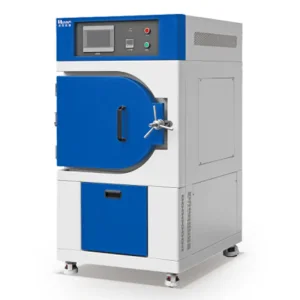
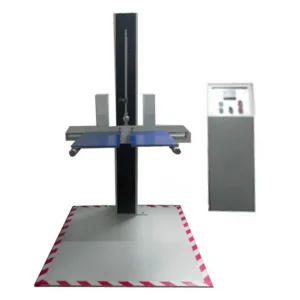
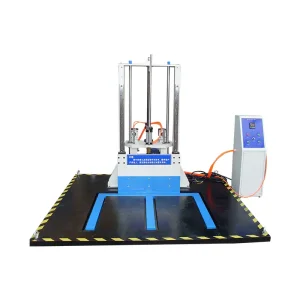
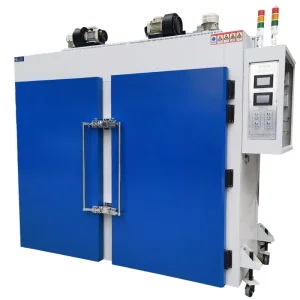
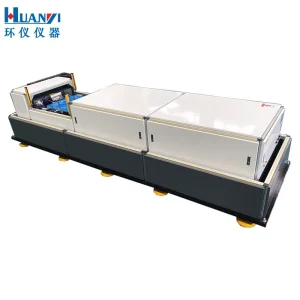
In the modern industrial landscape, the term Climatic Test Cabinet has evolved from a simple hardware requirement to a critical cornerstone of Product Lifecycle Management (PLM). As products become more complex—driven by the electrification of vehicles, the miniaturization of semiconductors, and the rigorous demands of aerospace—the ability to simulate extreme environments with absolute precision is paramount.
Huanyi Instruments, a pioneer in the field of environmental simulation, provides a comprehensive technical roadmap for global enterprises. Our OEM Climatic Test Cabinets are designed to address the "Information Gain" required for advanced R&D, moving beyond pass/fail metrics toward predictive reliability data.
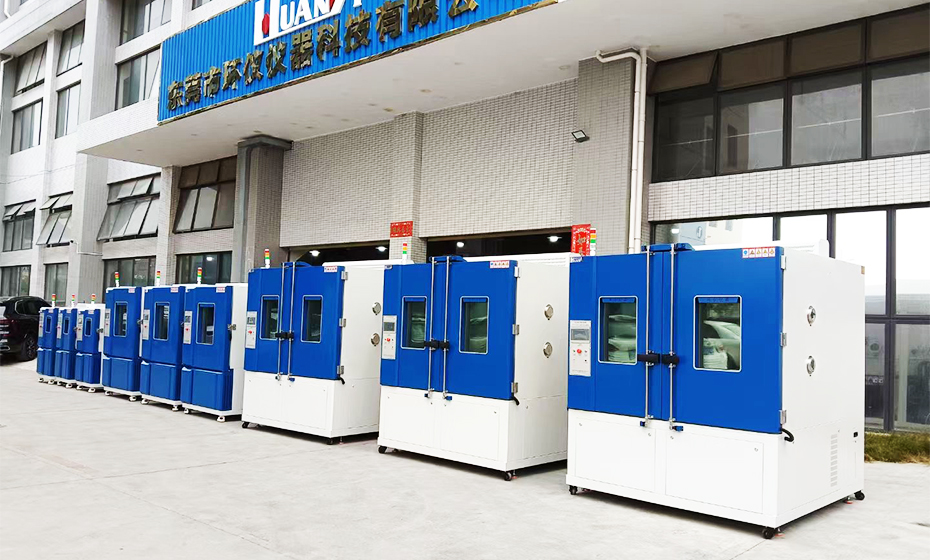
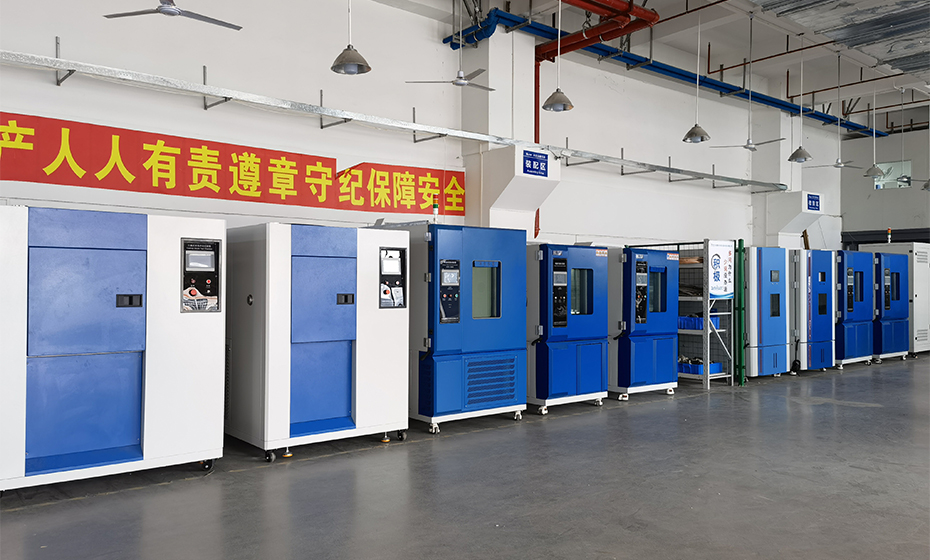
Our 6,022 sqm facility in Dongguan utilizes a Digital Sheet Metal Center established in 2016. Laser cutting panels and automated bending systems ensure structural integrity and thermal sealing that manual processes cannot match.
Every Climatic Test Cabinet is tracked via an ERP system from raw material procurement to final commission. This ensures 100% traceability for global compliance requirements like ISO 9001:2015.
We implement energy-saving refrigeration circuits and zero-ozone-depletion refrigerants, aligning our factory output with the ESG goals of our multinational partners.
The next decade of environmental testing focuses on three pillars: Intelligence, Integration, and Sustainability.
Integrating machine learning algorithms to predict mechanical failure in compressors and sensors, reducing downtime for critical testing cycles.
Real-time data streaming to mobile devices and cloud servers, allowing R&D teams to monitor long-term aging tests from anywhere in the world.
Combining thermal, humidity, and vibration stresses into a single synchronized testing environment to simulate real-world field conditions accurately.
Advancing towards stable -80°C and -120°C environments for deep-space and quantum computing component verification.
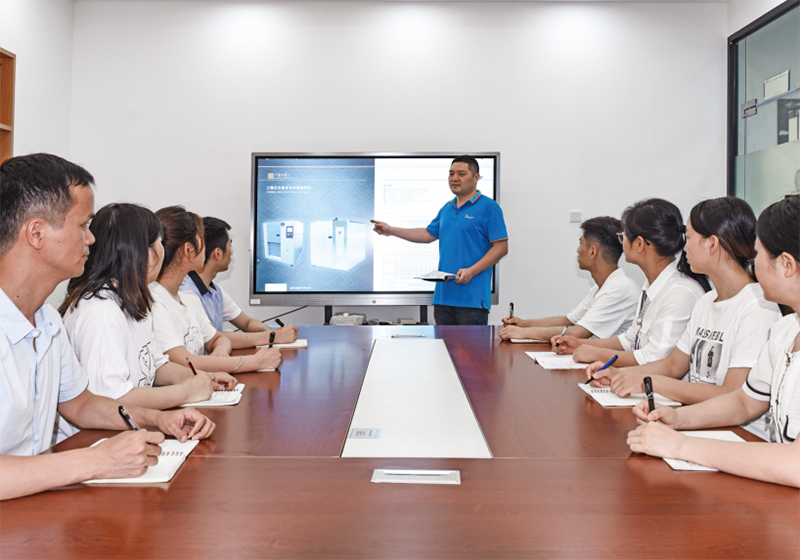
5G base station components require testing for rapid thermal cycling and high-humidity ingress protection (IP ratings).
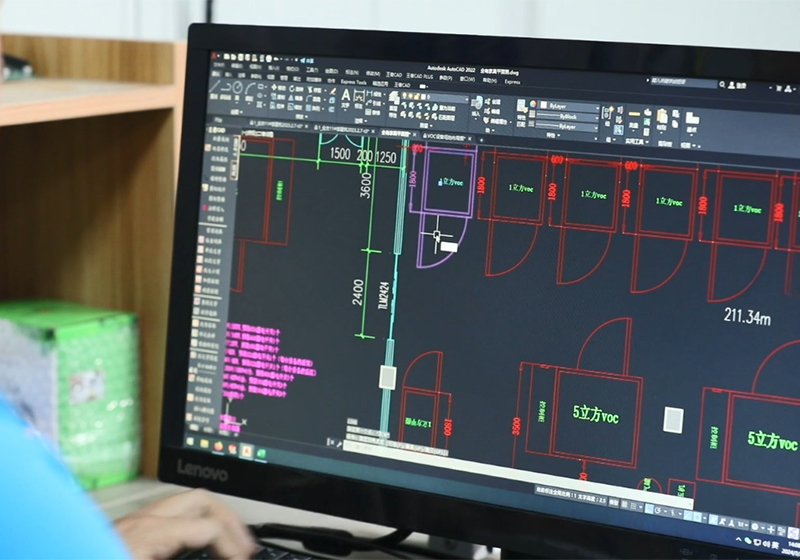
Battery short circuit test chambers and large walk-in climatic rooms for full vehicle thermal analysis.
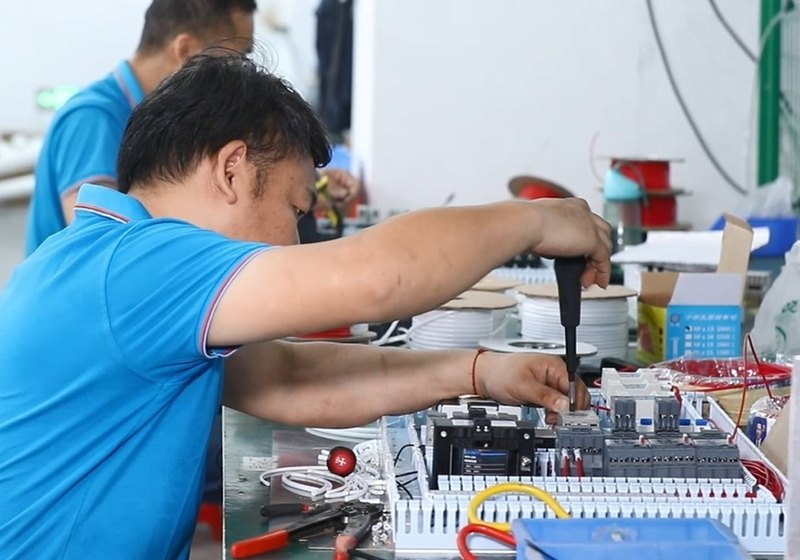
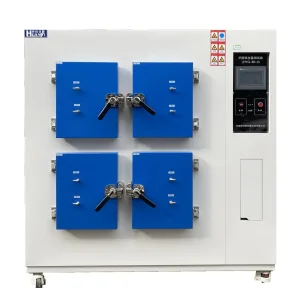
Precision drying ovens and VOC emission chambers to ensure chemical stability in cleanroom environments.
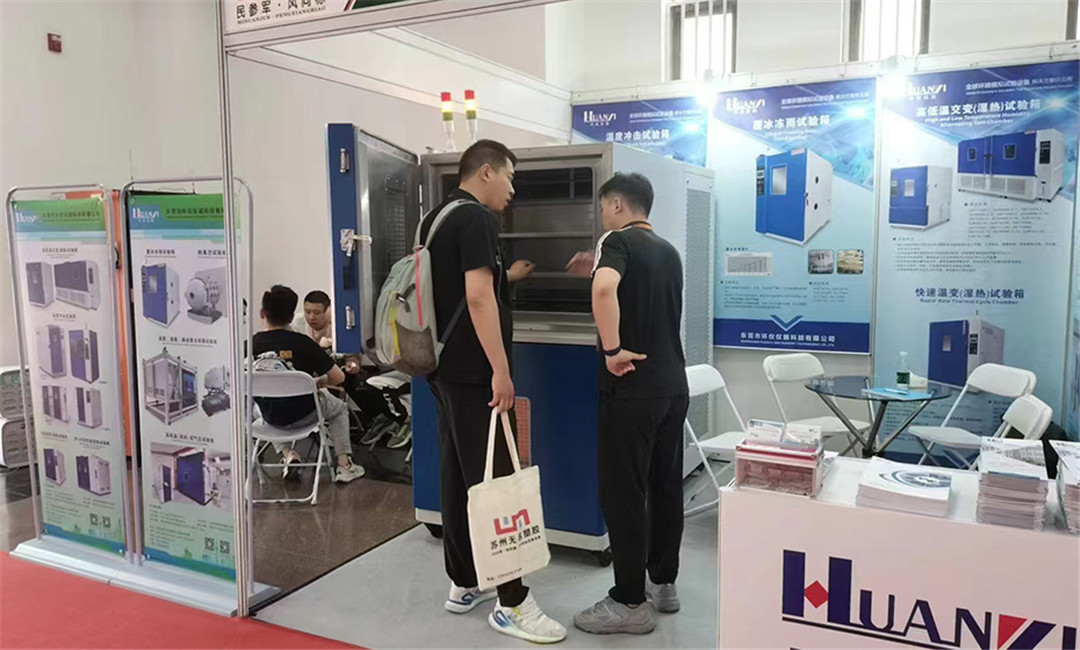
Established on March 20, 2007, Dongguan Huanyi Instruments Technology Co., Ltd. has grown into a high-tech enterprise that bridges the gap between R&D and mass production. Our participation in drafting national standards (GB/T 50325, etc.) solidifies our position as an authority in the field.
Our philosophy is "customer-centric, quality-guaranteed, honesty-based, and innovation-oriented".
Founded
Global Clients
SQM Factory
Patents
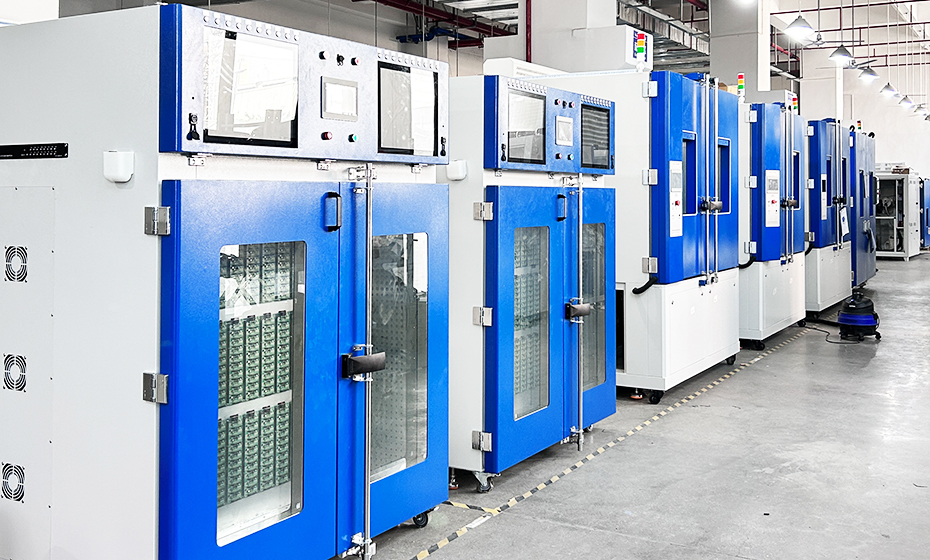
With offices in Jiangsu, Xi'an, Chongqing, Shanghai, and Beijing, we provide rapid response services across Greater China and seamless coordination for international exports.
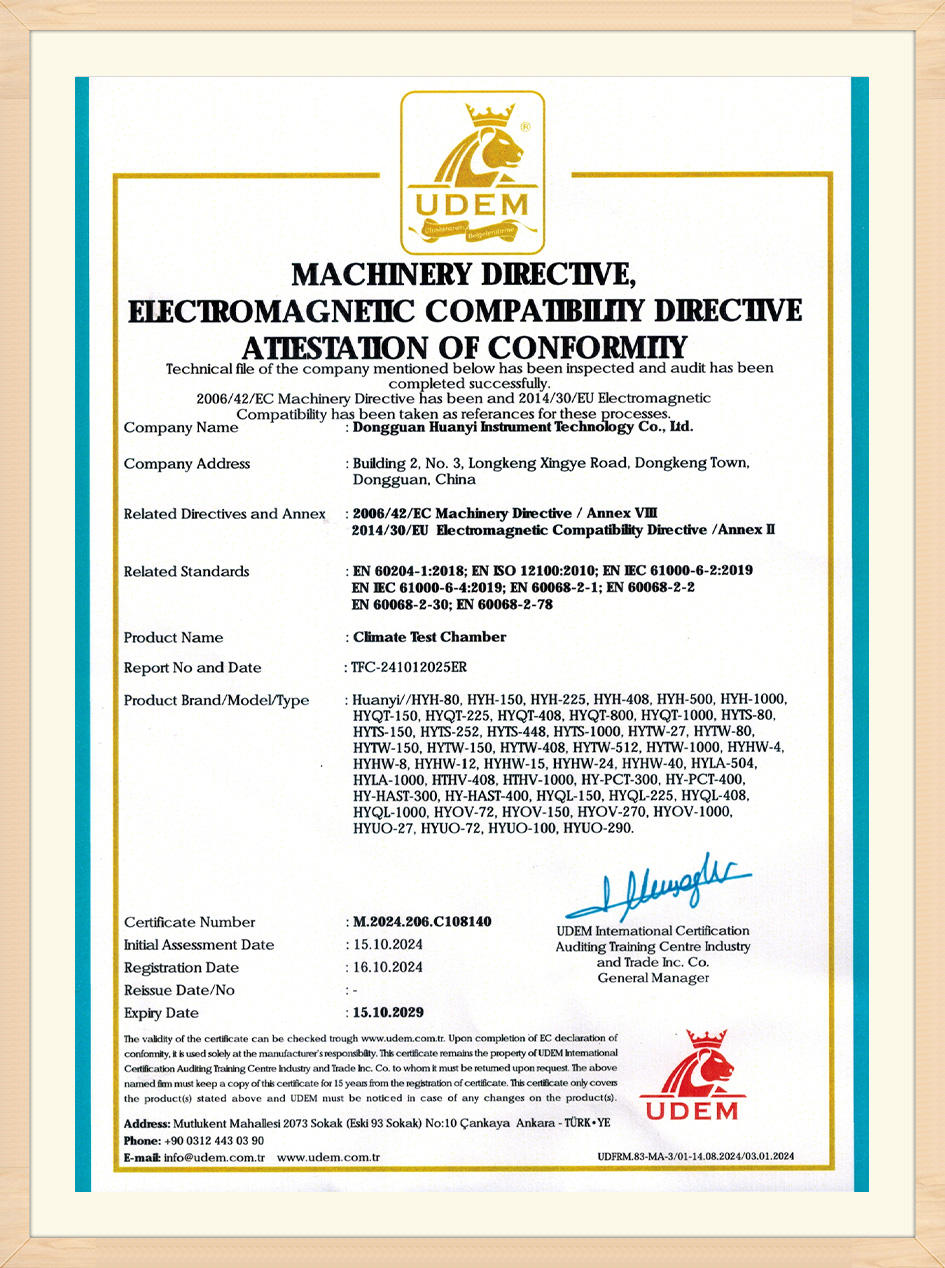
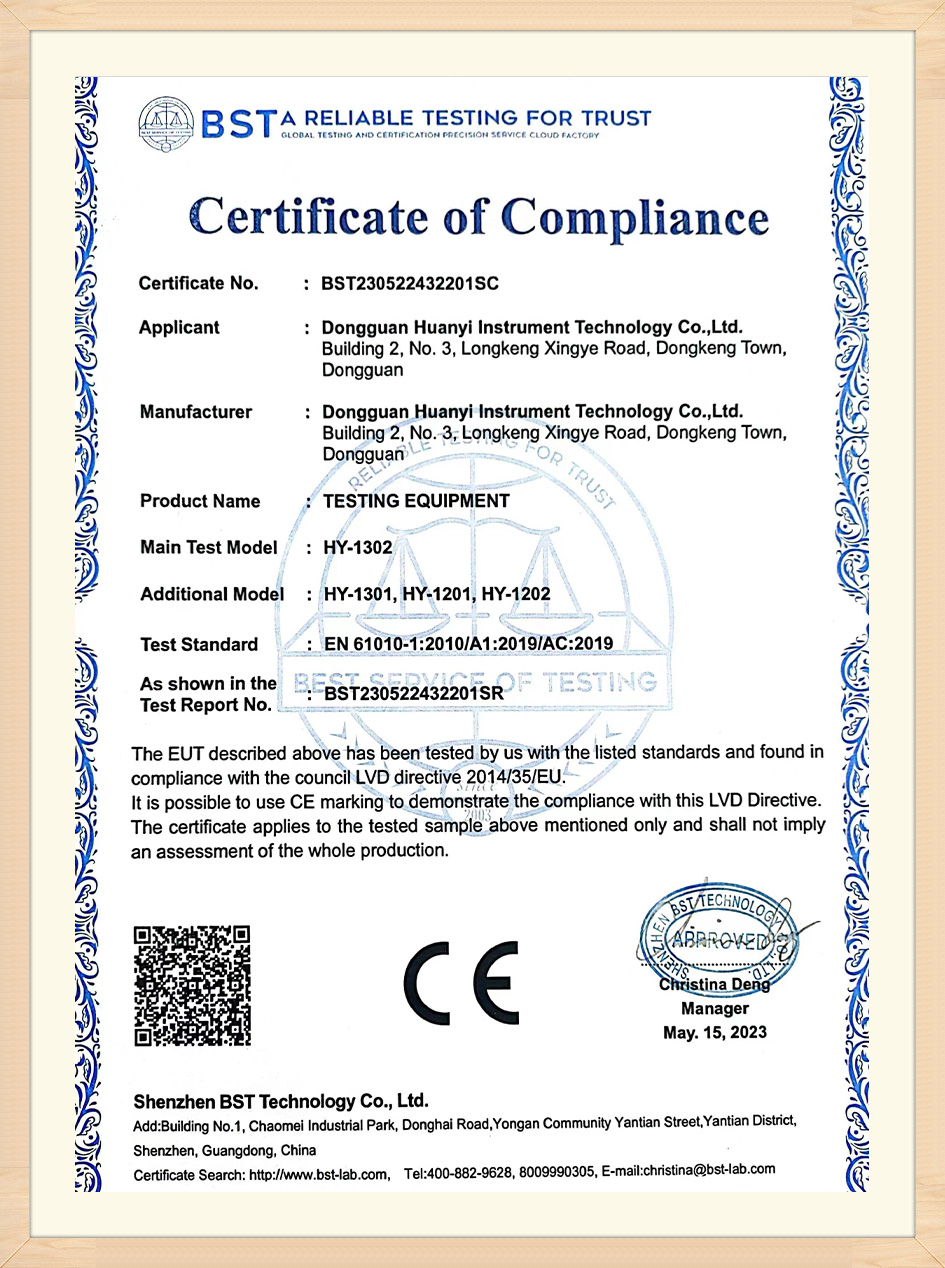
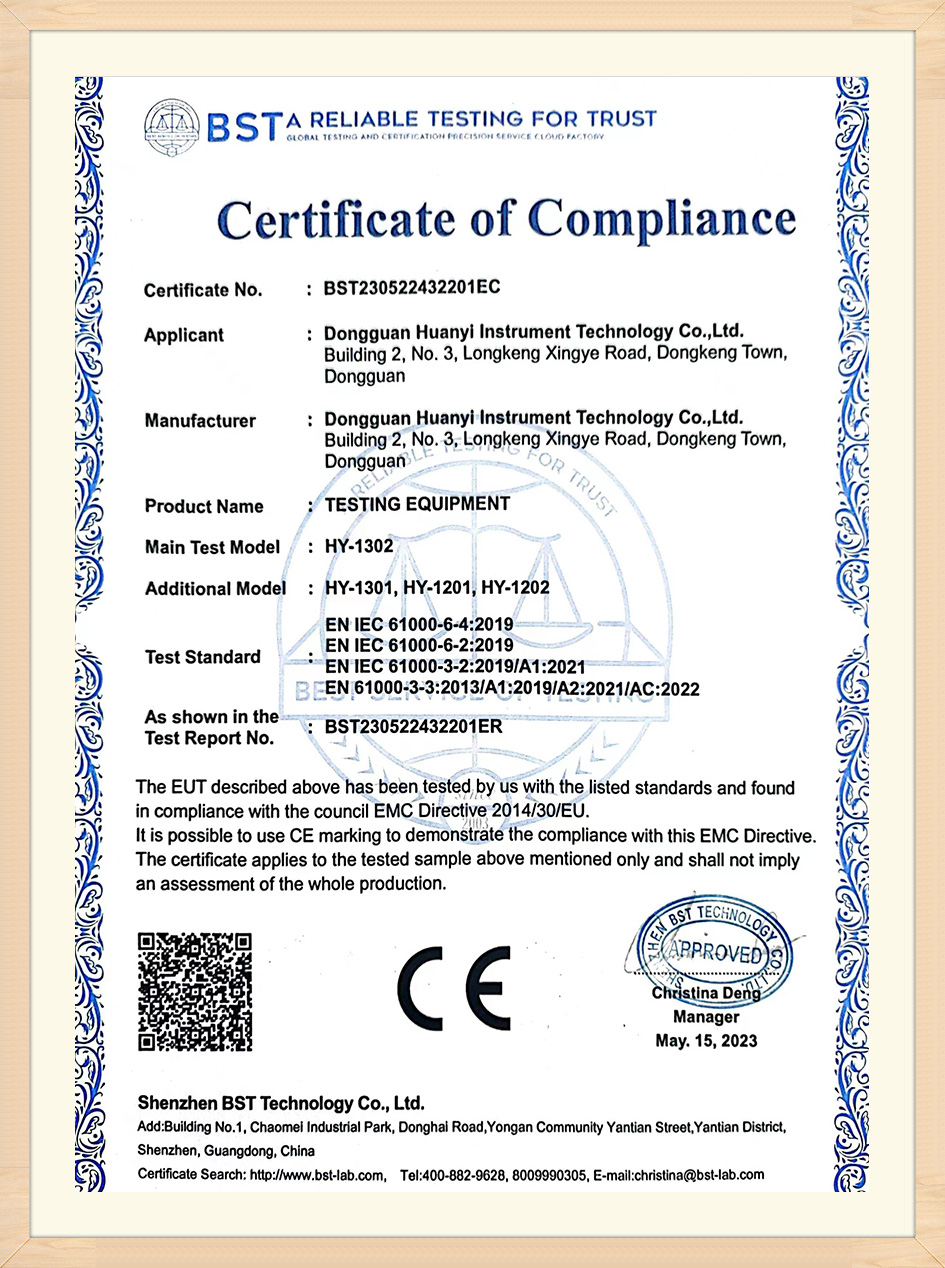
Our products adhere to international standards including ASTM, IEC, MIL-STD, and DIN. We provide complete validation documentation for highly regulated sectors.
From custom dimensions to specialized airflows and integrated sensor arrays, our R&D team works as an extension of your engineering department.
A: We use a multi-fan balanced air circulation system and PID-controlled heating/cooling modules that adjust in real-time based on internal thermal load sensors.
A: Standard cabinets are typically ready in 2-3 weeks. Complex custom OEM designs usually take 4-8 weeks, depending on component availability.
A: Yes, we provide full after-sales support including remote diagnostics, on-site calibration, and spare part replacement via our global distributor network.
A: Our controllers support RS485, Ethernet, and USB interfaces, allowing for seamless integration with LabVIEW and other DAQ software systems.
A: Our battery chambers include pressure relief ports, fire suppression systems, and gas detection sensors to ensure lab operator safety during destructive tests.
A: We offer modular designs that can be assembled on-site, reducing shipping costs and allowing for installation in facilities with standard doorway access.
 Huanyi