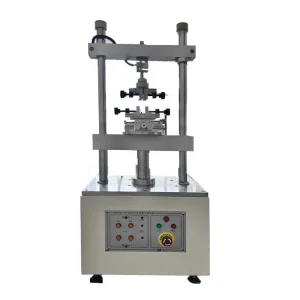
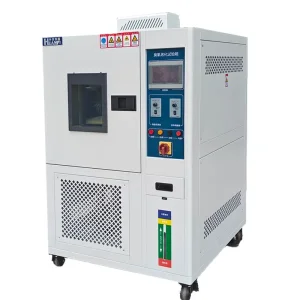
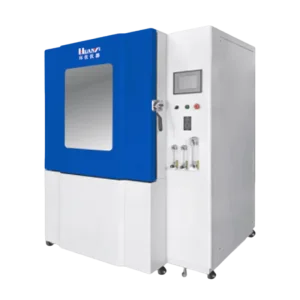
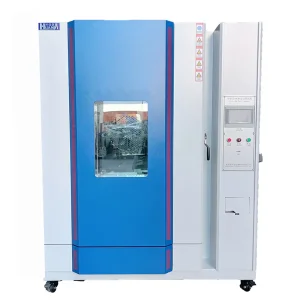
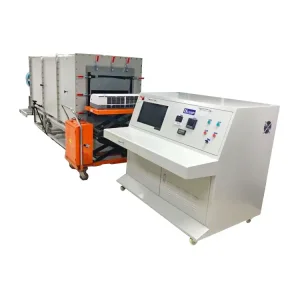
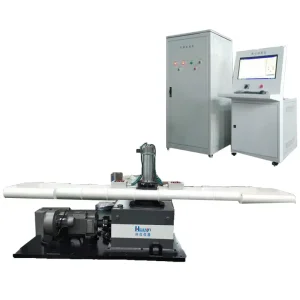
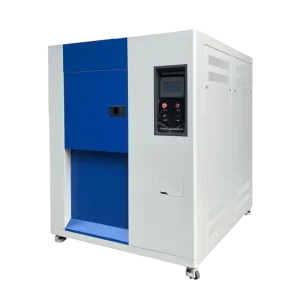
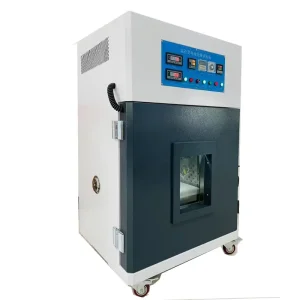
In the rapidly evolving landscape of global manufacturing, the demand for Altitude Simulation Chambers (also known as Hypobaric Chambers) has shifted from a niche aerospace requirement to a critical component of mainstream product reliability. As products—ranging from consumer electronics and electric vehicle (EV) batteries to medical devices—are transported and operated at varying altitudes, the physical and chemical changes induced by low atmospheric pressure can lead to catastrophic failures.
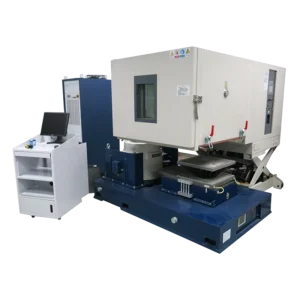
Modern Altitude Simulation Chamber Manufacturers are now integrating complex multi-environment factors, combining low pressure with extreme temperature fluctuations and humidity control. This "combined stress" testing is essential for complying with international standards such as MIL-STD-810, RTCA DO-160, and UN38.3 for lithium battery transport safety.
Simulating conditions at 30,000 to 100,000 feet to ensure avionics and structural integrity under rapid decompression.
Testing battery swell, seal integrity, and thermal runaway risks during high-altitude air freight or mountainous terrain usage.
Analyzing how pressurized seals and chemical compositions react to the reduced oxygen and pressure levels of cargo holds.
China has emerged as the global epicenter for environmental test equipment manufacturing, not just due to cost-efficiencies, but through significant technological leapfrogging. Leading clusters in Dongguan and Jiangsu have integrated advanced IoT controls and energy-efficient refrigeration systems that often outperform traditional Western counterparts.
Proximity to high-grade steel manufacturers, specialized vacuum pump suppliers, and sensor innovators reduces lead times by 30-50% compared to European or US factories.
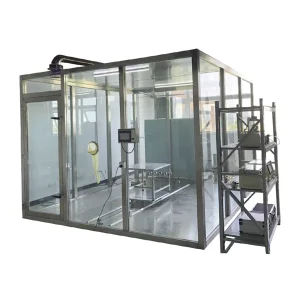
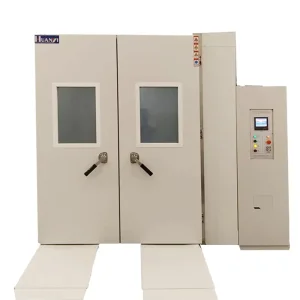
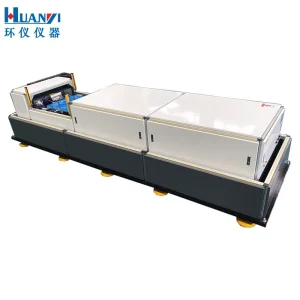
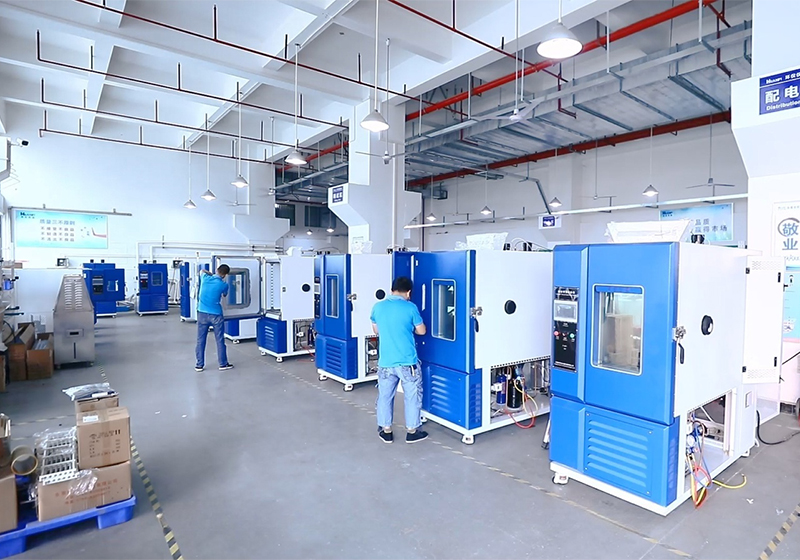
Chinese factories like Huanyi Instruments specialize in bespoke dimensions—from compact benchtop units for micro-electronics to massive walk-in chambers for satellite components.
Leveraging optimized labor and large-scale production, global enterprises can acquire high-spec chambers with PID programmable controllers at a fraction of the cost without compromising E-E-A-T standards.
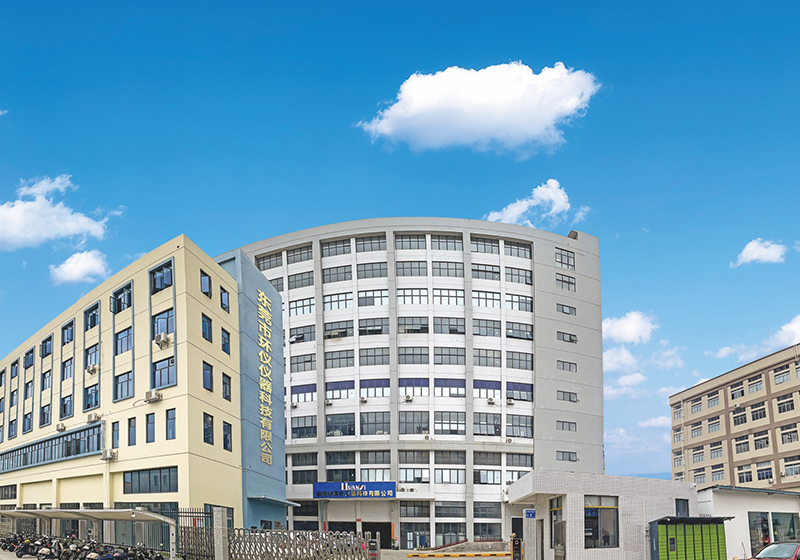
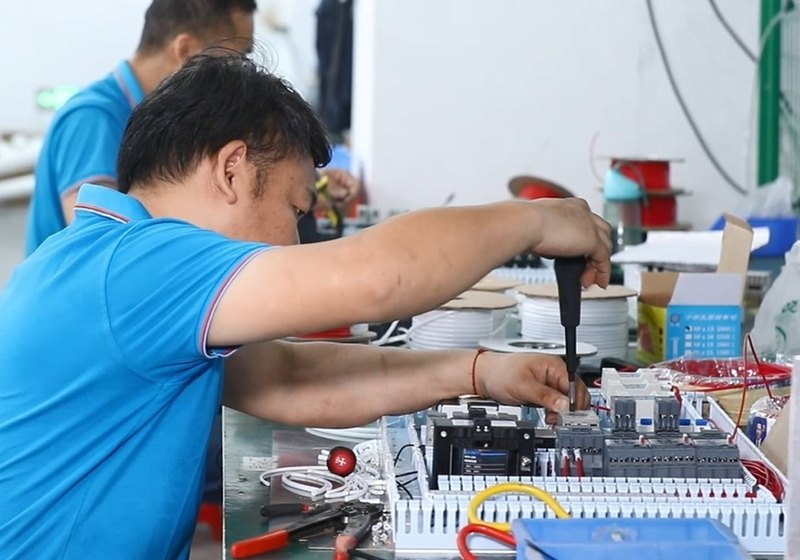
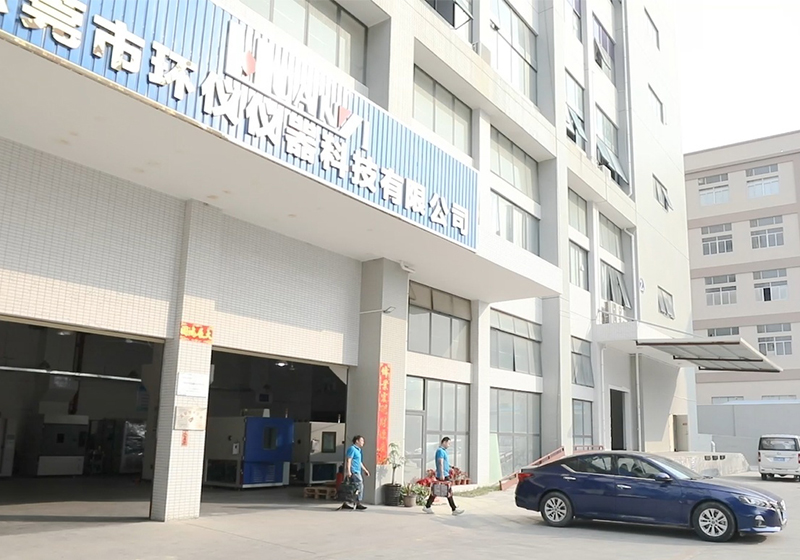
Established on March 20, 2007, and covering an area of 6,022 square meters, Huanyi has become a High-Tech Enterprise integrating R&D, production, and after-sales service. We don't just follow standards; we help create them, having participated in the drafting of national and industry standards for environmental simulation test equipment.
Our philosophy of "customer-centric, quality-guaranteed, honesty-based, and innovation-oriented" has allowed us to serve over 2,500 customers globally, providing competitive products that integrate international advanced technologies.
Years Experience
Global Clients
9001:2015 Certified
Factory Area
The industry is moving toward Dynamic Simulation. Static pressure testing is no longer sufficient for 5G telecommunications or modern drone technology. The latest trends include:
Comprehensive solutions for MIL-STD compliance, focusing on temperature/altitude/humidity combinations that mimic real flight envelopes.
Focused on the "low pressure" effects on heat dissipation. In thin air, traditional cooling fans are less effective—our chambers help optimize thermal design for high-altitude deployment.
When procuring from an Altitude Simulation Chamber Manufacturer, reliability is non-negotiable. At Huanyi, we ensure high quality through:
Use of high-grade SUS#304 stainless steel and internationally renowned component brands for compressors and sensors.
Our ERP systems monitor every production phase, ensuring that the chamber built in 2024 meets the same rigorous specs as those in 2022.
Dedicated teams for Southeast Asia, Europe, and the US to provide remote diagnostics and on-site maintenance.
 Huanyi