Advanced simulation and mechanical stress chambers built for comprehensive R&D and QA engineering workflows.
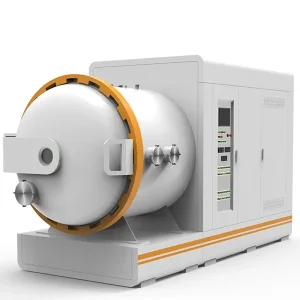
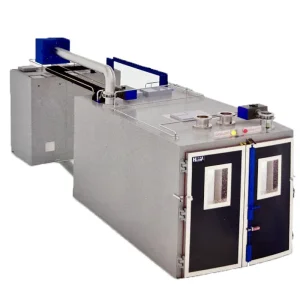
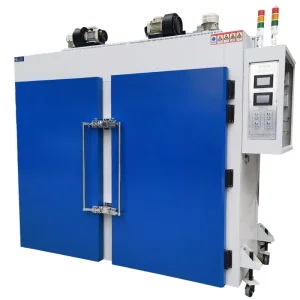
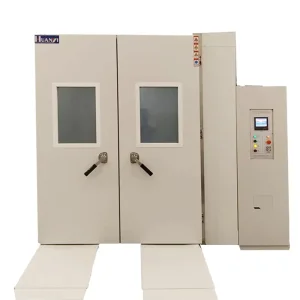
Navigating the complex mechanical stress testing demands of 21st-century electronics and defense manufacturing.
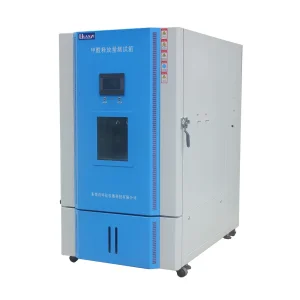
In modern high-reliability manufacturing sectors—ranging from automotive power electronics (IGBT modules, autonomous sensor suites) to aerospace avionics and defense semiconductors—testing for survivability under rapid temperature transitions is paramount. The Temperature Shock Test Chamber serves as the definitive engineering asset to execute Environmental Stress Screening (ESS). Unlike standard temperature cycling, which gradients the thermal shift over several hours, thermal shock forces the test specimen to experience immediate, severe temperature differences. This isolates weaknesses in physical joints, thermal expansion mismatches, and material integrity before components deploy into critical field applications.
Globally, industrial quality expectations are evolving rapidly. With the transition to electrification in automobiles, electronic control units (ECUs) are positioned in environments where they are subject to engine bay thermal surges and immediate sub-zero external cold. According to MIL-STD-810H and IEC 60068-2-14 compliance structures, testing chambers must guarantee rapid recovery times—often within 5 minutes or less—to assure that the core temperature of the internal component undergoes the required stress profiling.
Fulfilling these requirements demands advanced engineering: dual or triple-zone design architecture, robust cascade refrigeration systems utilizing environmentally safe refrigerants, and proprietary controller software designed to predict and override temperature drops dynamically. Selecting the correct *Custom Temperature Shock Test Chamber Factory* has therefore transitioned from a simple purchasing procurement task into a long-term strategic partnership.
An engineering comparison comparing architectural formats for bespoke testing pipelines.
A primary failure in standard industrial procurement is the misapplication of 2-zone versus 3-zone chambers. 2-zone chambers physically transfer the carrier basket containing the product between a hot and cold zone via an automated pneumatic elevator. 3-zone chambers, conversely, remain static; they utilize high-speed damper control pathways to blast hot, ambient, or cold air streams sequentially over the stationary specimen. Below is an engineering comparison matrix designed to streamline procurement decisions.
| Test Parameter | 2-Zone (Elevator Carriage) | 3-Zone (Dampers Controlled) | Custom Specialized Configurations |
|---|---|---|---|
| Primary Mechanism | Pneumatic specimen carriage moving between high/low zones. | Stationary specimen chamber with high-speed pneumatic airflow dampers. | Hybrid integration with vibration tables or hazardous gas extraction. |
| Recovery Profile | Shorter recovery times due to direct zone immersion. | Includes an ambient dwell phase; slightly longer recovery. | Engineered dynamically based on the thermal mass of the load. |
| Specimen Safety | Subject to physical vibration during vertical carriage transition. | Zero physical movement; ideal for delicate sensors & PCB assembly. | Built with specialized dampening to guarantee clean sensor telemetry. |
| Cost Index | Standard baseline investment footprint. | Moderate premium due to complex pneumatic damper systems. | Customized project pricing aligned to targeted test specifications. |
Choosing the correct framework prevents premature product failure during validation stages. Custom design modifications—such as adding viewports with optical filtration, inserting feedthrough ports for power supply cables, or configuring nitrogen purging loops to prevent oxidation—are the key parameters driving the current global market demand for high-capability production facilities.
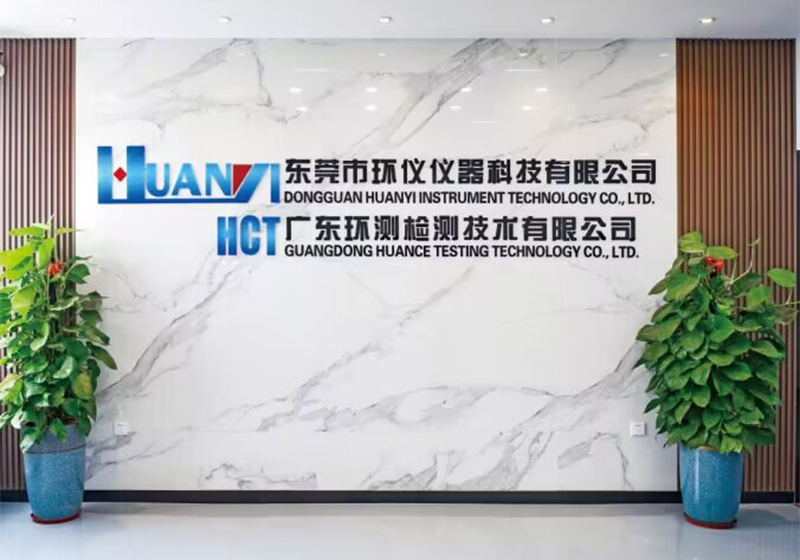
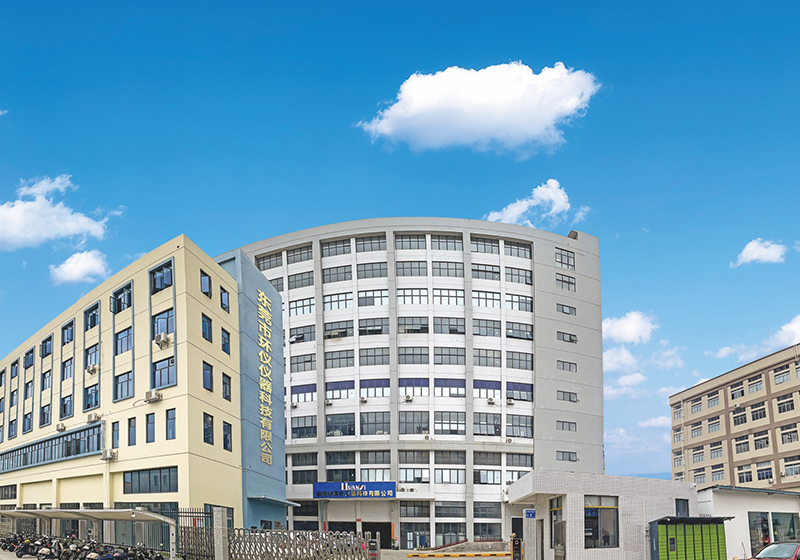
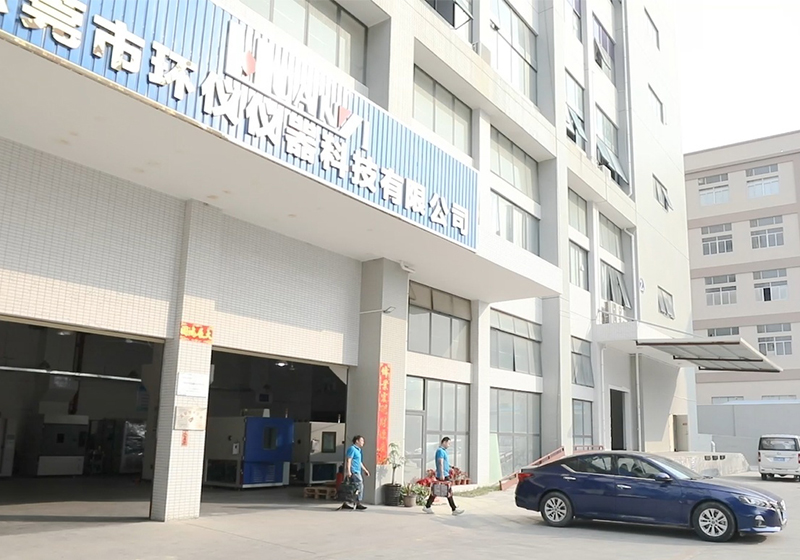
Dongguan Huanyi Instruments Technology Co., Ltd. was established on March 20, 2007, covering an area of 6,022 square meters. We operate as a high-tech enterprise integrating R&D, production, sales, and comprehensive after-sales service. Showing our authority in the market, Huanyi participated in the drafting of national standards and industry standards for environmental simulation test equipment.
Our founding philosophy remains clear: "customer-centric, quality-guaranteed, honesty-based, and innovation-oriented". Through years of persistent work, we have trained a highly specialized workforce with decades of production, R&D, and quality control management experience.
Unlocking the manufacturing advantages of Dongguan Huanyi Instruments' digital infrastructure.
In the global market, procurement teams are often forced to choose between cost savings and technological capabilities. The Chinese industrial transition to Factory 4.0 has resolved this conflict. By integrating automated manufacturing pipelines, modern ERP inventory tracking, and laser-guided fabrication setups, Dongguan Huanyi Instruments provides customizable testing chambers without the long lead times typical of Western manufacturers.
Our domestic supply chain ecosystem in Southern China allows us to source raw materials, premium compressors (such as Bitzer or Copeland), and electronic modules directly from certified logistics hubs. This optimization reduces transit delays and protects buyers from sudden component shortages. The incorporation of a dedicated digital sheet metal fabrication center in 2016 allows us to design, prototype, and manufacture custom structural frames in-house, maintaining total quality control from raw steel to final paint finishing.
Explore the quality control frameworks and engineering resources behind our industry reputation.
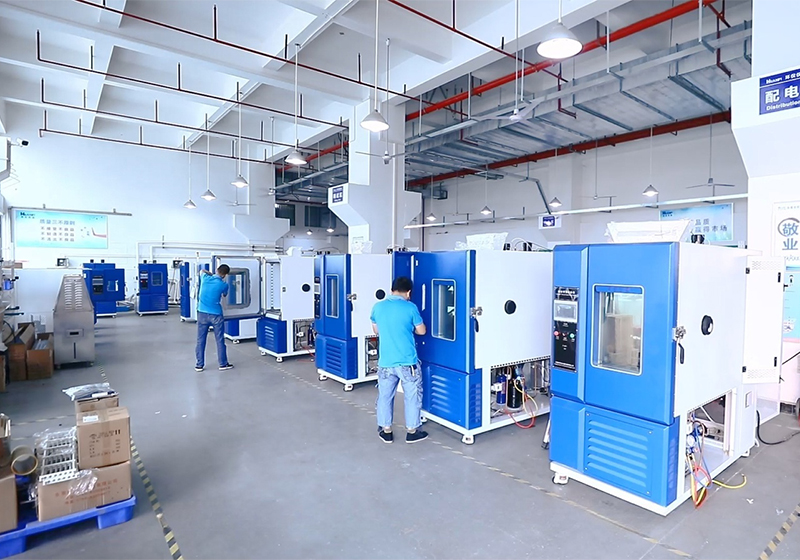
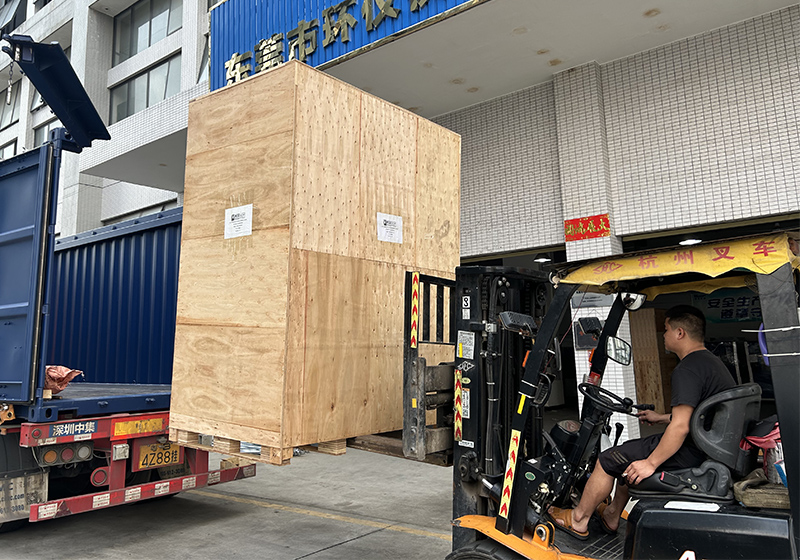
Comprehensive quality control active at every step of raw material selection, production assembly, installation, and final equipment commissioning.
Backed by over 20 years of technical expertise. Our dedicated production and R&D departments utilize custom ERP monitoring systems to handle large-volume orders and ensure on-time delivery.
Modern facility utilizing automated CNC sheet metal laser cutting, unified ERP production pipelines, and automated processes to lower manufacturing waste.
ISO 9001:2015 certified factory operations. Providing mature engineering processes alongside experienced global after-sales engineering support.
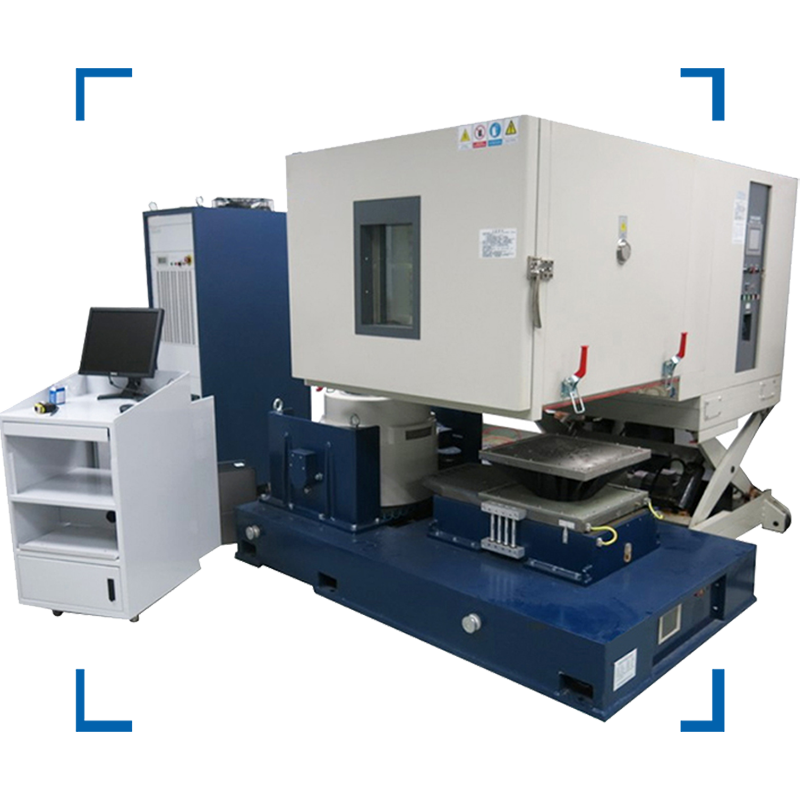
How we ensure quality across development, manufacturing, validation, and logistics phases.
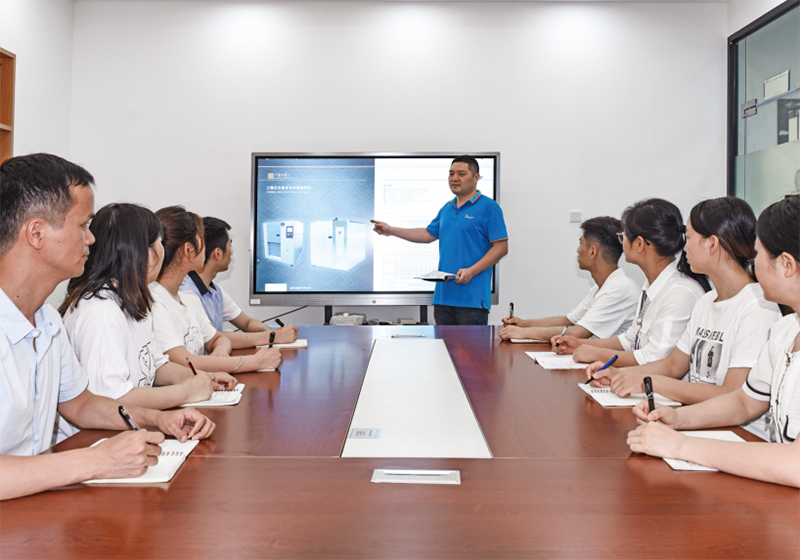
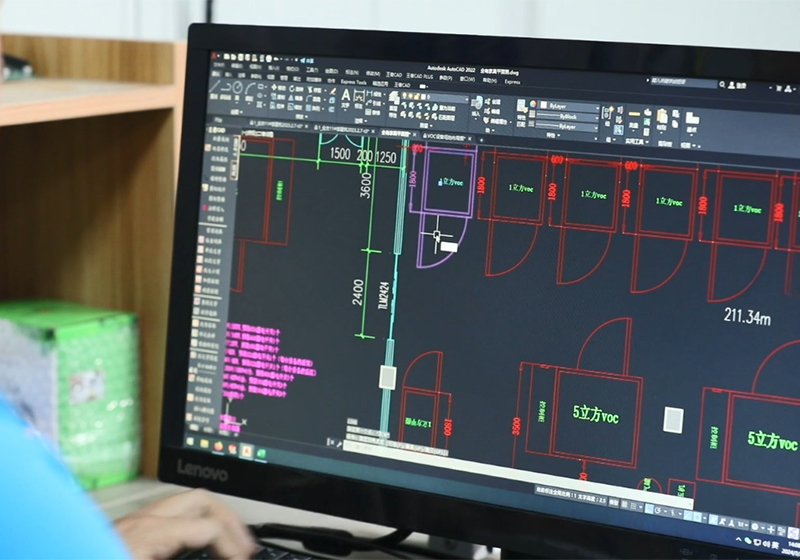
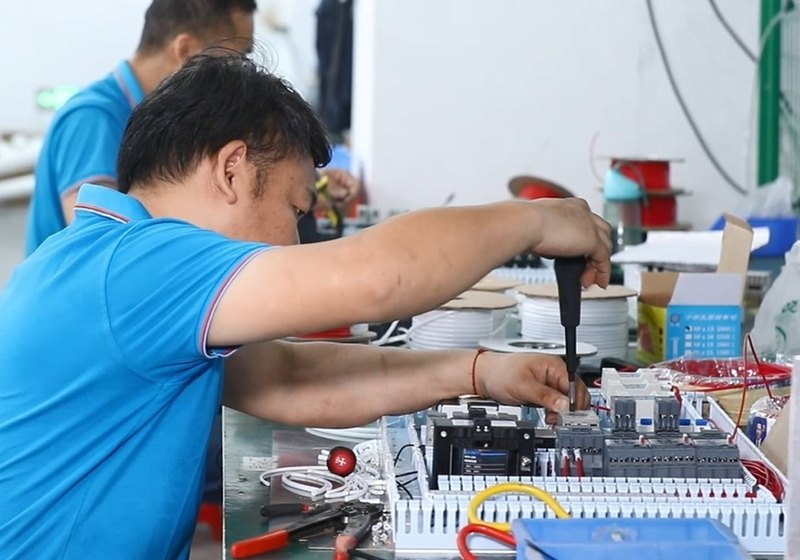
A history of growth, testing technology updates, and standard development milestones.
Dongguan Huanyi Instrument Technology Co., Ltd. was established, initiating independent local manufacture of climate testing chambers.
Established our Jiangsu regional office to expand technical and post-purchase customer support inside Eastern China.
Established the Xi'an and Chongqing regional offices to coordinate and service industrial clients in Western and Central China.
Opened Shanghai and Beijing offices to streamline partnerships with national research institutions and multinational companies.
Inaugurated our Digital Sheet Metal Fabrication Center, utilizing modern CNC cutting machinery to improve chassis precision.
Certified to ISO 9001:2015 Quality Management standards, standardizing our engineering and management protocols.
Recognized as a High-Tech Enterprise for consecutive years. Drafted national environmental testing standards, including GB5364 and GBT50325.
Founded Guangdong Huance Testing Technology Co., Ltd., our specialized third-party laboratory providing certified testing services.
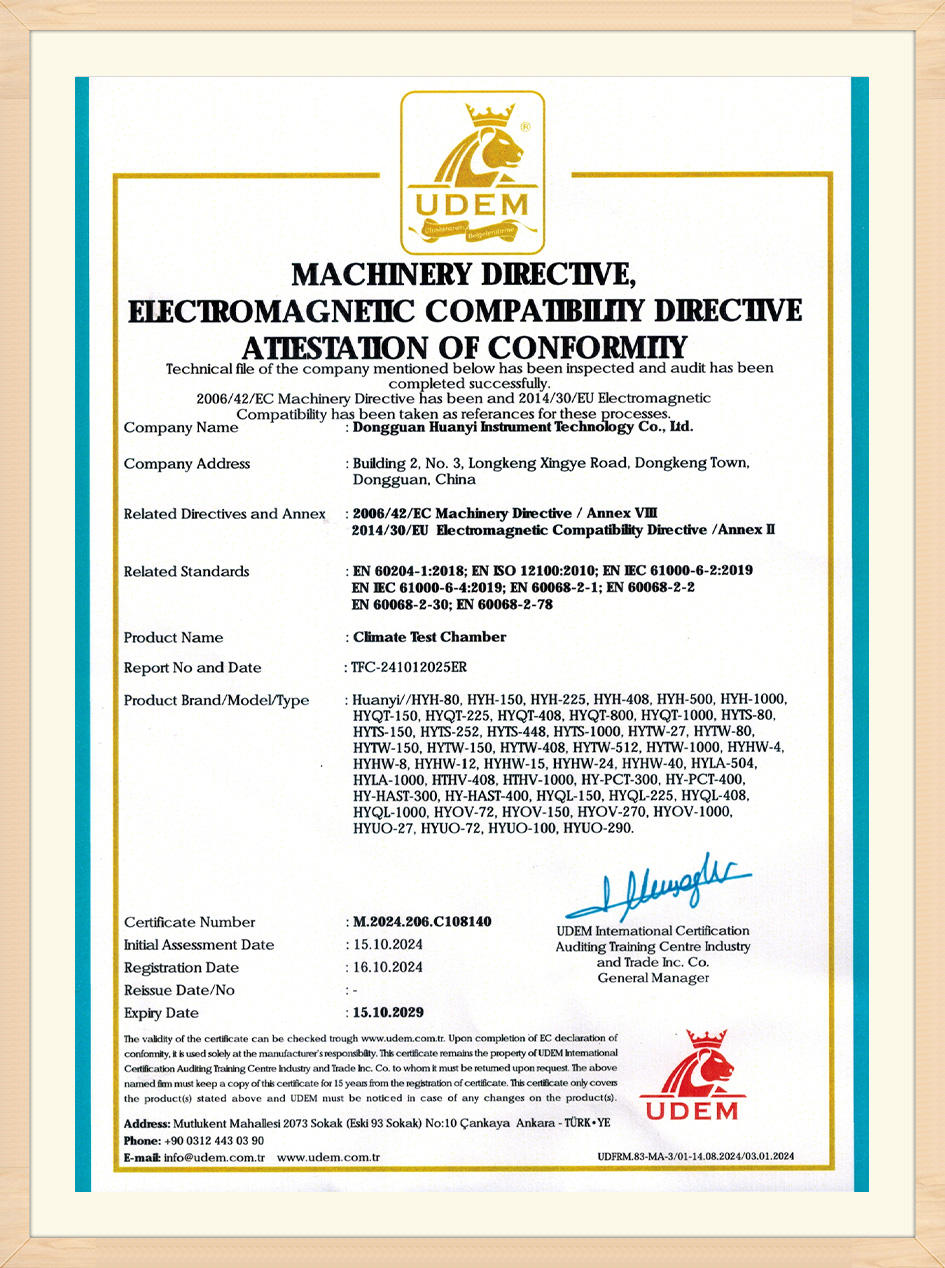
Our commitment to build quality is verified by compliance certifications and national testing standards.
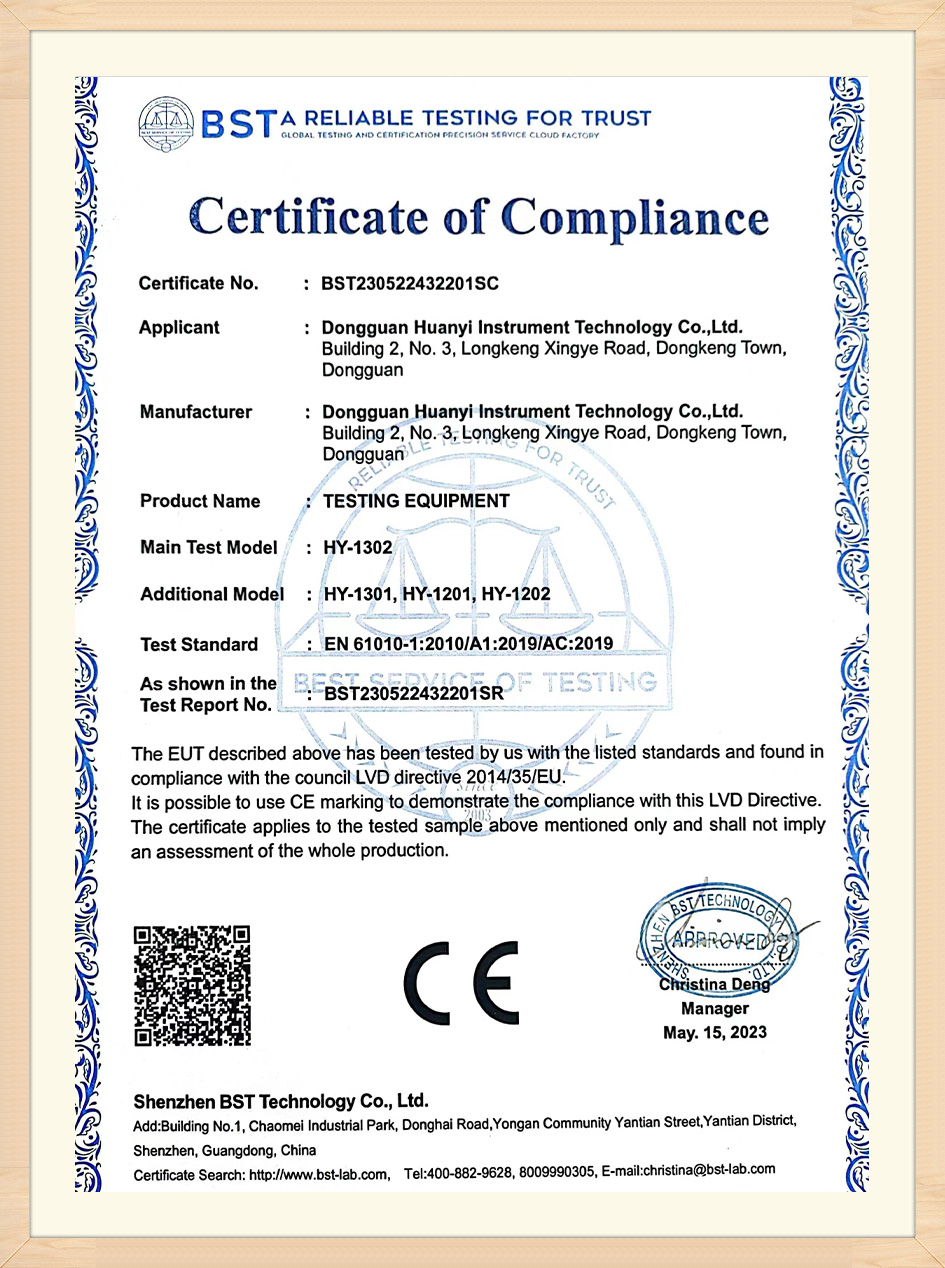
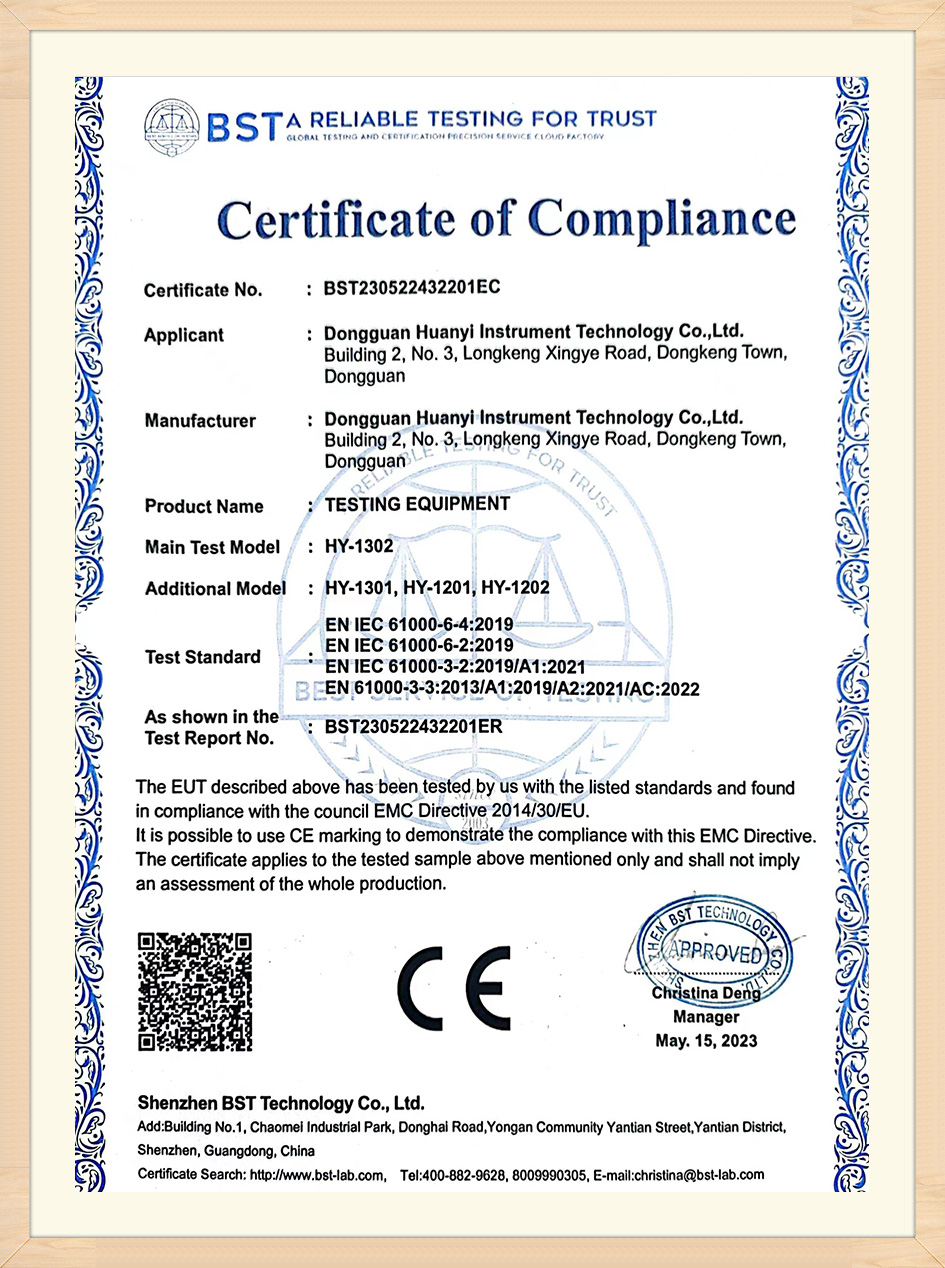
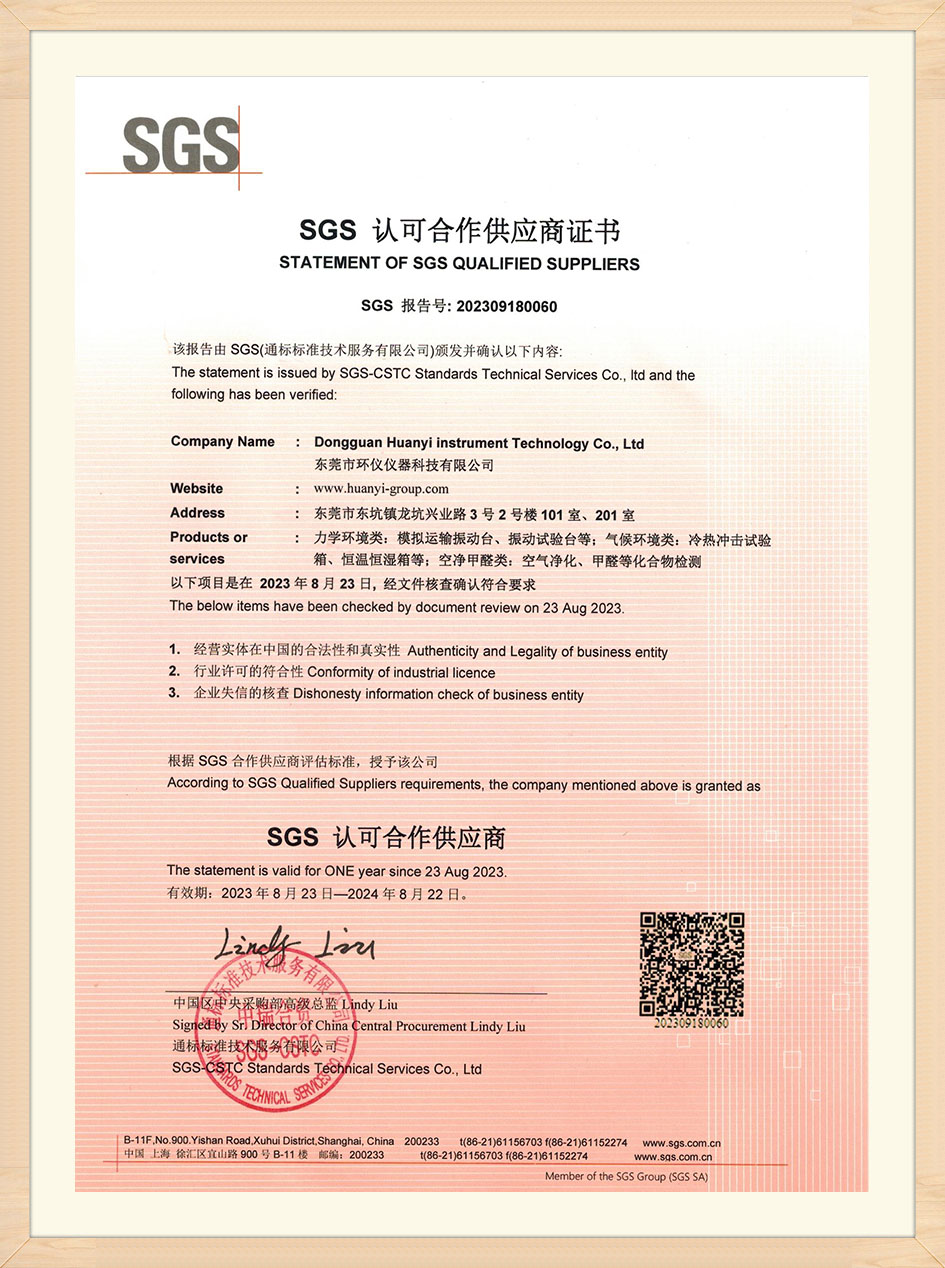
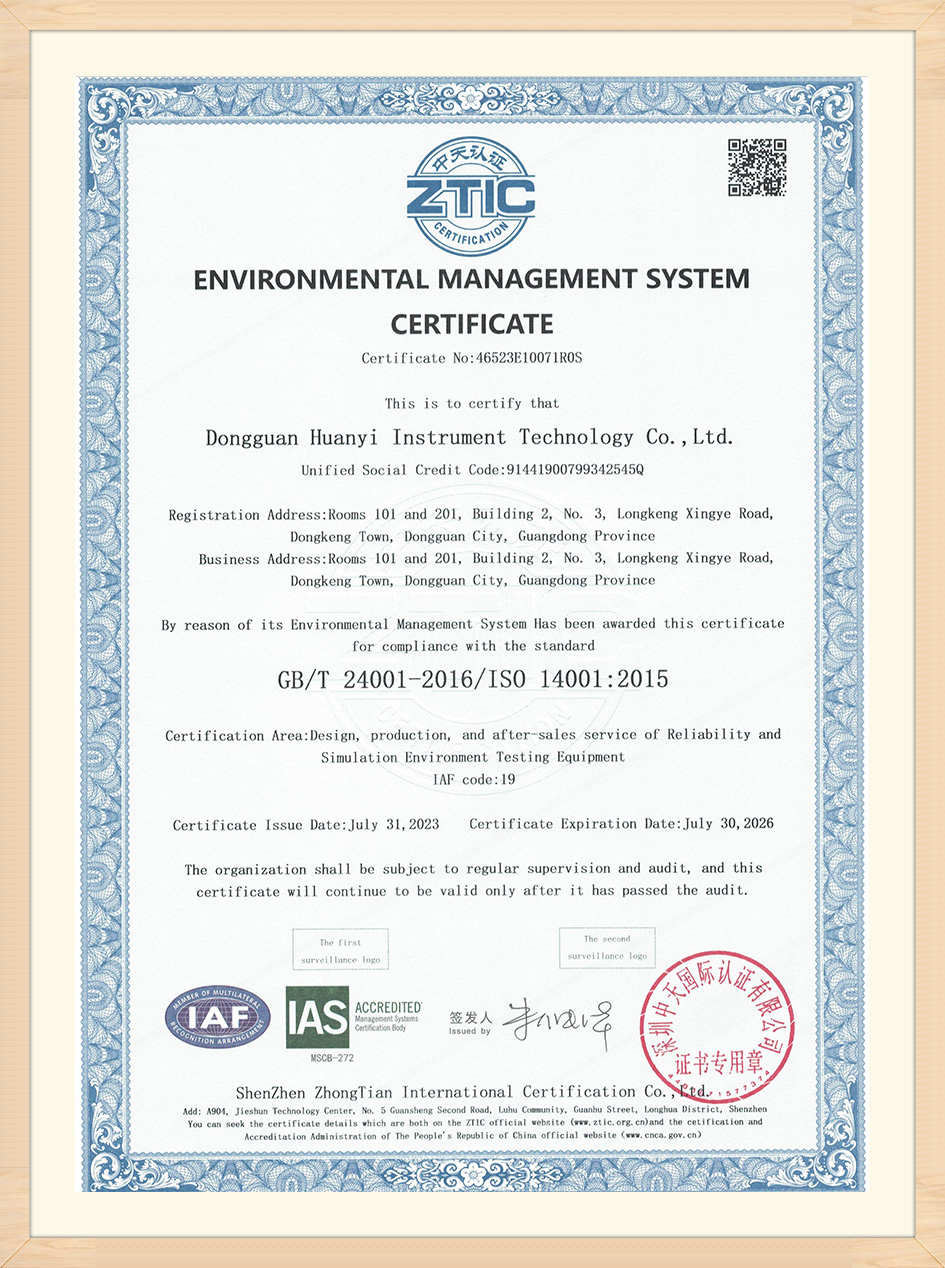
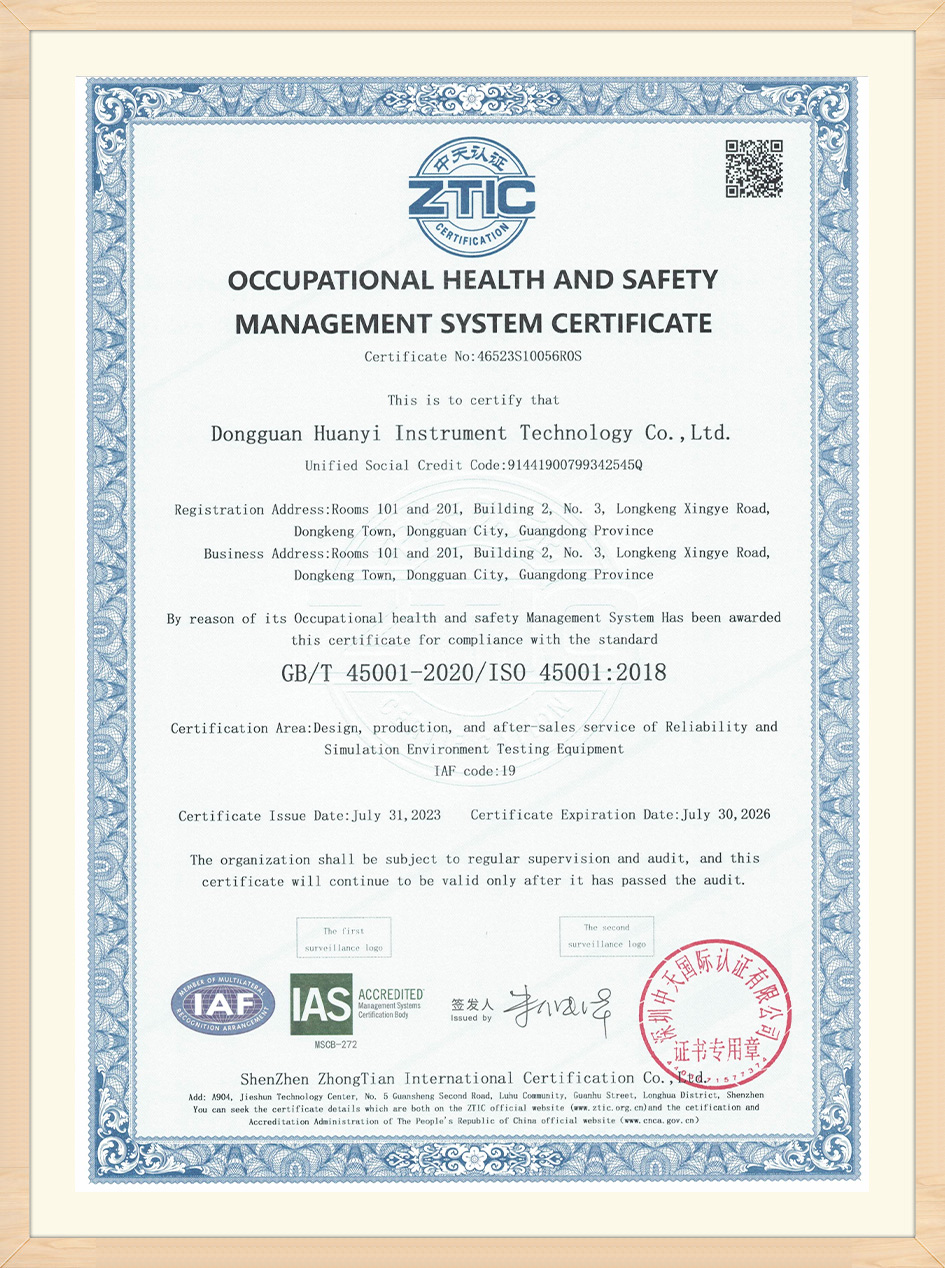
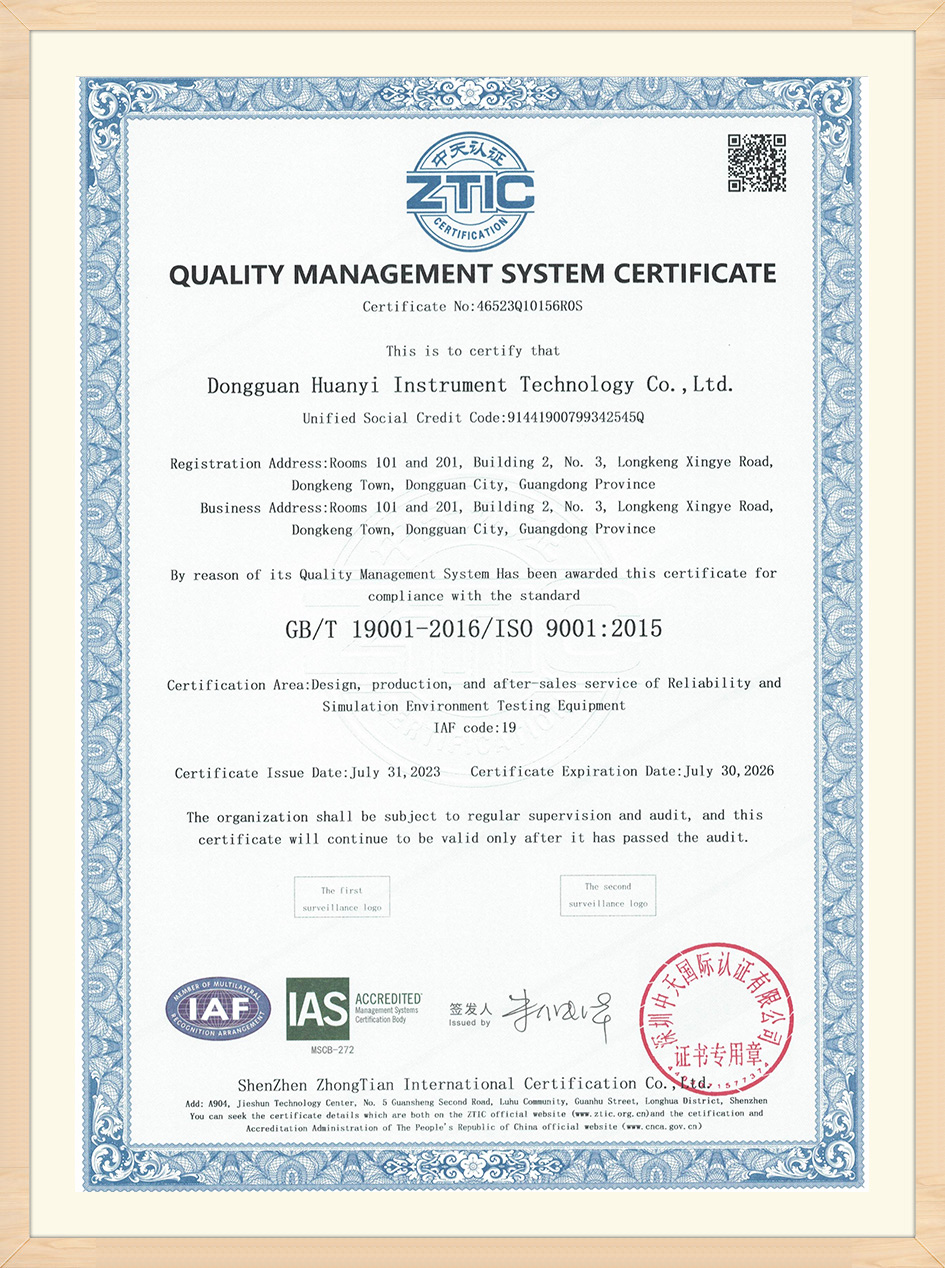
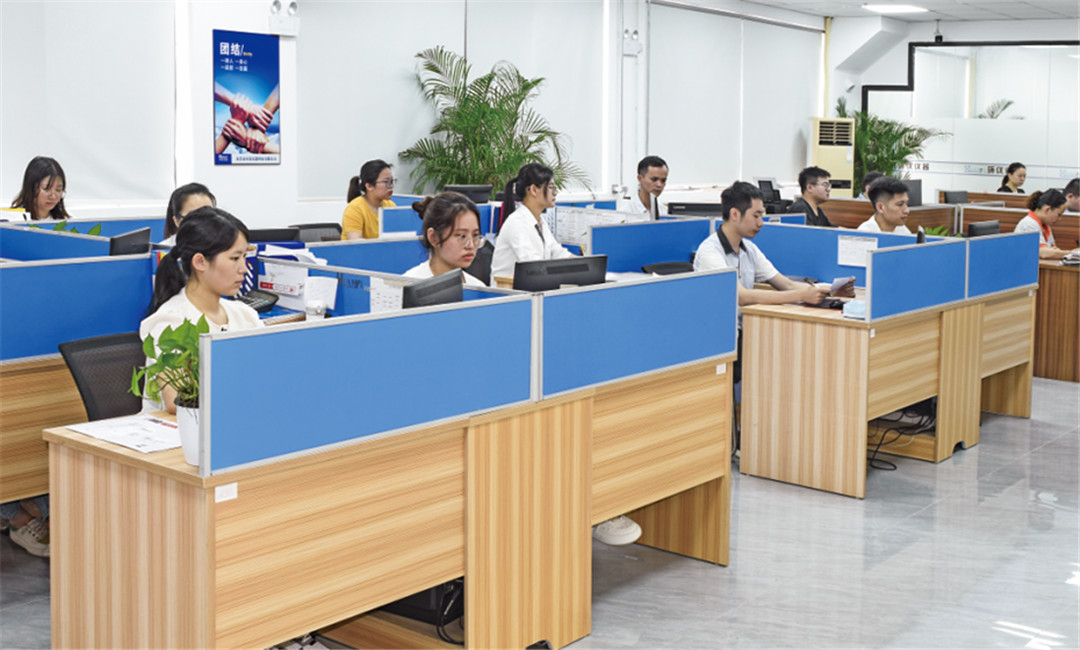
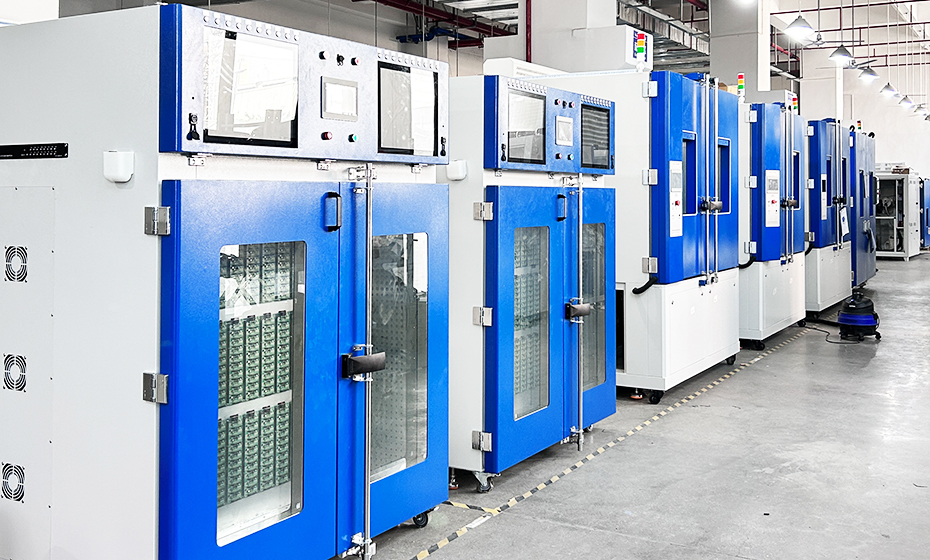
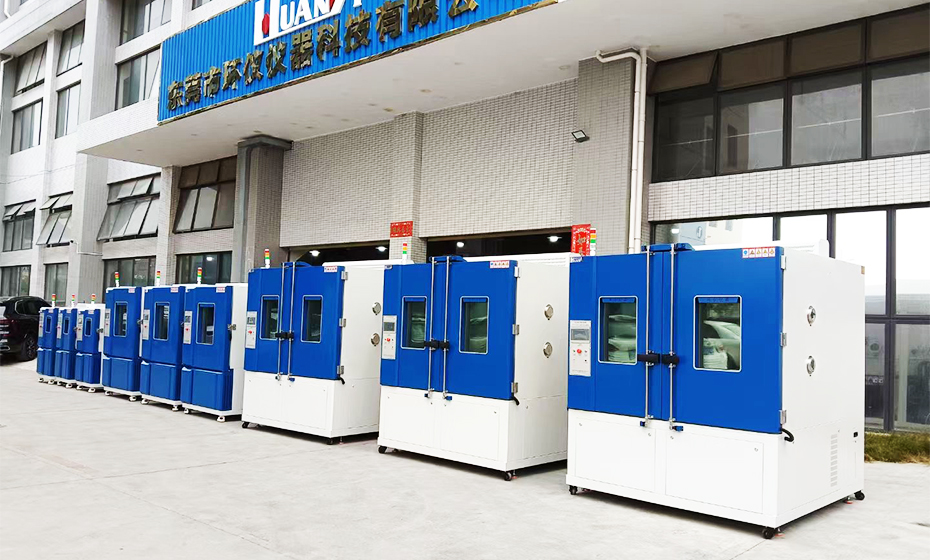
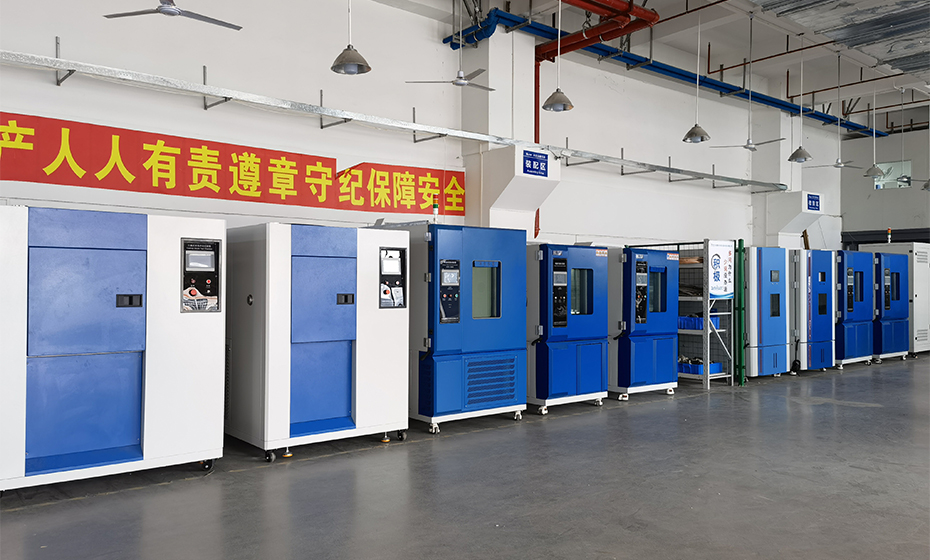
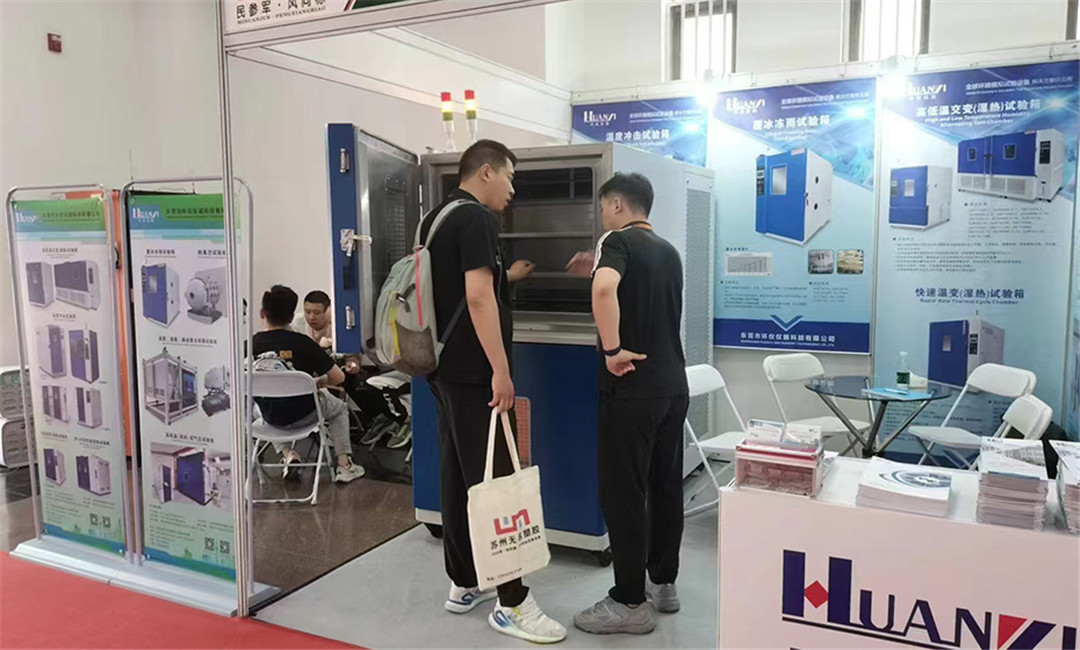
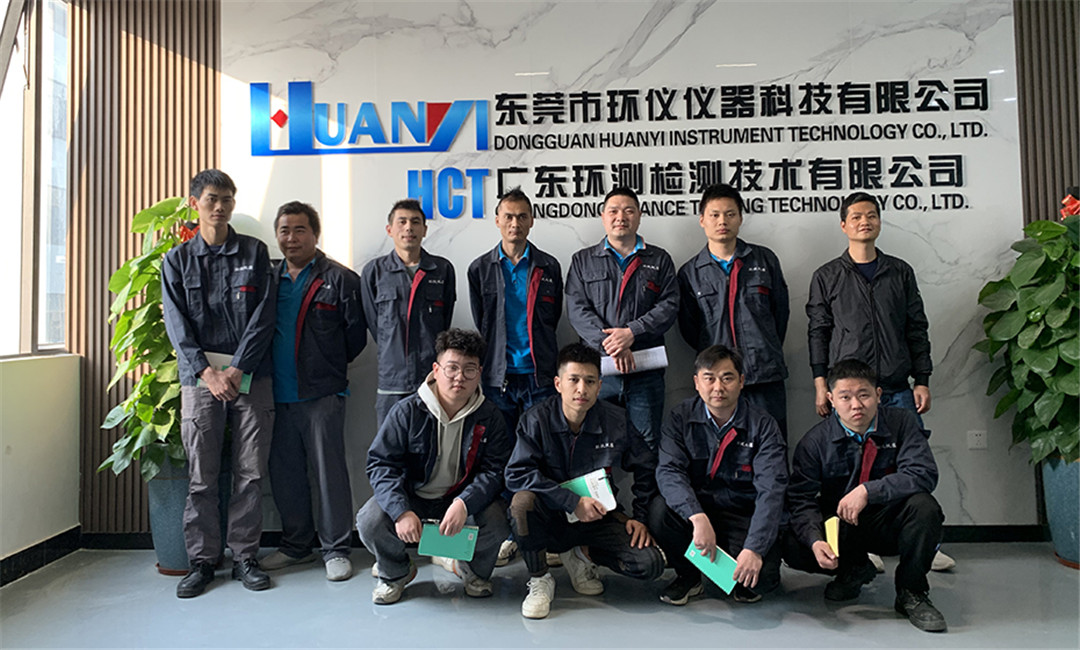
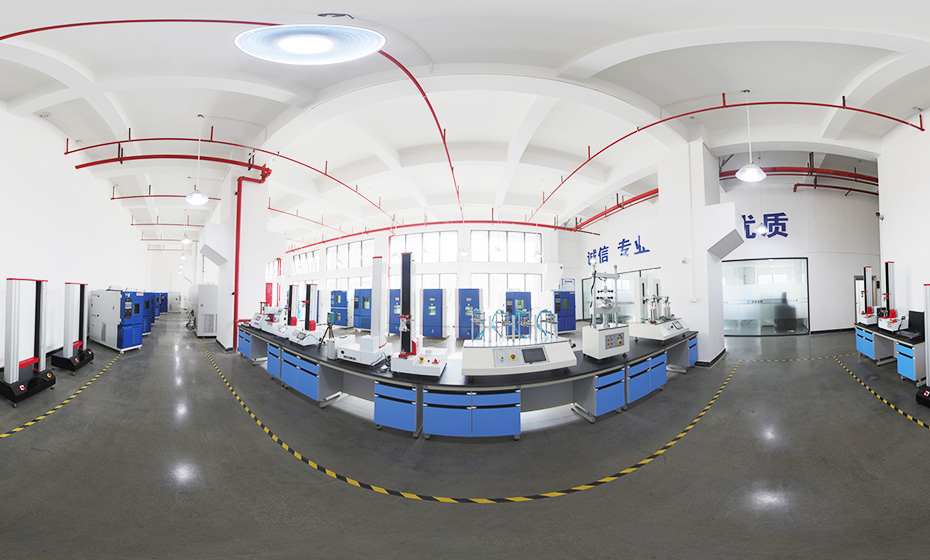
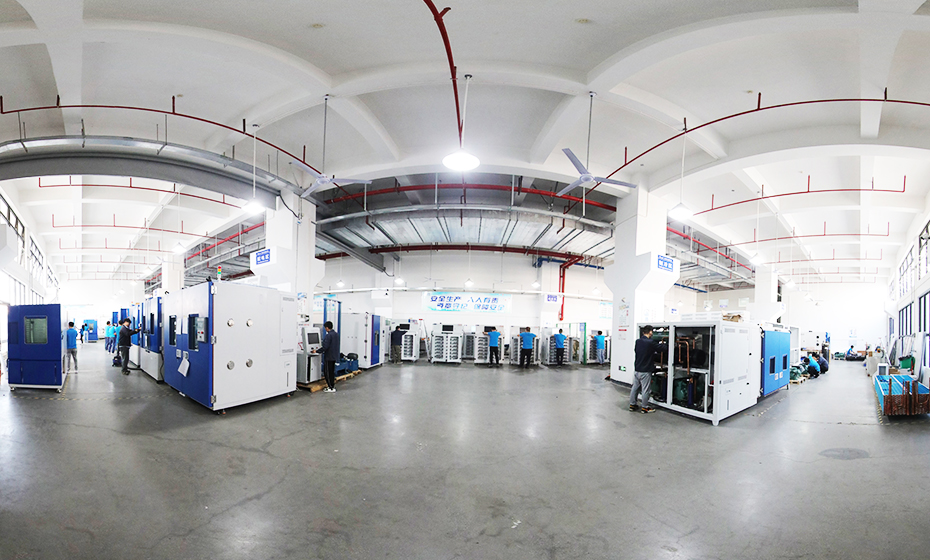
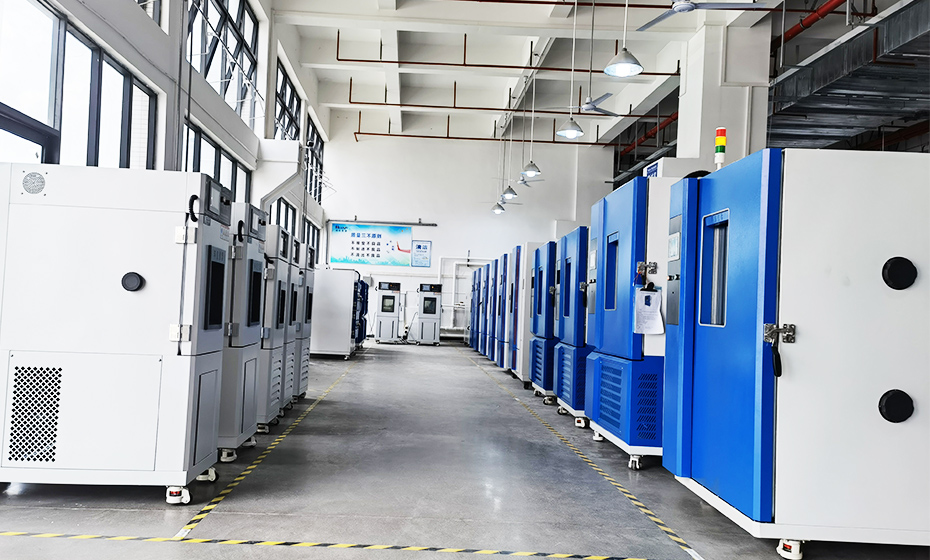
Take a tour of our office spaces, processing floors, and product demonstration areas.
Analyzing localized stress profiles across high-stakes industrial applications.
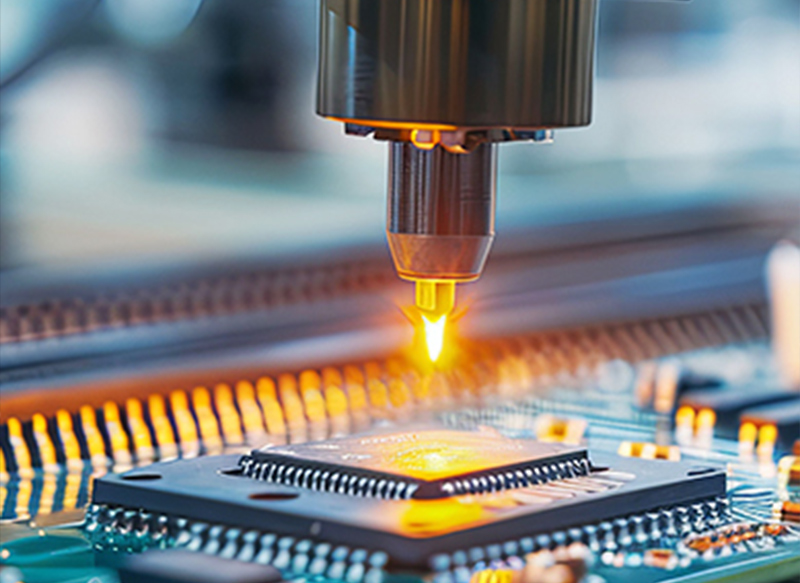
Silicon substrates and microchip packages are highly susceptible to interfacial shear stresses. Micro-cracking within solder ball arrays occurs when materials experience mismatched thermal expansion coefficients during rapid transitions. Testing in a 3-zone thermal shock chamber isolates these failure points under standardized test patterns.
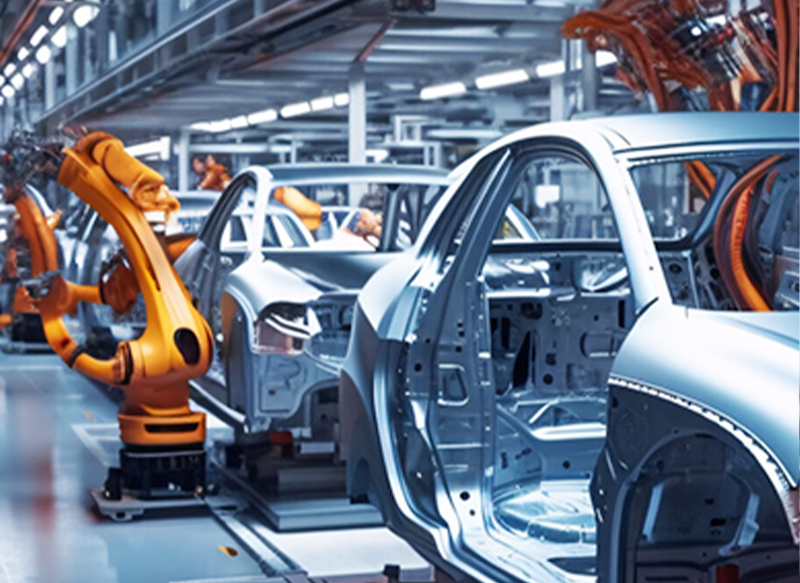
EV components are exposed to temperature extremes ranging from high motor-compartment operating heat to extreme sub-zero weather. Testing components like battery management systems (BMS), sensors, and power converters in custom-designed high-capacity shock chambers ensures vehicle safety and long-term durability.
Avionics systems must handle swift altitude transitions that trigger rapid thermal drops. Huanyi shock chambers simulate altitude transitions, matching military specifications (MIL-STD-810G/H) to ensure component stability in flight-critical environments.
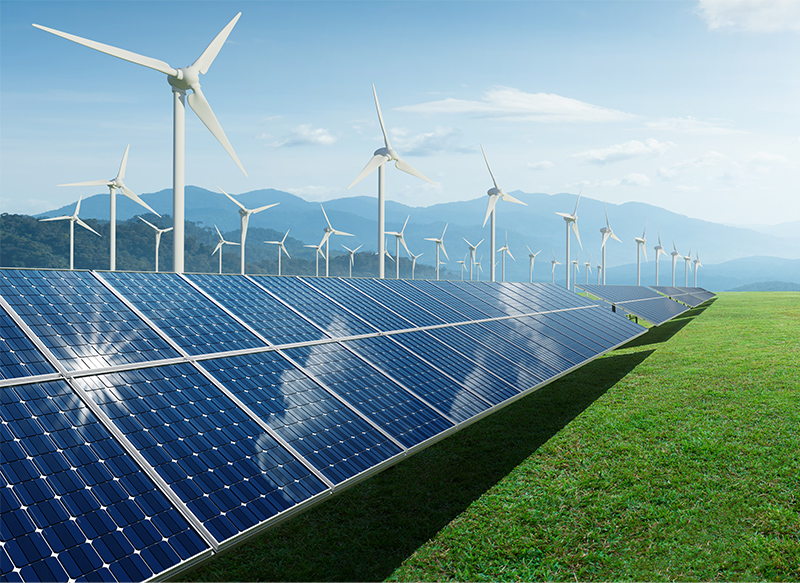
Outdoor 5G base transceiver stations are subject to extreme seasonal weather shifts. Design evaluation requires testing power amplifiers, outdoor filters, and connectors to verify structural integrity and signal transmission stability.




Technical guidance on environmental simulation and industry testing standards.
Temperature cycling features a controlled rate of temperature change (e.g., 5°C to 15°C per minute) using a single-chamber design. Temperature shock testing shifts the specimen between hot and cold conditions rapidly (often in seconds), yielding extreme stress profiles that reveal package cracks, seal failures, and expansion mismatches.
We configure high-capacity thermal storage reservoirs (both high-heat and extreme-cold zones) paired with large air-circulator fans. This configuration releases thermal energy into the testing chamber via dynamic pneumatic dampers, compensating for the thermal mass of the test load and maintaining stable, repeatable cycle curves.
Yes. We integrate our testing hardware with external software via RS-485, Ethernet, and GPIB interfaces. This enables centralized test control, remote data acquisition, and automated alarm systems, simplifying integration with your manufacturing execution systems (MES).
For hazardous testing, such as lithium-ion battery validation, we offer safety options including nitrogen inerting systems, explosion-proof blowouts, carbon monoxide gas sensors, spark-free heating elements, and automated mechanical door locks.
Industrial testing chambers configured for dust, rain, material strength, and specialized physical testing applications.
 Huanyi