Providing precision calibration and filtration validation solutions tailored for HVAC systems, automotive engineering, and industrial process protection.
As one of the most historically significant and rapidly industrializing areas in the Kingdom of Bahrain, Muharraq commands a strategic position in the Gulf region's trade, aviation, and logistics sectors. Home to the Bahrain International Airport and adjacent to massive heavy industrial operations, Muharraq faces unique environmental challenges that require high-performance, resilient air filtration infrastructure.
The combination of ambient dust storms (PM10 and PM2.5), high relative humidity from the surrounding Persian Gulf, and chemical emissions from nearby aluminum smelting, petrochemical, and marine services demands air filtration systems that perform flawlessly under extreme operating environments. Local industrial operators, data centers, cleanroom developers, and commercial facility managers must validate their filtration systems according to strict global compliance frameworks to ensure process security, human health, and hardware lifespan protection.
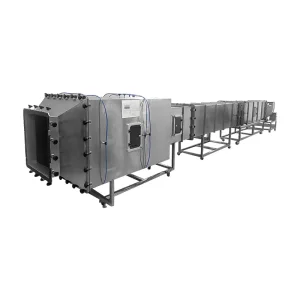
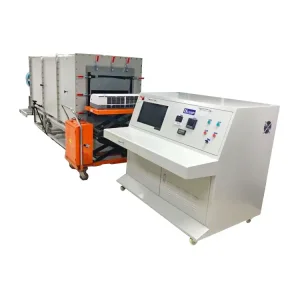
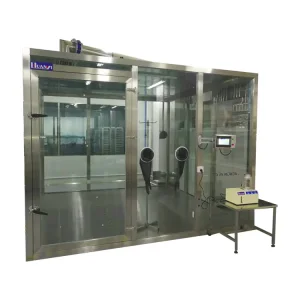
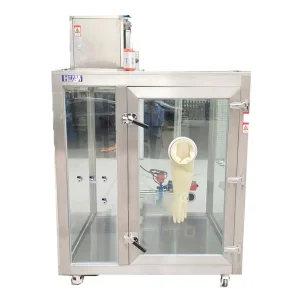
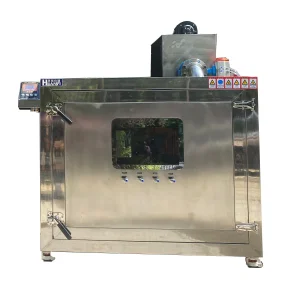
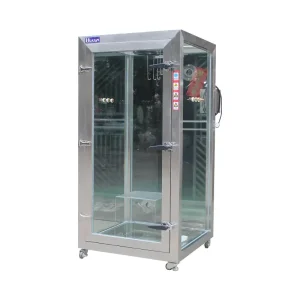
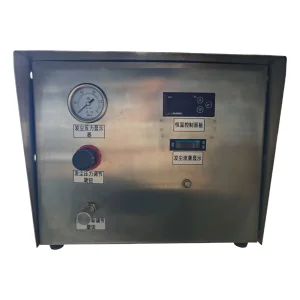
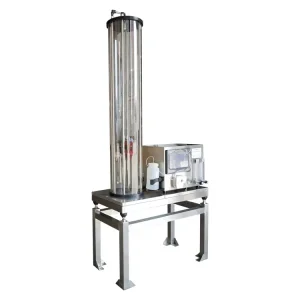
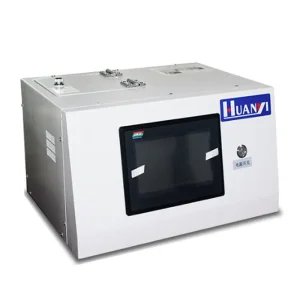
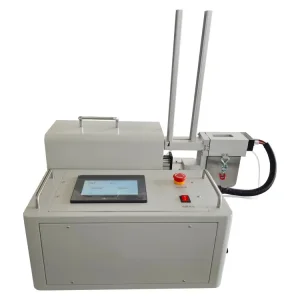
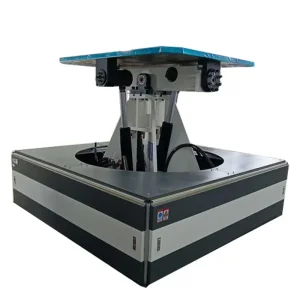
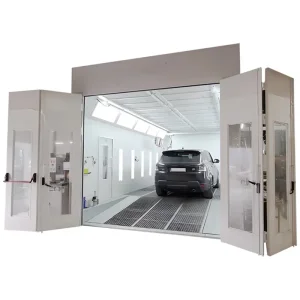
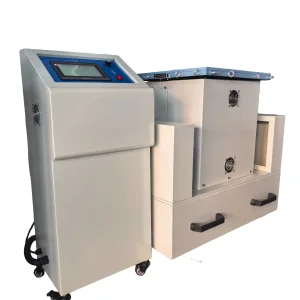
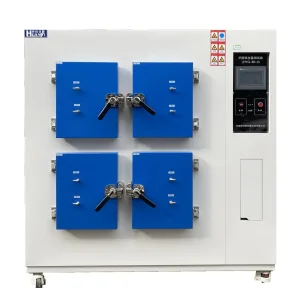
Our company specializes in delivering highly customizable, cutting-edge Air Filter Test Machines designed to simulate these exact environmental stress factors. Our systems enable domestic and global developers in the region to test and certify their air processing media against rigorous metrics before field deployment.
Industrial applications in Muharraq necessitate filtration validation capable of resisting marine aerosol corrosion and extreme fine-particulate clogging.
Validation Accuracy
Standard Alignment
Simulated Ambient Temperature
Region Ready Systems
The global filtration sector has transitioned from old empirical metrics to comprehensive, multi-phase performance metrics. In commercial environments, the reliance on basic static particle-retention counts is replaced by the ISO 16890 standard. This framework classifies air filters based on fractional efficiency against specific particulate matter size categories: ePM1, ePM2.5, and ePM10. By requiring filters to be tested in their natural, uncharged state, this methodology ensures that field performance reflects actual laboratory data.
Air filtration is not only about trapping particulate contaminants; it is also about maintaining system energy efficiency. The pressure drop across a clean or loaded filter directly correlates to fan power consumption. Our Air volume test benches and fan power performance test chambers allow developers to graph flow resistance versus dust loading, enabling the calculation of Lifecycle Cost (LCC) and total energy footprints.
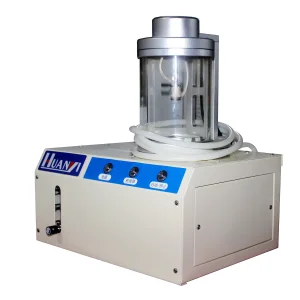
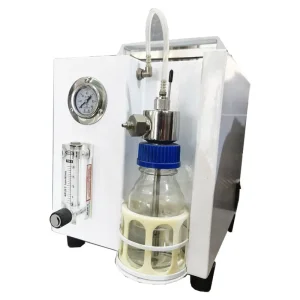
For high-reliability facilities such as pharmaceuticals, microelectronics factories, and medical operating rooms, standard industrial filters are insufficient. High-Efficiency Particulate Air (HEPA) and Ultra-Low Penetration Air (ULPA) filters are mandatory. Our specialized test chambers enable exact sizing and localized leak checking using advanced aerosol generators (e.g., Sodium Chloride, Potassium Chloride, and Liquid Aerosols). This level of testing ensures that every filter element complies with local GCC Civil Defense safety protocols and global cleanroom standards.
Certified compatibility with ISO 16890, EN 1822, ASHRAE 52.2, and ISO 29463 testing protocols.
Fully integrated thermal and humidity controllers designed to reproduce extreme GCC dry and coastal conditions.
Built with robust stainless steel chambers and modular duct systems to withstand high-volume, automated testing cycles.
Discover the history and quality assurances of Dongguan Huanyi Instruments Technology Co., Ltd. — Your trusted global partner in environmental simulation engineering.
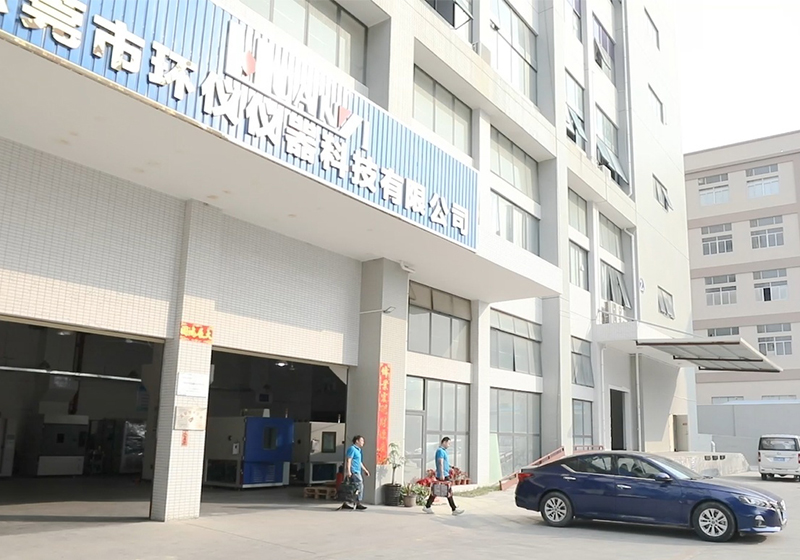
Dongguan Huanyi Instruments Technology Co., Ltd. was established on March 20, 2007, covering an area of 6,022 square meters. We are a high-tech enterprise integrating R&D, production, sales, and after-sales service. Demonstrating our leadership in the sector, we actively participated in the drafting of national standards and industry standards for environmental simulation test equipment.
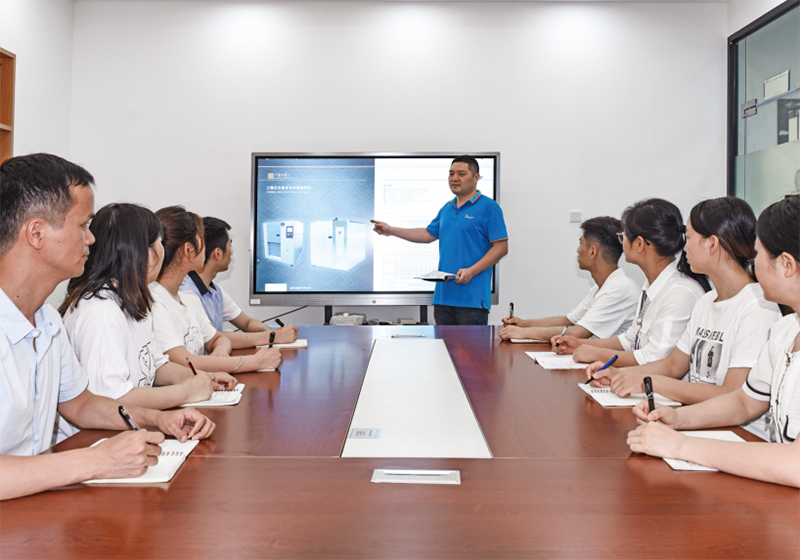
Our guiding philosophy is "customer-centric, quality-guaranteed, honesty-based, and innovation-oriented". Through years of persistent effort, Huanyi has built a highly qualified team with extensive production, R&D, and quality management experience.
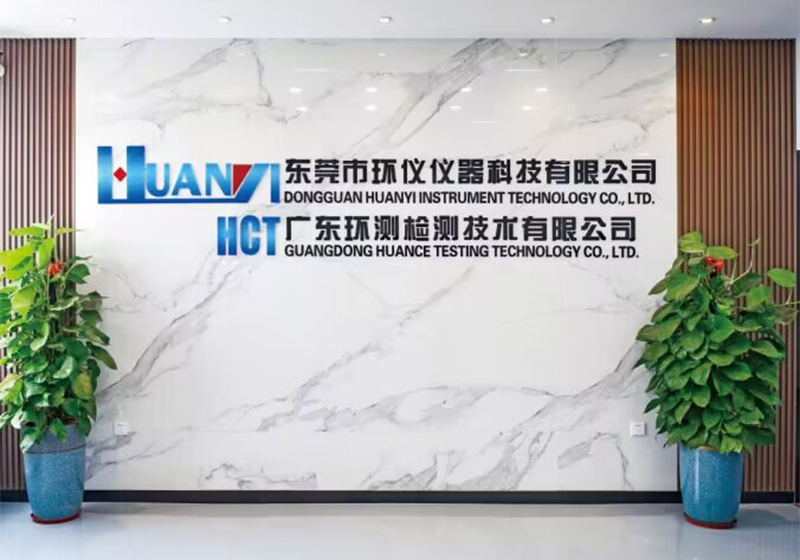
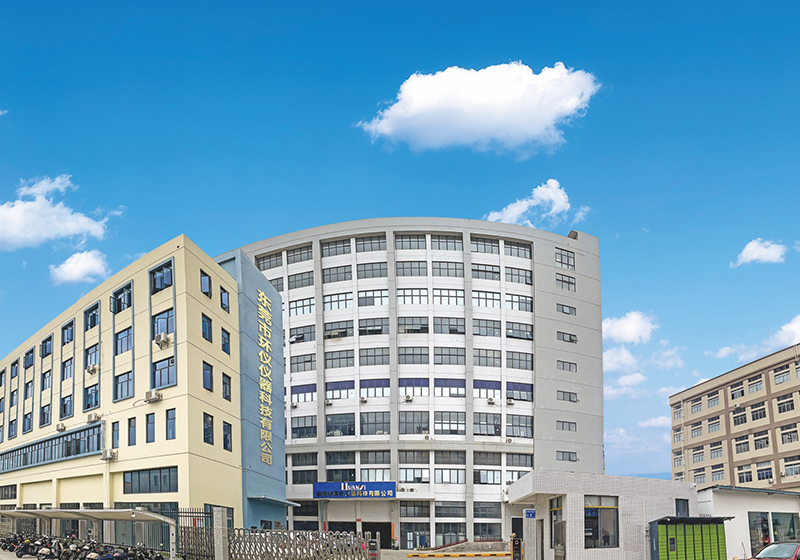
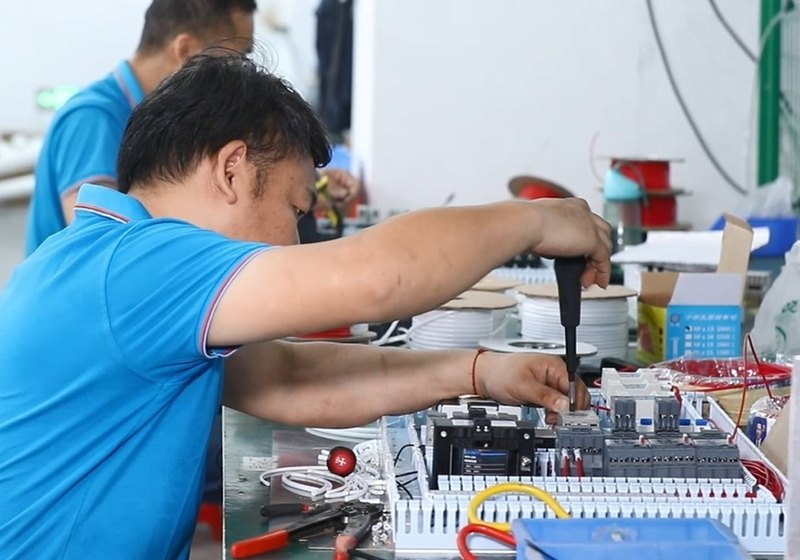
Strict quality control processes implemented across all manufacturing stages, from raw material inspection and mechanical assembly to final sensor validation and commissioning.
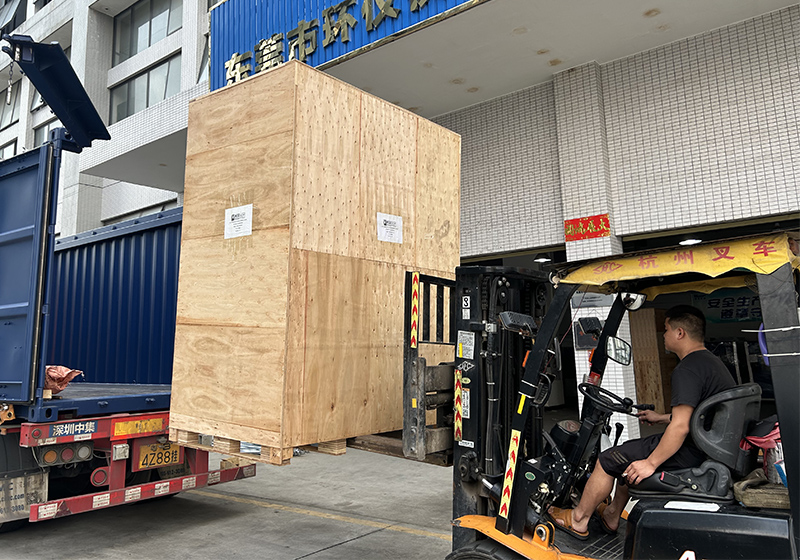
Over 20 years of hands-on R&D and manufacturing experience. We utilize integrated ERP systems to monitor production and guarantee on-time shipping for large-scale orders.
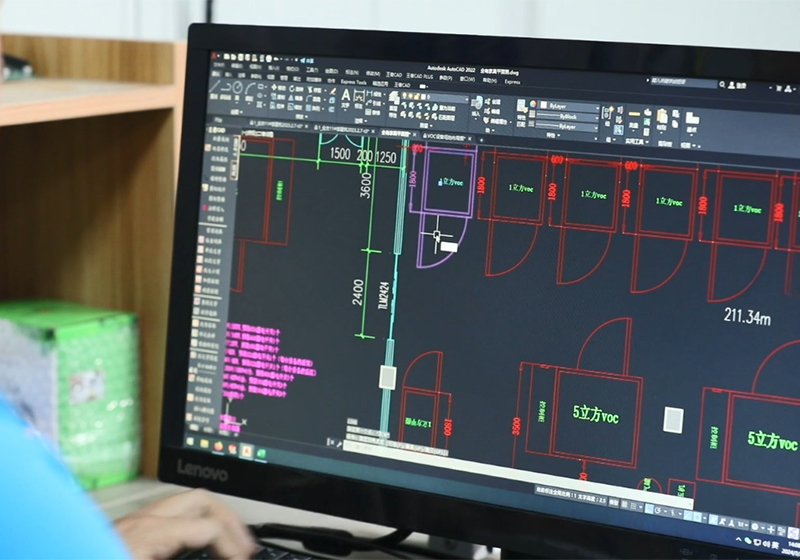
Advanced laser metal cutting tools, modern wood machining centers, automatic cutting equipment, and standardized ERP controls minimize raw material waste and guarantee structural tolerance precision.
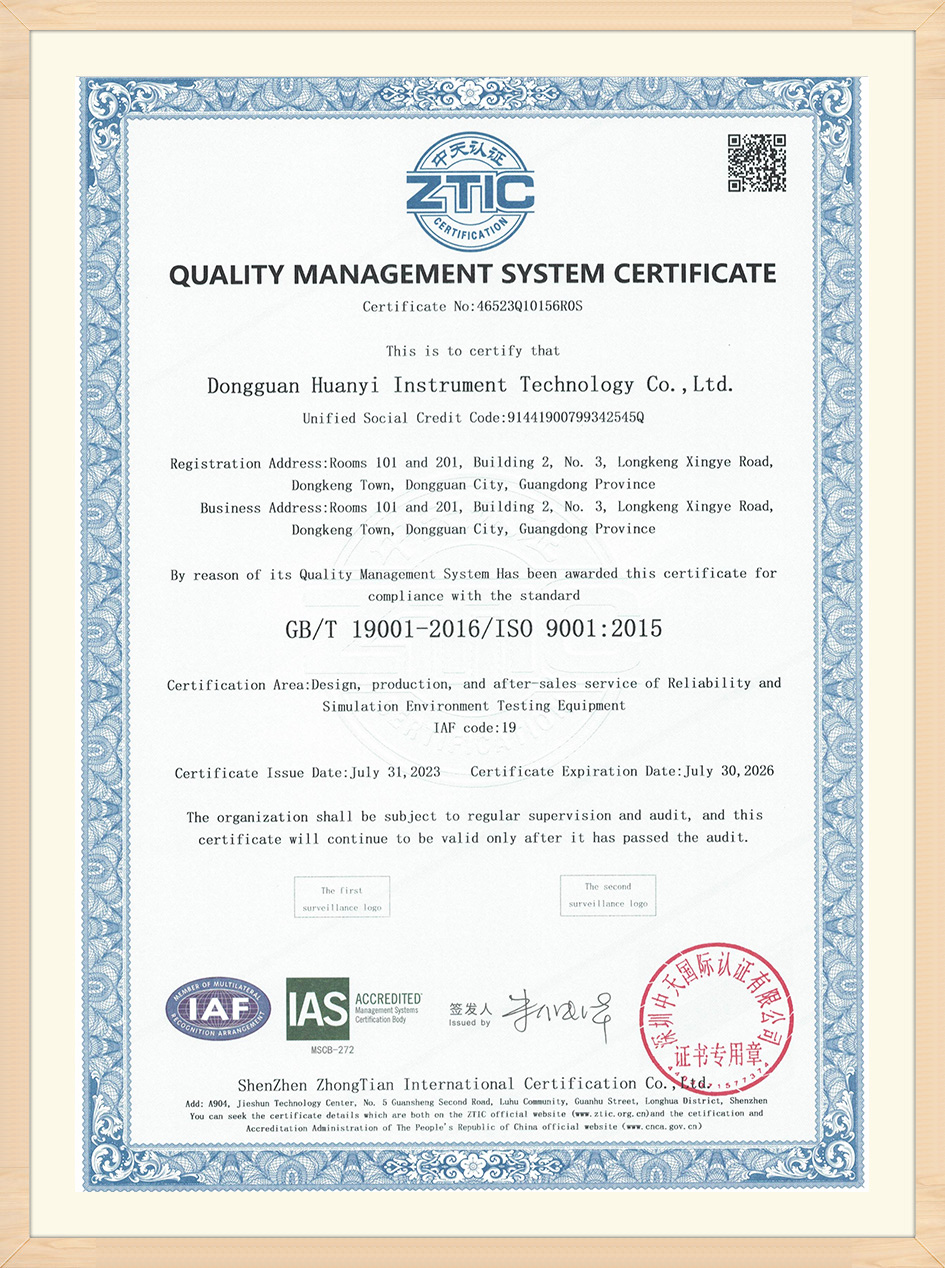
Operating under ISO 9001 certified manufacturing standards. We use high-quality raw materials to deliver durable, eco-compliant systems backed by responsive support.
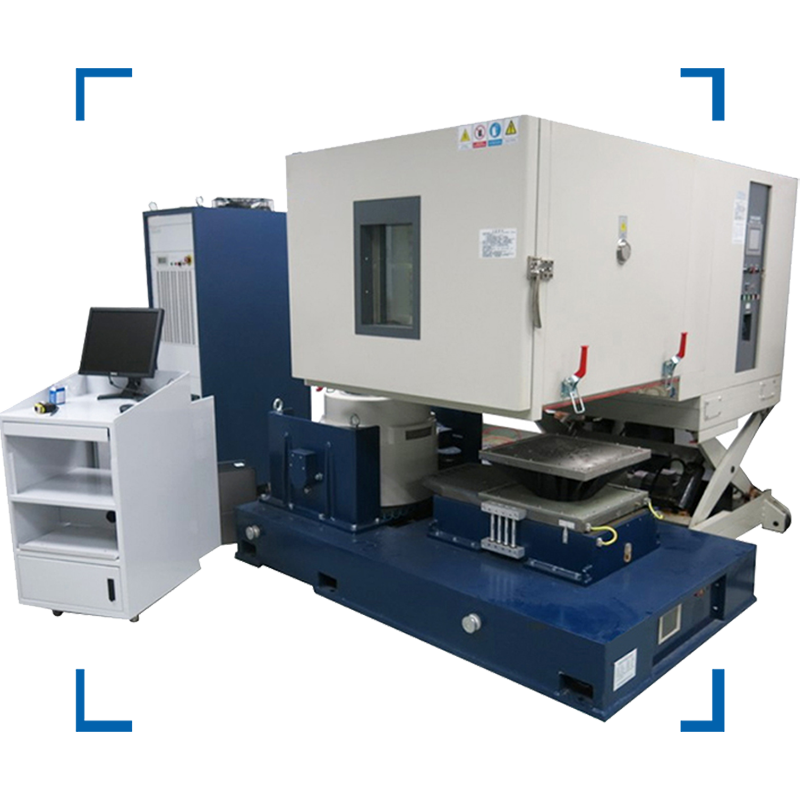
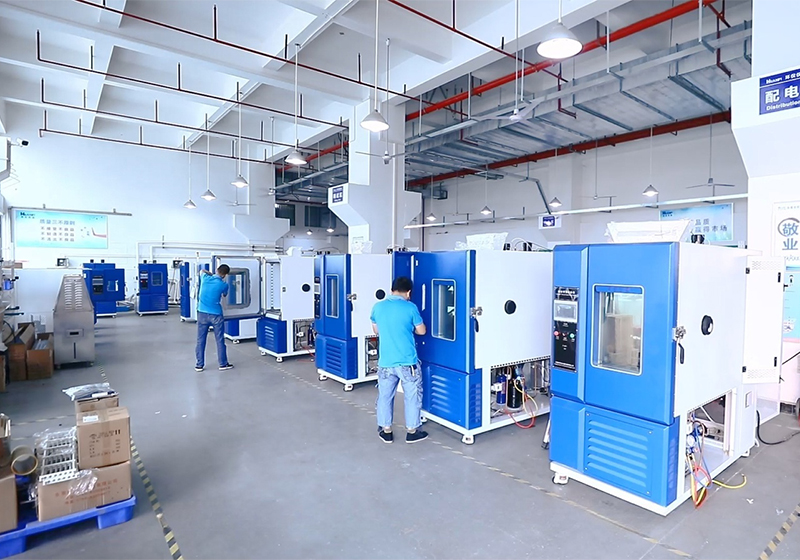
To ensure high quality and long-term durability, we source our core system components from leading global brands. Explore our modern assembly facilities, testing bays, and product warehouses.
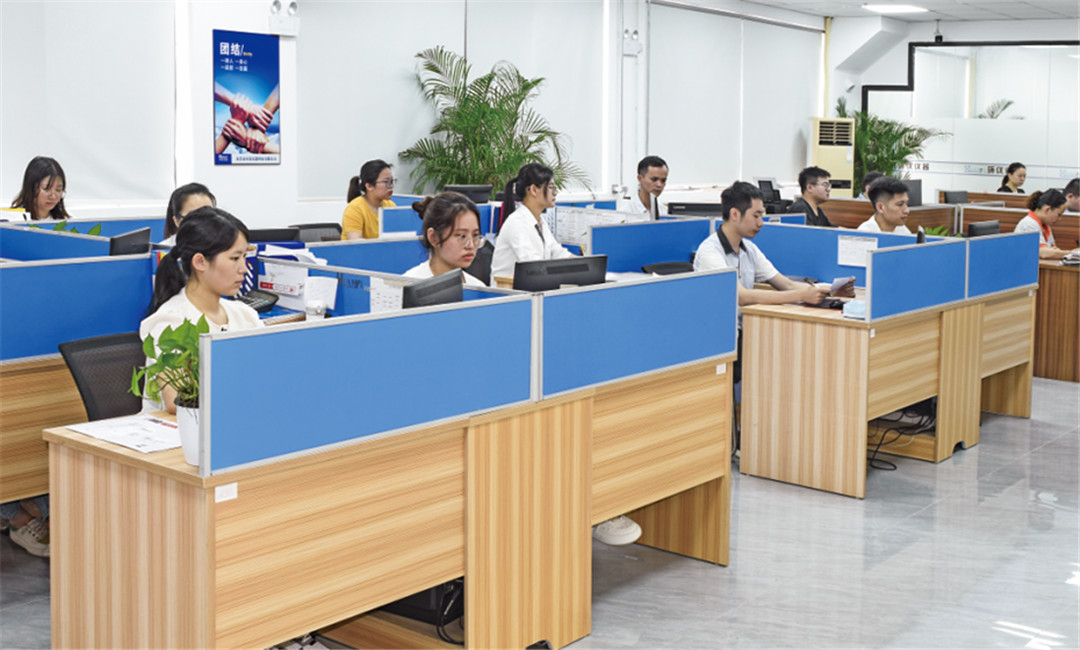
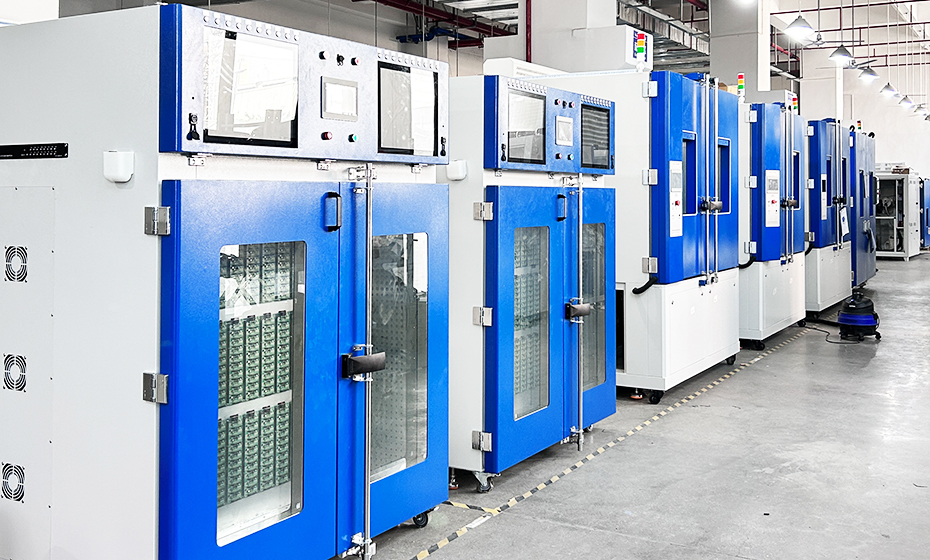
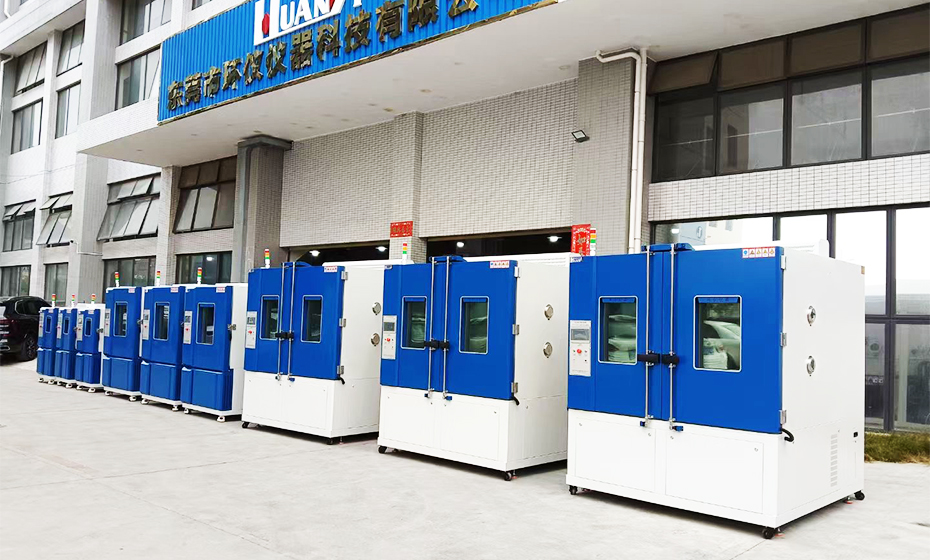
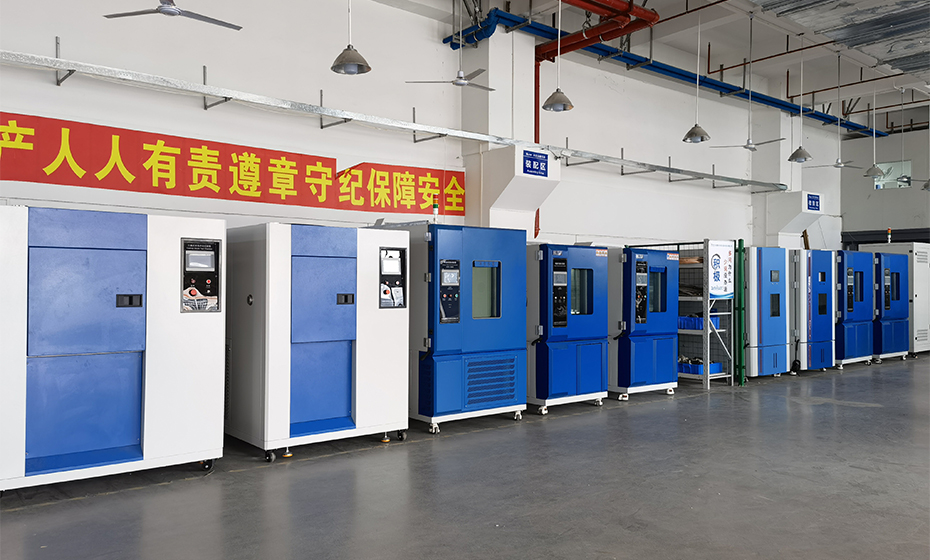
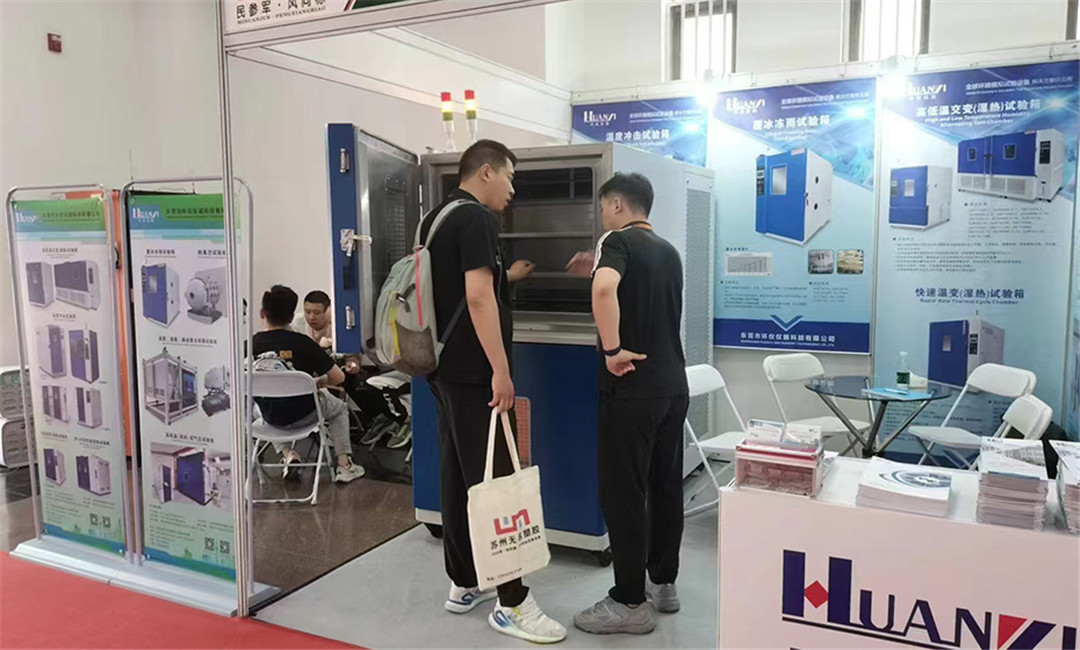
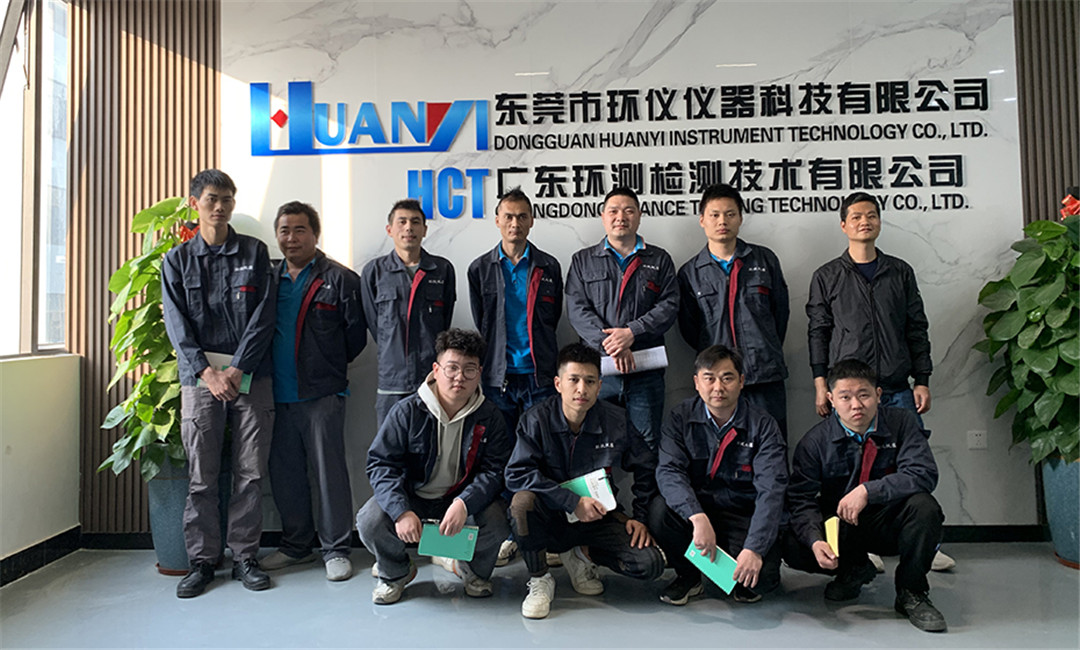
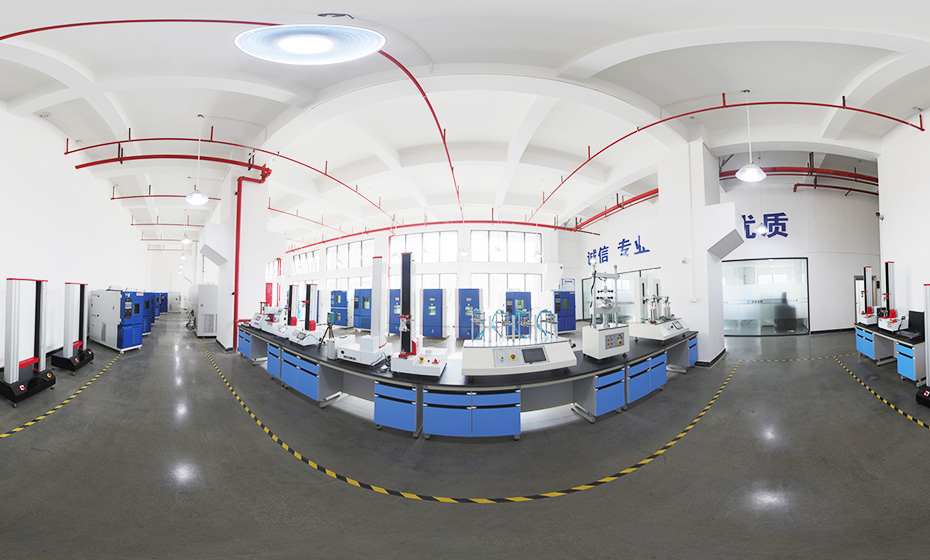
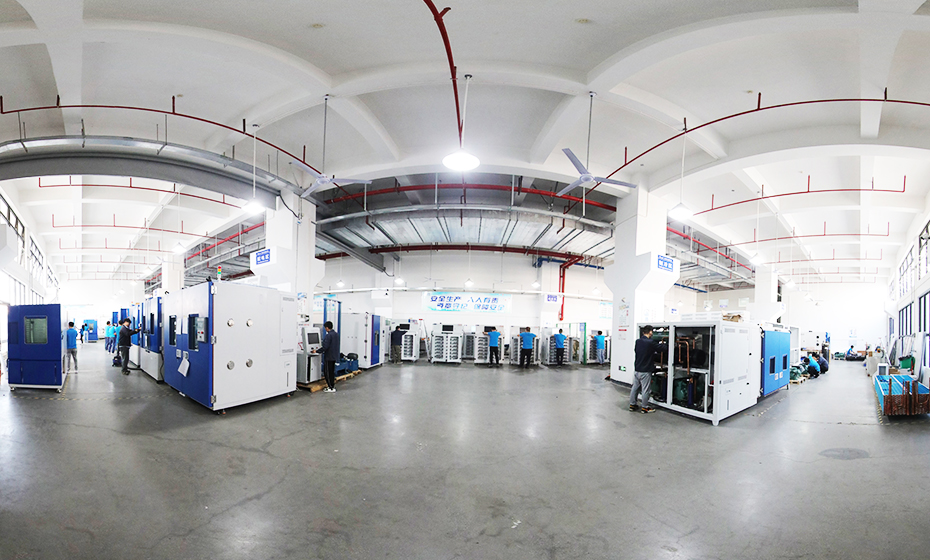
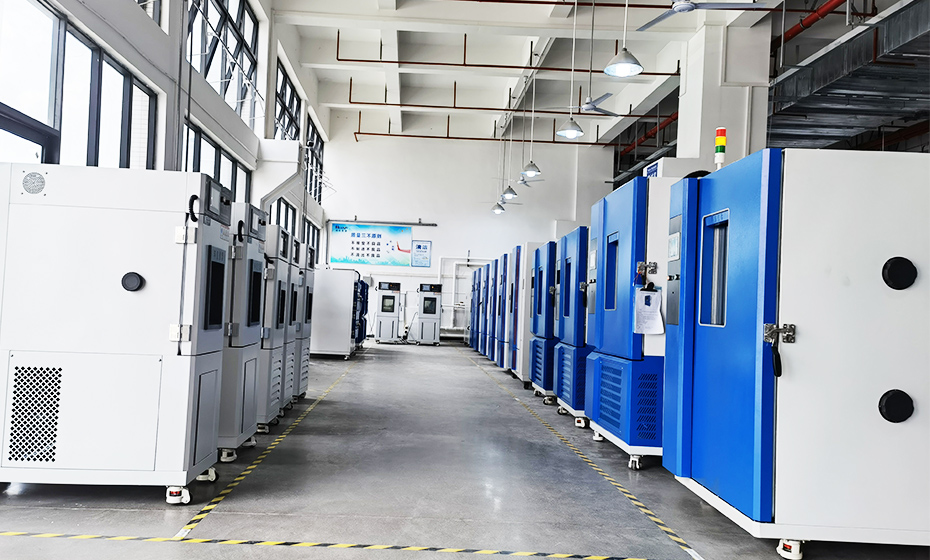
A continuous path of engineering excellence, technical research, and global growth since 2007.
Dongguan Huanyi Instrument Technology Co., Ltd. was established, initiating research and production of climatic simulation cabinets.
Established the Jiangsu Regional Office to support growing domestic market demands.
Established the Xi'an and Chongqing regional support centers, improving local response times.
Expanded local presence with new offices in Shanghai and Beijing.
Established our Digital Sheet Metal Center, streamlining fabrication quality and cycle times.
Successfully passed the ISO 9001:2015 Quality Management System certification process.
Recognized as an official High-Tech Enterprise for consecutive years. Participated in drafting national environmental testing equipment standards (e.g., GB5364, GBT50325).
Established our dedicated laboratory facility: Guangdong Huance Testing Technology Co., Ltd.
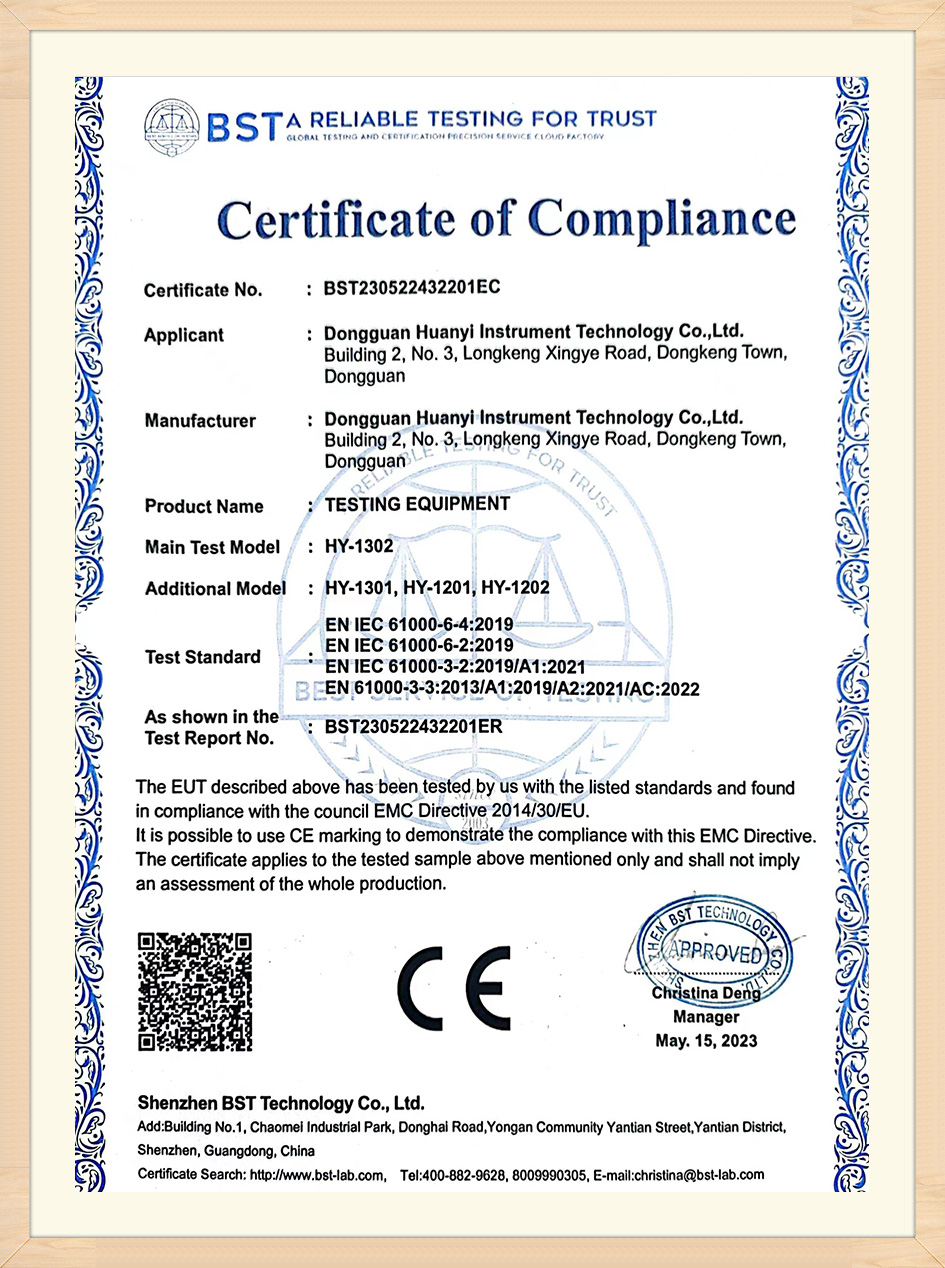
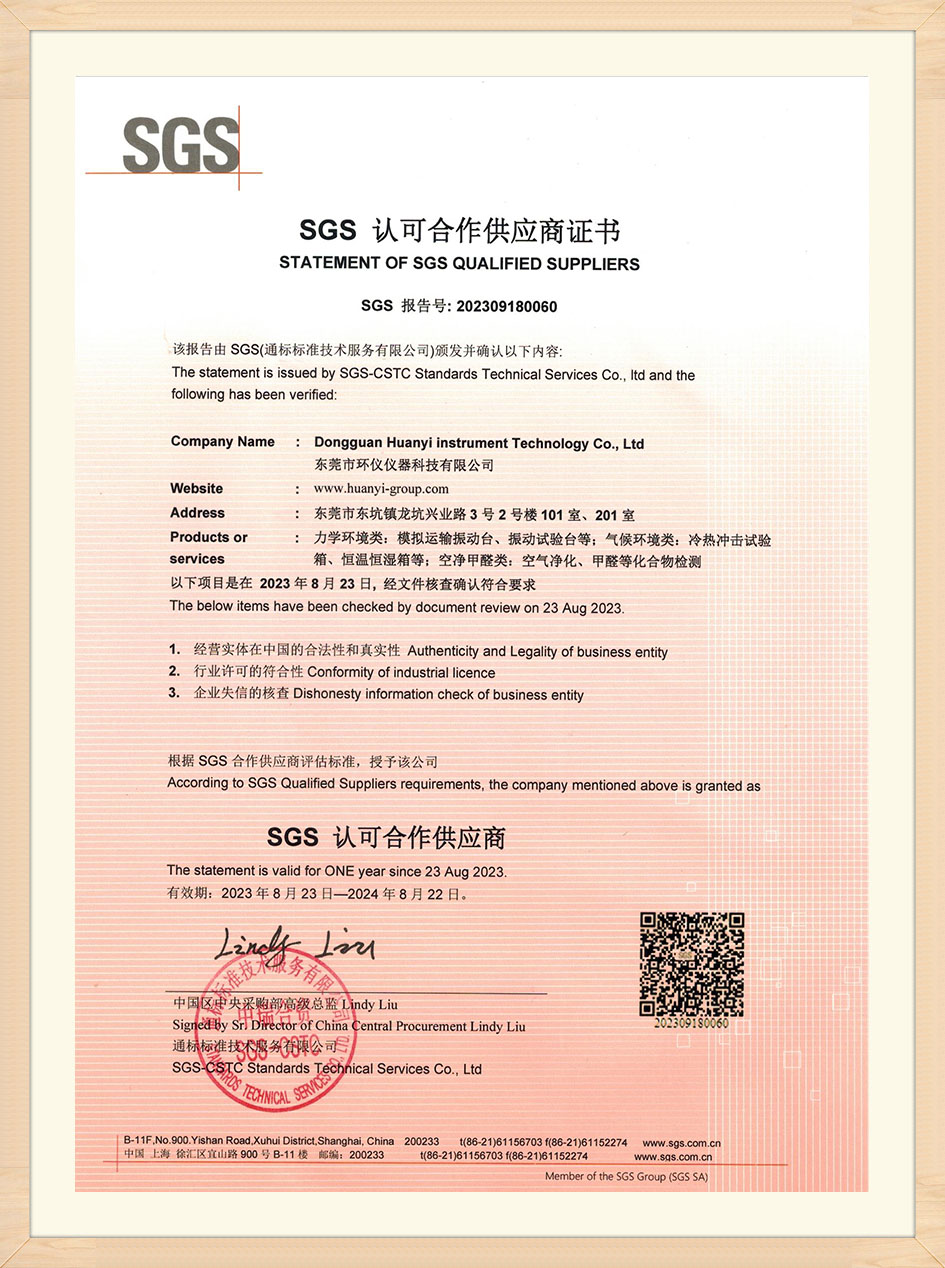
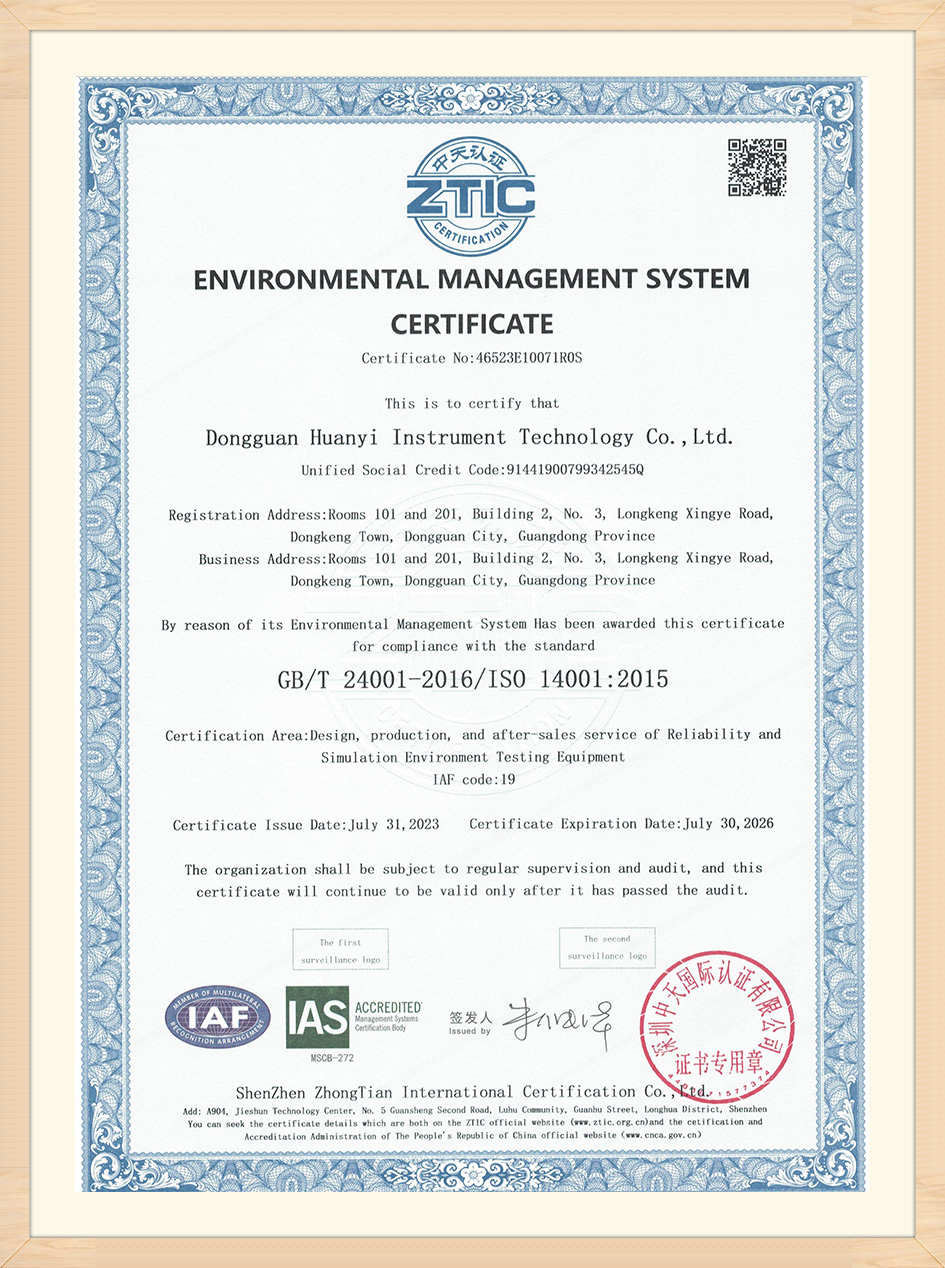
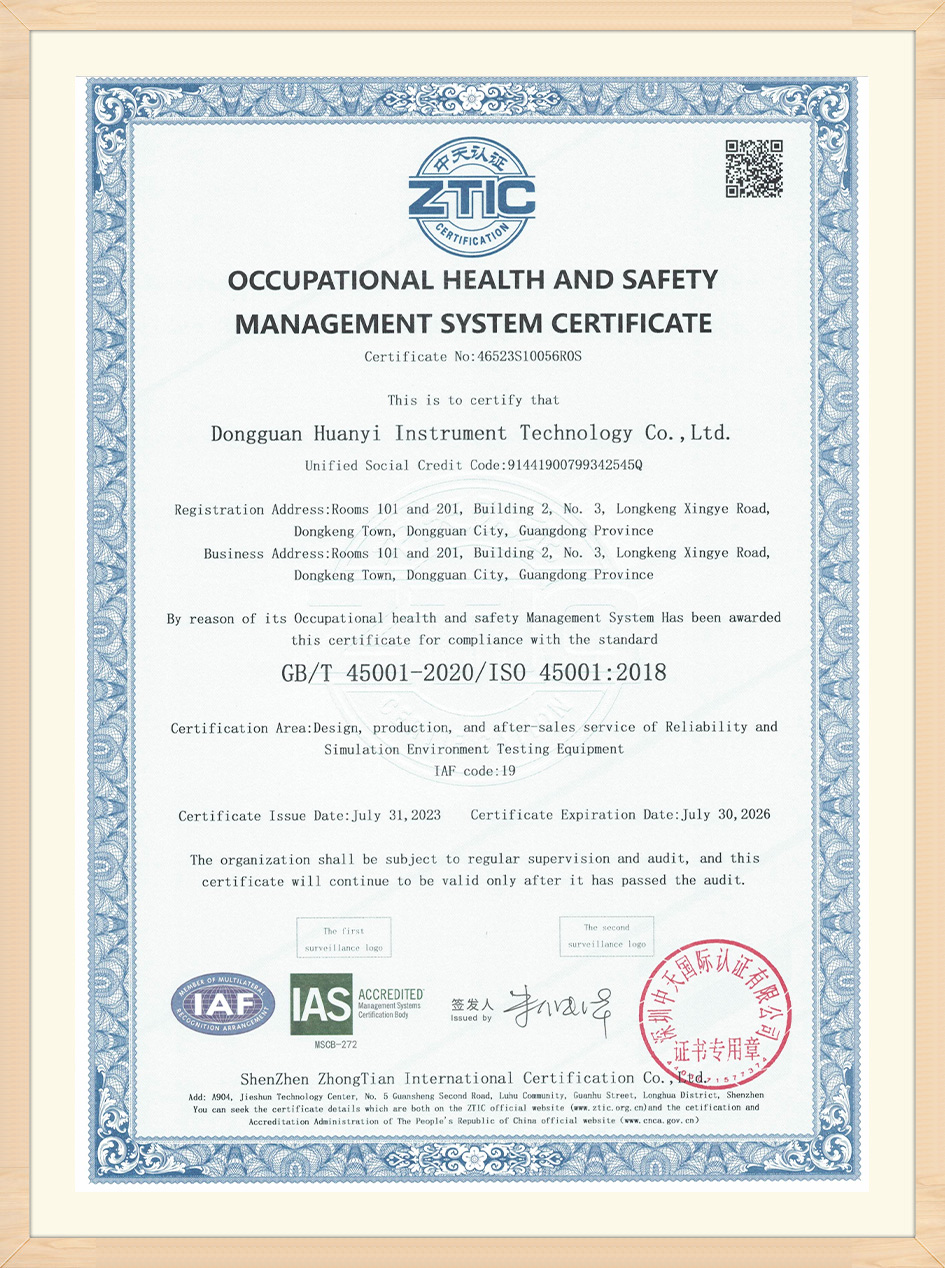
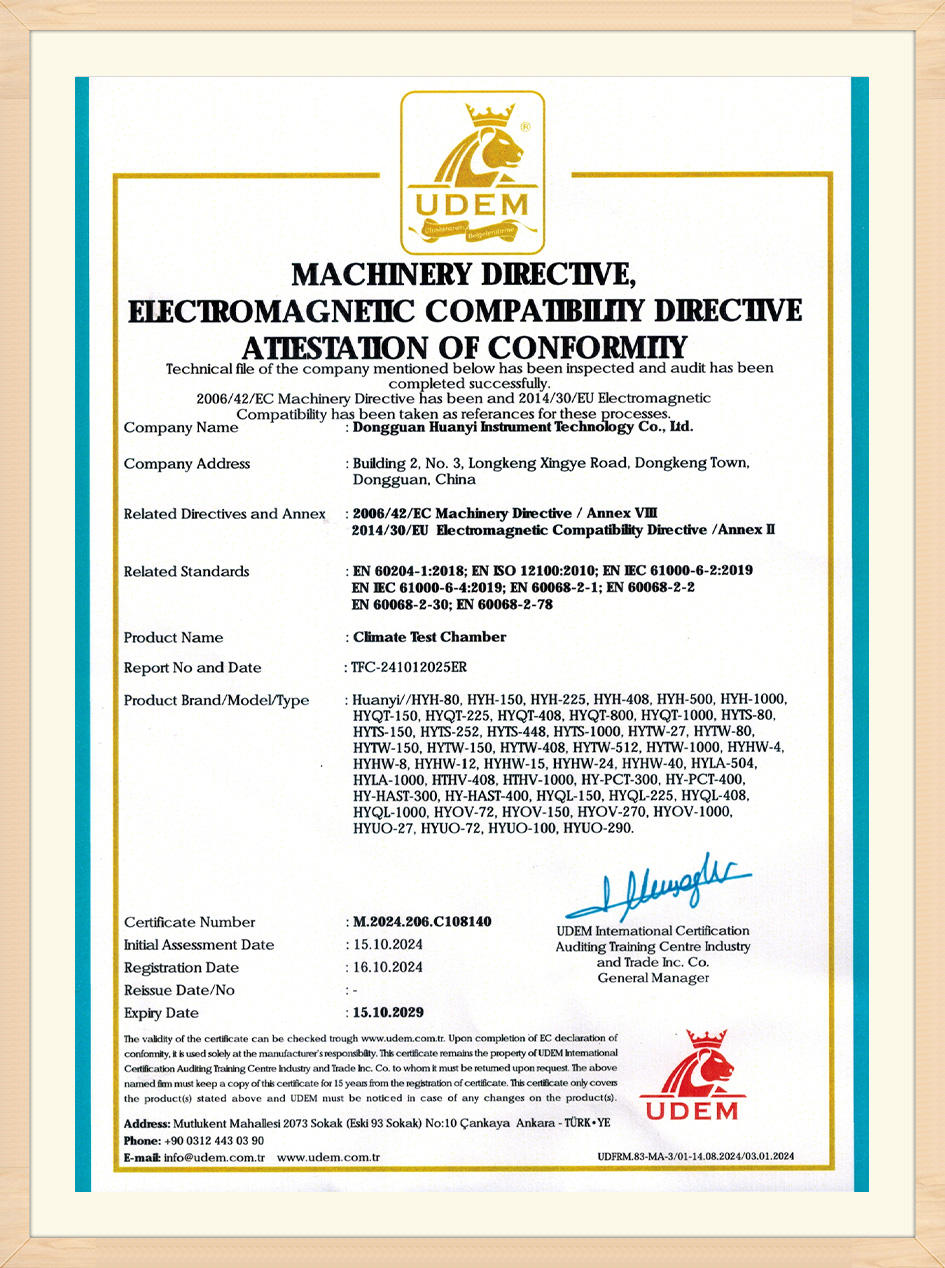
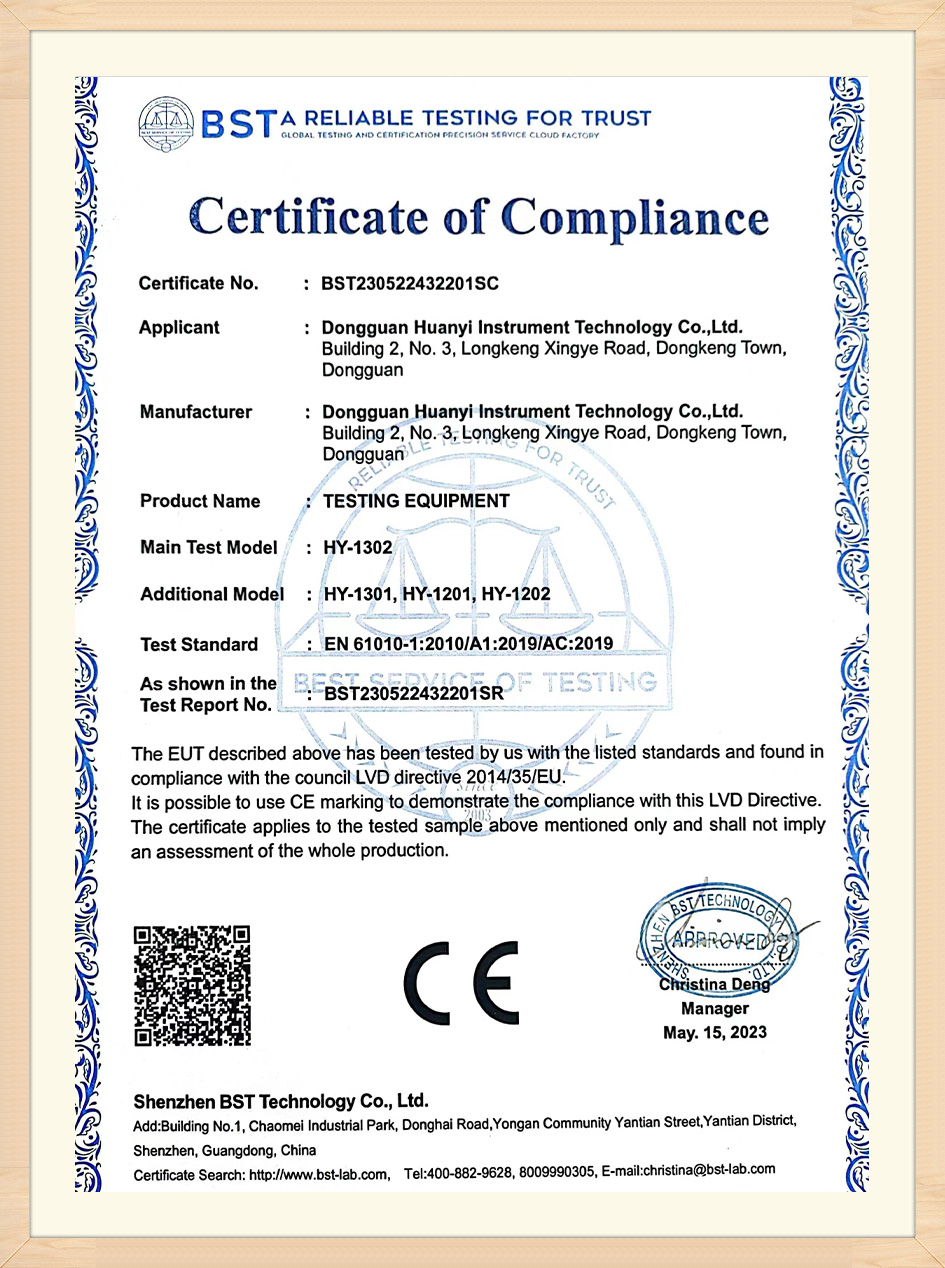
Our environmental and air filtration test systems comply with major international and local GCC certification requirements, ensuring reliable performance in harsh environments.
Our environmental chambers and testing systems are used in diverse industries worldwide, from telecom infrastructure validation to quality control lines.




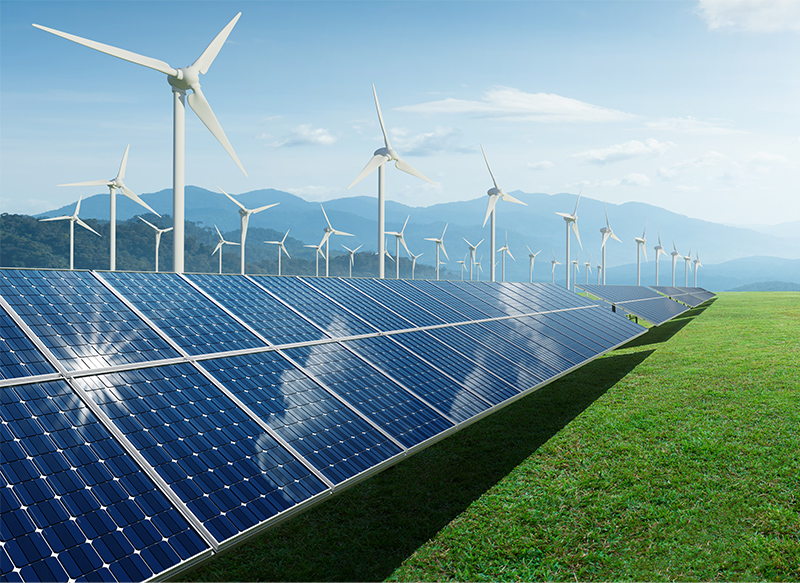
Industrial testing parameters must adapt as global carbon reduction policies and air pollution standards evolve. We are actively developing next-generation testing benches focused on several key performance areas:
Traditional manual scanning for local leak testing on large HEPA filters is time-consuming and subject to human error. Our upcoming product updates introduce automated XY-axis scanning grids using high-sensitivity light scattering photometers. This system automatically pinpoints coordinates of structural leaks smaller than 0.01% of total flow concentration.
In municipal zones like Muharraq, filters must process chemical gases and particulates simultaneously. We are expanding our 30-cubic-meter purifier testing chambers to include simultaneous dosing of VOCs, bio-aerosols, and fine dust. This enables the evaluation of gas-phase media performance alongside physical particulate filtration.
Understanding real-world fan power draw during dust loading helps operators optimize system performance. Our systems integrate variable frequency drives (VFDs) and high-precision pressure drop transmitters to automatically calculate energy consumption changes during filter clogging, providing valuable data for long-term HVAC planning.
Get answers to common technical queries about air filter testing standards, operation parameters, and localized support in Muharraq.
ISO 16890 is the standard for general ventilation filters (coarse up to ePM1 efficiency), assessing performance against specific particulate sizes (PM1, PM2.5, PM10) in both charged and discharged states. EN 1822 (and the companion ISO 29463) specifically governs high-efficiency filters (EPA, HEPA, ULPA) and requires determining the Most Penetrating Particle Size (MPPS) as well as verifying absolute local leakage thresholds.
Our environmental simulation systems are constructed with high-grade 316L stainless steel interiors and double-wall insulated panels. Humidity and temperature control loops feature corrosion-resistant coatings, allowing operators to run accelerated loading tests under high-humidity and high-salinity conditions without damaging the test cabinet's structure.
Yes. Our modular design allows operators to integrate multiple aerosol generators (such as DEHS/PAO liquid aerosols, Sodium Chloride generators, and Potassium Chloride generators) into the main test loop. This enables flexible configuration adjustments to meet diverse testing requirements across automotive cabin, cleanroom, and residential ventilation standards.
Yes. Through our international sales networks and experienced engineering teams, we provide on-site assembly, integration, and calibration support. Our systems are calibrated using instruments traceable to international standards, ensuring your local testing lab remains compliant with regional audit requirements.
Standard system configurations generally ship within 8 to 12 weeks. Fully customized test chambers with specific dimensions, automated scanning setups, or custom software integration may require 14 to 18 weeks, which includes extensive quality assurance testing before final export packaging.
Explore our full range of aerosol generators, climatic chambers, and structural test benches built to global compliance standards.
Partner with Dongguan Huanyi Instruments Technology Co., Ltd. for precise, high-performance environmental testing equipment configuration.
Get a detailed project estimate and standard configuration details from our sales engineers today.
Send Inquiry Now Huanyi