Custom Vehicle Screen Aging Cabinet Manufacturers, Supplier

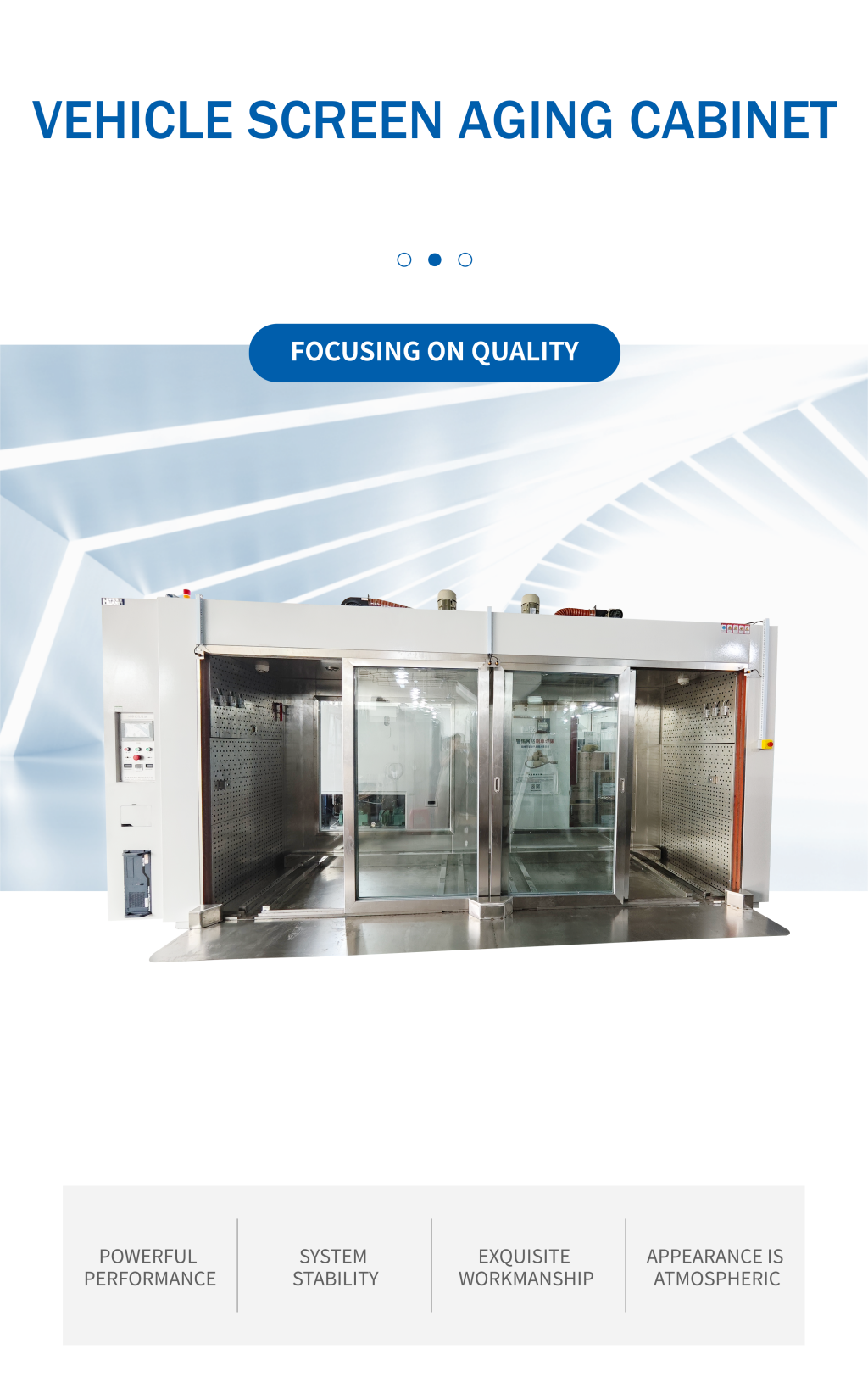
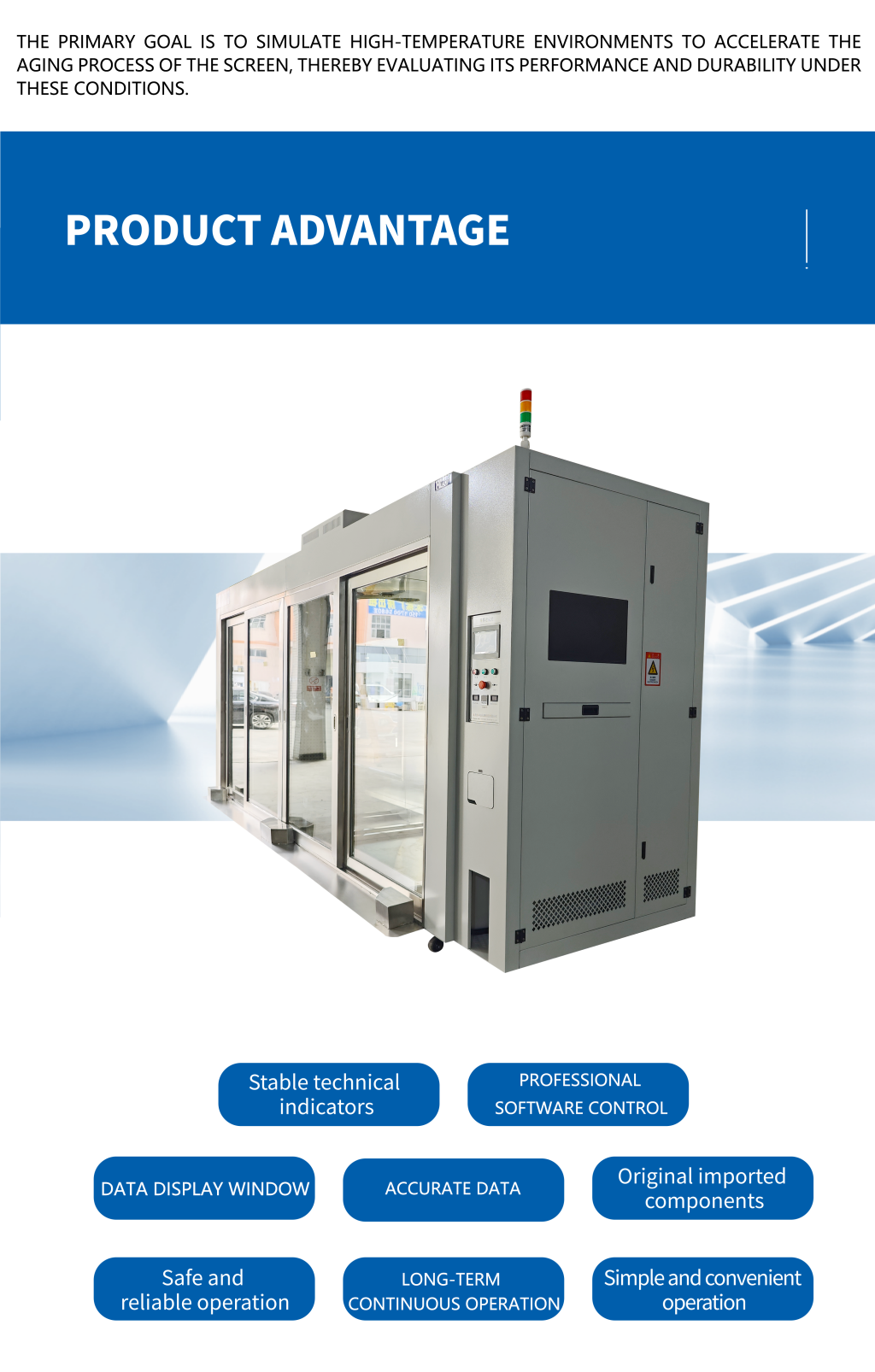
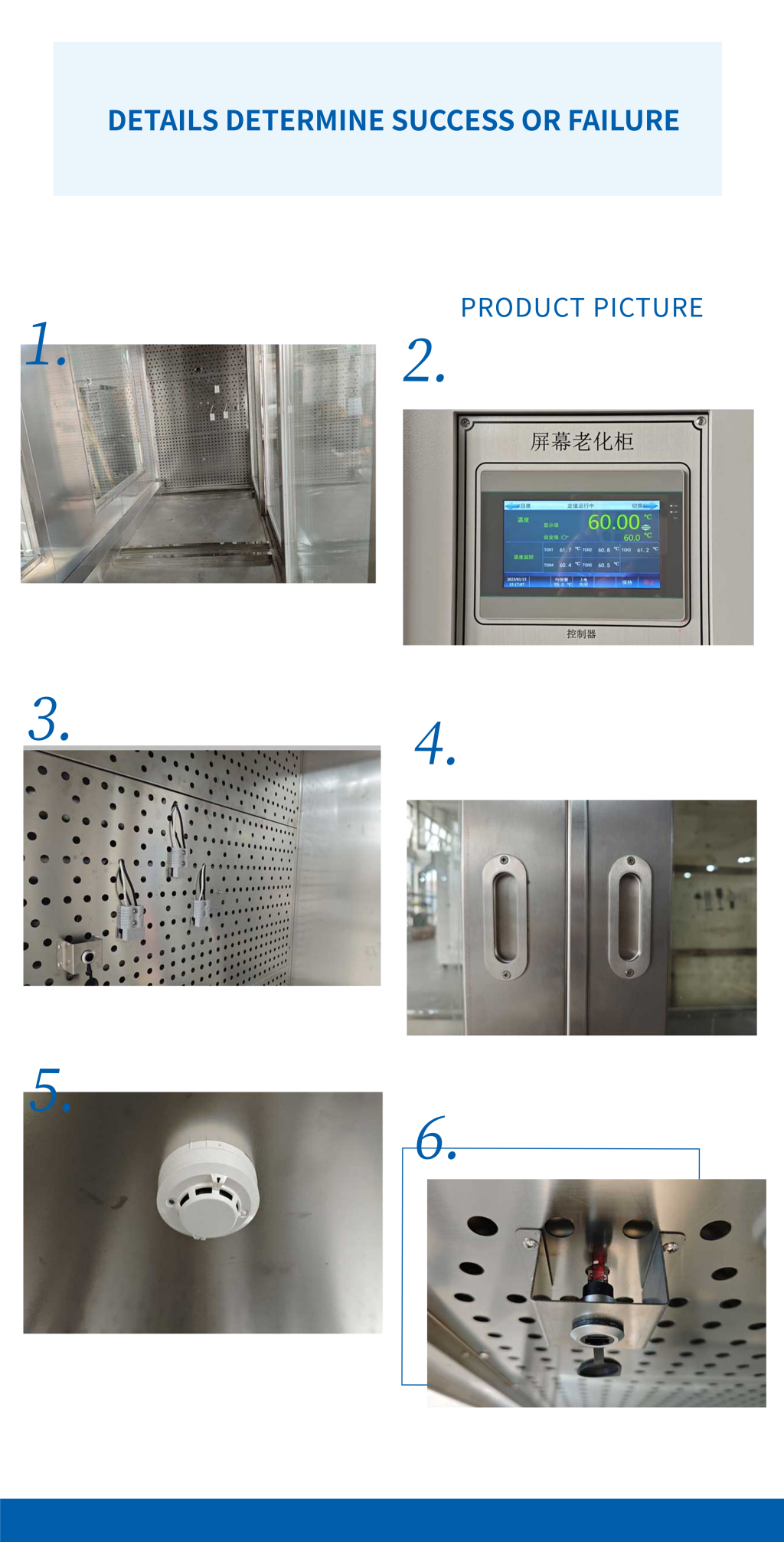
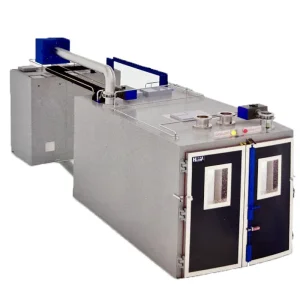
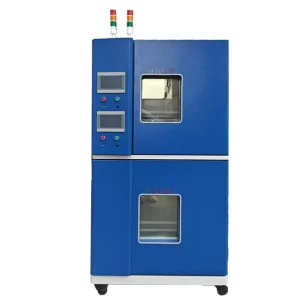
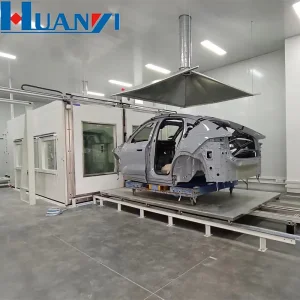
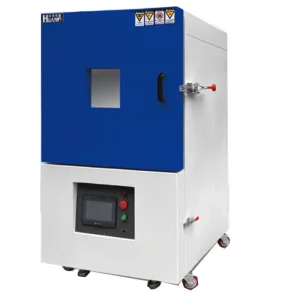
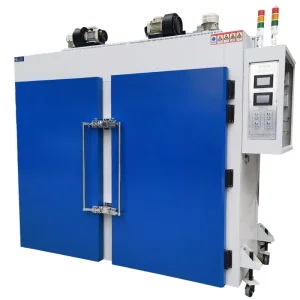
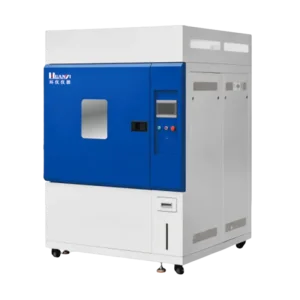
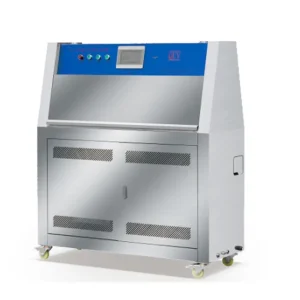
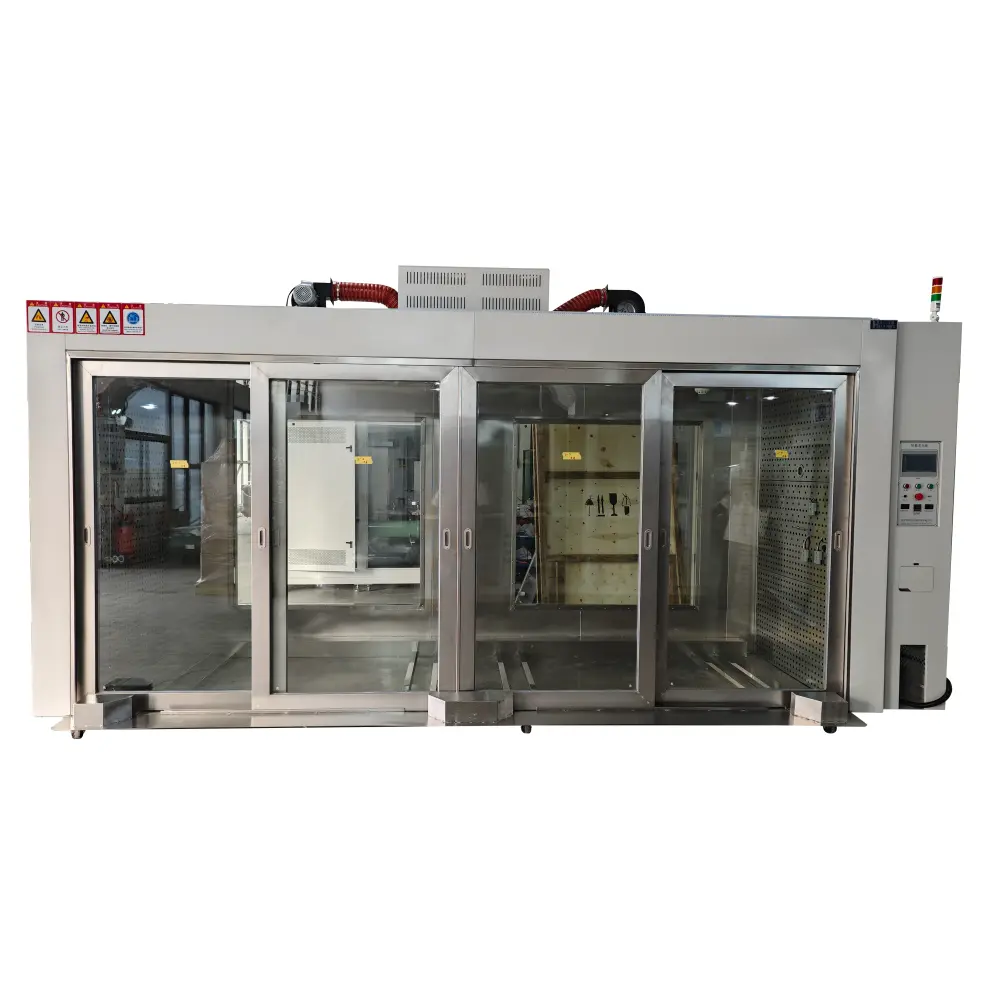
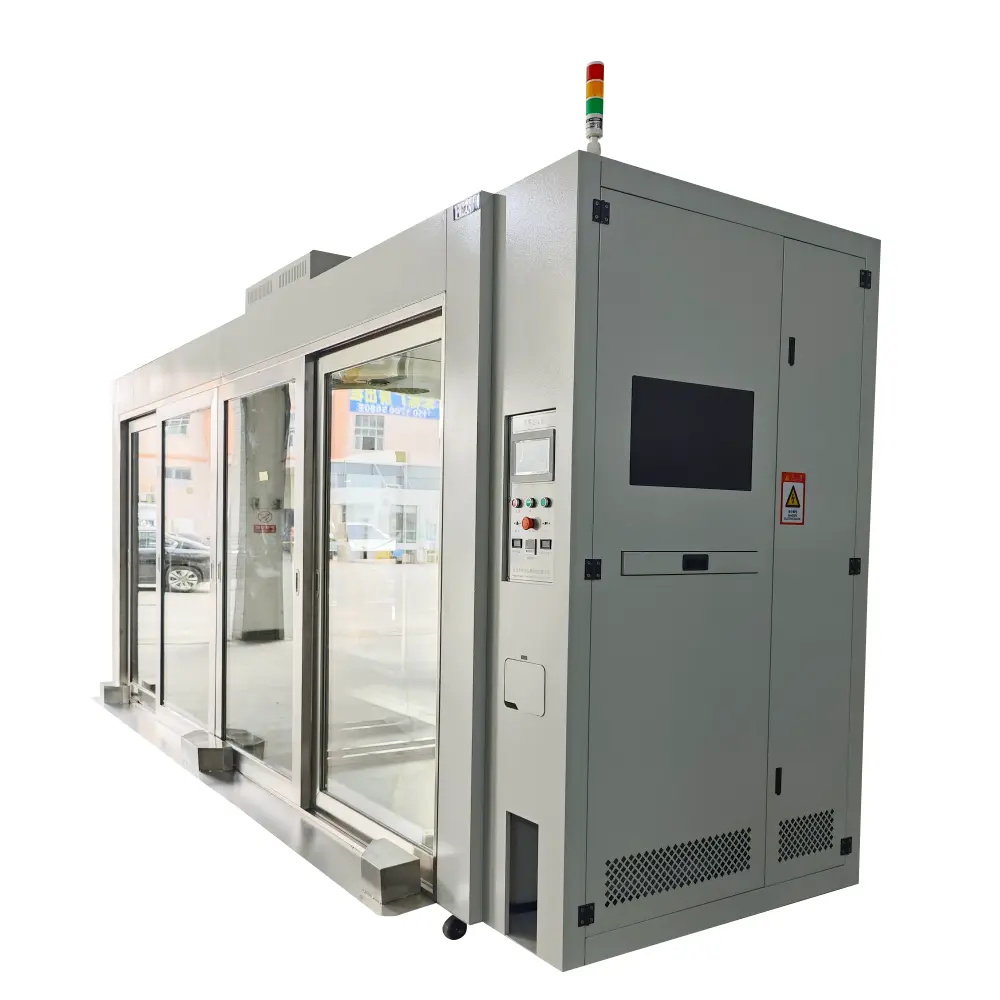
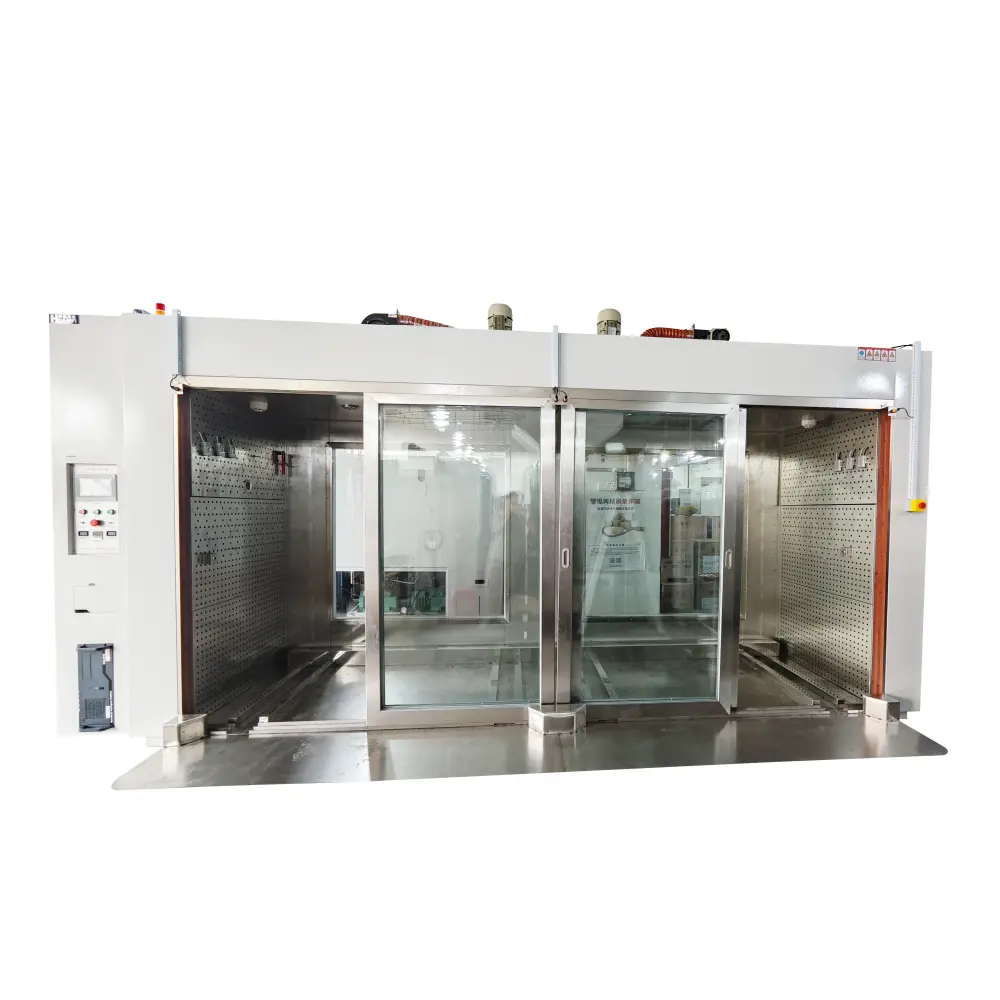
The vehicle screen aging cabinet is an environmental reliability testing device specifically designed for vehicle display devices (such as central control screens, navigation screens, ceiling-mounted screens, etc.).

Product Description

i
Product Description

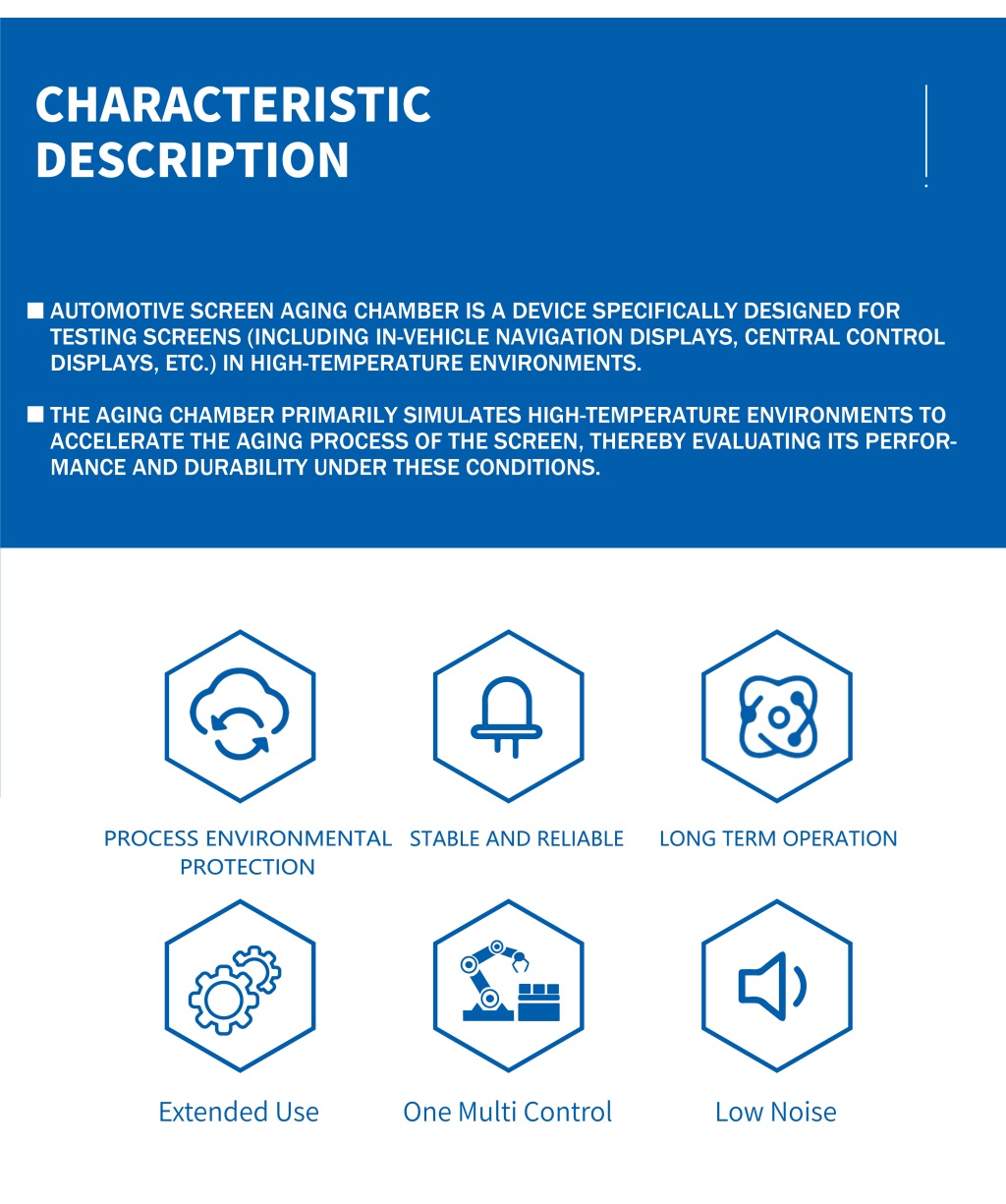
A vehicle-mounted screen aging chamber is an environmental reliability testing device specifically designed for vehicle-mounted display devices (such as central control screens, navigation screens, and ceiling-mounted screens). By simulating the extreme high-temperature environments that vehicles may encounter in real-world use and applying realistic loads, it accelerates the exposure of potential defects in the screen and drive system, thereby evaluating its durability and long-term stability.

Applications

Its applications mainly include the following:

  • Automotive display device testing: Specifically designed for aging tests of automotive LCD displays such as central control screens, passenger entertainment screens, ceiling-mounted screens, and rear-seat control screens, verifying their display stability, touch response, and long-term circuit reliability at high temperatures.
  • Automotive electronic component verification: Extended application to high-temperature aging tests of electronic devices such as in-vehicle navigation systems, in-vehicle computers, audio systems, cameras, and chargers, ensuring the functional stability of these components under extreme temperatures.
  • New energy vehicle related testing: Applicable to high-temperature environment verification of key components such as power batteries, electric drive systems, and sensors in new energy vehicles, to identify early failures and improve overall reliability.
  • General electronic component screening: Also applicable to high-temperature aging tests of consumer electronics products such as mobile phones, power supplies, and LED displays, helping to screen out early failures and improve product quality.
Technical Parameters
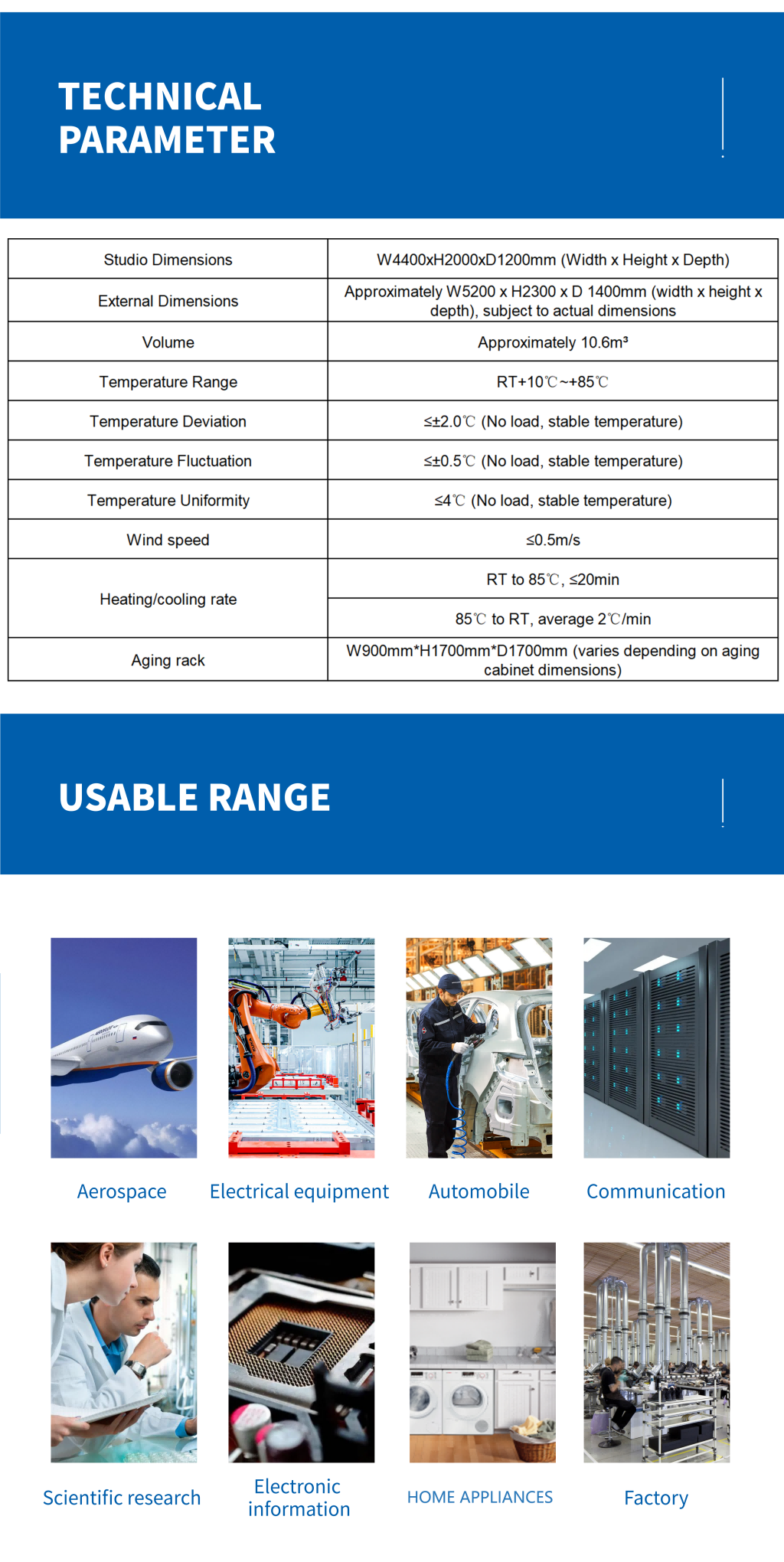
Temperature Range-20ºC~80ºC
Spray Water Temperature0ºC~5ºC
Spray Intensity25mm/h
Rainwater Diameter1.0mm~1.5mm
Ice Thickness6mm/13mm/20mm/37mm/75mm (optional) Different test products have different materials and sizes. The time required for ice thickness to form varies.
Ice Density0.2g/cm³~0.9 g/cm³
Humidity Range20~98%RH
Temperature Display Accuracy0.01ºC
Humidity Display Accuracy0.1%RH
Temperature Fluctuation≤±0.5ºC
Humidity Fluctuation≤±1.5%RH
Temperature Deviation≤±2.0ºC
Humidity Deviation≤±3.0% (>75.0%RH); ≤ ±5.0% (≤75.0%RH)
Heating Rate+20ºC→+100ºC less than 50 minutes (average over time, no load)
Cooling Rate+20ºC→-40ºC approximately 70 minutes (average over time, no load)
📷
Product Gallery
Vehicle Screen Aging Cabinet-1
Vehicle Screen Aging Cabinet-2
vehicle-screen-aging-cabinet-3
vehicle-screen-aging-cabinet-4
vehicle-screen-aging-cabinet-5
Frequently Asked Questions
What is the primary purpose of a vehicle-mounted screen aging chamber?
It is designed to simulate extreme high-temperature environments to test the reliability, durability, and long-term stability of automotive display devices like navigation and control screens.
What types of components can be tested in this chamber?
Beyond automotive screens, it can test in-vehicle computers, audio systems, cameras, chargers, power batteries, sensors, and even consumer electronics like mobile phones.
What temperature and humidity ranges does the equipment support?
The chamber supports a temperature range from -20ºC to 80ºC and a humidity range between 20% and 98% RH, allowing for diverse environmental simulations.
Does the chamber support specialized environmental tests like rain or ice?
Yes, it features adjustable spray water intensity, rainwater diameter controls, and optional ice thickness settings (from 6mm to 75mm) for comprehensive reliability screening.
How does this device help improve product quality?
By accelerating the exposure of potential defects in high-temperature or extreme conditions, it helps manufacturers screen out early failures and ensure functional stability before products reach the consumer.
What is the heating and cooling performance of the chamber?
Under no-load conditions, the heating rate allows moving from +20ºC to +100ºC in less than 50 minutes, while the cooling rate from +20ºC to -40ºC takes approximately 70 minutes.

Related Products