A Walk-In Stability Chamber is essential in testing the stability of pharmaceutical products. These chambers create controlled environments that mimic various climatic conditions. Temperature and humidity are precisely regulated. This ensures that products maintain their quality over time.
The technology behind a Walk-In Stability Chamber is fascinating. Sensors monitor conditions continuously, allowing for real-time adjustments. Researchers can simulate different scenarios, from extreme heat to high humidity. This helps in understanding how products will behave in the market.
Despite their effectiveness, challenges exist. Not all products respond well in these chambers. Some may degrade faster than expected, revealing gaps in testing methods. Continuous improvements are necessary to enhance reliability. A Walk-In Stability Chamber is a valuable asset, yet it requires careful evaluation and innovation.
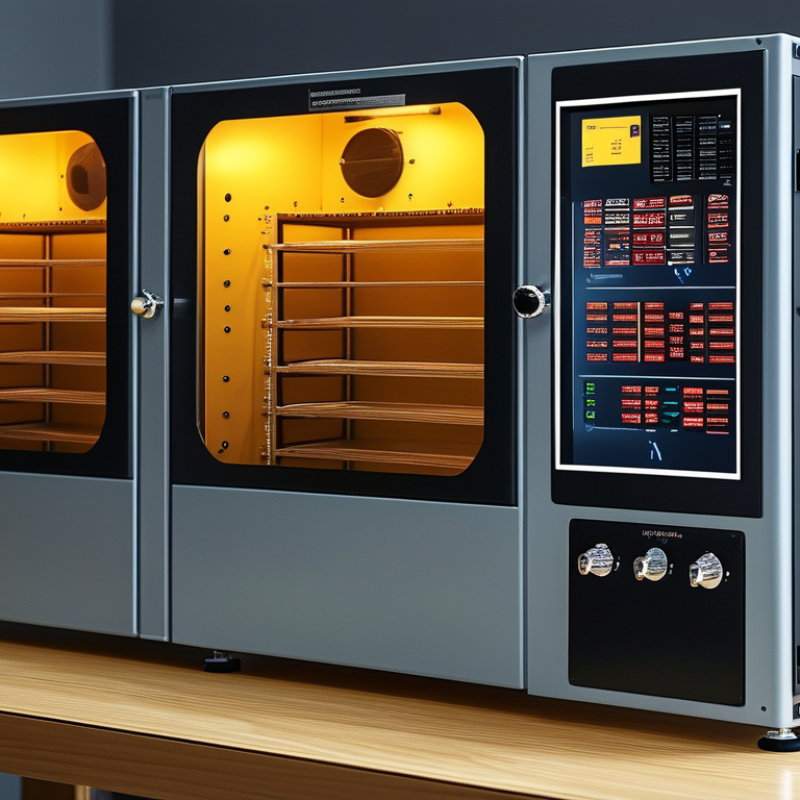
A walk-in stability chamber is a specialized environment used for testing the stability of products over time. It's particularly valuable in industries like pharmaceuticals and biotechnology. These chambers maintain controlled temperature and humidity, which are crucial for ensuring product effectiveness and safety. According to data from the International Conference on Harmonisation (ICH), stability testing is essential for complying with regulatory standards.
Manufacturers must assess how products behave under various conditions. A walk-in stability chamber is designed for larger batches or bulky products. These chambers often include features like programmable controls and data logging systems. Recent reports suggest that around 70% of firms report that using stability chambers improves their product reliability. However, the initial setup and maintenance costs can be significant. Some companies struggle with this investment, questioning the return.
Despite their advantages, walk-in stability chambers aren't without challenges. Calibration is critical and requires regular checks. Misalignment can lead to inaccurate results. Furthermore, not all products may benefit equally from stability testing. Determining the appropriate conditions often involves trial and error, which can delay product development. Ultimately, understanding the specific requirements of each product is necessary for effective testing in these chambers.
Walk-in stability chambers are critical for maintaining the integrity of pharmaceutical products. These chambers simulate various environmental conditions, including temperature and humidity. They are typically designed to accommodate multiple products in a larger space. Manufacturers can conduct stability testing efficiently, ensuring compliance with regulatory guidelines.
One key feature of these chambers is their advanced control systems. They allow precise adjustments to environmental parameters. This level of accuracy is essential for determining the shelf life of products. The chamber’s materials are also important. The inner surfaces should be non-reactive and easy to clean. A well-designed air circulation system ensures even distribution of temperature and humidity, which is vital for effective testing.
While walk-in stability chambers offer many benefits, they can have limitations. Sometimes, achieving the desired stability conditions may take longer than expected. Moreover, large chambers can require significant energy resources. Regular maintenance is crucial for optimal performance. Users must remain vigilant about calibration and inspections. This ensures accuracy and reliability in testing outcomes, reinforcing the efficacy of this essential equipment.
| Feature | Description | Importance |
|---|---|---|
| Temperature Control | Maintains a constant temperature range suitable for stability testing. | Essential for simulating storage conditions for pharmaceuticals and other products. |
| Humidity Control | Regulates humidity levels to required specifications. | Crucial for the stability of moisture-sensitive products. |
| Size and Capacity | Available in various sizes to accommodate different batches of products. | Allows flexibility in testing multiple products simultaneously. |
| Data Logging | Integrated systems for continuous monitoring and logging of conditions. | Facilitates compliance with regulatory requirements. |
| Accessibility | Designed for easy access and loading of samples. | Enhances user convenience and efficiency in operations. |
| Safety Features | Includes alarms, emergency shutoff, and safety interlocks. | Ensures the safety of both the products under test and the personnel. |
Walk-in stability chambers are vital tools in many industries. They create controlled environments for products requiring specific temperature and humidity. These chambers play a crucial role, especially in the pharmaceutical sector. The operating principles focus on precise temperature and humidity control mechanisms.
Temperature control is achieved through advanced cooling and heating systems. These systems maintain uniform temperature throughout the chamber. Humidity levels are regulated using specialized humidifiers and dehumidifiers. This dual control ensures optimal conditions for various products. Each mechanism must work seamlessly. A small failure can lead to significant deviations. Continuous monitoring is essential for reliability, and data logging helps track these conditions over time.
Despite advancements, challenges exist. Sensors may become inaccurate or malfunction. Regular calibration is necessary, but it takes time and resources. Operators must remain vigilant and proactive in their maintenance routines. The goal is to avoid stability chamber failures that compromise product integrity. This requires ongoing training and awareness of best practices. Balancing technology with human oversight is crucial for effectiveness.
Stability testing is crucial in industries such as pharmaceuticals and food science. It ensures that products maintain their intended quality over time. Regulatory bodies set strict guidelines for these tests. Compliance with these standards is not just a choice; it's a requirement. This pushes manufacturers to adopt rigorous testing protocols.
Walk-in stability chambers are essential tools in this process. They provide controlled environments that simulate various conditions, such as temperature and humidity. However, gaps in understanding how to use these chambers can lead to errors. Operators must be trained to monitor and adjust settings accurately. Maintenance is also critical. A malfunctioning chamber can skew test results. Regular checks and calibrations are necessary to uphold standards.
Manufacturers face challenges in consistently meeting these standards. Variability in product formulations can impact durability. Moreover, keeping up with the evolving regulations can be daunting. It requires continuous education and adaptation. Testing is not always foolproof, and unexpected outcomes may arise. A commitment to quality must include a willingness to identify and address these inconsistencies.
Walk-in stability chambers are essential for the pharmaceutical and biotech industries. These chambers provide a controlled environment to assess the stability of drugs and biological products. The ICH Q1A guideline emphasizes that stability testing should be conducted under specific temperature and humidity conditions. Walk-in chambers can mimic these conditions accurately.
In recent years, a report by Grand View Research indicated that the global stability testing market is estimated to reach $3 billion by 2026. This growth is propelled by the increasing demand for new pharmaceuticals and the need for regulatory compliance. Walk-in stability chambers allow companies to meet these stringent regulations efficiently. They enable the storage of multiple products simultaneously while ensuring uniform environmental control.
However, utilizing these chambers can be challenging. Regular maintenance is crucial to ensure consistent performance. Failure to adhere to strict protocols can lead to unreliable test results. In a study published in the Journal of Pharmaceutical Sciences, it was noted that 15% of products can fail stability tests due to improper storage conditions. Hence, continuous monitoring and validation are vital for reliable outcomes in product stability.
Maintaining a Walk-In Stability Chamber is crucial for ensuring accurate performance. Regular checks are necessary to keep the temperature and humidity within specified limits. A small deviation in these conditions can compromise sensitive materials. It is essential to monitor the chamber's environment consistently. Use calibrated instruments to validate your readings. This builds trust in the results and prevents costly errors.
Calibration is another significant aspect of maintenance. Equipment used for monitoring should be calibrated according to established protocols. Some technicians overlook this step, thinking it saves time. However, uncalibrated devices can lead to inconsistent data. Establish a routine for calibration that aligns with the manufacturer's guidelines. This will enhance reliability.
Documentation plays a key role in maintenance practices. Keeping detailed logs of conditions and calibrations helps in identifying patterns. If something goes wrong, you’ll have a full history of the chamber's performance. This approach can lead to better insights and improvements over time. Remember, consistency and precision are vital for effective results. Regular reflection on these practices can foster a culture of quality in your operations.
: Walk-in stability chambers maintain the integrity of pharmaceutical products by simulating environmental conditions.
They use advanced heating and cooling systems along with humidifiers and dehumidifiers for precise control.
Non-reactive and easy-to-clean materials ensure effective testing and prevent contamination.
Users may struggle with achieving stability conditions quickly or maintaining energy efficiency in larger units.
Regular maintenance is crucial for optimal performance, and neglect can lead to test inaccuracies.
Continuous monitoring helps track conditions and ensures reliability, preventing significant deviations.
Malfunctioning sensors can result in inaccurate readings, potentially compromising product stability and integrity.
Regulatory guidelines mandate specific testing conditions that walk-in chambers must accurately replicate.
Improper storage conditions can lead to about 15% of products failing stability tests.
Ongoing training and awareness of best practices are essential for effective operation and oversight.
A Walk-In Stability Chamber is a specialized environmental control unit designed to maintain specific temperature and humidity conditions for the stability testing of pharmaceuticals and biotechnological products. These chambers are critical for ensuring that products remain viable and effective throughout their shelf life. Key features include precise temperature and humidity controls, robust construction, and compliance with industry standards to ensure reliable operation and accuracy.
The operating principles of a Walk-In Stability Chamber rely on advanced mechanisms to regulate environmental conditions, while maintenance and calibration practices are essential to uphold performance. These chambers play a vital role in the pharmaceutical and biotech industries, facilitating research and development processes by providing controlled environments for long-term stability studies. Their adherence to regulatory compliance standards ensures that the products meet necessary safety and efficacy requirements before reaching the market.

Huanyi