A Walk-In Chamber is an essential tool in various industries, particularly in pharmaceuticals, biotechnology, and material testing. These chambers create controlled environments for testing products under specific conditions. According to a recent industry report by Research and Markets, the global walk-in chamber market is expected to grow by 5.2% annually, reflecting increasing demand for precise testing conditions.
Dr. Jane Thompson, an expert in environmental testing, stated, "Walk-In Chambers ensure that products meet rigorous standards."
These chambers offer temperature and humidity controls that are critical for experimental accuracy. However, reliance on these tools can lead to complacency in experimental design. Proper calibration and maintenance are vital to avoid false results.
The importance of a Walk-In Chamber cannot be overstated. They are invaluable in ensuring quality and compliance in production processes. Nevertheless, challenges remain. Ensuring uniform conditions to eliminate variability can be difficult. As the industry evolves, adapting to new testing requirements while maintaining accuracy is essential.
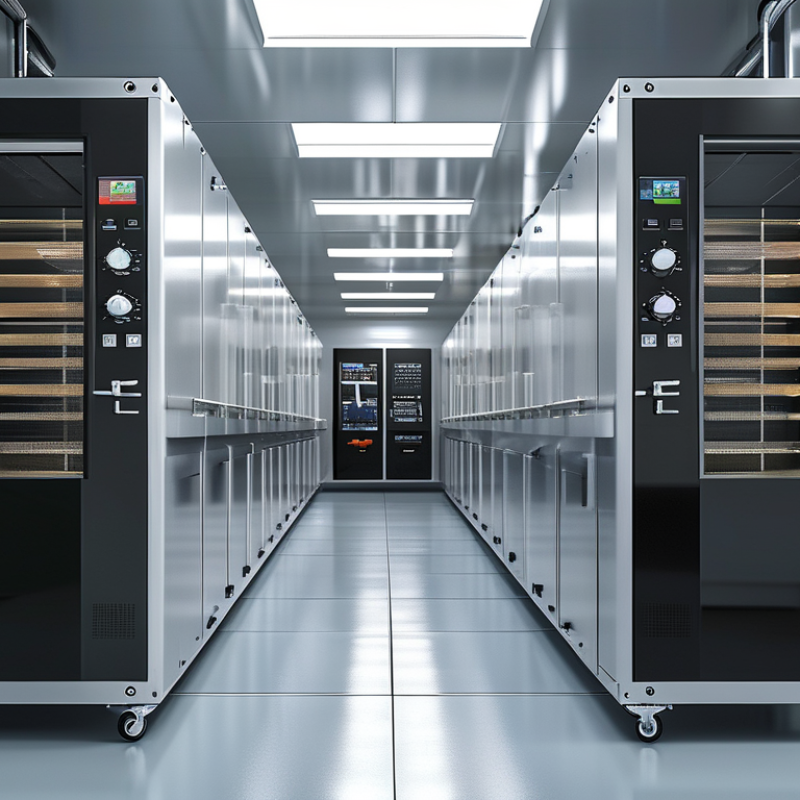
What is a Walk-In Chamber? Definition and Purpose
A walk-in chamber is a climate-controlled facility designed to provide precise environmental conditions for various applications. These chambers are essential in sectors like pharmaceuticals, food testing, and electronics. Their primary purpose is to simulate specific temperature and humidity levels for experimental and storage needs. According to industry reports, over 30% of pharmaceutical companies utilize walk-in chambers for stability testing. This ensures product efficacy and safety.
Walk-in chambers vary in size and features. Some include advanced monitoring systems for real-time data. The controlled environment helps in conducting critical tests, such as shelf-life studies. However, maintenance is crucial. Regular calibration is often overlooked, potentially impacting results. Adjustments are necessary to prevent deviations in conditions that could skew data.
While walk-in chambers provide significant advantages, they are not foolproof. For instance, power outages can disrupt conditions, risking valuable research. Companies must have contingency plans in place. Additionally, the initial setup costs can be high, deterring some organizations. Overall, a walk-in chamber is a vital investment, but it requires careful management to maximize its benefits.
Key Components of a Walk-In Chamber
A walk-in chamber is an essential tool for various industries, particularly for testing and experimentation. The primary components include temperature control systems, humidity control systems, and a reliable monitoring system. These components work together to create an environment that can be precisely adjusted according to specific requirements.
Temperature control is vital. It uses heaters or coolers to maintain the desired climate. This ensures that materials or products are tested under the right conditions. Humidity control is equally important. It regulates moisture levels, which can affect many experiments. A vigilant monitoring system allows for real-time data collection, helping users track changes effectively.
Tips: Regularly check calibration. It ensures accurate readings. Additionally, maintaining cleanliness helps prevent contamination in your walk-in chamber.
Another important aspect is insulation. Good insulation minimizes energy loss, enhancing efficiency. If insulation is inadequate, it can lead to temperature fluctuations. These fluctuations may compromise test results. Evaluating the chamber's insulation materials may be necessary. Sometimes, even minor improvements can lead to better performance and reliability.
How Walk-In Chambers Function: A Step-by-Step Explanation
Walk-in chambers are specialized environments used for various applications, including testing and storage. These chambers maintain specific temperature and humidity levels. They are vital for industries like pharmaceuticals and biotechnology. According to a report by Frost & Sullivan, the global temperature-controlled storage market is expected to increase significantly, highlighting the need for reliable walk-in chambers.
How do walk-in chambers function? They utilize advanced sensors to monitor conditions continuously. The setup includes a refrigeration system that adjusts temperatures precisely. Humidity control often employs dehumidifiers or humidifiers, ensuring optimal storage conditions. Regular maintenance helps retain functionality, but neglect can lead to failures. A study by the International Society for Pharmaceutical Engineering indicated that improper storage conditions caused over 25% of product recalls in the pharmaceutical industry.
The design of walk-in chambers can vary, but they all aim for efficiency. They allow easy access to stored items while providing a controlled atmosphere. However, not all chambers are equally effective; poor insulation or inadequate calibration can compromise results. The American Society for Testing and Materials emphasizes that regular testing and validation are crucial for reliable performance in these environments.
Applications of Walk-In Chambers in Various Industries
Walk-in chambers play a vital role across various industries, serving as controlled environments for numerous applications. In the pharmaceutical sector, they ensure stable conditions for drug storage. Temperature and humidity control are crucial here. These chambers help maintain the integrity of sensitive compounds. Moreover, research institutions utilize walk-in chambers for material testing. They provide a controlled environment that allows scientists to observe changes in samples under varying conditions.
In the agriculture industry, walk-in chambers are used to simulate different climate scenarios. Researchers can study plant responses to environmental stressors. This helps in developing resilient crop varieties. The chambers also find utility in food storage. They create ideal conditions to extend the shelf life of perishable items. However, reliance on these controlled environments can lead to challenges. There is always a risk of equipment failure. Continuous monitoring is essential to avoid potential losses.
Additionally, the automotive industry uses walk-in chambers for durability testing. These chambers replicate harsh weather conditions, exposing vehicles to extreme temperatures and humidity. This helps determine how materials behave over time. Yet, the costs associated with maintaining these environments can be high. Achieving the precise conditions needed requires constant calibration. Therefore, industries must weigh the benefits against expenses while ensuring reliability.
Maintenance and Safety Considerations for Walk-In Chambers
Walk-in chambers are vital tools for various industries. They provide controlled environments for storage or testing. However, maintaining these chambers is crucial for safety and efficiency.
Routine maintenance checks are essential. According to industry standards, around 30% of walk-in chamber issues stem from improper maintenance. Regular inspections can prevent equipment failure. Ensure seals and insulation are intact. Dirty condenser coils can reduce efficiency by over 20%. Addressing these issues promptly can save costs and extend the chamber's lifespan.
Safety considerations cannot be overlooked. Chambers must have proper ventilation. Lack of airflow can pose risks. An annual safety audit is recommended. Furthermore, staff should be trained on emergency protocols. Studies show that 60% of accidents occur due to human error. Training can significantly reduce these incidents.
**Tip:** Document all maintenance activities. A detailed log can help identify recurring issues. **Tip:** Regularly check calibration of internal sensors for accurate readings.
What is a Walk-In Chamber and How Does It Work? - Maintenance and Safety Considerations for Walk-In Chambers
| Aspect |
Description |
| Definition |
A walk-in chamber is a controlled environment space used for testing, storage, or research purposes that allows individuals to enter the chamber. |
| Types |
Temperature chambers, humidity chambers, and combination chambers are common types. |
| Working Principle |
These chambers use refrigeration, heating, and humidity control systems to maintain specific environmental conditions. |
| Applications |
Used in laboratories, food storage, pharmaceuticals, and material testing. |
| Maintenance Considerations |
Regular inspection, calibration of sensors, cleaning, and system checks are essential for optimal performance. |
| Safety Considerations |
Ensure proper ventilation, emergency exit access, and compliance with electrical safety standards to prevent accidents. |
Conclusion
A Walk-In Chamber is a controlled environment space designed to provide precise temperature, humidity, and airflow for various applications. Its primary purpose is to facilitate testing, storage, and process development across multiple industries such as pharmaceuticals, biotechnology, and food production. Key components of a Walk-In Chamber include temperature and humidity controls, insulation, and often airflow management systems to ensure uniform conditions throughout the chamber.
The functionality of a Walk-In Chamber involves a systematic approach where the desired environmental parameters are set, monitored, and maintained. This process is crucial for applications like product testing and research, where consistent conditions are necessary for accurate results. Maintenance and safety considerations are also vital; regular inspections and adherence to safety protocols ensure optimal performance and safety for users. Overall, Walk-In Chambers play an essential role in supporting experimentation and storage needs in highly regulated environments.

 Huanyi