The demand for Environmental Test Chambers is growing steadily. According to a recent report by Research and Markets, the global market size is projected to reach $1.2 billion by 2027. This growth reflects an increasing focus on product quality and reliability in various industries, including electronics and automotive.
Dr. James Carter, a leading expert in environmental testing, emphasizes the importance of precision in these chambers. He states, “Environmental Test Chambers are vital for ensuring products meet safety and performance standards.” His insights highlight how these chambers simulate real-world conditions, ensuring products can withstand extreme temperatures and humidity.
Despite advancements, challenges remain. Many manufacturers still struggle with outdated test methods. This inconsistency can lead to unreliable product performance. It is essential for companies to stay updated with the latest technology and best practices in the Environmental Test Chamber industry. Adopting advanced testing techniques can enhance product reliability and consumer trust.
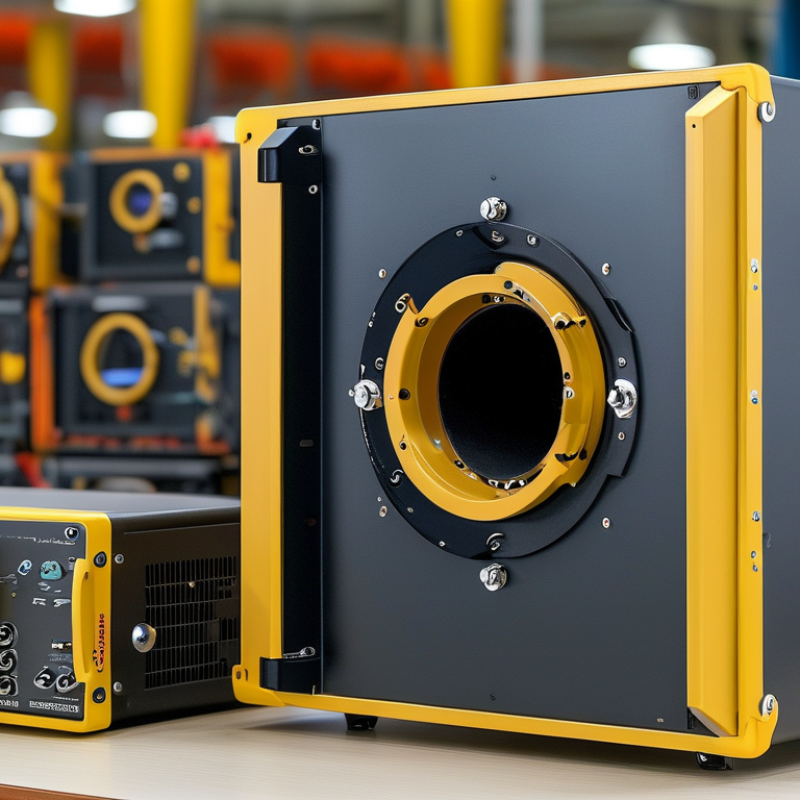
Overview of Environmental Test Chambers and Their Importance
Environmental test chambers play a critical role in various industries, including electronics, automotive, and pharmaceutical sectors. These chambers simulate different environmental conditions such as temperature, humidity, and pressure to evaluate product performance. According to a recent report from the International Society of Automation, over 75% of manufacturers use environmental testing to ensure product reliability and compliance. This highlights the chambers' importance in mitigating risks during product development.
Results from the Environmental Testing Market Report indicate a steady growth projected at 6.5% CAGR over the next five years. These chambers help identify potential failures early in the development cycle, reducing costs in the long run. However, not every company understands how to utilize these tools effectively. The calibration and maintenance of test chambers are often overlooked. This oversight can lead to inconsistent test results, which may compromise product integrity.
Additionally, environmental test chambers can vary in design and functionality. Choosing the right chamber requires a thorough assessment of specific testing requirements. Some companies have reported difficulties in aligning test methods with industry standards. This gap can lead to misinterpretation of data, ultimately impacting product quality. Adopting best practices for chamber operation can be complex but is essential for achieving reliable results.
Key Features to Consider When Selecting Environmental Test Chambers
When choosing an environmental test chamber, several key features should guide your decision. Temperature and humidity control are vital. These parameters determine how well a chamber simulates real-world conditions. Look for models that offer precise, stable controls. Ensure they cover a wide range of temperatures and humidity levels. This capability is crucial for thorough testing.
Another important aspect is size and capacity. Will the chamber fit your samples? Consider the dimensions of your products. Some chambers are compact while others are larger and meant for bulk testing. Also, pay attention to the material quality. Sturdy construction ensures durability and reliability during intense testing. It can affect the performance over time.
Moreover, user interface plays a role. A simple, intuitive design can save time and reduce errors. Consistent data logging features also help track performance. Without proper documentation, it’s difficult to evaluate results. Lastly, consider energy efficiency. Even small inefficiencies can lead to significant costs over time. Choose a chamber that balances capability with operational costs.
Top 10 Environmental Test Chambers for Global Buyers
| Chamber Type |
Temperature Range (°C) |
Humidity Range (%) |
Volume (L) |
Key Features |
| Thermal Cycling Chamber |
-70 to +150 |
10 to 98 |
100 |
Rapid temperature change, programmable cycles |
| Environmental Chamber |
-50 to +100 |
20 to 90 |
200 |
Temperature and humidity control, stainless steel interior |
| Walk-In Chamber |
-20 to +65 |
10 to 95 |
1000 |
Large capacity, easy access for personnel |
| Thermal Shock Chamber |
-55 to +150 |
10 to 95 |
50 |
Fast temperature cycling, dual zone design |
| Altitude Environmental Chamber |
-40 to +85 |
5 to 95 |
600 |
Simulates high altitude conditions, programmable pressure |
| Integrated Environmental Test Chamber |
-70 to +170 |
10 to 100 |
180 |
Holds both humidity and temperature, compact design |
| Corrosion Test Chamber |
-10 to +50 |
30 to 100 |
300 |
Simulates corrosive environments, salt fog testing |
| Photovoltaic Test Chamber |
-30 to +85 |
10 to 90 |
250 |
Simulates solar conditions, UV exposure |
| Vibration Test Chamber |
-40 to +70 |
20 to 95 |
150 |
Combines thermal and vibrational testing |
Top 10 Environmental Test Chambers: A Comprehensive Comparison
Environmental test chambers play a crucial role in various industries. They help evaluate product durability under extreme conditions. A comprehensive comparison of top models reveals differences in performance, size, and capabilities. For instance, a recent industry report noted that 75% of organizations prioritize temperature cycling tests. These chambers simulate rapid temperature changes, providing critical data for product longevity.
Moreover, humidity control is another essential feature. Many test chambers offer humidity ranges between 10% to 95%. Accurate tracking of these conditions is vital. Inconsistent levels may lead to unreliable results. Furthermore, some models now integrate IoT technology. This innovation facilitates real-time monitoring and data collection. However, the complexity of these systems means potential reliability issues.
Cost is also a significant factor. High-quality chambers can range from $10,000 to over $100,000. Organizations must consider maintenance costs and energy consumption too. A study indicated that nearly 40% of users are dissatisfied with chamber energy efficiency. This aspect is often overlooked in initial evaluations. Testing under varying conditions is crucial, yet the financial implications can limit access to high-end models. Understanding these nuances helps in selecting the right chamber for specific needs.
Applications of Environmental Test Chambers Across Different Industries
Environmental test chambers play a crucial role across various industries. They simulate extreme conditions to assess product durability. Common applications include testing in automotive, aerospace, electronics, and pharmaceuticals. According to a recent industry report, the market for environmental test chambers is projected to grow at a CAGR of 8.5% from 2022 to 2028. This growth highlights their importance in ensuring quality and compliance.
In the automotive sector, these chambers test components for heat, humidity, and vibration. A study found that 75% of automotive manufacturers incorporate these tests to enhance vehicle reliability. In pharmaceuticals, chambers simulate storage conditions to determine drug stability. This ensures patient safety and regulatory compliance—a critical factor that cannot be overlooked.
Tip: Regular calibration of test chambers is essential. Calibration helps maintain accuracy and reliability in results. Users should also document findings meticulously to identify trends over time.
When considering equipment, be aware of specific industry needs. Not all chambers suit every test. Each requirement may vary significantly. Therefore, buyers must fully understand their testing protocols. This understanding is key to selecting suitable equipment. Consistent evaluation of testing methods is necessary for improvement and efficiency in processes.
Future Trends in Environmental Testing Technologies and Equipment
The landscape of environmental testing technologies is evolving rapidly. According to recent reports, the global market for environmental test chambers is projected to grow at a compound annual growth rate (CAGR) of 6.5% between 2022 and 2027. Innovations in materials and automation are driving this growth. Environmental chambers today incorporate advanced sensors and AI-driven systems. These improvements enhance accuracy and reduce testing time significantly.
Another noteworthy trend is the integration of sustainable design principles. Many manufacturers now prioritize energy efficiency and reduced resource consumption in their chambers. For instance, the adoption of eco-friendly refrigerants can lead to a 30% reduction in greenhouse gas emissions. This aligns with the increasing emphasis on sustainability across industries. However, not all companies are keeping pace. Some still rely on outdated technologies, raising concerns about their environmental impact.
Incorporation of real-time data analytics is transforming how testing is conducted. This technology allows for immediate adjustments based on observed variables, enhancing the reliability of results. However, the transition to these advanced systems can be challenging. Companies often face a steep learning curve and may encounter resistance from staff accustomed to traditional methods. The future of environmental testing depends on addressing these challenges while embracing technological advancements.
Conclusion
Environmental Test Chambers are specialized devices designed to simulate various environmental conditions for testing the durability and reliability of products across diverse industries. Understanding their importance is crucial, as these chambers enable manufacturers to subject their products to extreme temperatures, humidity levels, and other environmental factors to ensure quality and compliance with industry standards.
When selecting an Environmental Test Chamber, key features to consider include temperature and humidity range, size, control precision, and energy efficiency. This article provides a comprehensive comparison of the top 10 Environmental Test Chambers available, highlighting their applications across different sectors such as electronics, automotive, and aerospace. Furthermore, it explores future trends in environmental testing technologies, showcasing the innovations that will enhance the efficacy and versatility of these essential tools.

 Huanyi