When selecting the right Rain Test Chamber, understanding technical specifications is crucial. Dr. Emily Parker, a leading expert in environmental testing, emphasizes, "Choosing the right chamber ensures accurate results." This underscores the importance of matching the chamber's capabilities to your unique testing requirements.
Rain Test Chambers simulate real-world conditions, helping manufacturers assess their products' durability. Factors such as chamber size, spray intensity, and testing duration are essential. Each aspect directly impacts your product's performance evaluation. The wrong choice could lead to misleading outcomes and costly adjustments later.
Furthermore, an effective Rain Test Chamber should align with industry standards. Not all chambers are created equal; some may lack necessary features. Research is vital. Explore customer reviews and seek expert opinions. It’s a challenging process, but ensuring reliability pays off in the long run.
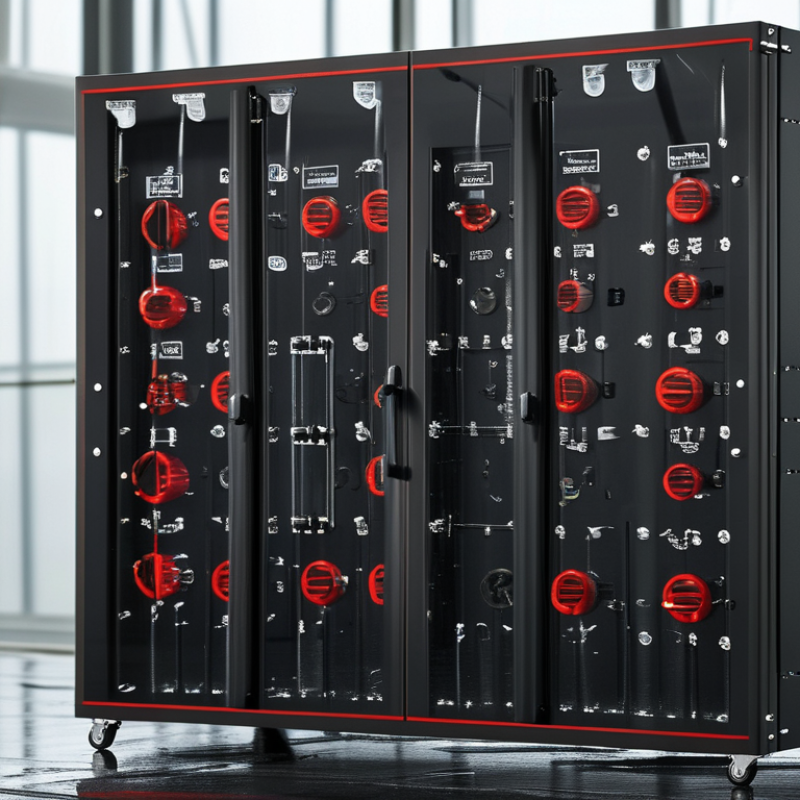
Understanding the Purpose of a Rain Test Chamber
Rain test chambers are vital for evaluating the durability of products in wet conditions. Understanding their purpose is crucial for selecting the right model. These chambers simulate various rainfall scenarios. They can replicate intense downpours or light drizzles. The ability to adjust the intensity and duration of rain is essential for accurate testing.
When considering a rain test chamber, focus on the testing standards relevant to your industry. Different sectors have unique water exposure requirements. The chamber should align with these standards to provide reliable results. Think about the size of your products as well. Larger items may require a more expansive chamber. The layout can influence how water interacts with different surfaces.
Evaluate your own testing needs regularly. Some companies find they need to adapt their methods over time. This could mean upgrading equipment or changing testing protocols. Understand that effective testing requires ongoing reflection and improvement. Strive to ensure the results are actionable and reliable.
Key Features to Consider When Selecting a Rain Test Chamber
Choosing the right rain test chamber is crucial for ensuring your products can withstand harsh weather conditions. Start by evaluating the chamber’s testing capacity. A reliable chamber should simulate a variety of rain intensities and durations. According to industry reports, around 70% of product failures in outdoor environments are due to inadequate moisture resistance. Therefore, features like adjustable spray patterns and programmable test sequences are essential.
When selecting a chamber, consider the size and material compatibility. It should accommodate your largest product while being built from durable materials. Many manufacturers overlook the importance of internal drainage systems. Proper drainage helps maintain testing integrity and simplifies maintenance.
Understand the energy consumption and efficiency of the chamber as well. A report from the International Society for Testing and Materials indicates that energy-efficient models can reduce operational costs by up to 25%. Research on chamber calibration is also key. Regular checks ensure consistent performance. Accurate tests lead to improved product quality, reducing the risk of unforeseen failures in the field.
How to Choose the Right Rain Test Chamber for Your Needs?
When selecting a rain test chamber, it's essential to consider various key features. The bar chart above illustrates the importance level (on a scale from 1 to 10) of different features such as Water Resistance, Durability, Test Duration, Size, and Ease of Use. These factors play a crucial role in ensuring that the rain test chamber meets your specific needs and requirements.
Evaluating Chamber Size and Capacity for Your Testing Needs
When considering a rain test chamber, size and capacity are key factors that determine its effectiveness. A chamber too small for your samples may not provide adequate test conditions. For instance, if testing large automotive components, ensure the chamber can accommodate their dimensions. A chamber should allow for the equivalent exposure of all test areas to rainfall. A limited capacity may leave certain parts untested, leading to misleading results.
Evaluate your testing needs carefully. Consider the number of samples you plan to test simultaneously. If high throughput is necessary, a larger capacity chamber will streamline your workflow. Testing various materials, like fabrics or coatings, also requires different chamber features, such as adjustable water spray or humidity control. Understanding these details helps optimize the testing process.
While a larger capacity may seem beneficial, it’s essential to reflect on energy consumption and operational costs. Sometimes, the most extensive equipment is not the best fit. Smaller chambers could offer more manageable costs, but ensure they meet your test requirements. Making an informed choice depends on balancing size with efficiency and being aware of your unique testing demands.
Assessing the Cost and Budget for Rain Test Chamber Options
Choosing the right rain test chamber involves careful consideration of cost and budget. The pricing of these chambers varies widely based on specifications. According to industry reports, a basic model can start at $10,000, while advanced options might exceed $100,000. This range often correlates with features like size, control systems, and data logging capabilities.
When assessing costs, consider not just the initial purchase price. Maintenance, energy consumption, and required calibration add to the total expenditure. For example, reports indicate that annual maintenance can represent 10-20% of the purchase price. Clients must factor this into their long-term budget planning. Additionally, the energy efficiency of a chamber can influence operational costs significantly.
It is crucial to align the chamber's capabilities with testing needs. For instance, a chamber designed for simulated heavy rainfall may be more expensive but essential for certain industries, like automotive or electronics. Reflecting on these needs is vital for making a sound investment. Balancing initial costs with long-term operational efficiency helps in navigating the decision-making process effectively.
Maintenance and Support Factors in Choosing a Rain Test Chamber
Choosing the right rain test chamber requires careful consideration of maintenance and support factors. Regular maintenance is vital for accurate performance. A study shows that 70% of companies experience significant downtime due to inadequate maintenance schedules. Proper upkeep can prevent costly repairs and extend the lifespan of the equipment.
Support options are equally important. Many manufacturers offer technical assistance, but response times can vary considerably. A survey indicates that 65% of users value prompt customer support when issues arise. This support can include troubleshooting, replacement parts, and operator training. Choosing a supplier with a robust support system can make a notable difference in your operations.
Consider the availability of replacement parts as well. Some chambers may use specialized components that could be hard to source. Reports reveal that 40% of companies face delays because of parts unavailability. Selecting a chamber with easily obtainable parts can save valuable time during unexpected breakdowns. Prioritizing these factors ensures reliable and effective testing, ultimately leading to better product quality.
FAQS
: Rain test chambers evaluate product durability in wet conditions. They simulate various rainfall scenarios, helping ensure reliability.
Focus on testing capacity and industry standards. Consider product size and layout for effective water interaction.
Proper drainage maintains testing integrity and eases maintenance. It's often overlooked but crucial for reliable results.
Pricing varies based on specifications, features, and size. Initial costs are just one part of the total expense.
Energy-efficient models can reduce operational costs significantly. This can lead to savings over the chamber's lifespan.
Companies may need to adapt methods over time. Regular evaluations ensure testing remains effective and relevant.
Yes, adjustable spray patterns are key features. They allow for simulating different rain intensities and durations.
Regular calibration ensures consistent performance. Inaccurate tests can lead to unexpected product failures.
Yes, maintenance can represent 10-20% of the purchase price annually. It’s important to factor this into budgeting.
Balance initial costs with long-term efficiency. Ensure the chamber meets your specific testing requirements for better investment.
Conclusion
When selecting the right Rain Test Chamber for your needs, it's crucial to first understand its primary purpose, which is to simulate rainfall conditions for various products. Key features to consider include the chamber's construction, control systems, and the ability to replicate specific environmental conditions. Evaluating the size and capacity of the chamber is also essential, as it should accommodate the items you intend to test effectively.
Additionally, budget considerations play a significant role in the decision-making process, as costs can vary significantly between options. Finally, ongoing maintenance and support should not be overlooked, as these factors can impact the long-term usability and efficiency of the Rain Test Chamber. By carefully assessing these aspects, you can ensure that your chosen chamber meets all your testing requirements.

 Huanyi