Choosing the right VOC Test Chamber is crucial for ensuring accurate measurements of volatile organic compounds. According to Dr. Emily Carter, a leading expert in environmental testing, "The right chamber can make or break your testing results." Her insight highlights the importance of careful selection in this specialized field.
VOC Test Chambers vary widely in features and capabilities. Some models offer advanced temperature controls while others focus on humidity regulation. Understanding these differences is essential for achieving reliable results. It’s not just about finding a suitable chamber; it’s about finding the best fit for your unique testing needs.
Selecting a VOC Test Chamber can be daunting. Consider factors like chamber size, testing standards, and budget constraints. Many buyers overlook essential features and end up with chambers that don’t meet their requirements. Take time to evaluate your options carefully and seek expert advice, if necessary. The stakes are high, and the implications of poor choices can be significant.
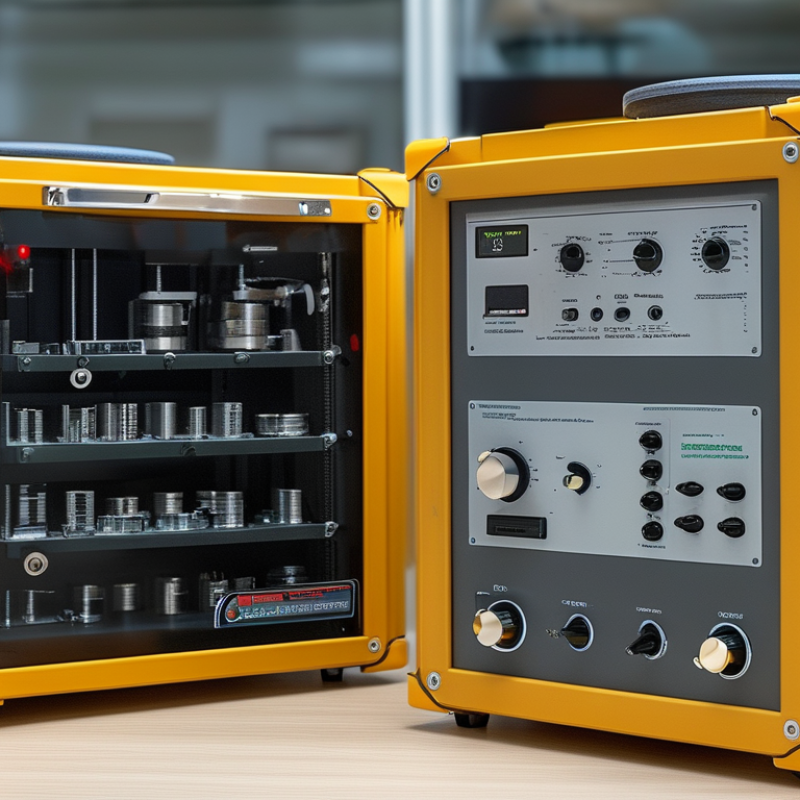
VOCs, or volatile organic compounds, play a significant role in environmental health. These compounds are often found in paints, adhesives, and cleaning agents. Understanding VOC test chambers is crucial for businesses needing to assess indoor air quality. These chambers simulate various environmental conditions to evaluate how materials emit VOCs over time. The insights gained can help in product development and compliance with safety regulations.
When choosing a VOC test chamber, consider the specific requirements of your materials. Factors like chamber size, temperature controls, and air flow are critical. A well-designed chamber can replicate real-world conditions, providing accurate results. Tips: Always check the calibration of the equipment. Regular maintenance ensures reliability. Look for chambers that offer customization options to suit unique testing needs.
The importance of VOC testing cannot be overstated. Failing to understand VOC emissions can lead to health issues and regulatory problems. You may find that certain materials release more VOCs than anticipated. Always conduct thorough testing, even if preliminary results seem promising. Tips: Consult industry standards for reference. Seek expertise from specialists to ensure accuracy. The right VOC test chamber can make a significant difference in achieving safer environments.
When selecting a VOC test chamber, several key factors come into play. The chamber's volume is vital. A larger chamber allows for bigger samples but may complicate test accuracy. According to industry reports, nearly 30% of VOC test failures stem from improper chamber sizing. This emphasizes the need for precise volume selection tailored to your specific testing requirements.
Temperature control is another critical factor. Maintaining a consistent temperature during testing ensures reliable results. Data indicates that fluctuations can lead to a 15% margin of error in VOC measurements. It’s essential to choose a chamber with robust temperature stability features. Moreover, the material of the chamber’s interior affects durability and cleaning. Smooth, non-porous materials minimize contamination risks, thus enhancing result reliability.
Finally, compliance with industry standards cannot be overlooked. Ensure the chamber adheres to guidelines from authoritative bodies. These standards help provide credibility to your testing processes. While cost is an important consideration, selecting a chamber that offers the best balance of quality and features is crucial to achieving dependable testing outcomes. The right choice will support your commitment to safety and quality in VOC testing.
When selecting a VOC test chamber, understanding the different types available is crucial. There are mainly three categories: dynamic, static, and portable chambers. Dynamic chambers assess the release of volatile organic compounds (VOCs) under controlled airflow. They simulate real-world conditions by continuously moving air through the sample. Reports indicate that dynamic chambers are favored for their precision in measuring VOC emissions from paints, coatings, and textiles.
Static chambers, on the other hand, are closed systems and capture VOCs in a sealed environment. This method is useful for studying emissions from materials like adhesives and sealants. A notable study highlighted that static chambers often underestimate VOC levels due to sample variation and lack of airflow. Portable chambers serve a different purpose. They allow on-site testing, providing flexibility and immediacy. However, their less controlled environment can lead to variability in data quality.
Each type of chamber has its nuances. It’s essential to evaluate the specific needs of your application. Recent surveys show that organizations often struggle with chamber selection. Many users report a lack of comprehensive information regarding testing protocols and environmental controls. This highlights an ongoing challenge in ensuring accuracy and reliability in VOC analysis.
Choosing the right VOC test chamber is crucial for accurate testing. Look for chambers that offer precise control over temperature and humidity. These factors significantly influence volatile organic compound emissions. A well-regulated environment ensures that your tests yield reliable results. Features like adjustable airflow are also important to consider. This enables you to simulate various real-world conditions effectively.
Another aspect is the chamber's size. A larger chamber allows for testing different materials simultaneously. This feature can save time and improve efficiency. Additionally, check the chamber's calibration specifications. Regular calibration ensures that your readings are accurate over time.
Don’t overlook the data logging and software capabilities. Modern chambers should provide easy data access and analysis options. It’s essential to have user-friendly interfaces for inputting test parameters. Quality documentation and support from manufacturers reflect their expertise in the field. These elements contribute to the overall reliability and authority of the equipment. Consider your specific testing needs as you weigh these features.
Investing in a VOC test chamber requires careful budget considerations. The initial cost is important, but long-term value matters more. You should evaluate how the investment affects your productivity and compliance. A lower-priced chamber might seem appealing, but it could lack features. Inadequate performance might lead to higher costs in the long run, due to retesting and re-evaluations.
Think about potential ROI. A high-quality chamber can speed up testing processes. Faster results can enhance your product development timeline. This means quicker market entry and higher profitability. However, remember that not all expensive chambers guarantee quality. You must assess which features your operations truly need. A detailed analysis of your specific requirements is essential.
Consider maintenance costs as well. Some chambers may have hidden operational costs. These can eat into your budget and affect your ROI. Additionally, training your team to use the equipment efficiently may incur upfront costs. Evaluate these aspects carefully. Invest wisely to ensure your choice supports both immediate and future needs.
| Model | Volume (L) | Temperature Range (°C) | Price ($) | Estimated ROI (Years) |
|---|---|---|---|---|
| Model A | 100 | 20 - 60 | 5000 | 3 |
| Model B | 150 | 15 - 65 | 8000 | 4 |
| Model C | 200 | 10 - 70 | 12000 | 5 |
| Model D | 250 | 25 - 55 | 15000 | 6 |
| Model E | 300 | 5 - 75 | 20000 | 7 |
: VOCs are volatile organic compounds found in many materials. They impact environmental health and indoor air quality.
VOC test chambers simulate conditions to assess how materials emit VOCs over time. They provide vital insights for product development.
Consider chamber size, temperature controls, air flow, and calibration. Each factor greatly influences testing accuracy and reliability.
Consistent temperature ensures reliable results. Fluctuations may cause a significant margin of error in VOC measurements.
Smooth, non-porous materials help minimize contamination. This enhances the reliability of test results.
Nearly 30% of test failures are due to poor sizing. Always select the volume tailored to your specific testing needs.
Ensure the chamber adheres to industry standards for credibility. Compliance is key to reliable testing and safety assurance.
Regular maintenance and checking for calibration are crucial. This will help maintain accuracy and performance over time.
Variabilities in chemical composition can lead to unexpected results. Thorough testing is essential even if initial findings seem promising.
A well-selected chamber enhances testing accuracy. This supports your efforts in achieving safer indoor environments and compliance.
A VOC Test Chamber is a specialized environment used to measure volatile organic compounds (VOCs) emitted from various materials. Understanding its importance is crucial for industries focused on product safety and environmental compliance. When selecting the best VOC Test Chamber, key factors such as chamber size, temperature control, and airflow should be considered to meet specific testing requirements.
Different types of VOC Test Chambers serve various applications, from indoor air quality assessment to building material testing. Essential features like precise monitoring systems and user-friendly interfaces enhance usability and accuracy. Additionally, assessing budget considerations and potential return on investment is vital, ensuring that the chamber not only meets testing needs but also aligns with financial constraints. By understanding these aspects, businesses can make informed decisions when investing in a VOC Test Chamber.

Huanyi