Choosing the right Climate Chamber for your laboratory or production process can be challenging. Factors such as temperature control, humidity levels, and size are crucial. Each Climate Chamber provides unique features tailored for specific experiments. Engineers and researchers often face decisions that shape their work's outcome.
Consider your precise testing needs. Will you require consistent temperature ranges, or do you need variable conditions? The answer will guide your selection. Advanced models offer automated controls and data logging features, enhancing reliability. However, they can be costly and may require additional training.
Researching manufacturers is equally important. Look for brands with a history of quality and customer support. Reviews from other users can provide insight into performance and durability. Reflecting on your long-term goals will also aid your decision. Remember, the best Climate Chamber is one that meets both current and future needs.
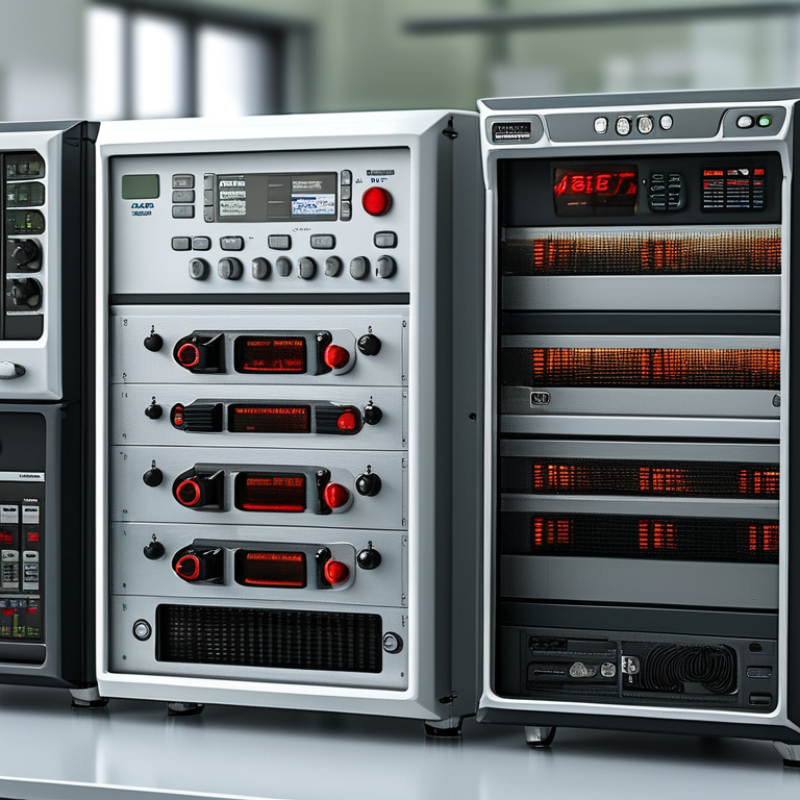
When selecting a climate chamber, understanding your specific climate control requirements is crucial. Different applications necessitate various temperature and humidity levels. For instance, research indicates that approximately 70% of laboratories prefer a temperature range between 20°C and 25°C for stability testing. Knowing these figures helps in selecting a chamber that aligns with your needs.
Humidity control is another vital aspect. A report by the International Society for Indoor Air Quality suggests that optimal humidity levels for most biological samples fall between 30% and 60% relative humidity. This precision can affect test results significantly. Ensure your chosen chamber can maintain these parameters consistently.
Finally, consider the size and capacity. Some facilities overlook this detail. For example, a small lab may experience constraints with a chamber that is too large. It limits efficiency and increases operational costs. Assessing space requirements beforehand can save resources in the long run.
When selecting a climate chamber, several key features require careful consideration. Temperature and humidity ranges are crucial. A report from the International Society of Automation indicates that precise control can enhance experimental reliability significantly. Most users need chambers that can operate between -20°C to +70°C, with humidity levels from 10% to 95%. Lower humidity settings can prevent mold growth, while higher levels are vital for specific plant growth studies.
Another important aspect is the chamber's size. Larger chambers provide more flexibility for testing multiple items, while smaller units fit better in limited spaces. Many choose between walk-in chambers and benchtop units, depending on their project needs. Also, consider the energy efficiency of the climate chamber. According to recent data from the Department of Energy, energy-efficient models can reduce operational costs by up to 30%.
**Tip:** Always check for customizable features. This ensures the chamber meets specific research requirements. Monitoring systems are also valuable. They help track changes in real-time.
**Tip:** Ensure the unit has adequate safety features. Overheating can lead to inaccurate results and equipment damage. Look for alarms and automatic shut-off systems. Choosing the right climate chamber is vital for reliable and repeatable results.
When selecting a climate chamber, understanding the different types available is crucial. The most common types include temperature chambers, humidity chambers, and combined environmental chambers. Each type serves distinct purposes. Temperature chambers are ideal for stability testing, often used in pharmaceuticals. According to a report by the International Society for Pharmaceutical Engineering, 80% of pharmaceutical firms emphasize precise temperature control for product stability.
Humidity chambers play a vital role in testing materials’ response to moisture. Many industries rely on them for ensuring quality control in sensitive components. A recent study indicated that 35% of electronic parts fail reliability testing due to improper humidity levels. Thus, choosing a humidity chamber with accurate monitoring is essential.
Combined environmental chambers provide versatility. They allow simultaneous control of both temperature and humidity. These chambers are perfect for complex studies, including accelerated life tests. However, users often overlook calibration needs. A lack of regular calibration can lead to significant inaccuracies, which may affect research outcomes. Always check if the chamber meets your testing requirements before making a purchase.
When evaluating budget considerations for climate chambers, it’s crucial to assess the long-term operational costs. A report by the International Institute for Climate Technology suggests that energy consumption can account for up to 40% of a climate chamber’s operating expenses. Investing in an energy-efficient model might have a higher upfront price, but it can save significant money over time.
Maintenance costs also play an essential role. Regular servicing can prevent costly repairs, which might disrupt your research. According to a survey by the Environmental Testing Association, nearly 30% of organizations reported unexpected maintenance costs. Setting aside a budget for preventive maintenance can mitigate these surprises.
Additionally, consider potential returns on investment (ROI). A well-chosen climate chamber can enhance research accuracy and efficiency. An analysis from Research and Markets indicates that organizations optimizing their environmental testing processes can see a 20% improvement in results. However, align your choices with your specific needs, as overspending on features you may not utilize is common.
Maintaining a climate chamber requires a clear understanding of support options. Regular upkeep is essential for reliability. The right maintenance schedule can extend the lifespan of the chamber. A 2021 industry report showed that 30% of climate chamber failures are due to poor maintenance practices. Without proper attention, users can face unexpected operational costs.
Support options vary significantly across providers. Some offer comprehensive service packages, while others provide limited assistance. Choose a manufacturer that prioritizes customer feedback. This choice often leads to higher satisfaction levels. Data indicates that 65% of users report improved performance with adequate technical support. Verifying a provider's credentials can enhance your confidence.
Consider the availability of spare parts. Fast access can minimize downtime. Some models may have longer lead times for replacements. According to a recent survey, 40% of facilities experienced delays due to unavailable components. This is a crucial factor when selecting a climate chamber. Understanding these dynamics can lead to smarter choices. Your laboratory's efficiency depends on it.
: Most laboratories prefer a temperature range between 20°C and 25°C. This range supports reliable testing outcomes.
Optimal humidity levels, between 30% and 60%, are essential. They can significantly affect biological sample test results.
Some facilities choose chambers that are too large. This can limit efficiency and increase operational costs.
Most users require a range from -20°C to +70°C, with humidity levels from 10% to 95%.
Energy-efficient models can reduce operational costs by up to 30%. It's a key factor for budget planning.
Look for monitoring systems and features that fit specific research needs. Customization enhances experiment reliability.
Regular maintenance prevents unexpected repairs. Organizations have reported significant surprises due to neglecting maintenance budgets.
A well-chosen chamber can improve research accuracy by 20%. Make sure it suits your specific requirements to avoid overspending.
Look for alarms and automatic shut-off systems. These can prevent overheating and ensure accurate results.
Assess space requirements, operational efficiency, and avoid features you won’t use to make a practical decision.
When selecting the best climate chamber for your needs, it's essential to first identify your specific climate control requirements. This includes determining the range of temperature and humidity levels necessary for your applications. Key features to consider include size, temperature accuracy, insulation quality, and control systems, which can significantly impact performance and usability.
Additionally, comparing different types of climate chambers will help you find the right fit, whether you need a walk-in chamber, a benchtop model, or a specialized incubator. Budget considerations play a crucial role, as climate chambers can vary widely in cost. Be sure to account for ongoing maintenance and support options, as proper upkeep is vital for consistent performance and longevity of your climate chamber.

Huanyi