China Top 10 Thermal Vacuum Chamber Manufacturers

Time:2026-09-16 Author:Oliver
0%

China’s Thermal Vacuum Chamber industry supports satellite qualification, spacecraft component testing, and increasingly demanding electronic reliability programs. Manufacturers compete through chamber volume, temperature range, vacuum stability, leak-rate control, and test automation. These details matter more than polished brochures.

NASA’s General Environmental Verification Standard, GEVS-SE-2, treats thermal-vacuum testing as a critical method for exposing workmanship defects before launch. The European Cooperation for Space Standardization also defines environmental testing requirements through ECSS-E-ST-10-03C. These standards emphasize measurement accuracy, contamination control, functional monitoring, and documented test procedures.

Market research adds useful context. The Fortune Business Insights Environmental Test Equipment Market report describes aerospace and defense as major demand sectors. MarketsandMarkets reports continued investment in spacecraft manufacturing and testing infrastructure. However, market estimates differ between publishers. They should guide research, not replace technical verification.

John F. O’Hanlon, a respected vacuum-technology author, wrote, “Vacuum technology is both an art and a science.” That observation remains practical. A chamber may reach an impressive pressure, yet perform poorly if thermal uniformity is weak. Small details matter. Door seals, feedthroughs, sensors, pumping speed, and control software can decide test credibility.

This China Top 10 Thermal Vacuum Chamber Manufacturers overview evaluates suppliers through engineering experience, standards awareness, customization capability, after-sales support, and documented performance. Factory visits, reference projects, calibration records, and acceptance-test data deserve attention. Rankings are never perfect. A lower-ranked supplier may suit a specialized payload better than a larger brand. The strongest choice depends on your spacecraft size, temperature profile, vacuum target, schedule, and validation risk.
China Top 10 Thermal Vacuum Chamber Manufacturers

What Is a Thermal Vacuum Chamber?

What Is a Thermal Vacuum Chamber?

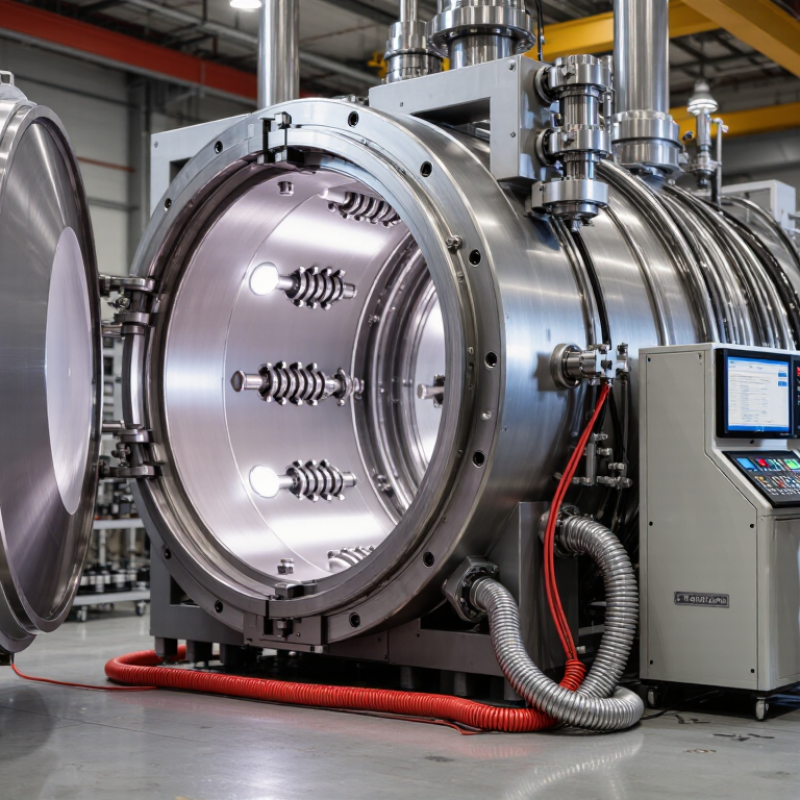
A thermal vacuum chamber is a sealed test system that reproduces the harsh environment of space. It removes air with mechanical and high-vacuum pumps. Internal shrouds then heat or cool the test article. This combination exposes weaknesses that normal laboratory testing may miss.

NASA’s General Environmental Verification Standard, GSFC-STD-7000, commonly specifies pressures near 1.33 × 10⁻³ pascals or lower for spacecraft thermal-vacuum testing. At this level, air cannot carry heat effectively. Components mainly exchange heat through radiation and physical mounting points. Test temperatures vary by mission, but many qualification programs examine hot and cold operational limits, survival limits, and repeated thermal cycles. The European Cooperation for Space Standardization also treats thermal-vacuum testing as a key verification activity in ECSS-E-ST-10-03.

The chamber usually includes a vacuum vessel, thermal shroud, temperature sensors, electrical feedthroughs, and a contamination-control system. Engineers watch pressure, temperature stability, outgassing, and equipment performance in real time. A small leak can distort results. A poorly placed sensor can do the same.

Not every failure is dramatic. A connector may lose contact after cooling. A coating may release vapour onto a sensitive surface. In practice, test planning is imperfect, especially when laboratory limits differ from actual mission conditions. Engineers must question whether the test profile truly represents the spacecraft’s orbit, operating sequence, and thermal balance.

How Thermal Vacuum Chambers Simulate Space Conditions

China Top 10 Thermal Vacuum Chamber Manufacturers

Thermal vacuum chambers recreate key space conditions for spacecraft testing. Pumps remove air until pressure approaches a targeted orbital environment. Heaters and liquid-nitrogen panels then create controlled temperature extremes. In vacuum, heat moves mainly through radiation and conduction. This reveals weak insulation, poor thermal paths, and unexpected component behavior.

Engineers place the hardware on a temperature-controlled fixture and monitor sensors across the structure. They may run repeated hot and cold cycles while measuring power use, pressure, vibration, and functional performance. Before testing, teams inspect seals, wiring, connectors, and materials for possible outgassing. Small details matter. A loose cable can distort results or damage delicate equipment. Test records should include calibration dates, pressure stability, sensor locations, and every adjustment made during the run.

Tips: Allow sufficient pump-down time before starting thermal cycling. Use witness samples to check contamination. Confirm that sensors are attached firmly, not merely taped nearby. Remember that a chamber is an approximation, not space itself. It cannot reproduce every radiation effect or launch vibration without additional systems. That limitation deserves attention. A rushed test may look successful, yet still hide a design weakness. Reviewing anomalies honestly often improves the next test more than repeating a perfect-looking cycle.

How Thermal Vacuum Chambers Simulate Space Conditions

This representative 12-hour qualification profile shows how a thermal vacuum chamber combines deep vacuum with controlled hot and cold cycles. Pressure is shown on a logarithmic scale because space-simulation tests typically reduce chamber pressure by several orders of magnitude.

Representative engineering conditions only: a base pressure near 1 × 10⁻⁵ Pa and plate temperatures from approximately −100°C to +100°C are commonly used as non-brand-specific reference points for spacecraft thermal vacuum testing. Actual qualification limits depend on the spacecraft, mission orbit, materials, and test standard.

Core Technologies Used in Thermal Vacuum Testing

China Top 10 Thermal Vacuum Chamber Manufacturers

Thermal vacuum testing combines controlled pressure, temperature, and measurement accuracy. A sealed chamber uses vacuum pumps to remove air and reduce heat transfer. Pressure sensors then track the test environment, often down to very low absolute pressures. Thermal shrouds, heaters, and liquid-nitrogen circuits create hot and cold conditions around the test article. This setup helps reveal outgassing, material shrinkage, weak seals, and unstable electronics.

Reliable testing depends on more than reaching a low pressure. Calibrated thermocouples measure surface temperatures, while feedthroughs carry power and data through the chamber wall. Control software follows programmed temperature ramps and dwell periods. Safety interlocks stop heating when pressure, temperature, or cooling flow moves outside limits. In practice, a sensor can respond slowly. That small delay may distort the recorded thermal profile. It deserves review.

Tips: Clean the chamber before testing. Record the pump-down curve. Check sensor contact, cable routing, and fixture materials. Use witness samples to identify contamination. Allow enough soak time after each temperature change, because the chamber wall and payload may stabilize at different rates. A perfect test rarely exists. Repeating suspicious measurements is often wiser than trusting attractive data. Experienced engineers also compare calibration records, leak rates, and previous runs before approving results.

China’s Top 10 Thermal Vacuum Chamber Manufacturers

China’s Top 10 Thermal Vacuum Chamber Manufacturers

China’s top 10 thermal vacuum chamber manufacturers serve aerospace, electronics, automotive, and materials testing sectors. Their equipment usually combines stainless-steel chambers, vacuum pumps, temperature controllers, and data acquisition systems. Buyers should examine measurable performance, not attractive brochures.

A reliable manufacturer should provide verified vacuum levels, temperature uniformity data, and documented leak-rate tests. Chamber size also matters. A compact unit may suit satellite components, while a larger system supports complete assemblies. Ask about thermal cycling from -70°C to 150°C, if the test plan requires it. Safety interlocks, viewing windows, and emergency venting deserve equal attention.

Experienced suppliers often offer installation training and calibration support. That support can prevent weeks of avoidable downtime. Still, no supplier is perfect. Some published specifications may reflect laboratory conditions rather than daily production use. This point deserves careful questioning. Request factory acceptance records, maintenance schedules, and references from similar applications. Inspect weld quality around ports and door seals. Small defects can create unstable pressure readings.

After-sales response is another practical measure of reliability. Replacement parts should have clear lead times and traceable documentation. Software compatibility should also be checked before purchase. A technically strong chamber can become frustrating when records are difficult to export. In my view, the strongest manufacturers combine engineering depth with honest limitations. That balance builds confidence.

How to Evaluate Thermal Vacuum Chamber Manufacturers in China

Evaluating thermal vacuum chamber manufacturers in China requires more than comparing prices or chamber size. Define the mission clearly: satellite components, sensors, materials, or complete assemblies demand different working volumes and thermal profiles. Check the stated temperature range, pressure capability, heat-load capacity, ramp rate, and temperature uniformity. Ask how these values were measured. Numbers can mislead. Require test records from a chamber with comparable dimensions, not only laboratory samples. Review the vacuum system, pump configuration, valve materials, and leak-rate acceptance criteria. A stable pressure reading matters during long thermal cycles.

Technical evidence should be matched with engineering competence. Request drawings, control-system descriptions, wiring standards, software access rules, and risk assessments. Confirm whether sensors and pressure gauges have traceable calibration certificates. Examine interlocks for overtemperature, power loss, door opening, and coolant failure. Ask for factory acceptance testing with defined pass-or-fail data. Witnessing a cold-to-hot cycle can reveal vibration, overshoot, or slow recovery. Details matter. A manufacturer explaining limitations openly may be more dependable than one promising every specification.

Service capability deserves equal attention. Evaluate installation support, operator training, spare-part availability, response times, and remote diagnostics. Request references from users with similar duty cycles, then ask what failed and how quickly it was repaired. Inspect welding quality, door sealing, cable feedthroughs, and internal cleanliness when visiting the facility. Documentation should cover maintenance intervals, replacement procedures, and emergency handling. A polished factory tour may still hide weak service planning. Leave room for doubt, and compare the supplier’s claims with independent inspection results before signing a technical agreement.

FAQS

What is a thermal vacuum chamber?

It is a sealed test system that simulates the vacuum and temperature conditions of space. Air is removed with vacuum pumps. Internal shrouds heat or cool the test article.

Why is thermal vacuum testing important?

It can reveal failures that ordinary laboratory tests may miss. In low pressure, air transfers little heat. Components mainly exchange heat through radiation and mounting points.

What pressures are commonly used during testing?

Some spacecraft qualification programs use pressures near 1.33 × 10⁻³ pascals or lower. The exact pressure depends on the mission and test plan. Lower pressure is not automatically better.

Which parts are usually included in a thermal vacuum chamber?

Common parts include a vacuum vessel, thermal shroud, sensors, feedthroughs, and contamination controls. Pumps and valves manage the vacuum environment. Control software records pressure and temperature continuously.

What temperatures can these chambers test?

Many systems support thermal cycling between approximately -70°C and 150°C. The required range depends on the equipment and mission profile. Hot and cold survival limits may differ from operating limits.

What should buyers check when comparing manufacturers?

Check verified vacuum levels, temperature uniformity, heat-load capacity, ramp rates, and leak-rate records. Ask how each value was measured. Brochures are not evidence.

How can a buyer evaluate chamber quality before purchase?

Request factory acceptance records with clear pass-or-fail criteria. Inspect door seals, welds, cable feedthroughs, sensors, and internal cleanliness. A cold-to-hot cycle may expose vibration or temperature overshoot.

What service support should a manufacturer provide?

Useful support includes installation, operator training, calibration, spare parts, and remote diagnostics. Ask for realistic response times and replacement-part lead times. Service promises can be vague.

What common problems can occur during thermal vacuum testing?

A small leak can cause unstable pressure readings. A misplaced sensor can distort temperature results. Connectors may lose contact after cooling, while coatings may release vapour.

How should engineers decide whether a test profile is realistic?

Compare the profile with the spacecraft’s orbit, operating sequence, and thermal balance. Laboratory limits may not match actual mission conditions. Some test plans remain imperfect.

Conclusion

A Thermal Vacuum Chamber is a specialized test system designed to reproduce the extreme conditions of outer space, including low pressure, wide temperature variations, and limited heat transfer. By removing air and controlling temperature inside a sealed chamber, it allows engineers to evaluate how spacecraft components, satellites, sensors, and other aerospace equipment perform during launch, orbit, and thermal cycling. Core technologies commonly include high-performance vacuum pumps, precision heating and cooling systems, reliable sealing structures, temperature and pressure sensors, automated control software, and safety monitoring devices.

This article introduces China’s top 10 thermal vacuum chamber manufacturers from a technical and industry perspective, focusing on their engineering capabilities, manufacturing quality, customization services, testing accuracy, delivery performance, and after-sales support. It also explains how buyers can compare manufacturers by reviewing system specifications, material quality, control stability, energy efficiency, maintenance requirements, certification, project experience, and long-term service capacity. The goal is to help readers select a dependable solution for demanding thermal vacuum testing applications.

Oliver

Oliver

Oliver is a seasoned marketing professional with a wealth of expertise in driving brand awareness and engagement. With a deep understanding of our company's product offerings, he consistently delivers high-quality content that enriches our professional blog. His insights not only shed light on......